
| Detail | Rome | Paris |
|---|---|---|
| Best fit | Ancient history, churches and outdoor urban atmosphere | Major museums, architecture and district-focused days |
| Useful stay | Four to six days | Four to seven days |
| City shape | Historic centre with many uneven walking routes | Larger city divided into distinct districts |
| Main planning anchor | Colosseum area or Vatican Museums | One large museum or monument each day |
| Local movement | Walking, bus, tram and a limited metro network | Metro, RER, bus, tram and walking |
| Accessibility concern | Cobbles, kerbs and archaeological surfaces | Stairs in many older metro stations and long museum routes |
| Straightforward day trip | Tivoli with one main villa | Versailles with a full palace and estate day |
| Combining both | Use a flight and protect the transfer day | Allow at least ten days across the two cities |
Rome and Paris both need several full days, but they ask visitors to organise time differently. Rome concentrates ancient history in a physically demanding centre. Paris spreads major museums and districts across a larger transport network.
Choose ancient streets or museum districts
Rome suits a trip centred on ancient sites, churches, public squares and long walks through a layered historic centre. Paris offers a broader range of large museums and is easier to divide into district-based days.
Both cities reward four or more days. Rome’s uneven archaeological ground creates more physical strain, while Paris uses more local transport between widely separated priorities.
Let one major booking shape each day
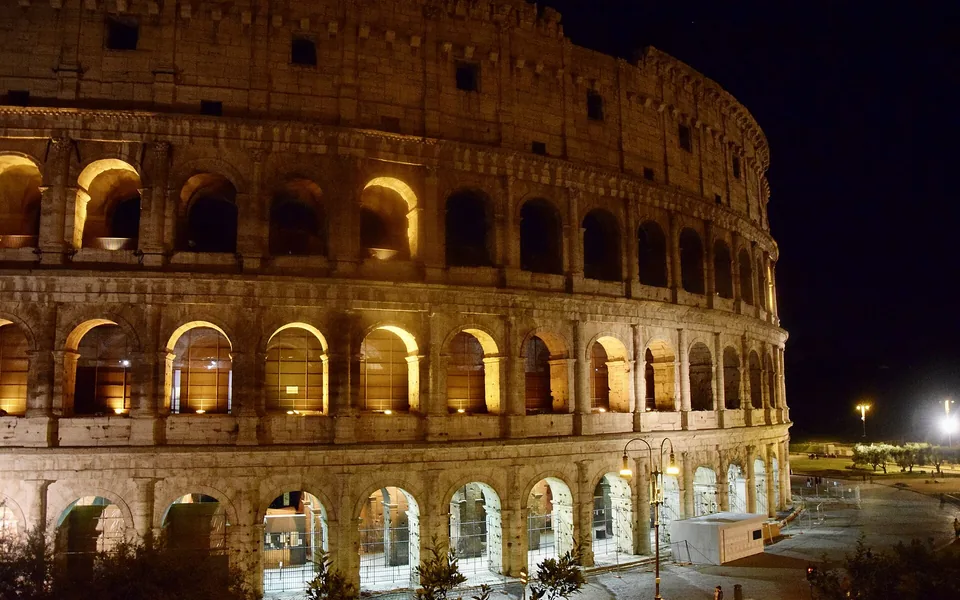
In Rome, the Colosseum area and Vatican Museums belong on separate days. Add nearby streets and smaller visits around each anchor rather than crossing the city for another fixed entry.
In Paris, choose one large museum or monument as the main commitment, then keep the rest of the day within the same part of the city. The Louvre in particular should not be treated as a short stop before several other museums.

Compare the walking and transport burden
Rome uses metro, tram and bus, but many central routes still involve cobbles, kerbs and substantial walking away from stations. Check the exact entrance for archaeological sites and historic buildings.
Paris has a dense network, although many older metro stations involve stairs. RER, tram and bus routes can offer better access for some journeys, so use the current operator map rather than assuming every metro stop is step-free.
Use different day-trip strategies
Tivoli is a practical full day from Rome when Villa d’Este is the main visit. Pompeii belongs more naturally with Naples and should not be added as a casual extra to a short Rome stay.
Paris offers several regional rail choices, including Versailles, but the palace and estate need most of a day. A short city break is better spent in Paris before removing a full day for an excursion.
Treat a two-city trip as a flight route
Rome and Paris do not form a useful short rail pair. A flight is normally the practical connection, with airport journeys and security taking a substantial part of the transfer day.
Allow at least ten days for both cities and use different arrival and departure airports. Choose Rome for ancient history and street-level atmosphere, or Paris for museum depth and a more structured district plan.
Read the two city and country routes
Planning sources
Transport, visitor information and attraction details can change. Check the official pages before booking.
- Official Rome visitor information Roma Capitale, checked 29 August 2026
- Official Paris visitor information Paris je t’aime, checked 29 August 2026
- Official Paris accessibility information Paris je t’aime Tourist Office, checked 28 August 2026
- Colosseum Archaeological Park visiting information Parco archeologico del Colosseo, checked 4 September 2026
- Rome public transport routes and timetables ATAC Roma, checked 4 September 2026
- Paris accessible transport maps RATP, checked 4 September 2026
Comparison reviewed 4 September 2026.