
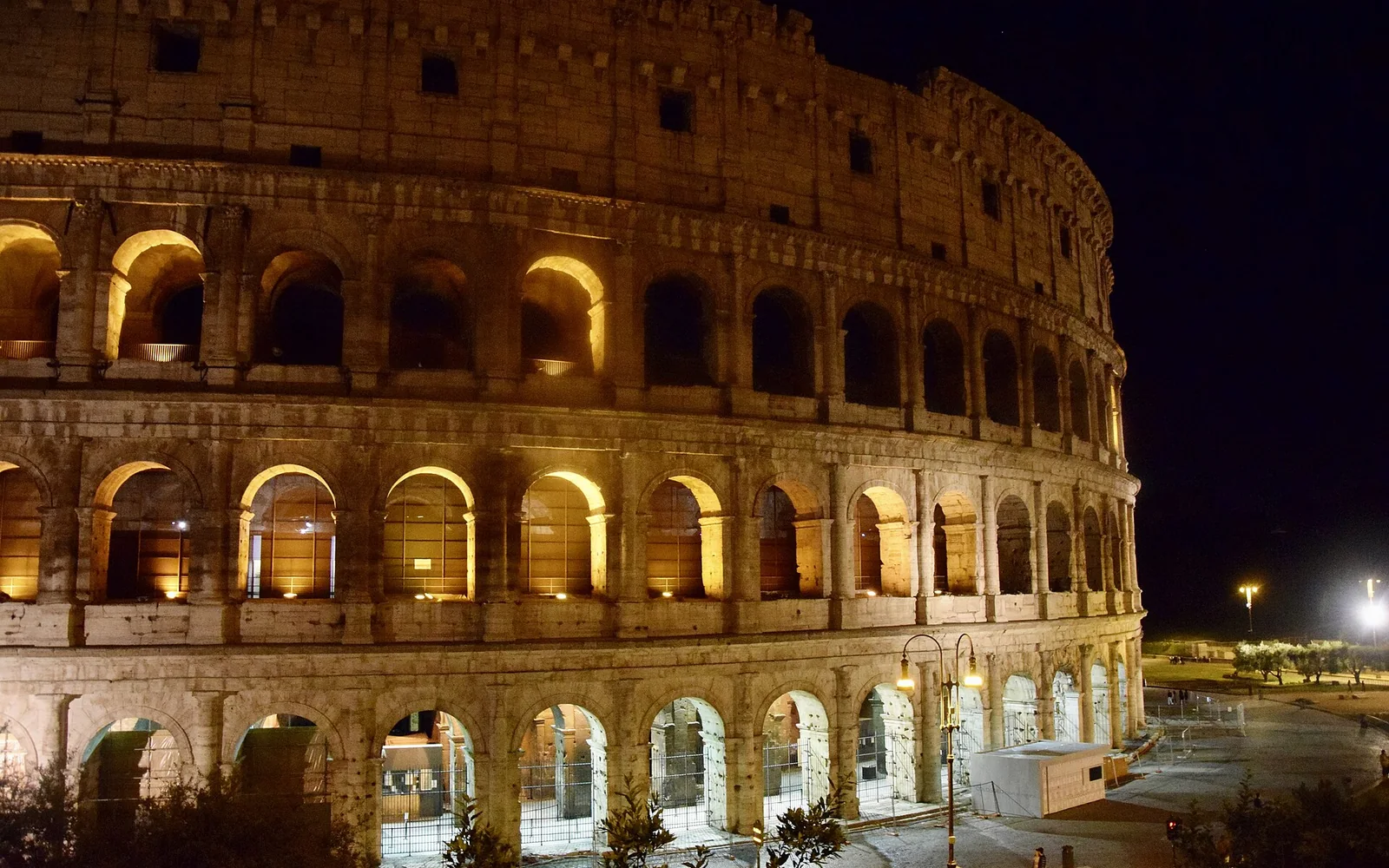
Rome needs a route built by area. The Colosseum and Roman Forum form one long archaeological day, the Vatican occupies another, and the Pantheon, Trevi Fountain and Piazza Navona fit a separate central walk.
Divide Rome into areas instead of headline sights
Rome needs a route built by area. The Colosseum and Roman Forum form one long archaeological day, the Vatican occupies another, and the Pantheon, Trevi Fountain and Piazza Navona fit a separate central walk.
Four full days provide a useful first visit. Add time for Testaccio, Trastevere, the Appian Way or a museum instead of squeezing every famous monument into the first two days.
Ancient Rome
Pair the Colosseum, Forum and Palatine only when the ticket and entrance arrangements support it. The ground is exposed and uneven, so an early start and comfortable footwear matter.
Vatican and river districts
The Vatican Museums, St Peter’s area and Castel Sant’Angelo can fill a day. Prati is a practical place for lunch and a quieter walk after timed visits.
Neighbourhood time
Monti, Testaccio and Trastevere each offer a different evening. Choose one that fits the day’s route rather than crossing the city for a single restaurant.
Build a realistic visit to Rome
Day 1: walk the Pantheon, Piazza Navona, Trevi Fountain and nearby streets.
Day 2: visit the Colosseum, Roman Forum and Palatine area.
Day 3: focus on the Vatican, Prati and the river.
Day 4: choose Testaccio, Trastevere, the Appian Way or a major museum.
Arrive and move around Rome
Roma Termini is the main rail hub, while Roma Tiburtina handles additional long-distance services. Fiumicino and Ciampino airports use different rail and bus connections. Choose the arrival route by accommodation location, not only the shortest advertised journey.
Metro, tram and bus services cover the city, but walking remains central to many historic routes. Allow for traffic, service changes and long passages within major stations. Tickets must be valid for the journey and activated when required.
Food and local stops in Rome
Roman cooking includes carbonara, cacio e pepe, amatriciana, gricia, artichokes and supplì. Look beyond the busiest monument streets for everyday trattorias, bakeries and markets with clear menus.
Choose the right conditions for Rome
Spring and autumn suit long walks but remain busy. Summer heat makes exposed archaeological sites tiring. Winter brings shorter days and a calmer pace outside holiday periods.
Rome’s official accessible travel pages provide venue-level details. Major sites often have adapted routes, but cobbles, kerbs, lifts and temporary closures vary. Plan the exact entrance and public transport stop before each major visit.
Do not rely on crossing the historic centre in a few minutes. Timed tickets, security lines and heat can shift the day. Date-sensitive site rules should be checked on the official venue page.
Continue from Rome
Ostia Antica and Tivoli are separate day trips. Florence and Naples are better as onward overnight stops, even though fast trains make the journey look short.
Continue from Rome through central Italy
Rome visit questions
How many days do I need in Rome?
Four full days cover the main ancient, central and Vatican areas with one neighbourhood day. Five or six days allow a museum and a nearby outing.
Where should I stay for a first visit to Rome?
Choose a central area with a direct route to the sights that matter most. Monti, Prati, Testaccio and the historic-centre edge suit different budgets and evening plans.
Can I see the Colosseum and Vatican Museums on the same day?
It is possible but rarely comfortable. Each area deserves several hours, and combining them creates a long cross-city day tied to two timed entries.
Daily planning ranges
Travel costs in Rome
These planning ranges are per person, per day and assume two people sharing a room. They are not live quotes.
Standard daily breakdown
- Accommodation
- €72 to €130
- Food
- €34 to €52
- Local transport
- €7 to €15
- Activities
- €22 to €45
What the range assumes: Per person, per day, based on two people sharing a sensible double or twin room. The standard range allows for ordinary paid sightseeing, local transport and a mix of casual and mid-range meals.
Seasonal note: Spring, early autumn and major religious dates put the greatest pressure on central rooms and timed attractions.
Not included: International travel, intercity travel, shopping, travel insurance and major special-event premiums are excluded.
Price basis 29 August 2026, reviewed 29 August 2026, next review due 28 February 2027.
Cost sources
- Rome public transport tickets, ATAC Roma
- Rome cost of living, Numbeo
Sources and updates
This guide was last reviewed on 3 September 2026. Transport, access and opening arrangements can change, so check the official source before travel.
- Official Italian tourism information, Italian Ministry of Tourism
- Trenitalia passenger information, Trenitalia
- Official Rome visitor information, Roma Capitale
- Italian cultural heritage information, Italian Ministry of Culture