
9 days and 8 nights in Italy
Rome, Florence and Venice in nine days
A nine-day rail route that gives Rome, Florence and Venice proper stays, with two manageable travel days and time protected for major sights.
Published by Fernando Ruiz- Best for
- First-time visitors who want three major Italian art cities without a rushed hotel change every other night.
- Largest trade-off
- The route covers three demanding cities, so Bologna and other day trips require an extra night rather than another compressed day.
- Best months
- April, May, June, September, October
- 1
Days 1 to 3
Rome
Three nights cover arrival, ancient Rome and one Vatican or museum day.
3 nights · Arrival, check-in and historic-centre walkingNext: Train, 85 to 115 minutesRoma Termini to Firenze Santa Maria Novella. Check the named train, ticket conditions and live platform information. Allow 25 minutes before departure. Advance reservation recommended. Check Trenitalia or Italo. Fallback: Use a later direct service and shorten only the Florence arrival walk - 2
Days 4 to 5
Florence
Two nights support one reserved gallery and a complete route through the compact centre.
2 nights · Station transfer, train and hotel changeNext: Train, 120 to 155 minutesFirenze Santa Maria Novella to Venezia Santa Lucia. Confirm Santa Lucia rather than Mestre when the accommodation is in the lagoon city. Allow 25 minutes before departure. Advance reservation recommended. Check Trenitalia or Italo. Fallback: Use a later direct service and keep the Venice arrival within the hotel district - 3
Days 6 to 9
Venice
Three nights provide an arrival district, San Marco and one quieter or lagoon-focused day.
3 nights · Train, bridges or water transport and hotel change
Day-by-day plan
| Day | Overnight base | Main plan | Transfer | Approximate burden |
|---|---|---|---|---|
| 1 | Rome | Morning: Arrive, check in and recover from the journey before setting a long route. Afternoon: Choose one connected walk around the Pantheon, Piazza Navona or Campo de’ Fiori. Evening: Finish near the accommodation rather than crossing Rome again. Book: Confirm airport or station transport and the accommodation entrance before arrival. Short on time: Remove the orientation walk if arrival is late. | International arrival and local transport | Arrival, luggage and uneven central streets. |
| 2 | Rome | Morning: Enter the Colosseum or the named archaeological complex at the reserved time. Afternoon: Continue through the Forum and Palatine area at a pace suited to heat and terrain. Evening: Rest before a short evening in Monti or near the hotel. Book: Use the official ticket and confirm the entrance printed on it. Short on time: Keep the booked monument and shorten the wider archaeological circuit. | No hotel change | Exposed archaeological ground, steps and long periods standing. |
| 3 | Rome | Morning: Use the Vatican Museums booking or begin with St Peter’s area. Afternoon: Choose Prati, Castel Sant’Angelo or one museum rather than returning across the whole centre. Evening: Pack and keep dinner close to the route back. Book: Reserve the Vatican Museums when they are central to the day and check official dress and entry guidance. Short on time: Remove the additional museum or castle before cutting the main visit. | No hotel change | Large interiors, queues and substantial walking. |
| 4 | Florence | Morning: Reach Roma Termini with time for the direct high-speed train. Afternoon: Leave luggage in Florence and walk the cathedral area, Piazza della Signoria and the Arno. Evening: Use a central evening route without adding a gallery. Book: Book the dated train to Firenze Santa Maria Novella and check its fare conditions. Short on time: Keep the cathedral exterior and river, removing a distant viewpoint. | Direct high-speed train from Roma Termini | Train, hotel change and compact city walking. |
| 5 | Florence | Morning: Enter the Uffizi or Accademia at the reserved time. Afternoon: Cross the river for Santo Spirito and a measured Oltrarno walk after a proper break. Evening: Return toward the Arno without arranging another timed interior. Book: Reserve one major gallery through its official channel. Short on time: Keep the gallery and remove the longest Oltrarno extension. | No hotel change | Museum standing, cobbles and historic-centre walking. |
| 6 | Venice | Morning: Take the direct train to Venezia Santa Lucia and confirm the correct arrival station. Afternoon: Reach the accommodation by water bus or on foot, then stay within the surrounding district. Evening: Choose a nearby canal route instead of crossing Venice after the travel day. Book: Book the dated train and check the water-bus route to the accommodation. Short on time: Go directly to the hotel when luggage or delays make the district walk impractical. | Direct high-speed train to Venezia Santa Lucia | Train, luggage, bridges and water transport. |
| 7 | Venice | Morning: Reach San Marco early or at the booked entry time. Afternoon: Move toward Castello or the waterfront when the central square becomes busiest. Evening: Return after the main day-visitor period for a shorter local walk. Book: Check current admission arrangements for the basilica and Doge’s Palace. Short on time: Remove the tower or secondary interior before shortening the main San Marco visit. | No hotel change | Crowds, standing, bridges and limited places to rest. |
| 8 | Venice | Morning: Choose Dorsoduro, Cannaregio or a dated lagoon-island route. Afternoon: Remain in the same district or island direction instead of crossing the lagoon repeatedly. Evening: Finish near the accommodation and prepare for departure. Book: Check water-bus notices, museum hours and weather before committing to outer islands. Short on time: Keep one district and remove the outer-island journey if conditions are poor. | No hotel change | Bridges and walking, or long water-bus journeys on the island plan. |
| 9 | Venice | Morning: Keep the morning close to the confirmed departure route. Afternoon: Reach Santa Lucia, Piazzale Roma or the airport connection with a generous margin. Evening: No fixed evening activity belongs inside this itinerary. Book: Recheck the station, airport transfer and any current access notice on the previous day. Short on time: Remove all sightseeing when luggage or an early departure creates pressure. | No hotel change | Check-out, luggage, bridges and onward transport. |
Ways to adjust the route
- Use Rome and Florence only when seven days must include slower museum visits and fewer hotel changes.
- 1
- Add a third Florence night when Bologna is a priority, keeping the Venice stay intact.
- 2
- Reverse the entire route when the international arrival is in Venice and departure is from Rome.
Rome, Florence and Venice fit into nine days when each city has a clear role. Rome needs the longest sightseeing block, Florence works as the compact middle stay, and Venice benefits from quiet mornings and evenings after day visitors leave.
Follow the rail line in one direction
Begin in Rome and finish in Venice, or reverse the whole route if the flights work better. Doubling back through Florence wastes time without improving the trip.
Direct high-speed trains serve both city pairs. Book the named stations, since Venezia Santa Lucia reaches the lagoon city while Venezia Mestre remains on the mainland.
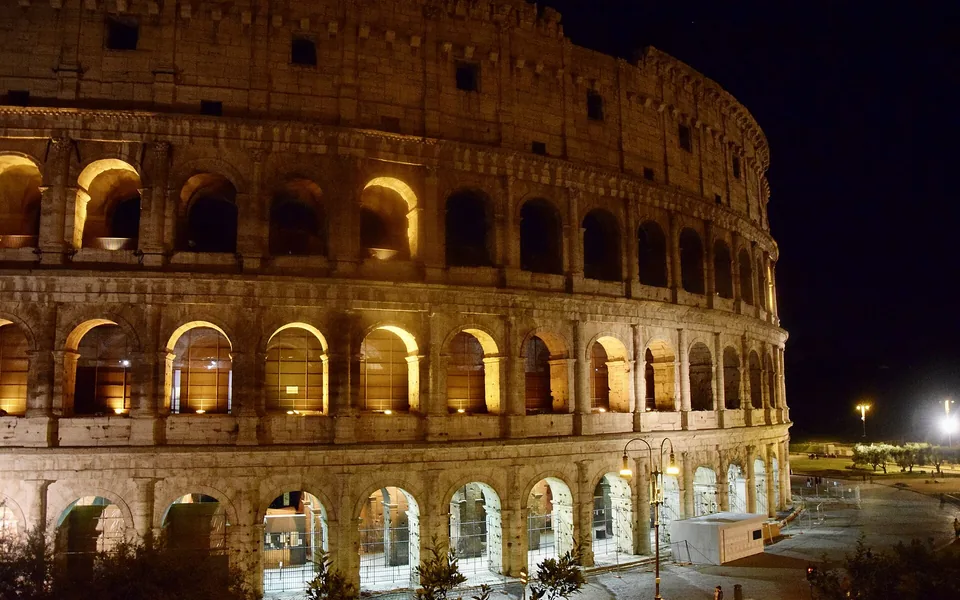
Use three nights for Rome
Keep the arrival day around one part of the historic centre. Give the Colosseum, Roman Forum and Palatine area a separate day, with the official entry time setting the order.
Use the final full day for the Vatican Museums, St Peter’s area or another substantial museum plan. Crossing repeatedly between the Vatican side and the ancient centre adds more effort than the map suggests.
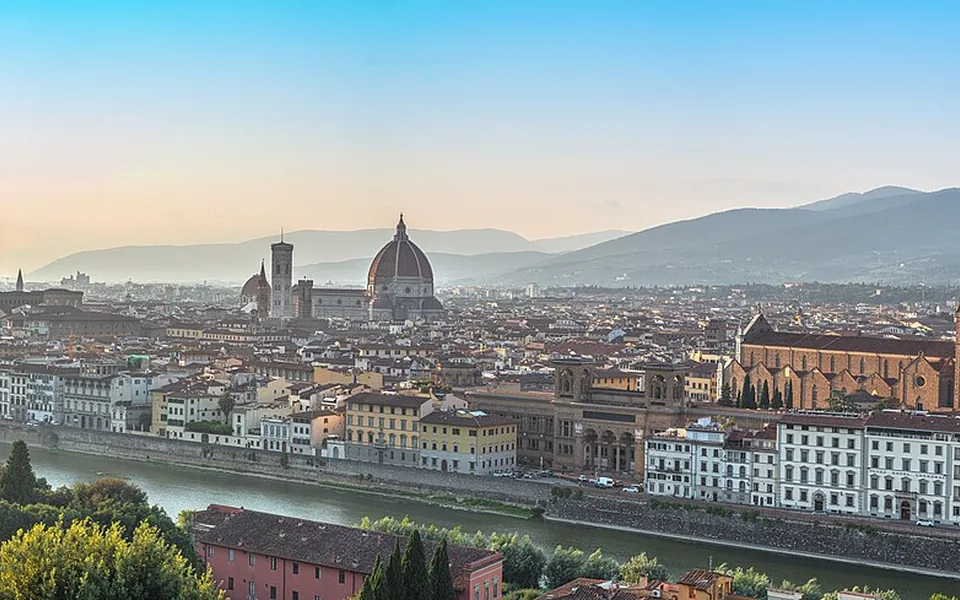
Keep Florence focused
Two nights provide an arrival walk and one complete day. Choose the Uffizi or Accademia as the fixed museum visit, then use the cathedral area, Piazza della Signoria and Oltrarno around it.
Bologna is a valid rail day from Florence, but it does not fit inside this nine-day plan without removing most of the full Florence day. Add a third Florence night if Bologna matters.
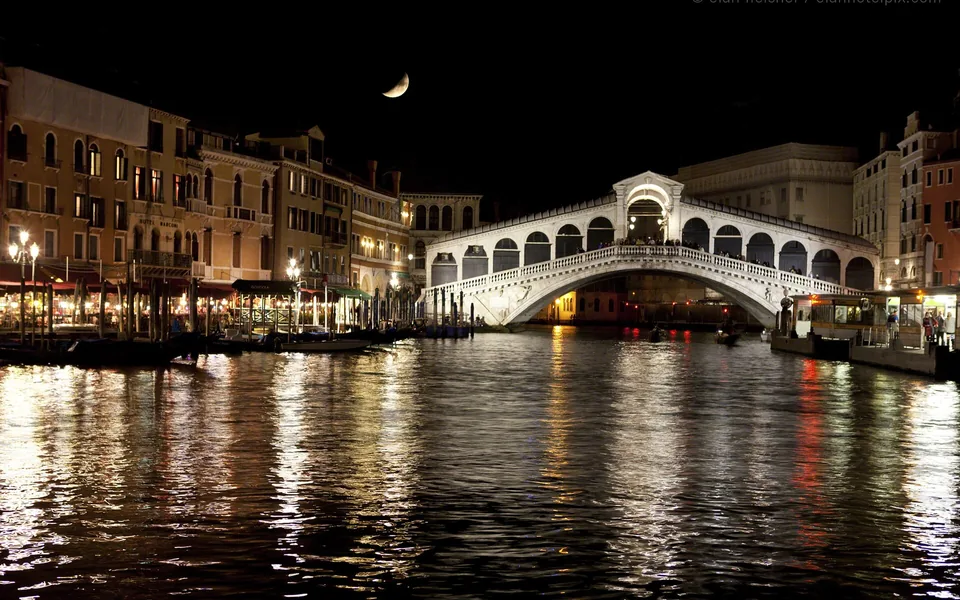
Leave three nights for Venice
The first afternoon should stay near the accommodation rather than forcing an immediate crossing to San Marco. Bridges, water transport and luggage make a Venice arrival slower than an ordinary station transfer.
Use one full day for San Marco and a neighbouring district. Keep the other for Dorsoduro, Cannaregio or a properly timed lagoon-island route, checking current water-bus notices before departure.
Book only the route anchors
Secure the two trains and the major attraction that would be disappointing to miss in each city. Leaving part of every day unbooked makes room for queues, heat, weather and the walking burden of historic streets.
Check Venice’s official access information for the travel date. Local access rules can change between years, and an overnight guest may have different requirements from a same-day visitor.
Day-by-day route through the three cities
Day 1: Arrive in Rome and follow one central walk around the Pantheon, Piazza Navona or Campo de’ Fiori.
Day 2: Use the booked ancient-city entry, allowing most of the day for the Colosseum, Forum and Palatine area.
Day 3: Choose the Vatican Museums and St Peter’s area, or a substantial Rome museum and neighbourhood route.
Day 4: Take the direct train to Florence, leave luggage and walk between the cathedral area, Piazza della Signoria and the Arno.
Day 5: Visit one reserved gallery, then cross the river for Santo Spirito or another measured Oltrarno route.
Day 6: Travel to Venezia Santa Lucia, reach the accommodation and explore the nearest district.
Day 7: Start in San Marco at the booked time, then move into Castello or along the waterfront after the busiest hours.
Day 8: Choose Dorsoduro, Cannaregio or one lagoon-island plan rather than combining distant parts of Venice.
Day 9: Keep the final walk close to the confirmed station, airport bus or water connection.
Guides for each stop on the route
Planning information reviewed 4 September 2026, next review due 4 December 2026.
Planning sources
Check current operator timetables, reservations and access details before booking the route.
- Official Italian tourism information Italian Ministry of Tourism, checked 2 September 2026
- Official Rome visitor information Roma Capitale, checked 29 August 2026
- Official Venice visitor and transport information City of Venice, checked 28 August 2026
- Official Florence visitor information Municipality and Metropolitan City of Florence, checked 29 August 2026
- Frecciarossa routes and passenger information Trenitalia, checked 4 September 2026
- High-speed destinations and timetables Italo, checked 4 September 2026
- Colosseum Archaeological Park visiting information Parco archeologico del Colosseo, checked 4 September 2026
- Uffizi Galleries ticket and visiting information Gallerie degli Uffizi, checked 4 September 2026
- Venice access-fee information Municipality of Venice, checked 4 September 2026