
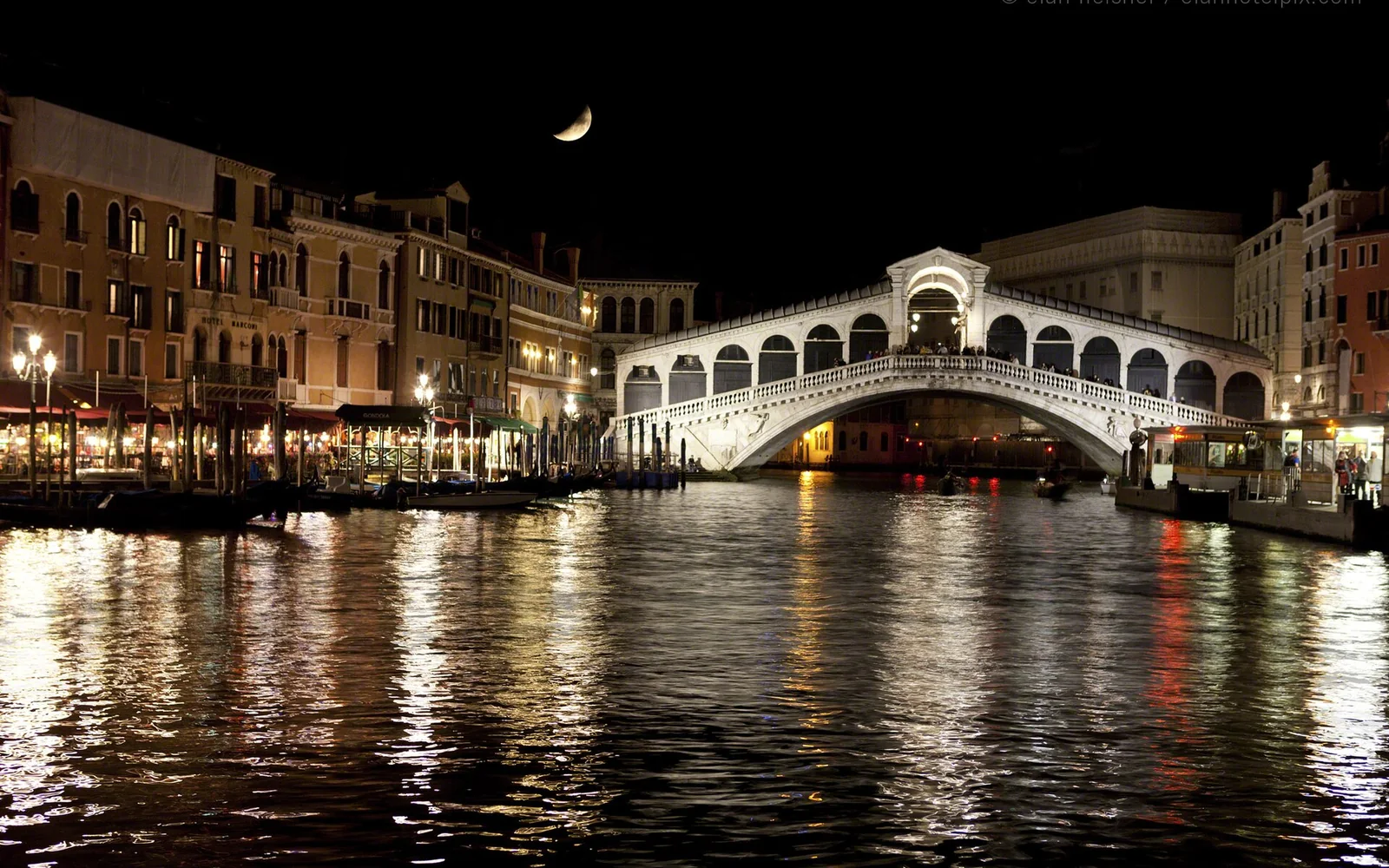
Venice becomes easier when each day stays within neighbouring districts. San Marco and Rialto draw the largest crowds, while Cannaregio, Castello and Dorsoduro provide quieter routes and a clearer sense of the lived-in city.
Plan Venice by district and lagoon route
Venice becomes easier when each day stays within neighbouring districts. San Marco and Rialto draw the largest crowds, while Cannaregio, Castello and Dorsoduro provide quieter routes and a clearer sense of the lived-in city.
Three days allow the main centre, one art-focused district and a lagoon outing. An overnight stay also gives early and late hours that day visitors rarely see.
San Marco and Rialto
Visit the busiest core early or later in the day. Timed access, security checks and high-water arrangements can change how the route works.
Dorsoduro and Cannaregio
Dorsoduro suits galleries and long canalside walks. Cannaregio offers a practical station-side base and quieter northern lanes once the main route is left behind.
Lagoon islands
Murano, Burano and Torcello use different boat routes and travel times. Pick one or two, rather than turning the day into a sequence of docks.
Build a realistic visit to Venice
Day 1: walk from Cannaregio or Santa Croce toward Rialto and San Marco.
Day 2: explore Dorsoduro, the Accademia area and the southern waterfront.
Day 3: choose a lagoon-island route or spend a slower day in Castello.
Day 4: add a major museum, church route or neighbourhood morning before departure.
Arrive and move around Venice
Venezia Santa Lucia station opens directly onto the historic city. Venezia Mestre is on the mainland. Airport water and road services reach different points, so confirm the stop and final bridge count before travelling with luggage.
Most routes combine walking with ACTV water buses. Vaporetto tickets and passes cover specific services and periods. Check the official route map, service notices and the direction of travel before boarding.
Food and local stops in Venice
Venetian food includes cicchetti, seafood, polenta, sarde in saor and risotto. Bacari work well for small plates, but central bars vary in quality and price. Look for clear menus and local customers.
Choose the right conditions for Venice
Spring and autumn are comfortable but busy. Summer brings heat and strong demand. Winter can be atmospheric, with cold damp weather and possible high-water procedures.
Bridges are Venice’s main physical barrier. The city publishes accessible routes and transport information, and some vaporetto stops provide step-free boarding. Check the specific district path and tide conditions before relying on a route.
The historic city has no road traffic, but that does not make every walk easy. Luggage, bridges and crowded lanes slow movement. Access-fee rules apply on selected dates and should be checked officially.
Continue from Venice
Verona, Padua and Vicenza work as onward rail stops. They are not substitutes for lagoon time, and each has enough to justify a separate day or overnight stay.
Choose another Veneto stop
Venice travel questions
How many days should I spend in Venice?
Three days allow the main centre, quieter districts and one lagoon outing. A fourth day creates room for museums or slower walks.
Should I stay in Venice or Mestre?
The historic city gives early and late access without commuting. Mestre can cost less and simplify road or rail connections, but it changes the evening experience.
Do I need a vaporetto pass?
It depends on the route. A pass can help when several boat journeys or islands are planned, while a walking-focused day may need only one trip.
Sources and updates
This guide was last reviewed on 3 September 2026. Transport, access and opening arrangements can change, so check the official source before travel.
- Official Italian tourism information, Italian Ministry of Tourism
- Trenitalia passenger information, Trenitalia
- Official Venice visitor and transport information, City of Venice
- Italian cultural heritage information, Italian Ministry of Culture