
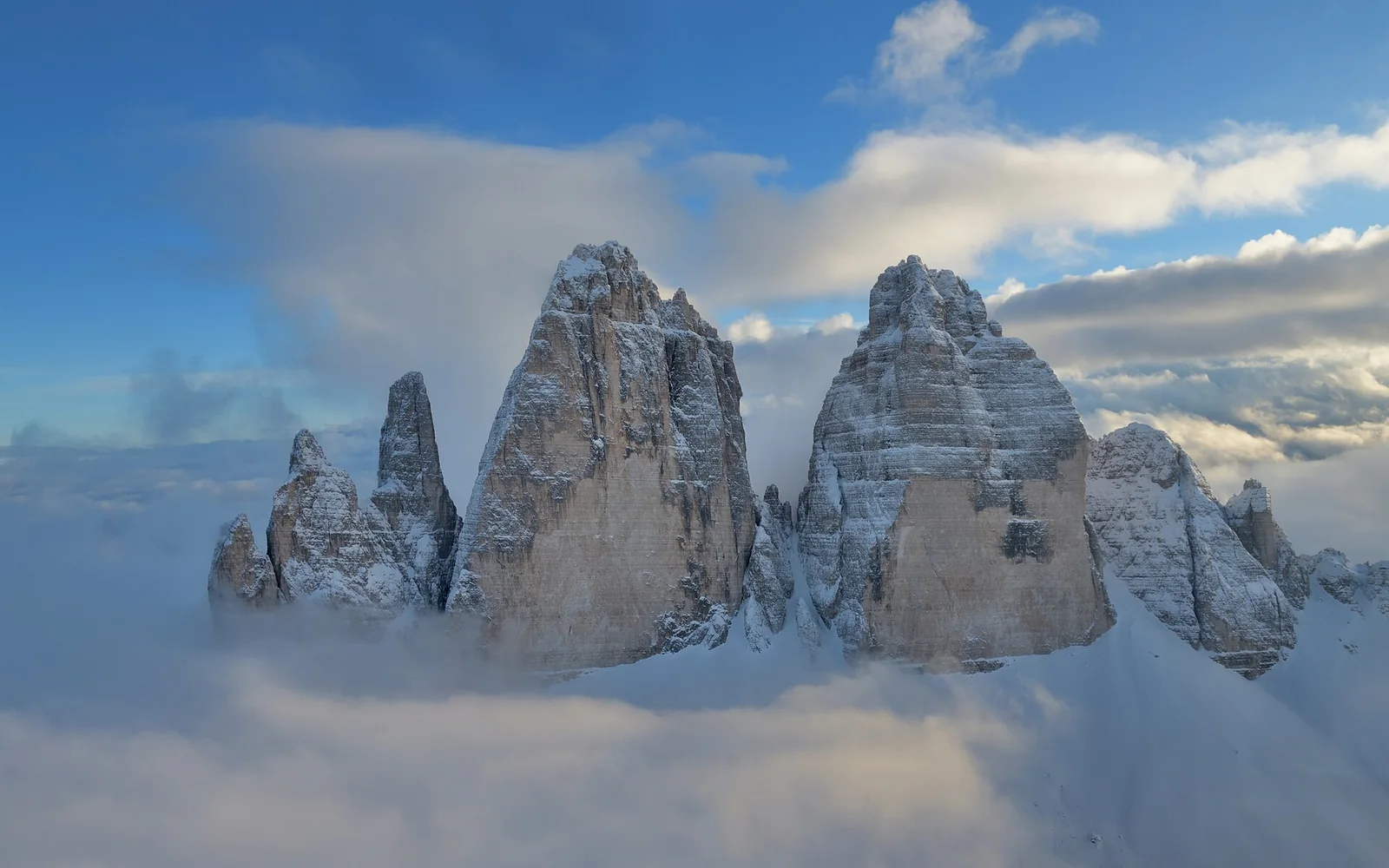
The Dolomites are not contained within one administrative region. The UNESCO property consists of nine mountain systems spread across a wider Alpine area, including parts of Veneto, Trentino-Alto Adige and South Tyrol, and Friuli-Venezia Giulia.
Pick a valley before selecting mountain days
The Dolomites are not contained within one administrative region. The UNESCO property consists of nine mountain systems spread across a wider Alpine area, including parts of Veneto, Trentino-Alto Adige and South Tyrol, and Friuli-Venezia Giulia.
Choose one valley for a short trip. Cortina, Val Gardena, Alta Badia and the Brenta area use different rail gateways, buses and lift networks. Crossing between them can take much longer than the map suggests.
Choose a valley, not a peak list
Build the stay around local lifts, walks and buses. A valley base reduces daily driving and makes weather changes easier to manage.
Confirm every seasonal service
Lift opening dates, winter roads and bus frequencies vary. Shoulder seasons can have quiet towns but limited mountain access.
Use official safety advice
Mountain weather changes quickly. Follow park, lift and local rescue guidance, use routes suited to ability and carry proper equipment.
Build a realistic visit to Dolomites
Day 1: arrive at one valley base and check current conditions.
Days 2 to 3: use local lifts or buses for routes close to the base.
Day 4: keep a weather-flexible valley or town day.
Days 5 to 6: add a second sub-area only when the transfer is short and useful.
Days 7 to 8: continue within the same mountain system or leave through the nearest rail gateway.
Arrive and move around Dolomites
Common rail gateways include Bolzano, Bressanone, Trento, Belluno, Calalzo and other valley approaches. The final journey often requires a bus or road transfer. The correct gateway depends entirely on the base.
Regional buses, seasonal shuttle services and lifts can support a car-free stay in well-connected valleys. A car adds flexibility between dispersed areas but brings parking, winter equipment and road-condition responsibilities.
Food and local stops in Dolomites
Mountain menus reflect Italian, Ladin, Tyrolean and local valley traditions. Expect polenta, dumplings, cured meats, cheeses, soups and pastries, with dishes and names changing across the region.
Choose the right conditions for Dolomites
Summer and winter are the main service seasons. Late spring and autumn can be quiet, but many lifts and refuges close. Snow and storm conditions can affect access at any time in the mountains.
The Dolomites UNESCO Foundation supports accessible itineraries, but facilities vary by valley and season. Some cable cars, lakeside paths and visitor centres offer adapted access. Confirm each route and toilet or parking facility locally.
Do not place the Dolomites under one region or assume that Cortina, Val Gardena and the Brenta Dolomites are close day trips. Conditions, protected-area rules and lift schedules control the route.
Continue from Dolomites
Venice, Verona, Innsbruck and Bolzano can serve different gateways, but none is universal. The Trentino-Alto Adige and South Tyrol guide covers one administrative part of the wider mountains.
Compare north-east Italy routes
- Plan Trentino-Alto Adige and South Tyrol
- Plan Veneto
- Use Venice as one gateway
- Connect through Verona
- Italy travel guide
- Lombardy
Dolomites access questions
Where should I stay in the Dolomites?
Choose a valley according to the routes and transport you need. Cortina, Val Gardena and Alta Badia are not interchangeable bases.
Can I visit the Dolomites without a car?
Yes in valleys with good bus and lift networks, especially during the main seasons. The final rail-to-valley transfer must be planned carefully.
How many days do I need in the Dolomites?
Five days suit one valley with weather flexibility. A week or more allows a second nearby area without spending the trip in transit.
Sources and updates
This guide was last reviewed on 3 September 2026. Transport, access and opening arrangements can change, so check the official source before travel.
- Official Italian tourism information, Italian Ministry of Tourism
- Trenitalia passenger information, Trenitalia
- Official Dolomites World Heritage information, Dolomites UNESCO Foundation
- Italian cultural heritage information, Italian Ministry of Culture