
Start with the essentials
Plan Tuscany at a glance
- Good for
- Art cities, countryside, food, hill towns and slow routes
- Suggested stay
- 6 to 10 days
- Best base
- Florence, Siena, Lucca or a rural stay
- Plan ahead
- Museum bookings, rural transport and restricted driving zones
About Tuscany
Why explore Tuscany
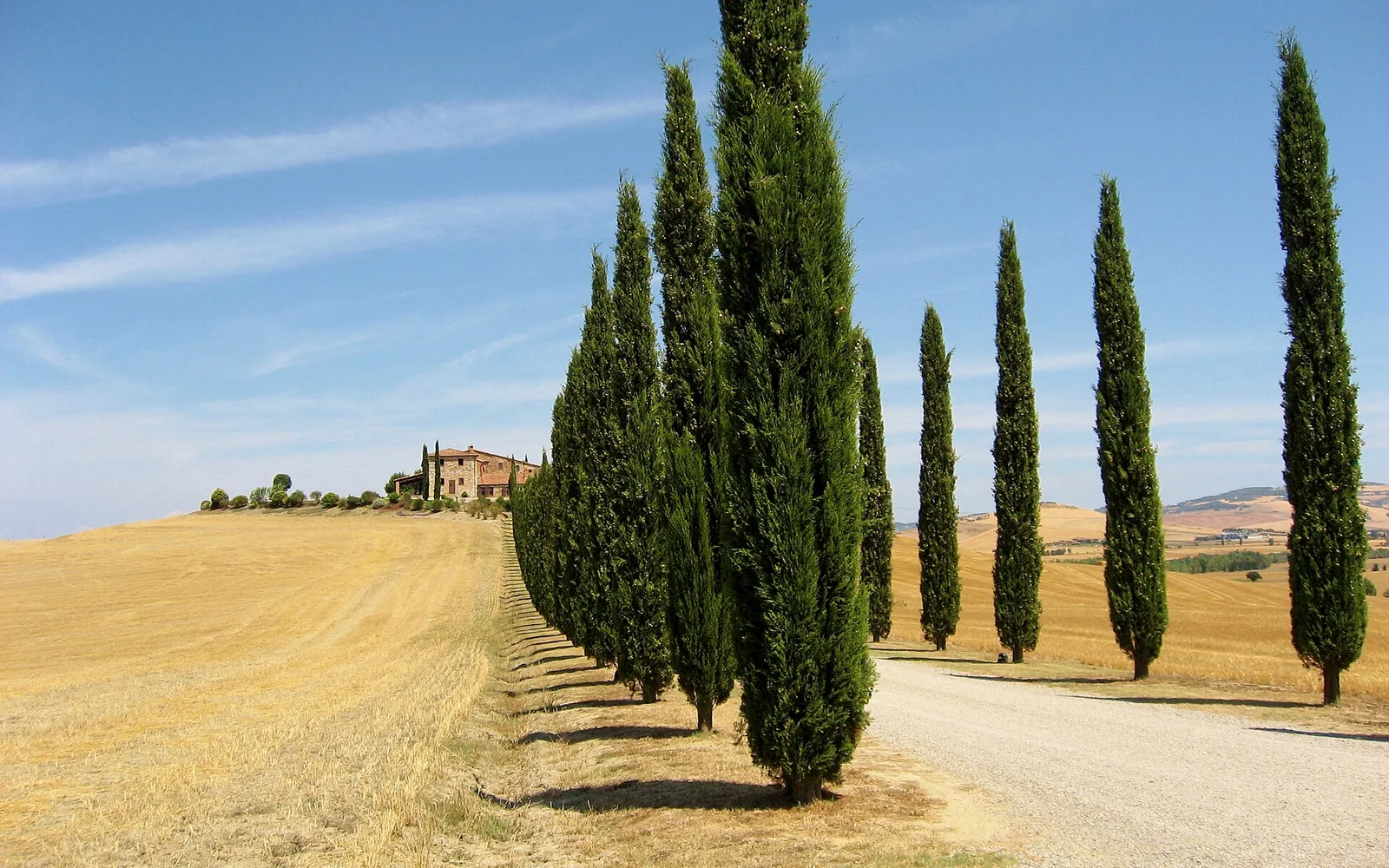
Tuscany is a region, not a day trip from Florence. Florence anchors the main art-city experience, while Siena, Lucca, Pisa, Arezzo, San Gimignano, the Val d’Orcia and the coast point toward different routes.
A week works best with two bases. Rail connects the larger cities, but many famous hill towns and rural stays require buses, a car or a planned transfer.
Plan the region
Tuscany is a region, not a day trip from Florence. Florence anchors the main art-city experience, while Siena, Lucca, Pisa, Arezzo, San Gimignano, the Val d’Orcia and the coast point toward different routes.
Choose where to spend your time
Places to explore
3 guides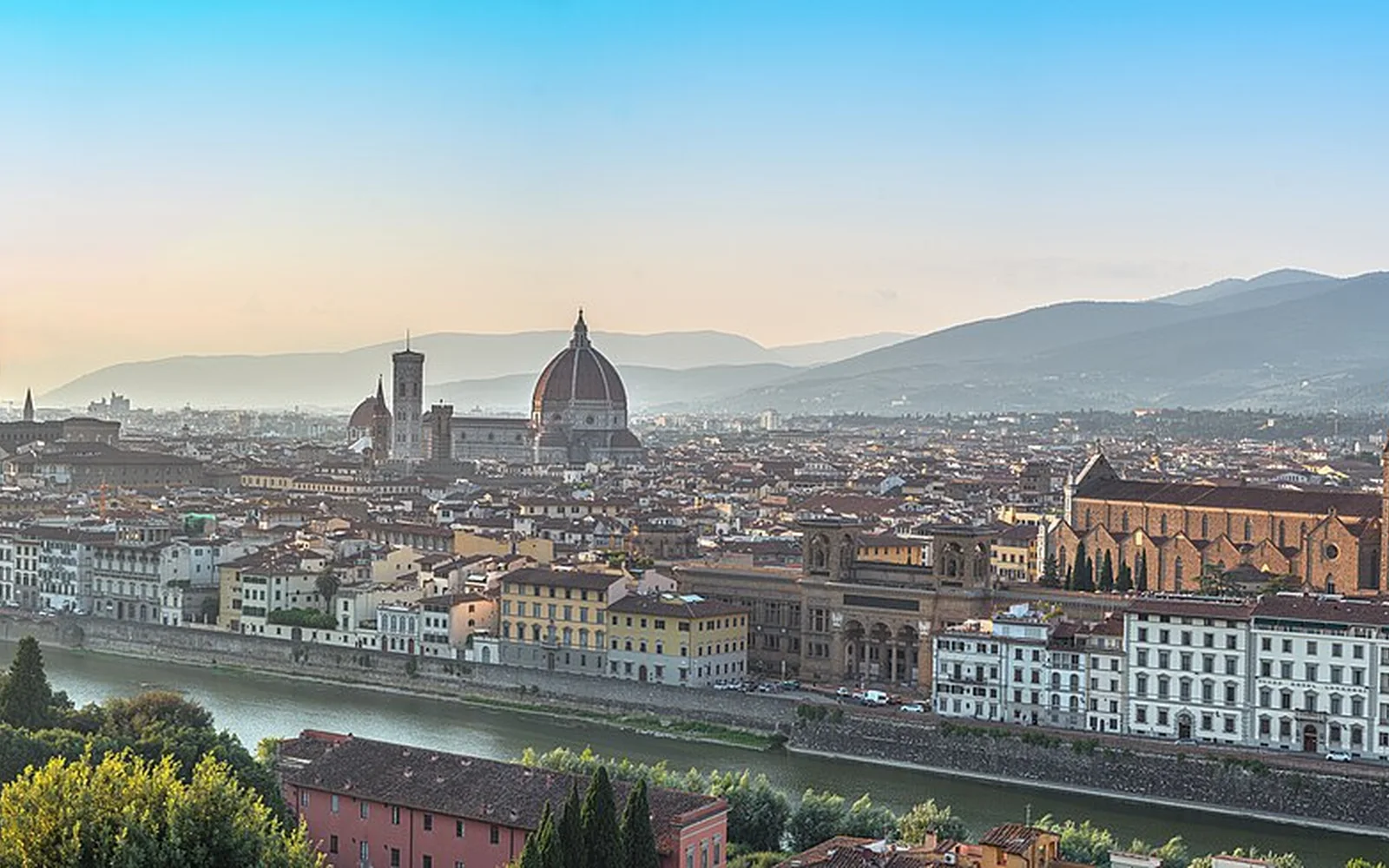
Florence
Florence concentrates Renaissance art, churches, palaces and river views in a compact centre that rewards careful museum planning.
Open guide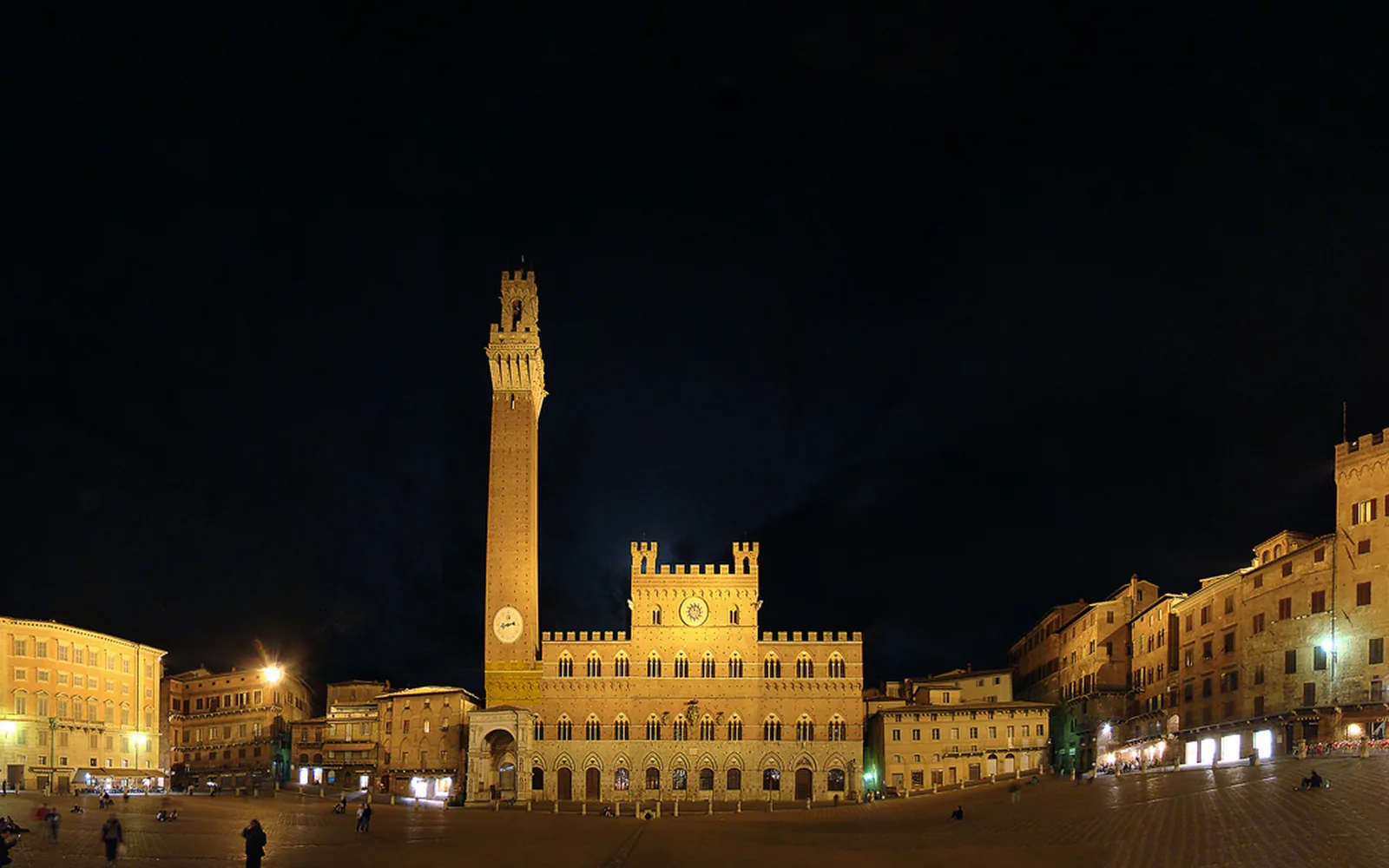
Siena
Siena’s sloping medieval streets lead to Piazza del Campo, a richly decorated cathedral and neighbourhoods shaped by the contrade.
Open guide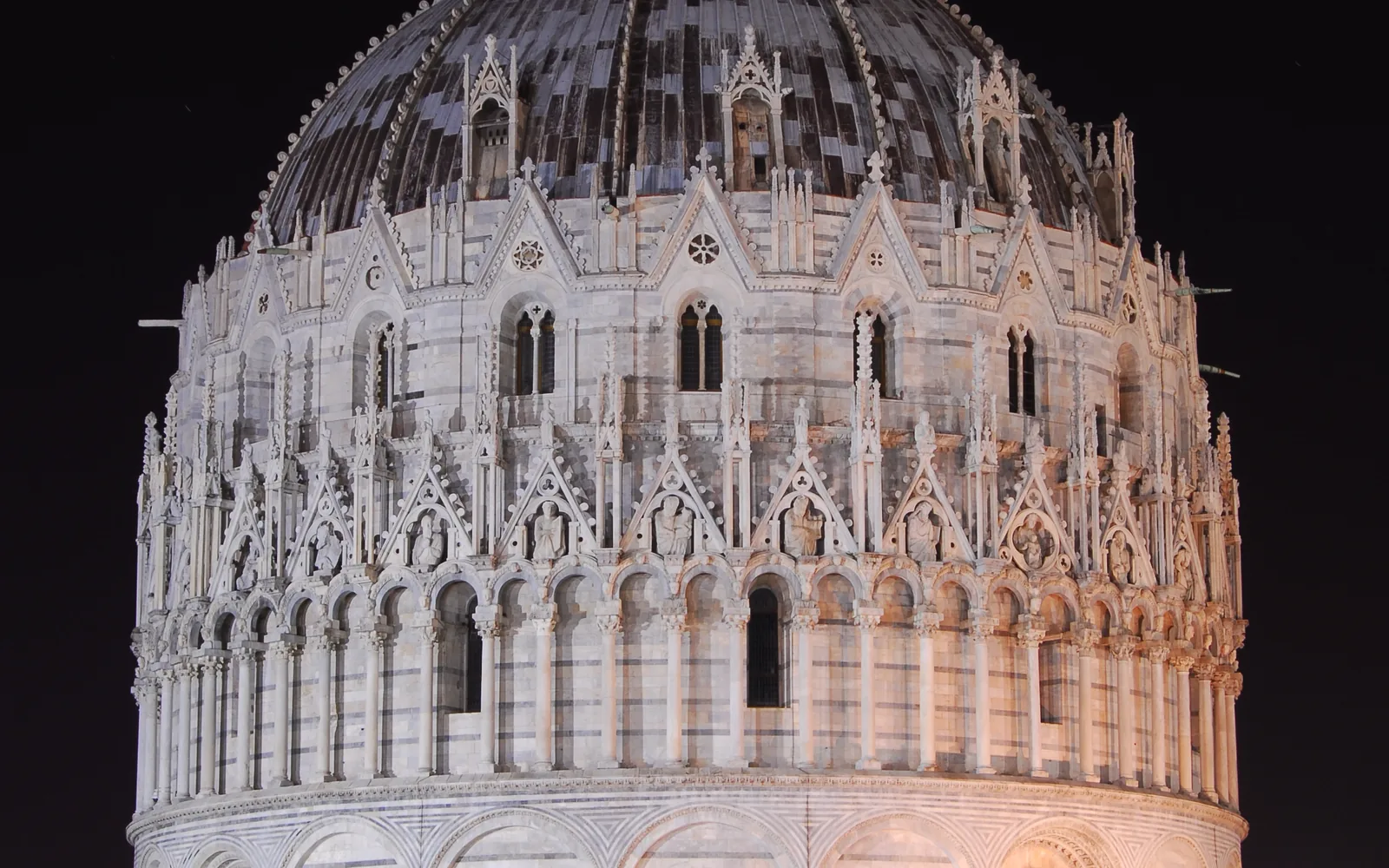
Pisa
Pisa pairs the monuments of Piazza dei Miracoli with an active university centre, Arno riverfront and medieval streets often missed on a tower-only visit.
Open guideBuild a coherent route
Plan by area
Florence
Florence concentrates Renaissance art, churches, palaces and river views in a compact centre that rewards careful museum planning.
Siena
Siena’s sloping medieval streets lead to Piazza del Campo, a richly decorated cathedral and neighbourhoods shaped by the contrade.
Pisa
Pisa pairs the monuments of Piazza dei Miracoli with an active university centre, Arno riverfront and medieval streets often missed on a tower-only visit.
See the main travel bases
See the main places in Tuscany
Loading the map…
Use the map to compare the main bases before planning local transport.
Match the route to your time
What fits into your trip
A practical first visit
Tuscany is a region, not a day trip from Florence. Florence anchors the main art-city experience, while Siena, Lucca, Pisa, Arezzo, San Gimignano, the Val d’Orcia and the coast point toward different routes.
Link the stops sensibly
Routes and day trips
Florence’s museums and streets need dedicated time. Use a second base for Siena, the Val d’Orcia or another rural area instead of returning through city traffic every day.
Suggested regional routes
Florence
Florence is compact, but its major collections require time. The cathedral complex, Uffizi, Palazzo Vecchio and Ponte Vecchio form a dense central route, while the Accademia and Santa Croce point in different directions.
Open destination guideSiena
Siena’s sloping medieval streets lead to Piazza del Campo, a richly decorated cathedral and neighbourhoods shaped by the contrade.
Open destination guidePisa
Pisa pairs the monuments of Piazza dei Miracoli with an active university centre, Arno riverfront and medieval streets often missed on a tower-only visit.
Open destination guideWider itineraries
These routes include Tuscany but continue to other parts of Italy.
Rome, Florence and Venice in nine daysTrips beyond the region
These trips use Tuscany as a starting point but cross into a neighbouring region.
Bologna from Florence by trainChoose transport by destination
Getting around Tuscany
Florence, Pisa, Lucca and Arezzo have useful train links. Siena and rural towns may need buses or slower connections.
Suggested stay
6 to 10 days
Best base
Florence, Siena, Lucca or a rural stay
Plan ahead
Museum bookings, rural transport and restricted driving zones
Choose dates that suit the route
When to visit
Bologna lies north of Florence, Rome to the south and Cinque Terre beyond Tuscany in Liguria. Each works better as an onward stay than a rushed regional loop.
Read the seasonal guide for ItalyAvoid common route problems
Planning checks
How many days do I need in Tuscany?
Six or seven days allow Florence and one second base. Ten days make room for a rural area plus another city or coast route.
Do I need a car in Tuscany?
Not for Florence and several rail-linked cities. A car is useful for rural stays and smaller hill towns, provided restricted zones and safe tasting transport are planned.
Is Florence the best base for all of Tuscany?
It is best for the north-central rail network and city sights. Siena or a rural base works better for southern landscapes and slower town routes.
Quick answers
Questions about Tuscany
How many days do I need in Tuscany?
Six or seven days allow Florence and one second base. Ten days make room for a rural area plus another city or coast route.
Do I need a car in Tuscany?
Not for Florence and several rail-linked cities. A car is useful for rural stays and smaller hill towns, provided restricted zones and safe tasting transport are planned.
Is Florence the best base for all of Tuscany?
It is best for the north-central rail network and city sights. Siena or a rural base works better for southern landscapes and slower town routes.
How this guide is checked
Sources and review
Reviewed 3 September 2026, next review due 3 March 2027. Services, access rules and opening arrangements can change, so check the official source before travel.
- Official Italian tourism information, Italian Ministry of Tourism
- Trenitalia passenger information, Trenitalia
- Official Florence visitor information, Municipality and Metropolitan City of Florence
- Official Tuscany visitor information, Toscana Promozione Turistica
- Italian cultural heritage information, Italian Ministry of Culture
Continue through Italy
Regions that connect naturally
Emilia-Romagna
Historic cities, food traditions and a straight rail corridor make Emilia-Romagna well suited to a city-based route.
Continue planning
See more of Italy
Use the country guide to compare Tuscany with other regions and destinations in Italy.