
Italy does not have one best month. Spring and early autumn suit many city and rail routes, while summer works better for high mountains and settled coast stays than for long days at exposed archaeological sites.
Choose the region before the month
The Alps, Po Valley, central hills, southern mainland and islands can have very different conditions on the same date. A national forecast is not enough for a route that crosses several regions.
Build the trip around its most weather-sensitive section, such as a high trail, ferry route or exposed archaeological site. Cities usually provide more useful alternatives when conditions change.
Use spring for mixed city routes
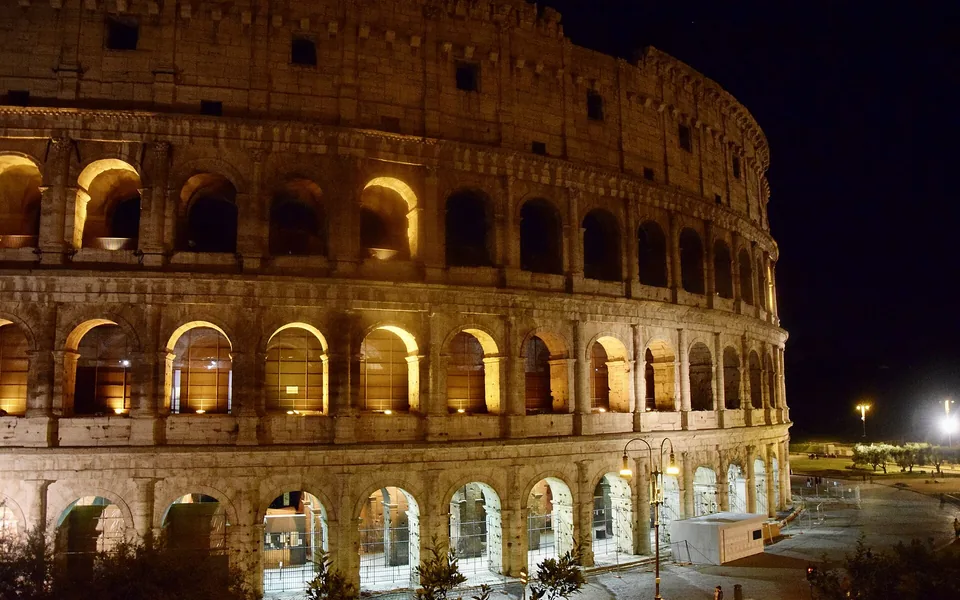
April and May support city walking, gardens and many lower countryside routes. Easter dates and public holidays can create heavy pressure on trains, rooms and religious sites.
March is less dependable for mountains and coast services. Treat it as a city and lower-level month unless current local information supports the outdoor plan.
Plan summer around heat and one base
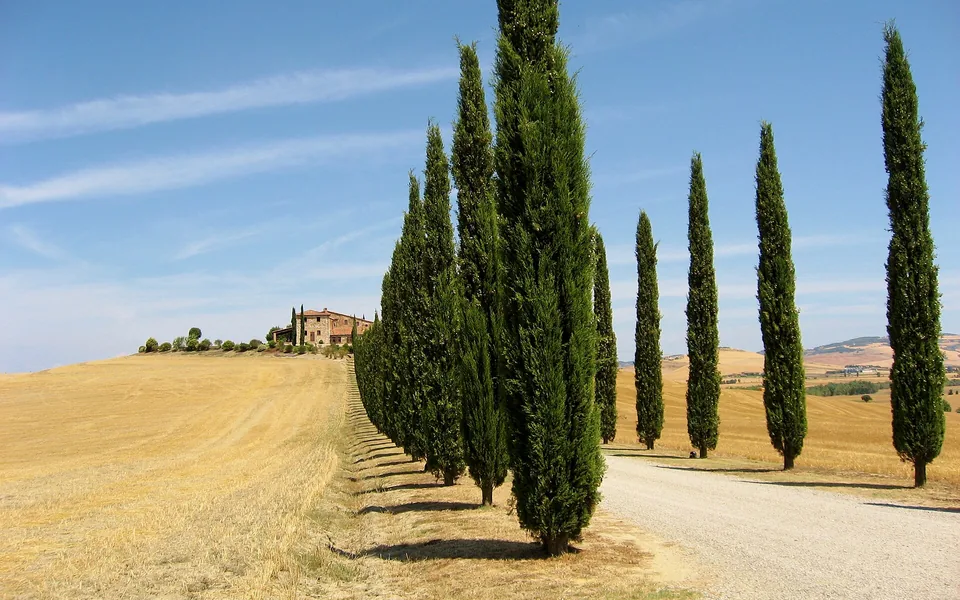
June can work for long mixed trips when outdoor visits start early. July and August need shorter exposed days, long midday breaks and close attention to official heat or wildfire guidance.
Coasts, islands and Alpine areas may be busy even when parts of a city feel quieter. A settled regional stay is more resilient than a chain of ferries, drives and timed entries.
Keep autumn routes flexible
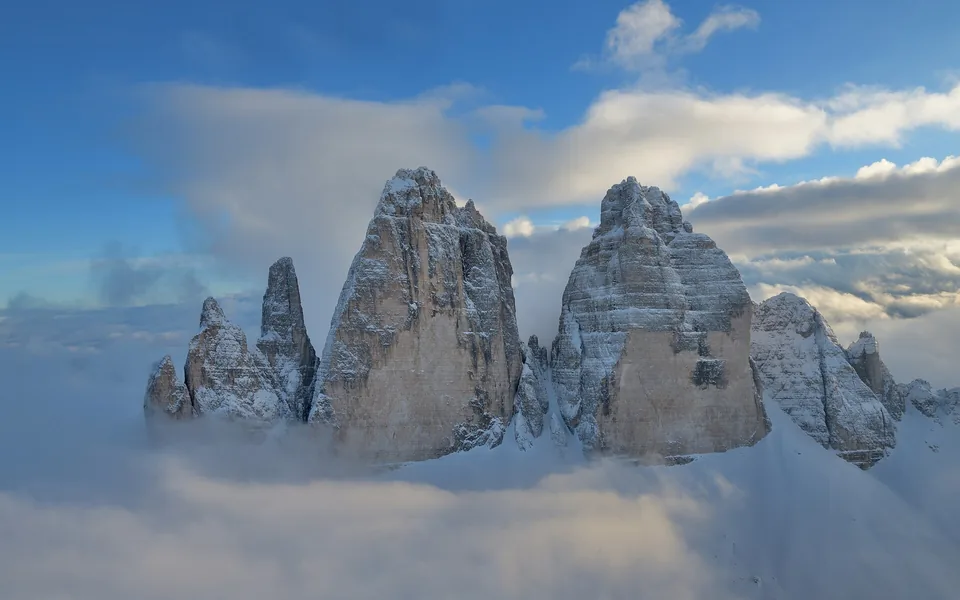
September often retains summer transport while easing some of the strongest heat. October suits many art cities and food regions, though shorter days and rain reduce the value of complicated outdoor routes.
Seasonal ferry, lift and accommodation patterns do not change everywhere at once. Check the selected region instead of relying on a general autumn rule.
Build winter trips around year-round places
Rome, Florence, Naples, Bologna and other major cities support museum-led trips in winter. Mountain resorts operate to their own snow and lift calendars, while high roads and hiking routes may be closed.
Christmas, New Year, Carnival and other named events can produce brief periods of intense demand. Confirm official dates and closures before using winter as a quiet-season assumption.
Match the season to an Italy route
Month-by-month guide
| Month | Good for | Main limitations | Crowds | Transport or access |
|---|---|---|---|---|
| January | Rome, Florence, Naples and museum-led city breaks. | Short daylight, rain and snow in northern or mountain areas narrow long outdoor days. | Demand is often manageable after the holiday period, with local peaks around events. | Check festive closures, winter attraction hours and high-route conditions. |
| February | Art cities, food-focused stays and quieter indoor visits. | Weather remains unsettled, and Carnival changes demand in Venice and selected towns. | Venice and other event centres can be very busy while many cities remain calm. | Confirm official Carnival dates, tickets and any local access arrangements. |
| March | Southern cities, lower-level walking and early spring cultural routes. | Rain remains possible, and Alpine trails or passes can still be under winter conditions. | Demand rises around weekends and any early Easter period. | Check mountain access and seasonal coastal services rather than assuming spring operation. |
| April | Rome, Florence, central regions, gardens and mixed rail routes. | Easter, public holidays and changeable rain can reshape transport and opening patterns. | Major art cities and religious centres can experience sustained visitor pressure. | Reserve route-critical trains and timed entries, then verify holiday opening hours. |
| May | City walking, Tuscany, lakes and many lower mountain routes. | Warm spells and busy public-holiday weekends reduce spontaneity in famous places. | High demand is common in major cities, lake towns and established countryside bases. | Book essential rooms and entries while leaving weather-dependent outdoor plans flexible. |
| June | Coasts, islands, lakes and long evenings after earlier city sightseeing. | Heat can make exposed ruins and historic centres demanding by midday. | Demand is high in art cities and rises quickly at coastal destinations. | Start exposed visits early and confirm ferries, trains and local access rules. |
| July | Alpine areas, lakes and stays built around one coast or island base. | Heatwaves and wildfire conditions can make central and southern outdoor plans unsafe. | Holiday areas and headline attractions operate under heavy summer pressure. | Follow official heat and civil-protection guidance and avoid fragile same-day connections. |
| August | Mountain stays, island holidays and coast trips with a settled base. | Heat, holiday traffic and local business closures can affect city routes. | Coasts and mountains are busy even when some urban neighbourhoods feel quieter. | Check holiday timetables, restaurant opening and every fixed transport connection. |
| September | Art cities, coast stays, food regions and national rail journeys. | Hot periods and storms remain possible, while seasonal operations begin to change later. | Popular cities stay busy before demand gradually eases in some regions. | Confirm later-month ferries, lifts and accommodation rather than assuming summer levels. |
| October | Rome, Florence, Bologna, southern cities and harvest-season countryside. | Shorter days and heavier rain can affect northern, coastal and mountain routes. | City demand is often moderate but school breaks and events create local peaks. | Check coastal boats, mountain lifts and weather-sensitive paths for the exact date. |
| November | Museums, food-led city stays and compact routes with indoor alternatives. | Rain, flooding and reduced daylight make exposed or transfer-heavy plans less reliable. | Many cities are calmer outside major events and holiday weekends. | Monitor local weather notices and use year-round transport and accommodation bases. |
| December | City museums, seasonal events and established winter mountain resorts. | Holiday closures, short days and snow disruption require extra travel margins. | Demand rises sharply around Christmas, New Year and named local events. | Verify festive opening hours, rail schedules and current mountain conditions. |