
Start with the essentials
Plan Corsica at a glance
- Useful bases
- Ajaccio, Bastia, Bonifacio or Corte
- Useful time
- 7 to 12 days
- Main transport
- Car, limited rail and buses
- Car use
- Usually helpful
- Main limit
- Slow mountain roads and seasonality
About Corsica
Why explore Corsica
Corsica changes rapidly between port towns, limestone cliffs, sandy bays, chestnut country and high mountain valleys. That variety supports several different holidays, from a rail-linked city and interior route to a longer coast journey.
The island is most rewarding when the plan accepts its geography. Narrow roads, steep sections and busy summer traffic make daily distance a poor measure of travel effort, while mountain weather can differ sharply from the coast.
Plan the region
Choose one side of Corsica for a week, or use two or three bases over ten to twelve days. Ajaccio and Bastia work as arrival cities, Bonifacio deserves a southern section, and Corte provides access to the interior.
Book the main flight or ferry first, then shape the route around that arrival and departure. Avoid a final long island crossing before a fixed sailing or flight.
Choose where to spend your time
Places to explore
4 guides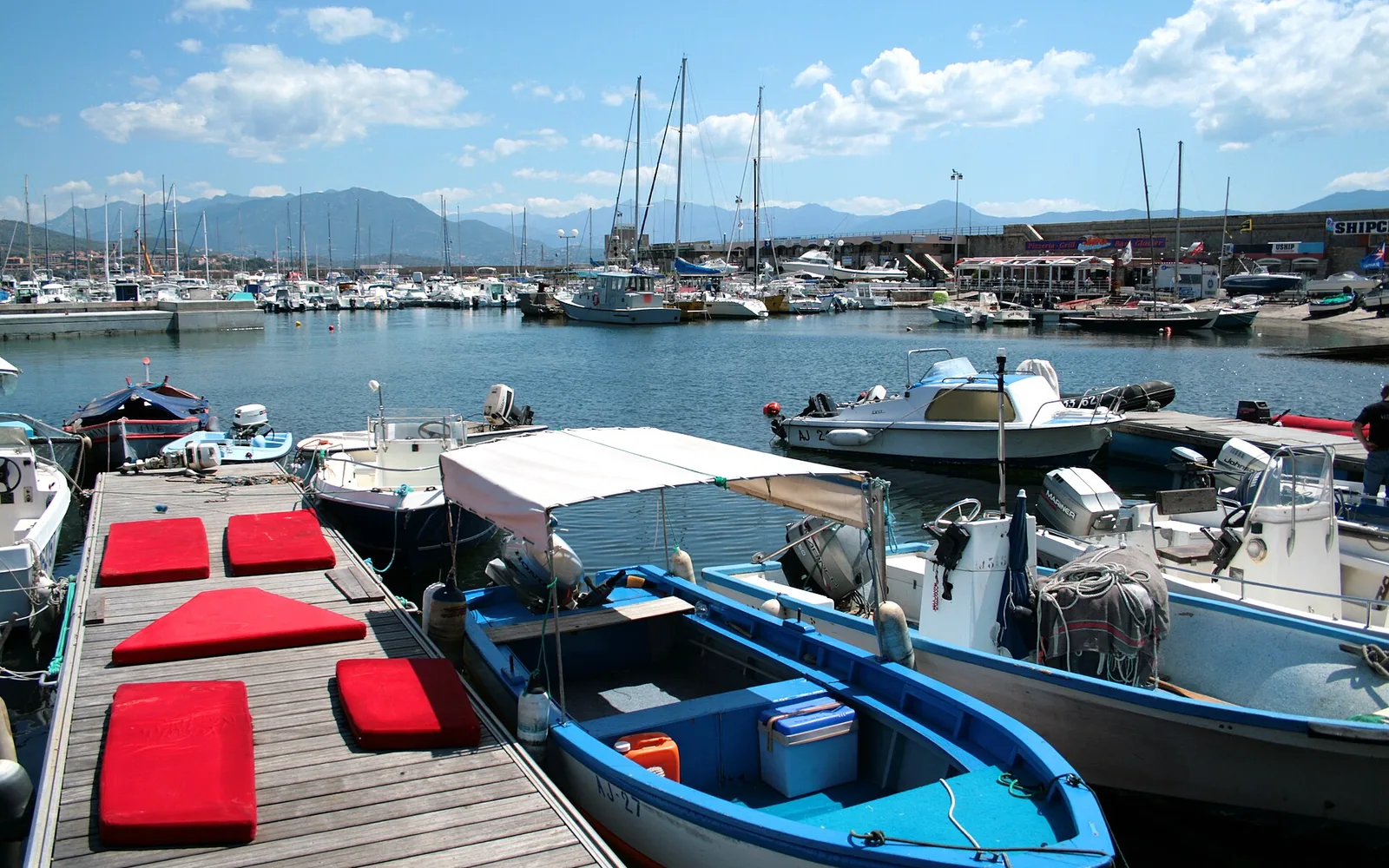
Ajaccio
Corsica’s western capital combines a compact centre, Napoleonic history, a working port and access to beaches and the Gulf of Ajaccio.
Open guide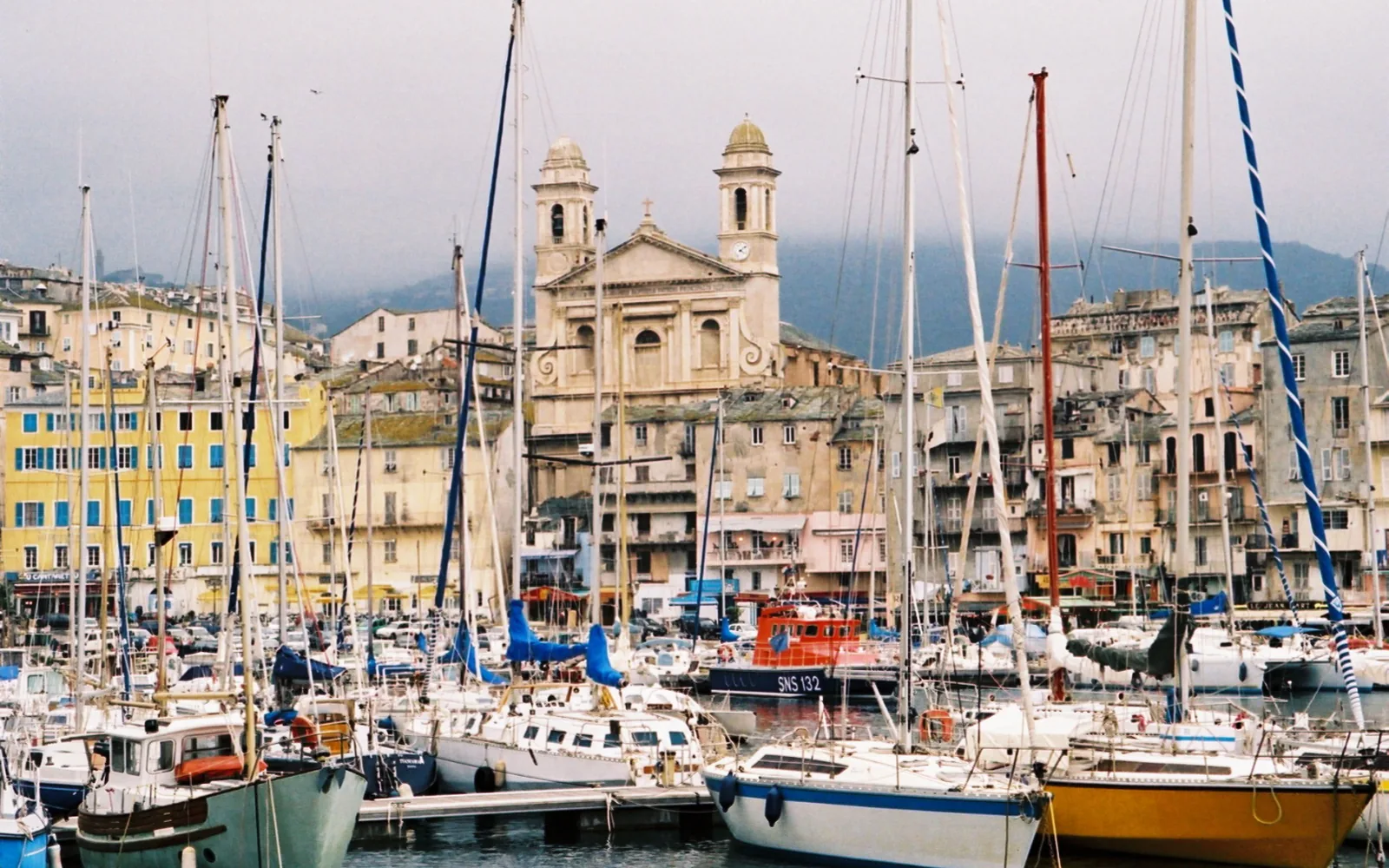
Bastia
A northern Corsican port city of old harbour streets, Baroque churches and hillside districts, well placed for Cap Corse and island rail journeys.
Open guideBonifacio
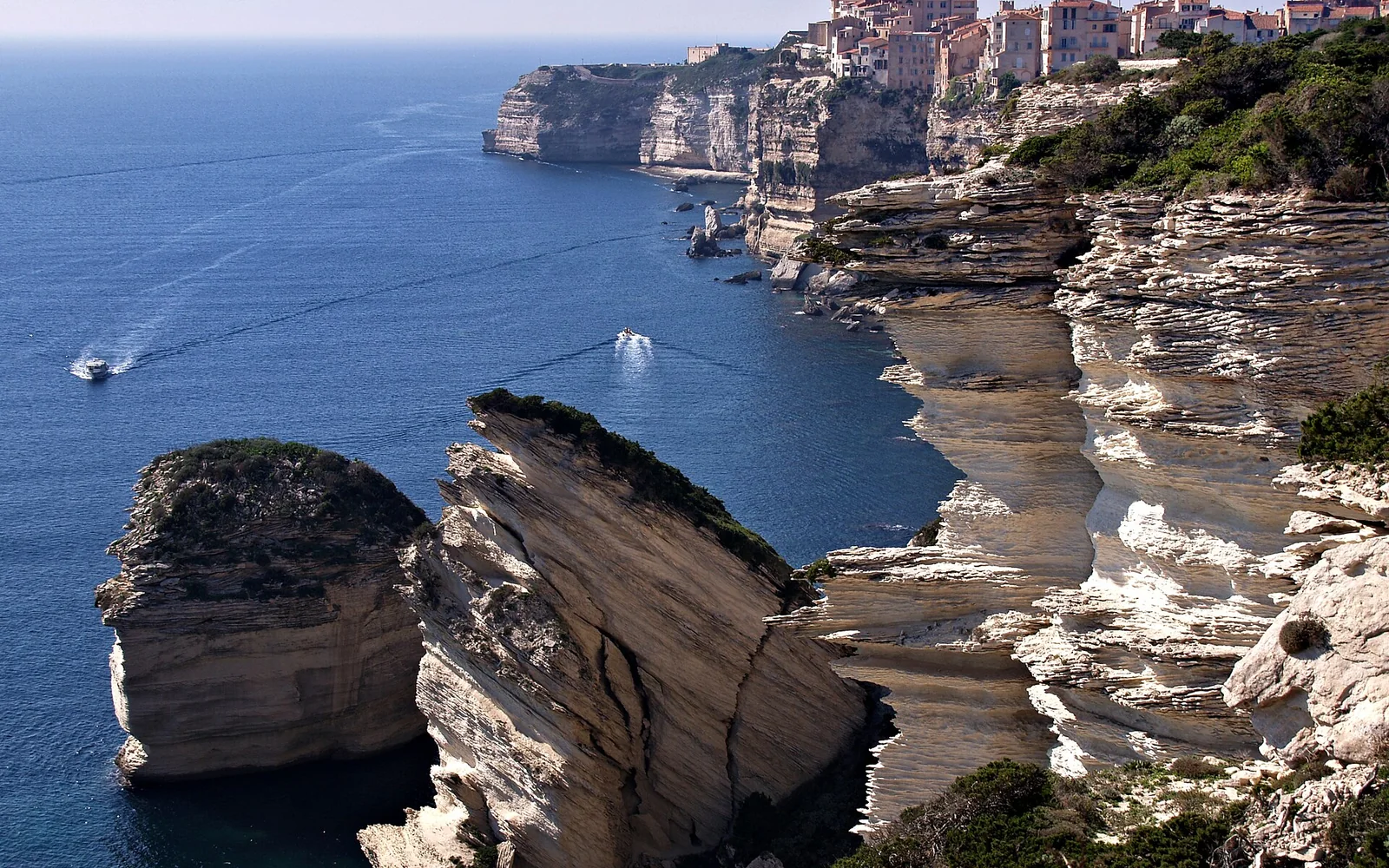
A dramatic southern Corsican town split between a limestone-cliff citadel and marina, with boat trips and beaches shaped by wind and season.
Open guide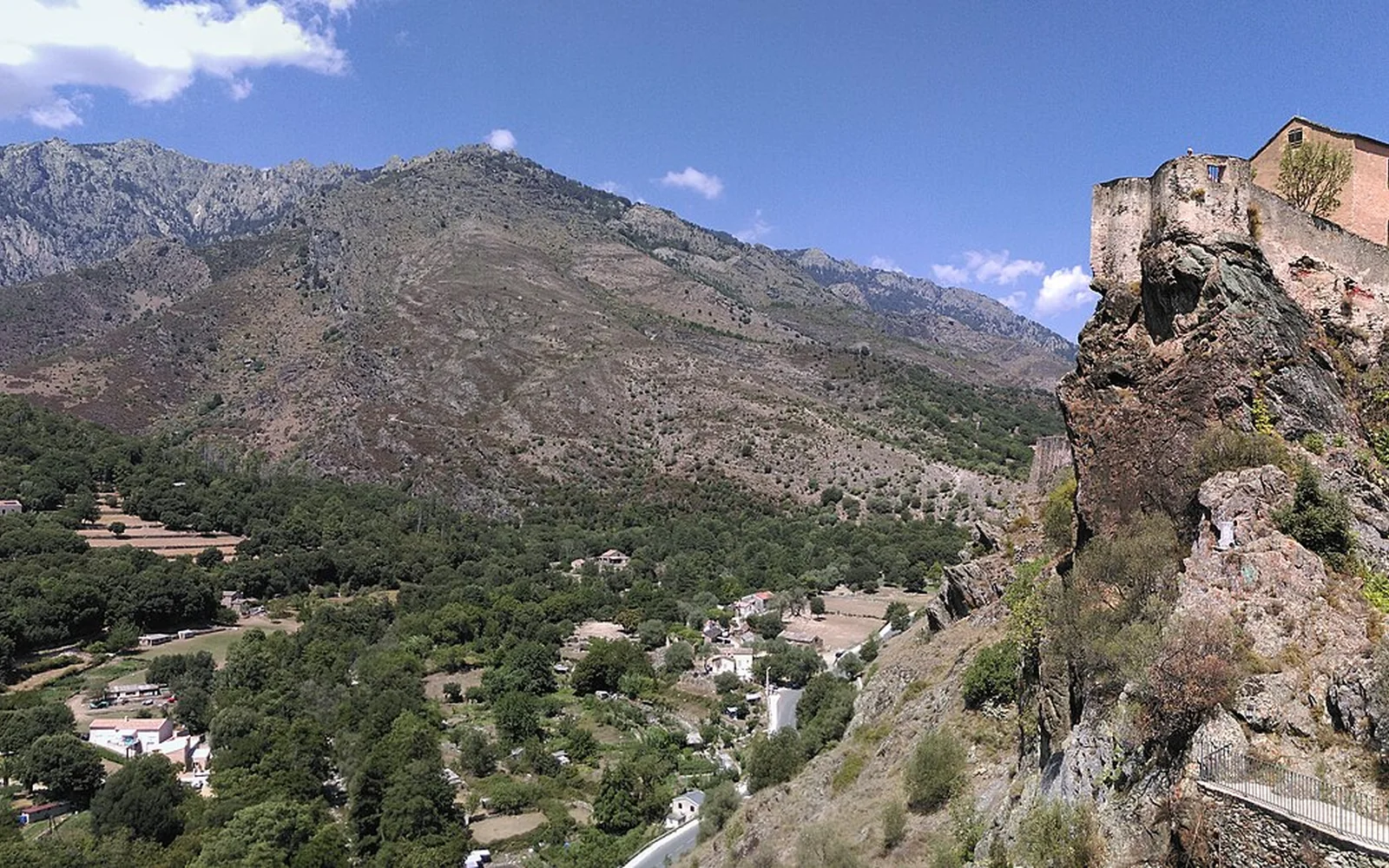
Corte
Corsica’s mountain-centre town combines a citadel, island history and rail access with demanding valleys and trailheads beyond the walkable core.
Open guideBuild a coherent route
Plan by area
Ajaccio and the west
The capital combines museums, markets and a broad gulf, with road and boat routes towards a dramatic western coast.
Bastia and the north
Bastia’s old port and historic centre form a practical gateway to Cap Corse and northern arrival routes.
Bonifacio and the far south
The clifftop old town, harbour and marine setting need at least a full day and work best within a southern stay.
Corte and the interior
Corte brings mountain history and trail access, with rail links but no substitute for checking current hiking conditions.
See the main travel bases
See the main Corsica bases covered here
Loading the map…
Ajaccio and Bastia anchor opposite sides of the island, Bonifacio sits in the far south and Corte opens the interior. A short trip should not attempt all four.
Match the route to your time
What fits into your trip
One part of the island
Stay around Ajaccio, Bastia, the far south or the central mountains and explore that area properly. Five days are not enough for a satisfying circuit of Corsica once arrival time and slow roads are included.
Two connected bases
Combine Ajaccio with Corte, Bastia with Corte, or a southern coast base with Bonifacio. Keep at least three nights in the main base and avoid crossing the island merely to tick off a famous town.
A measured island route
Use three bases linked in one direction, with a quieter day between the longest drives. This supports coast, city and interior time while leaving enough room for mountain weather, boat changes or a slower road.
Link the stops sensibly
Routes and day trips
Build Corsica in one direction from the booked arrival point. The island is a set of regions joined by demanding roads, not a quick ring route.
Suggested regional routes
Ajaccio and the gulf
Explore the city first, then choose one west-coast road or boat outing according to conditions.
Open destination guideBastia and the northern gateway
Give the old port and centre time before using one day for a selected section of Cap Corse or nearby coast.
Open destination guideBonifacio and the southern cliffs
Allow a full day for the upper town and harbour, then add a marine or beach plan only if weather and access work.
Open destination guideCorte and the interior
Use one day for the town and citadel, then attempt a trail only with suitable transport, weather and equipment.
Open destination guideChoose transport by destination
Getting around Corsica
A limited rail network links Ajaccio, Corte, Bastia and selected stops. Buses vary by route and season, while driving gives reach at the cost of slow, demanding roads.
Rail
Useful between Ajaccio, Corte and Bastia for a focused route. It does not serve Bonifacio or most beach and mountain areas.
Buses and boats
Check dated schedules and return conditions. Summer services can help, but they do not create a complete island network.
Car
Allow more time than the distance suggests, avoid overlong days and reserve parking and accommodation early in peak season.
Choose dates that suit the route
When to visit
May, June, September and early October often balance coast access and manageable demand. July and August bring heat, traffic and tight accommodation.
High mountain routes can hold snow or face sudden weather outside summer. Ferry and boat plans always need a land alternative.
Read the seasonal guide for FranceAvoid common route problems
Planning checks
Believe the road time
Mountain bends, traffic and town approaches make a short distance a substantial drive.
Do not tour the whole island in a week
Choose one side or two connected bases and spend the saved time outside the car.
Protect the departure day
Sleep near the final airport or ferry port instead of relying on a long same-day crossing.
Quick answers
Questions about Corsica
How many days do I need in Corsica?
A week suits one part of the island. Ten to twelve days support a measured route through two or three areas.
Do I need a car?
Usually yes for beaches and rural areas. A rail-focused Ajaccio, Corte and Bastia trip is possible without one.
Should I arrive by ferry or plane?
Choose according to the planned first base, schedule and vehicle needs. Fix the arrival point before designing the route.
Can I include Bonifacio on a northern trip?
Only with enough days and a southern base. A quick return from the north wastes much of the day.
How this guide is checked
Sources and review
Reviewed 2 September 2026, next review due 2 March 2027. Services, access rules and opening arrangements can change, so check the official source before travel.
- Official French rail journey planner, SNCF Connect
- Official accessible travel guidance for France, Atout France
- Official Corsica visitor information, Corsica Tourism Agency
- Official Corsica transport information, Corsica Tourism Agency
Continue through France
Regions that connect naturally
Provence-Alpes-Côte d’Azur
Mediterranean cities, inland Provence, the Riviera and Alpine districts share one large region with very different travel patterns.
French Riviera
The French Riviera is a dense Mediterranean coast where rail-linked cities, old ports and hill towns need different transport plans.
Provence
Provence combines Roman cities, market towns, limestone hills and rural landscapes where the choice of base matters more than distance on a map.
Continue planning
See more of France
Use the country guide to compare Corsica with other regions and destinations in France.