
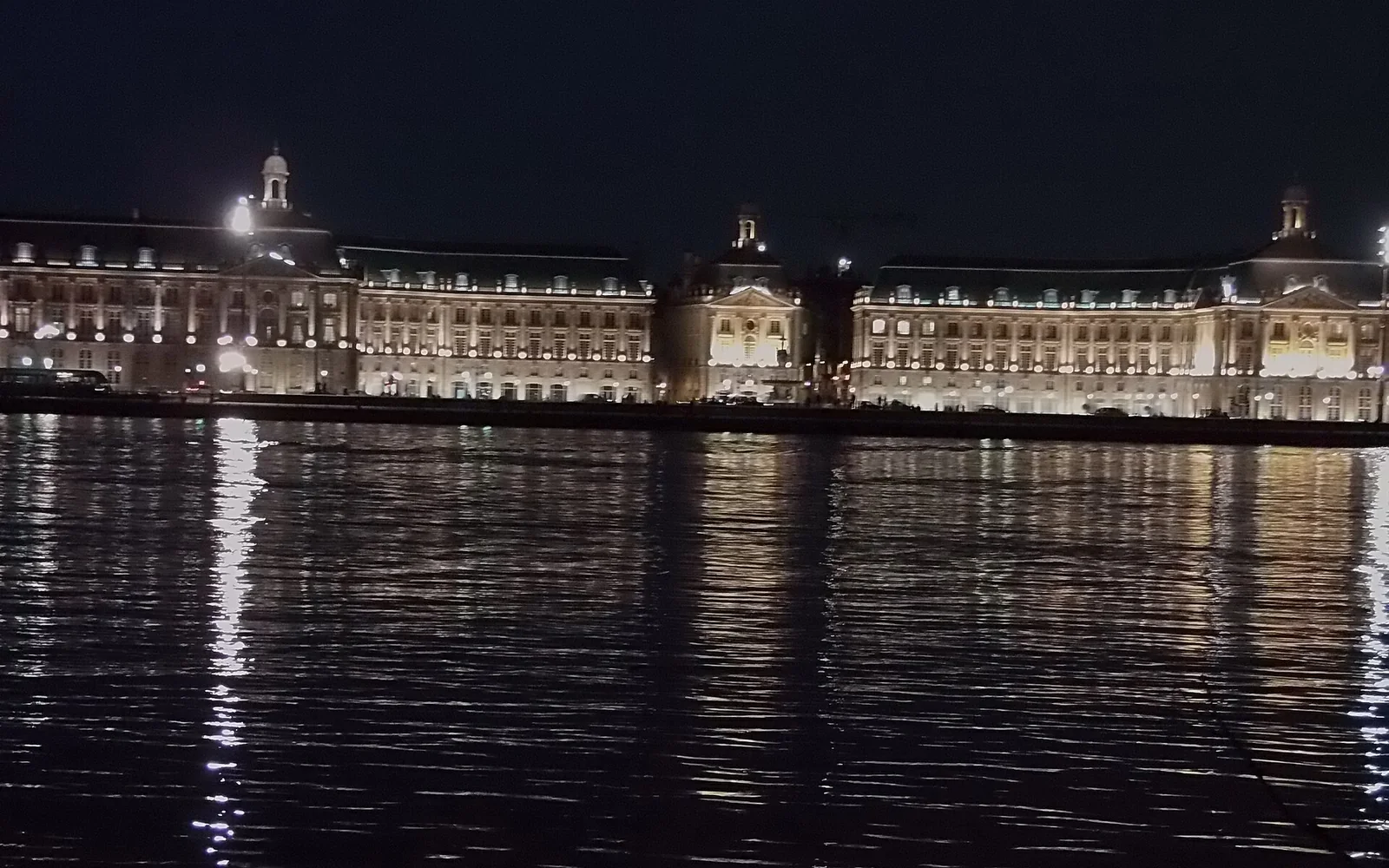
Bordeaux’s central sights spread between Place de la Bourse, the cathedral area, old gates, Chartrons and the Garonne waterfront. The tram makes a broad city route practical without a car.
Wine is part of the city’s history, but the vineyards are separate destinations. Use one reserved regional day rather than expecting to visit several estates between city attractions.
Walk from the river inward
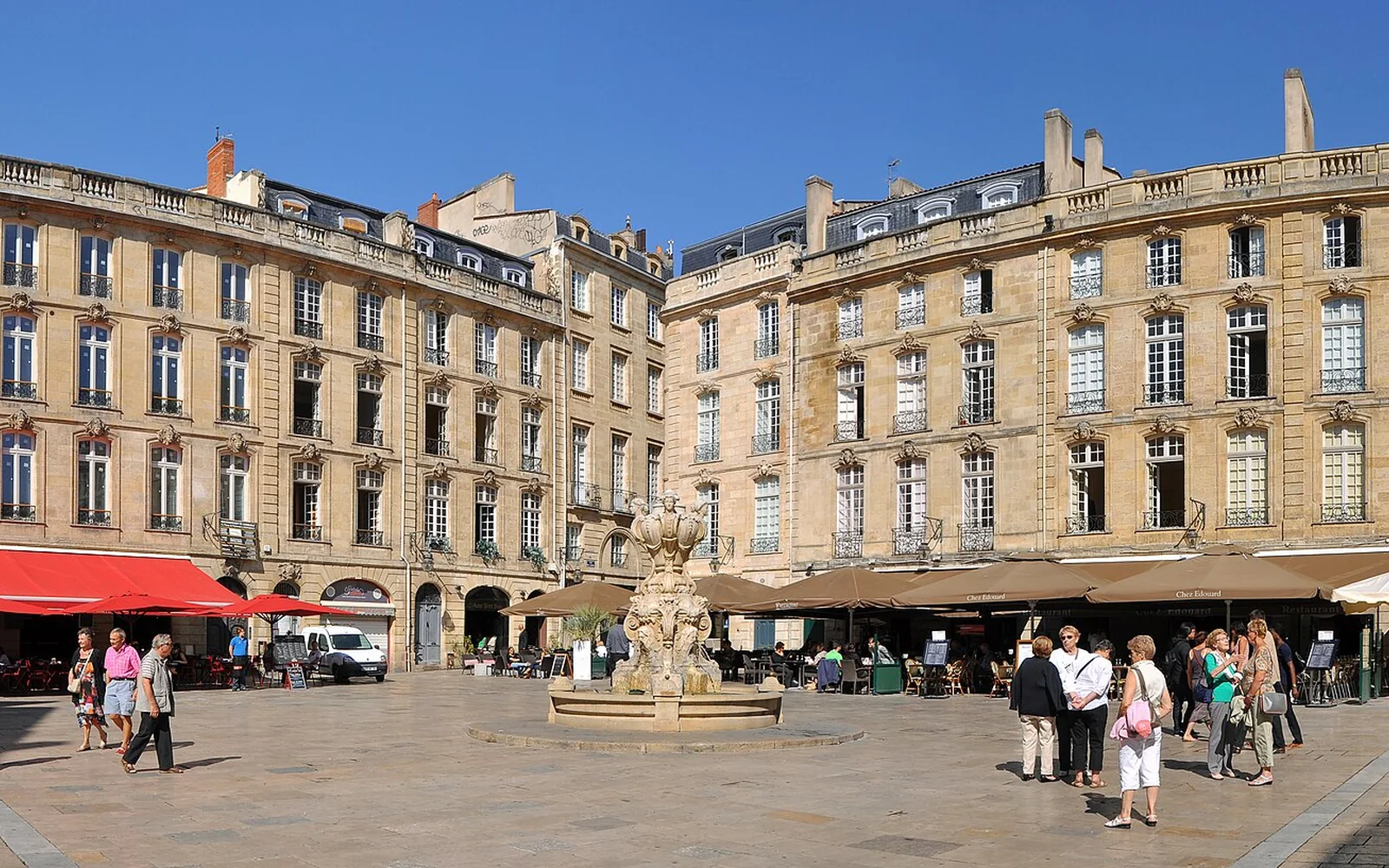
The waterfront gives the clearest orientation before a route through Saint-Pierre, the cathedral quarter and the city gates.
Use Chartrons for a slower day
The northern district adds markets, shops and wine-trade history away from the densest central streets.
Choose one wine-country plan
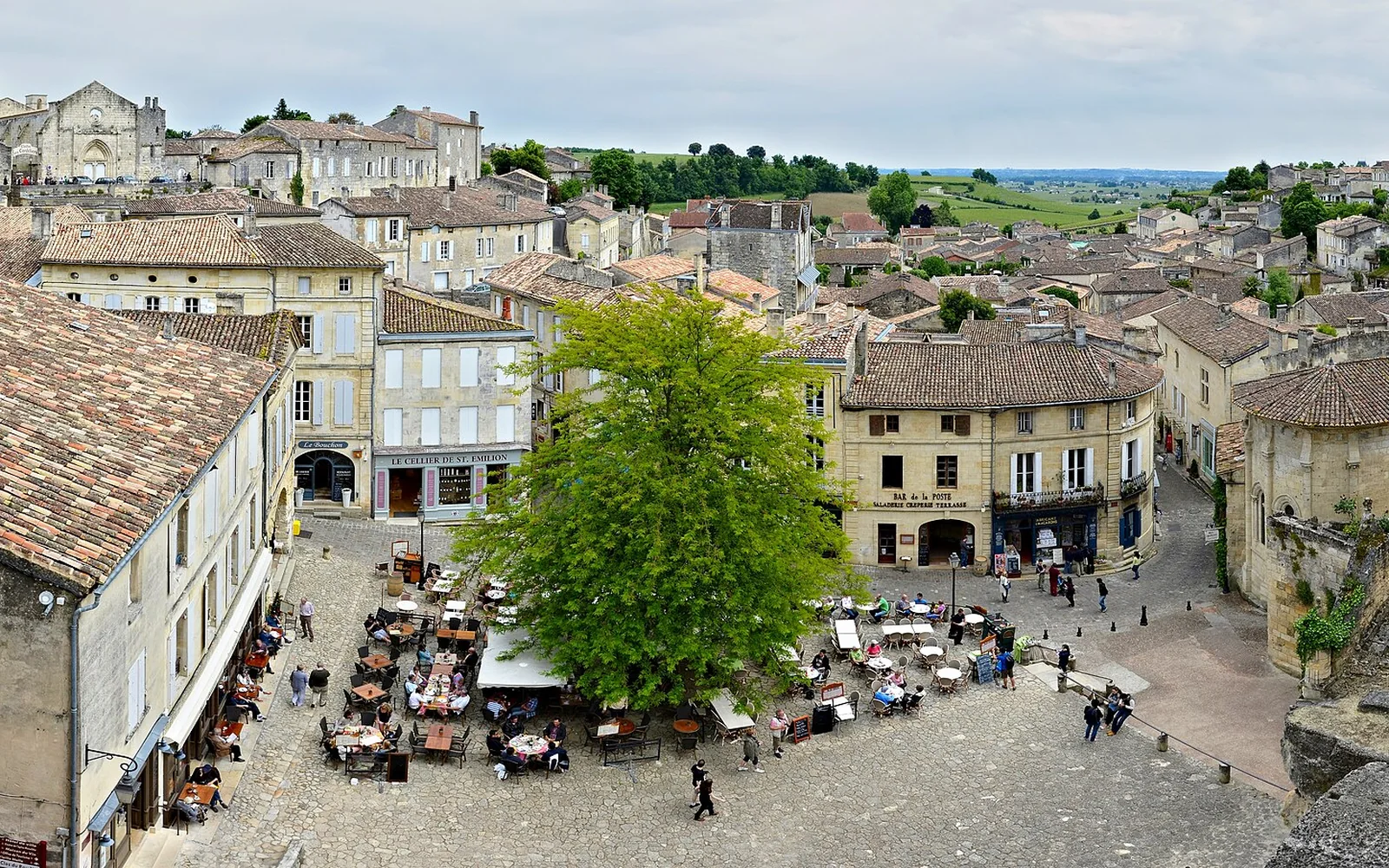
Saint-Émilion has rail access, while rural estates around other appellations often require reservations and arranged transport.
A practical itinerary
- Day 1: walk the riverfront, Place de la Bourse and Saint-Pierre.
- Day 2: visit a museum, cathedral area and Chartrons.
- Day 3: take a planned wine-country or Arcachon Bay outing.
- Day 4: add cycling, markets or a slower city day.
Getting there
Bordeaux Saint-Jean is the main rail station, south of the centre with tram and bus links. The airport uses separate public transport routes. Leave time for station work or transfers.
Getting around
Trams, buses and cycling cover most visitor areas. The historic centre is mainly flat and walkable, though stone paving and long distances can still matter.
Food to look for
Regional menus include canelés, seafood from the Atlantic side, market produce and dishes associated with the wider southwest. Wine should be approached with food, transport and responsible drinking in mind.
When to visit
Spring and autumn suit city walking and vineyard landscapes. Summer can be hot and busy. Harvest timing and estate access vary, so confirm visits directly.
Accessible travel
Modern trams and broad riverfront routes support many accessible journeys, but individual monuments and older paving differ. The tourist office should be used for current venue details.
Practical limits
Never combine drinking and driving. Estate opening is not guaranteed without a reservation, and distance between appellations makes a long checklist impractical.
Nearby places
Saint-Émilion and Arcachon Bay fit different day trips. Dordogne and the Basque coast are better as onward stays.
Places to add to your map
- Place de la Bourse: Riverfront landmark in central Bordeaux.
- Saint-Pierre: Historic streets behind the quays.
- Chartrons: Northern district linked to wine trade history.
Open the route planner to place these stops in a wider France trip.
Continue planning
Questions about Bordeaux
How many days are enough for Bordeaux?
Two full city days cover the centre and riverfront. Add a third or fourth day for a vineyard, Arcachon Bay or a slower museum day.
Can I visit Bordeaux wine country without a car?
Yes for selected towns and organised visits. Many rural estates still need a booking and planned transport from a station or city meeting point.
Is central Bordeaux walkable?
Yes. The centre is mostly compact and flat, with trams useful for the station, outer districts and reducing long walks.
Sources and updates
This guide was last reviewed on 28 August 2026. Transport, access and opening arrangements can change, so check the official source before travel.
- Official French rail journey planner, SNCF Connect
- Official accessible travel guidance for France, Atout France
- Official Bordeaux visitor information, Bordeaux Tourism and Conventions