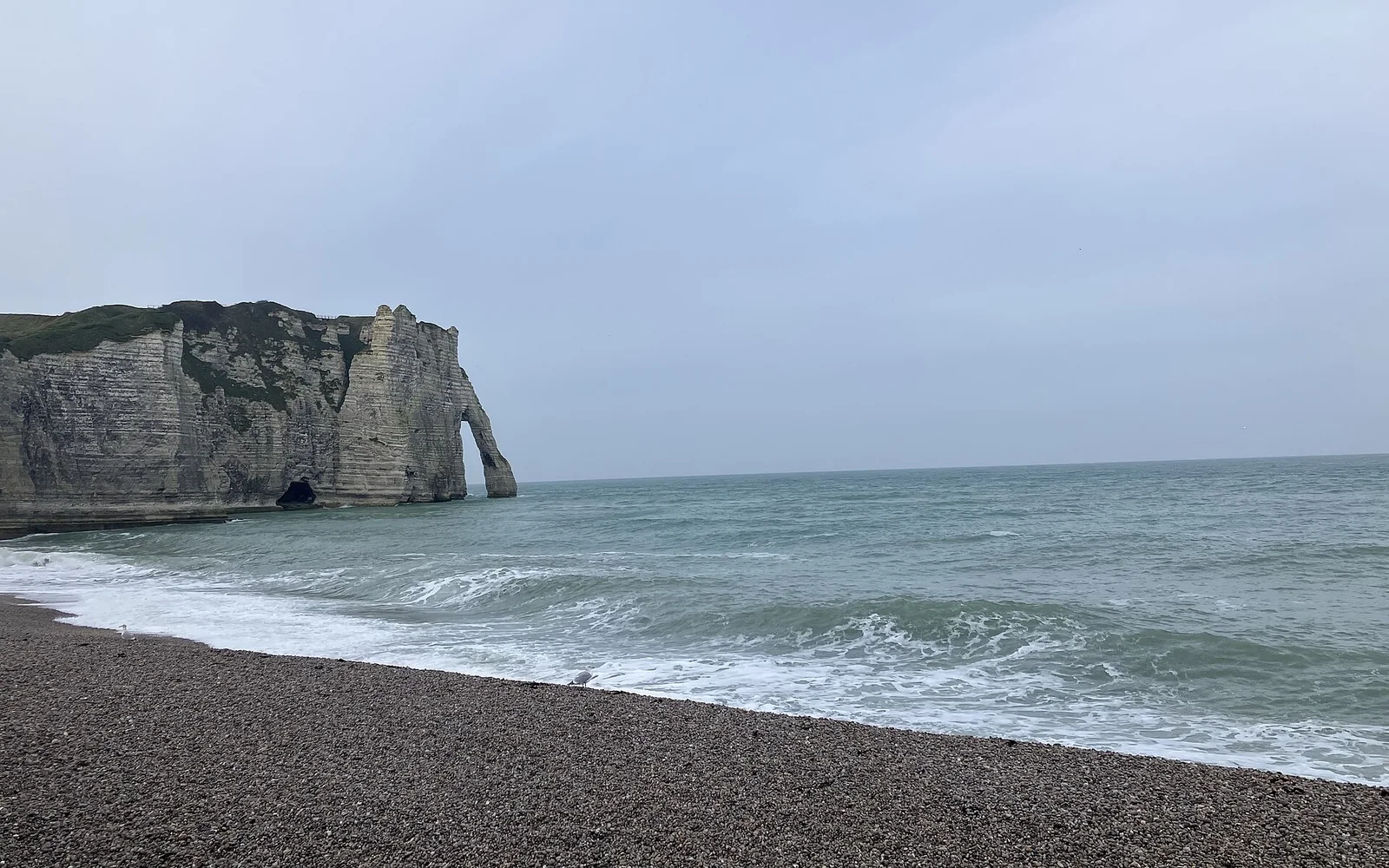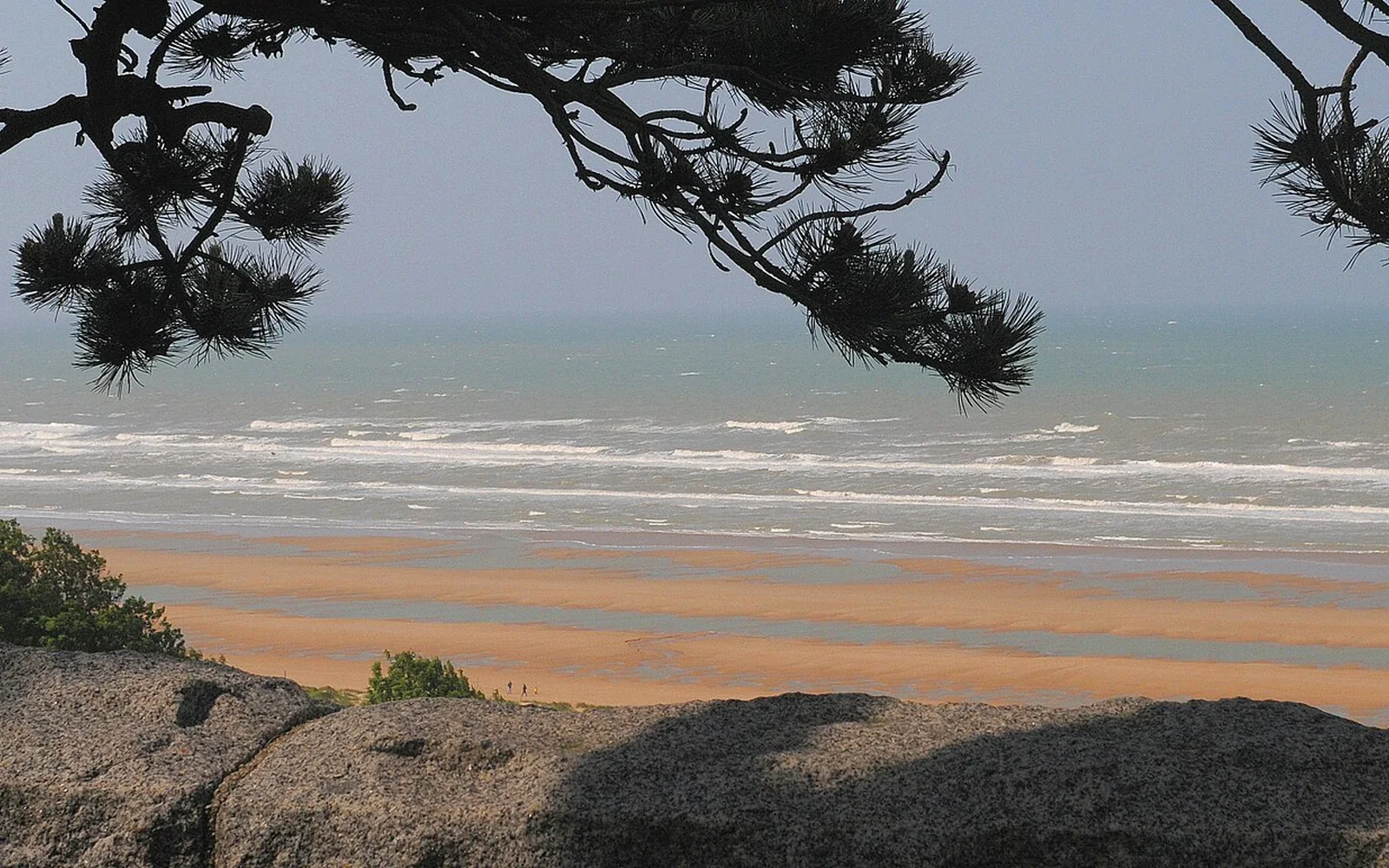
The D-Day Landing Beaches stretch across a broad part of the Normandy coast. Utah, Omaha, Gold, Juno and Sword each connect with different museums, memorials and towns. The area was added to the UNESCO World Heritage List in 2026, but its purpose remains remembrance and historical understanding. Choose one or two sectors for a day.
Choose sectors before transport
The five landing beaches cover a long coastline. Omaha and Pointe du Hoc form one possible western focus, while Gold and Juno can support a central route. Utah lies farther west, and Sword points toward Caen. Selecting sites first prevents a day spent driving past places that deserve time.
Use Bayeux or Caen as a base
Bayeux works well for many western and central tours, while Caen has wider rail links and access toward the eastern sector. Carentan is useful for selected western sites. None places every beach within a short local walk, so match the base to the chosen museums and memorials.
Limit the museum list
Museums differ in national perspective, scale and subject. One substantial museum, a cemetery or memorial, and selected landscape stops can fill a thoughtful day. Check opening dates and last admission, especially outside summer, and leave time to read rather than moving through displays on a fixed stopwatch.
Visit as a place of remembrance
The coast is also home to communities, working farmland and active beaches. Cemeteries and memorials require quiet, respectful behaviour. Stay on public routes, follow local rules and avoid treating bunkers or graves as props. Weather can be severe even when the inland day appears calm.
Plan car-free travel honestly
Regional initiatives and seasonal buses make selected sites accessible from Caen, Bayeux or Carentan, while guided tours solve many dispersed connections. Services do not cover every location year-round. Verify the exact date and return instead of assuming a single coast bus links the whole area.
Allow more than one day for breadth
A focused day can explain one or two connected sectors. Two days support a western and central split, with a museum and memorial in each. Three days allow a slower route without reducing Bayeux or Caen to a hotel, but the itinerary should still avoid collecting every marked site.
Continue planning
Questions about D-Day Landing Beaches
Can I see all five landing beaches in one day?
Not meaningfully. Choose one or two sectors and allow time for a museum, memorial and the landscape.
Do I need a car?
A car or guided tour gives the widest access. Selected sites can be reached by seasonal public transport from regional stations.
Is Bayeux a good base?
Yes for many central and western sites, especially when joining a guided tour. Caen suits some eastern routes.
How many museums should I visit?
One substantial museum per day is often enough when cemeteries, memorials and travel time are included.
Sources and updates
This guide was last reviewed on 2 September 2026. Transport, access and opening arrangements can change, so check the official source before travel.
- Official Normandy visitor information, Normandy Tourism
- Regional train travel in France, SNCF Connect
- Bayeux and Bessin visitor information, Bayeux Bessin Tourism
- D-Day Landing Beaches, Normandy Tourism
Related places to consider
These guides can help you place D-Day Landing Beaches within a wider route.