Mulhouse offers a different Alsace experience from Strasbourg and Colmar. Its strongest attractions explore railways, cars, textiles and industrial history, while Place de la Réunion anchors a small historic centre. The museums are spread out, so local transport and opening days matter more than old-town walking alone.
Choose one major museum per half-day
The Cité du Train and National Automobile Museum are both large collections outside a simple old-town loop. Each can absorb several hours, especially for visitors with a strong interest in transport history. Check opening days and place them on separate parts of the itinerary.
Use the historic centre between visits
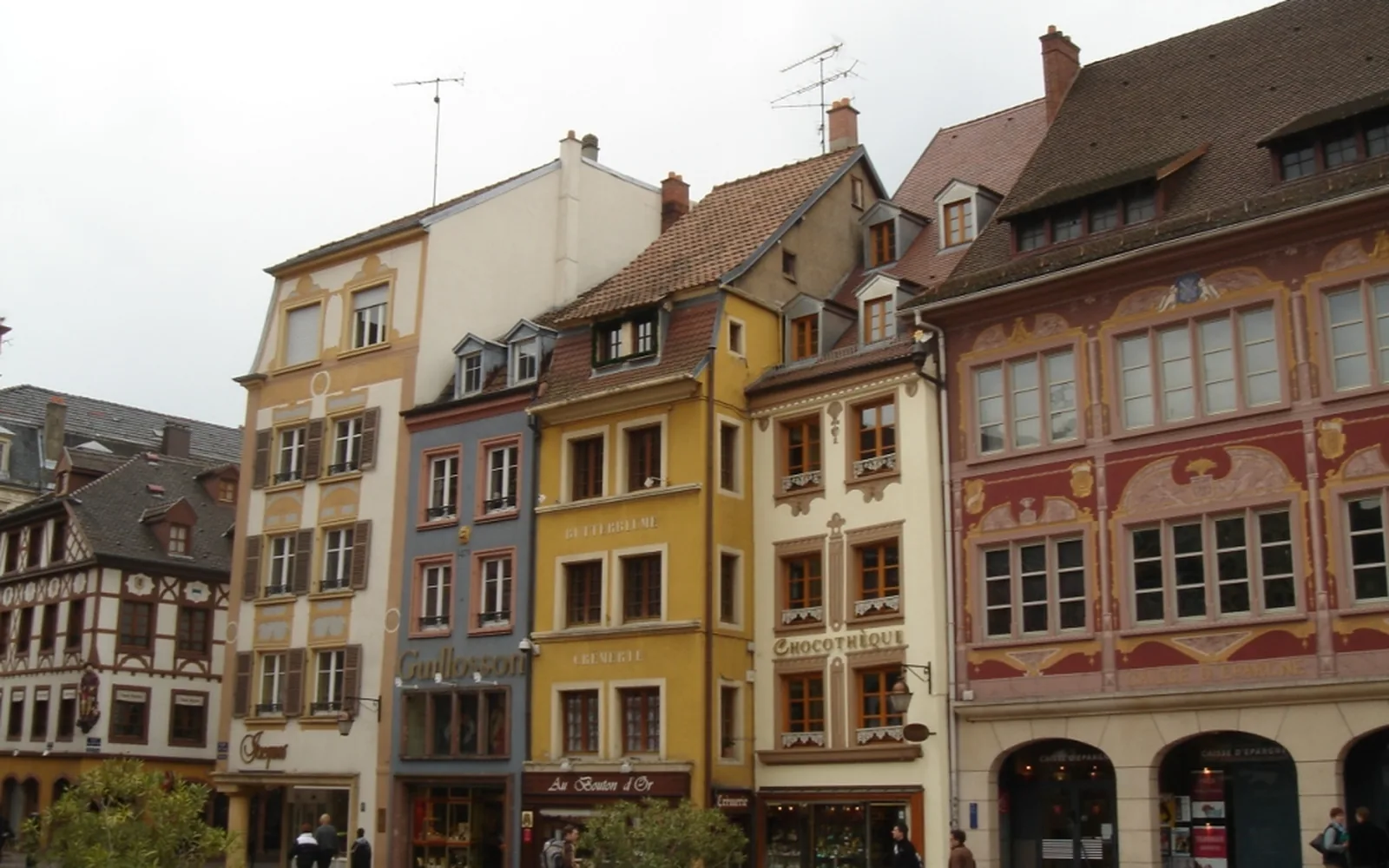
Place de la Réunion, the painted town hall and surrounding streets give Mulhouse a compact civic centre. It is smaller than the museum offer suggests, which makes it useful for an arrival afternoon, meal or market period instead of another rushed ticketed visit.
Include textile and working-city history
Mulhouse’s development was shaped by textile production and industrial enterprise. Smaller collections, converted buildings and residential areas add context to the machinery displays. Choose the additional site that best fits the day rather than trying to visit every technical museum in one stay.
Use trams and buses deliberately
The main station is near the centre, while several museums require local transport. Check the stop and final service before departure. A museum appearing close on a regional map may still sit beyond a comfortable walk, particularly in poor weather or with limited mobility.
Connect the Upper Rhine by rail
Regional trains link Mulhouse with Colmar, Strasbourg and Basel, while other routes reach Belfort and nearby towns. Cross-border tickets and service patterns vary. Mulhouse can be a practical base, but a day should focus on one direction rather than several countries and museums.
Choose Mulhouse for its own strengths
Travellers seeking postcard villages may prefer Colmar, but transport, design and industrial history make Mulhouse distinct. Two nights support a full museum day and the centre. A third night works when adding one southern Alsace or Basel outing by a verified connection.
Continue planning
Questions about Mulhouse
What is Mulhouse best known for?
Its major railway and automobile museums, textile history and role as a southern Alsace transport hub.
Can I visit Mulhouse without a car?
Yes. Rail, trams and buses connect the centre and major museums.
How many days do I need?
Two days suit the centre and two major museums. Add a day for a regional outing.
Is Mulhouse a good base for Colmar or Basel?
Yes by rail, but check the dated service and any cross-border ticket conditions.
Sources and updates
This guide was last reviewed on 2 September 2026. Transport, access and opening arrangements can change, so check the official source before travel.
- Official Alsace visitor information, Alsace Destination Tourisme
- Regional train travel in France, SNCF Connect
- Cities in Alsace, Alsace Destination Tourisme
- Mulhouse visitor information, Mulhouse Tourist Office
Related places to consider
These guides can help you place Mulhouse within a wider route.