
Start with the essentials
Plan Alsace at a glance
- Main gateway
- Strasbourg
- Useful time
- 5 to 8 days
- Main transport
- Regional rail
- Car use
- Useful for selected village routes
- Main limit
- Seasonal village connections
About Alsace
Why explore Alsace
Alsace combines a major European city, compact historic centres, serious museums and a wine landscape with a clear regional identity. Frequent rail makes the urban route unusually manageable.
The postcard villages are not one continuous pedestrian district. Each local outing needs a route and return, while Mulhouse rewards travellers interested in transport and industrial history.
Plan the region
Spend at least two days in Strasbourg, then use Colmar for its museums and one carefully chosen wine-country direction. Mulhouse deserves a full museum day rather than a short station change.
Stay near the rail corridor for a car-free trip. Add a rental car only when several rural stops cannot be connected responsibly by bus, tour or bicycle.
Choose where to spend your time
Places to explore
3 guidesStrasbourg
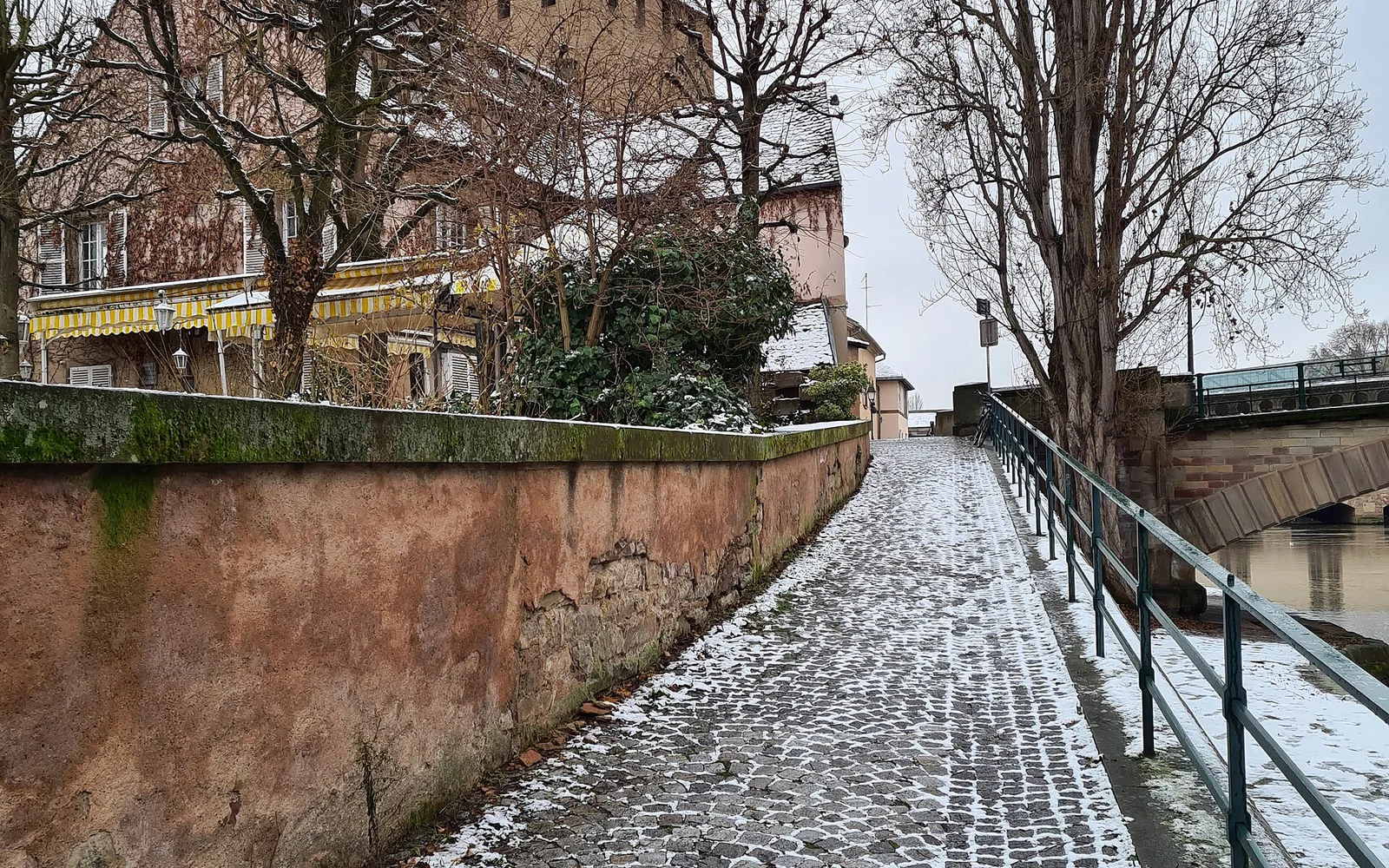
Strasbourg combines a medieval and imperial centre with European institutions, Rhine-side cycling and strong rail links across Alsace.
Open guide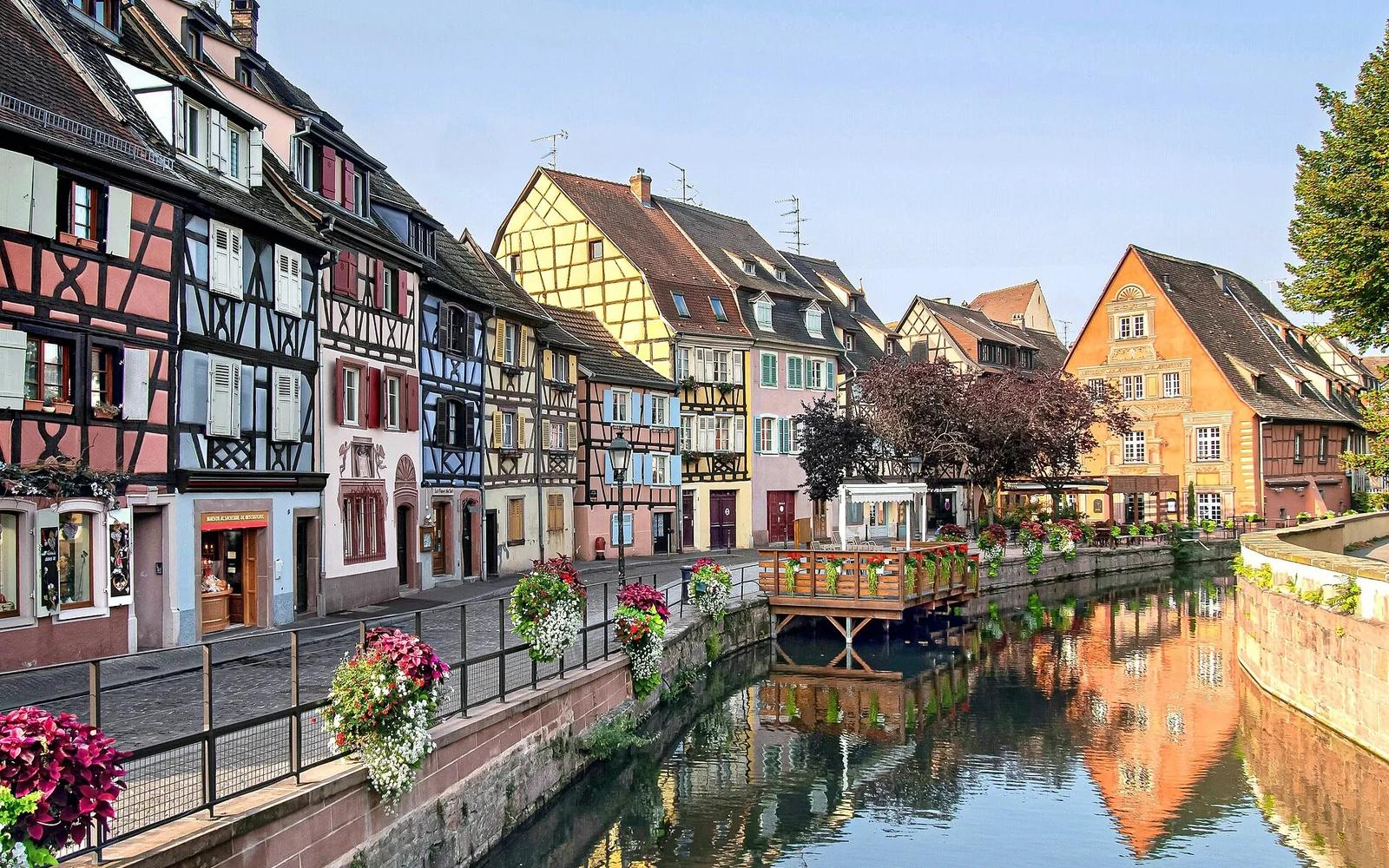
Colmar
Colmar is a compact Alsatian town of canals, painted houses and museums, with practical rail links and more complicated access to nearby wine villages.
Open guide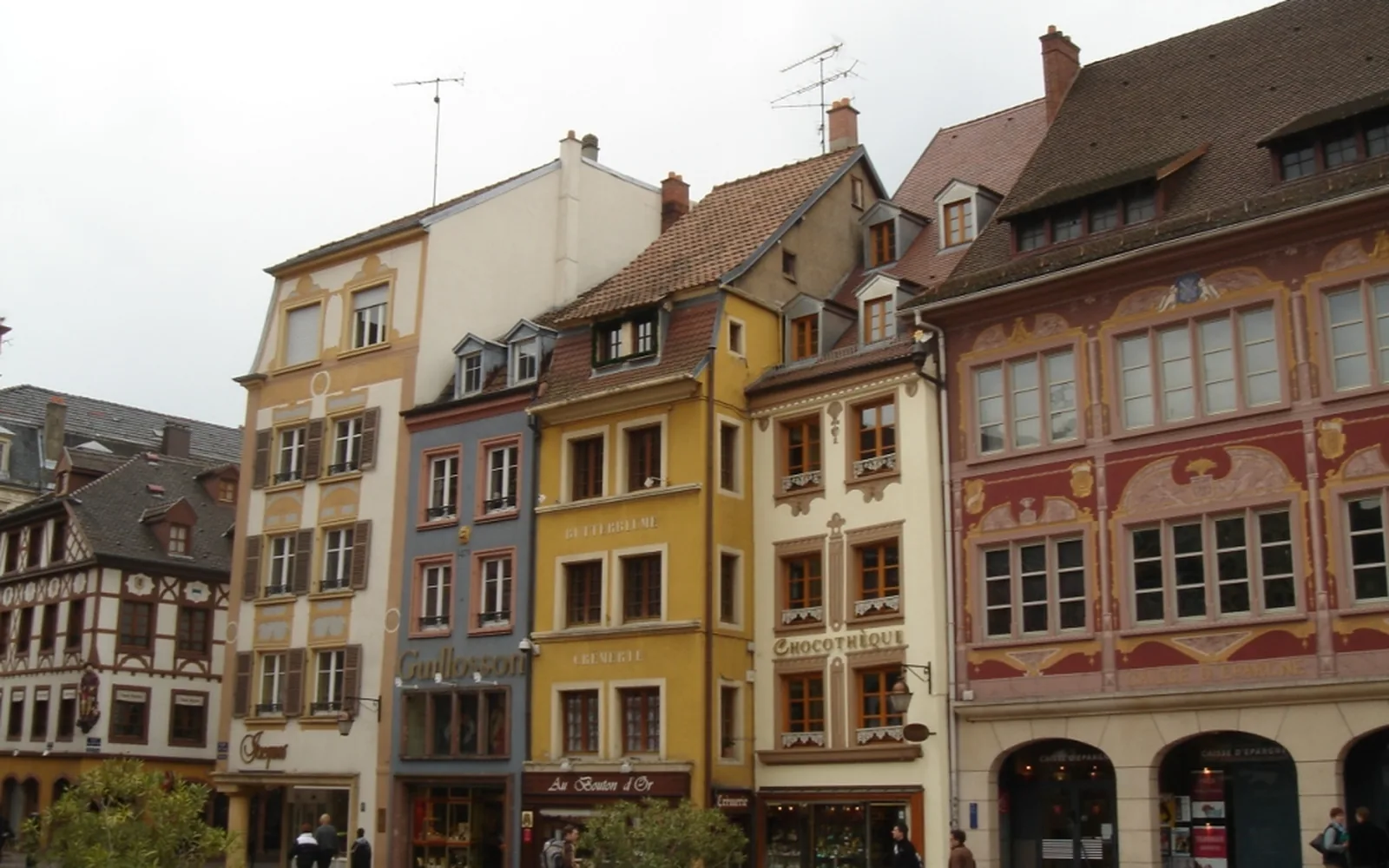
Mulhouse
A southern Alsace city with major transport and industrial museums, a compact historic centre and useful rail links across the Upper Rhine.
Open guideBuild a coherent route
Plan by area
Strasbourg
Use the northern city for the cathedral, Petite France, major museums and European institutions.
Colmar and wine-country access
Colmar combines a detailed old centre and Unterlinden Museum with routes toward selected vineyard villages.
Mulhouse and southern Alsace
Mulhouse centres on major railway and automobile collections, with easy rail toward Basel and the Upper Rhine.
See the main travel bases
See the three Alsace city bases
Loading the map…
The main cities sit on one rail corridor. Wine villages and Vosges routes branch away from it and need their own bus, tour, bicycle or car plan.
Match the route to your time
What fits into your trip
Strasbourg and Colmar
Give Strasbourg two days and Colmar one full day, travelling between them by regional rail. Leave the wine villages out unless a specific bus, tour or bicycle route replaces part of the planned city schedule.
Three-city Alsace
Use two nights in Strasbourg, two around Colmar and one full Mulhouse museum day. This introduces the region’s civic, wine-country and industrial sides without pretending every village fits easily between short regional train journeys.
Cities with one rural section
Spend time in all three cities, then add two nights near one village corridor or Vosges gateway. Choose the rural base according to transport and planned outdoor activity, not simply the most familiar place name.
Link the stops sensibly
Routes and day trips
Regional rail makes Strasbourg, Colmar and Mulhouse the fixed spine. Every village or mountain day should branch from the base that offers the clearest current connection.
Suggested regional routes
Strasbourg by district
Separate the cathedral and Petite France from museums, Neustadt or the European quarter instead of compressing the city into a day trip.
Open destination guideColmar and one village corridor
Give Colmar a full museum and old-town day, then use a verified bus, tour, bicycle or car plan for one nearby direction.
Open destination guideMulhouse museum stay
Choose the Cité du Train and one other major museum, using trams and buses rather than treating the centre as the whole visit.
Open destination guideChoose transport by destination
Getting around Alsace
Rail is the best city-to-city option. Local buses, bicycles, tours and cars serve village or mountain routes with more variable frequency.
Regional trains
Strasbourg, Colmar and Mulhouse are straightforward rail stops, though the exact service and final return still need checking.
Village links
Seasonal shuttles and buses cover selected routes. Never assume every wine village has a useful evening return.
Cycling and driving
Both can support a rural section, but distance, weather, tasting plans and parking should determine the choice.
Choose dates that suit the route
When to visit
Late spring and early autumn suit city walking, cycling and vineyards. Summer can be hot, while harvest work changes the rhythm of rural areas.
Christmas markets bring strong demand and altered central access. Confirm exact dates, book early and expect crowded trains.
Read the seasonal guide for FranceAvoid common route problems
Planning checks
Do not chase every village
Choose one local corridor and leave time for museums and the main city bases.
Keep tastings safe
Use a designated driver, tour, taxi or suitable cycling plan that does not depend on alcohol consumption.
Check cross-border tickets
Basel and nearby German cities use different operators and ticket conditions despite short distances.
Quick answers
Questions about Alsace
How many days do I need in Alsace?
Five days cover the three main cities. Seven or eight allow a slower rural or Vosges section.
Can I visit without a car?
Yes for Strasbourg, Colmar and Mulhouse. Select village routes according to current buses, tours or cycling.
Should I stay in Strasbourg or Colmar?
Choose Strasbourg for a larger city and transport range, or Colmar for a smaller base nearer several wine routes.
Is Mulhouse worth adding?
Yes for major transport and industrial museums that are unlike the rest of the Alsace route.
How this guide is checked
Sources and review
Reviewed 4 September 2026, next review due 4 March 2027. Services, access rules and opening arrangements can change, so check the official source before travel.
- Official France visitor information, Atout France
- Official French rail journey planner, SNCF Connect
- Official Strasbourg visitor information, Strasbourg Tourist Office
- Official Alsace visitor information, Alsace Destination Tourisme
- Official Colmar visitor information, Colmar Tourist Office
- Cities in Alsace, Alsace Destination Tourisme
- Mulhouse visitor information, Mulhouse Tourist Office
Continue through France
Regions that connect naturally
Grand Est
Alsatian cities, Champagne vineyards, war history and cross-border rail routes shape France’s north-east.
Reims and Champagne
Reims anchors the Champagne region with a major Gothic cathedral, historic cellars and rail links toward Épernay and vineyard towns.
Continue planning
See more of France
Use the country guide to compare Alsace with other regions and destinations in France.