
Start with the essentials
Plan Reims and Champagne at a glance
- Useful bases
- Reims and Épernay
- Useful time
- 3 to 5 days
- Main transport
- Rail in the towns
- Car use
- Only with a safe tasting plan
- Main limit
- Reservation and rural transport
About Reims and Champagne
Why explore Reims and Champagne
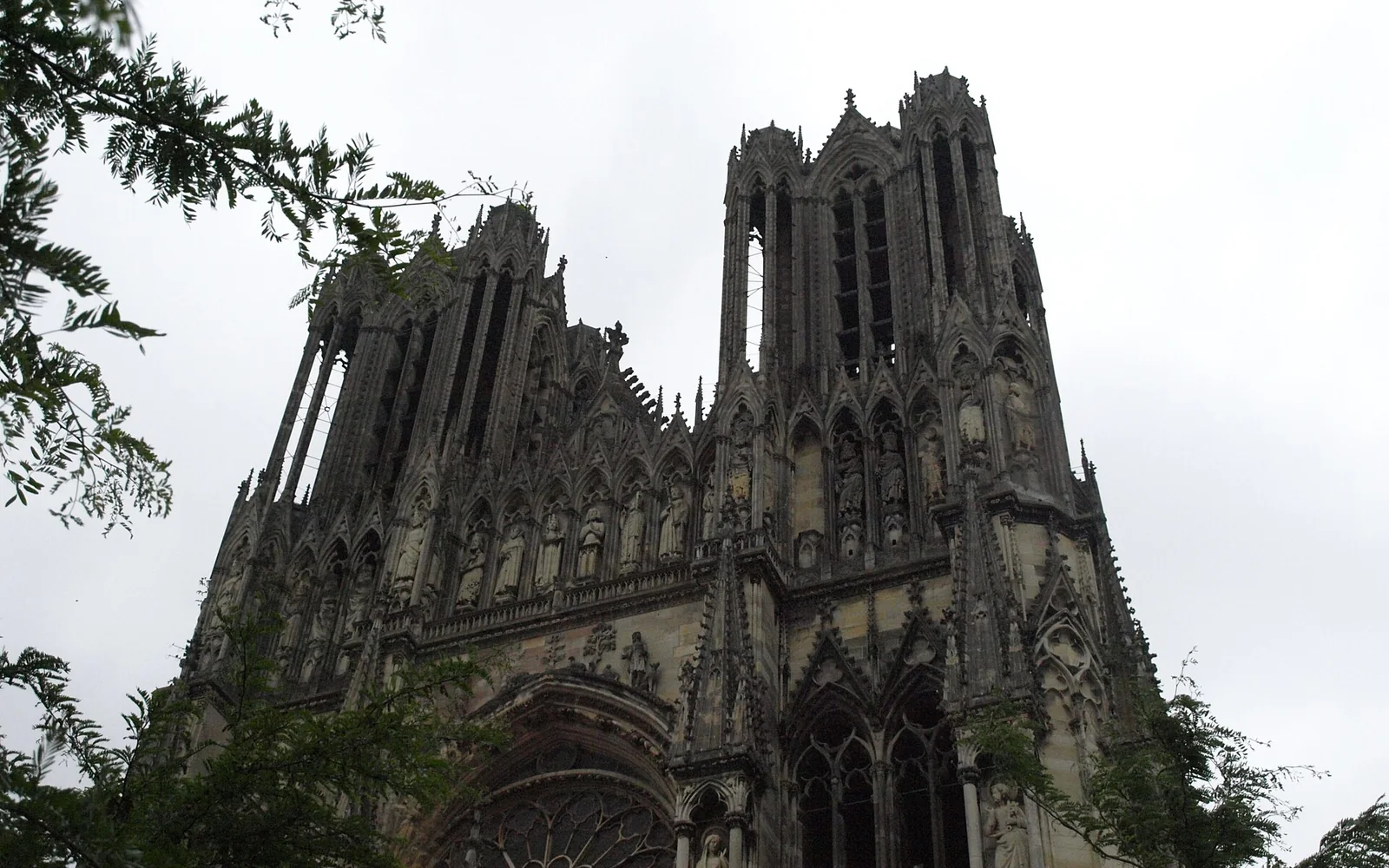
The Champagne area is more than a sequence of tastings. Reims has one of France’s most important Gothic cathedrals and substantial wartime history, while Épernay provides a compact base beside major cellars and the Avenue de Champagne.
Vineyard landscapes and producer visits add context, but many rural addresses are difficult to connect independently. Advance appointments and a responsible transport plan make the difference between a useful visit and a rushed list of unavailable doors.
Plan the region
Use Reims for the widest city and transport choice, or Épernay for a smaller stay close to major houses. With four or five days, divide time between both and add one booked vineyard route.
Reserve cellar tours directly and read the language, accessibility and tasting details. Leave time between appointments and do not plan to drive after alcohol.
Choose where to spend your time
Places to explore
2 guidesReims
A cathedral city where coronation history, Art Deco streets and major Champagne cellars combine within a straightforward rail trip from Paris.
Open guide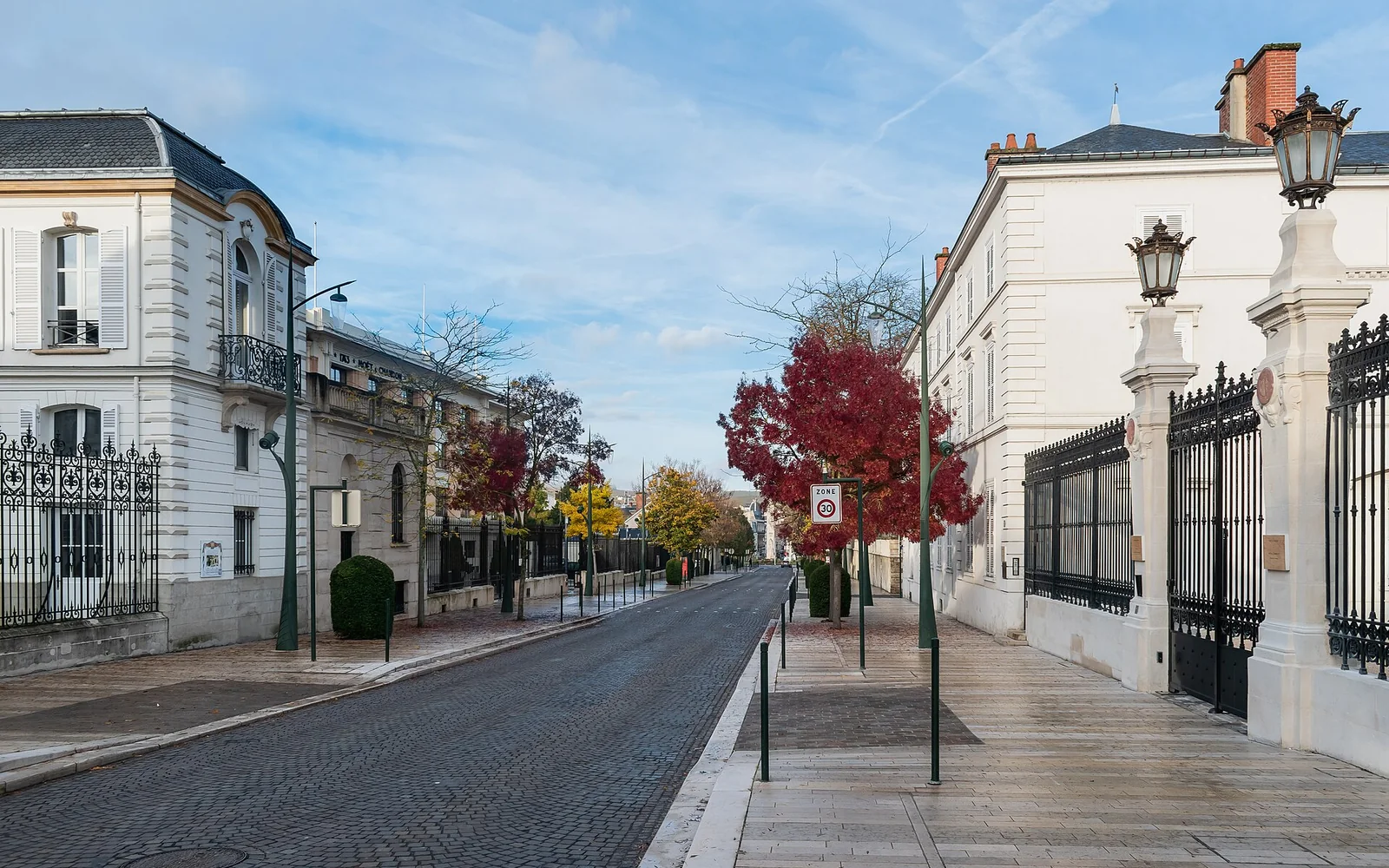
Épernay
A compact Champagne town centred on Avenue de Champagne, with cellar visits, vineyard viewpoints and useful rail links to Reims.
Open guideBuild a coherent route
Plan by area
Reims
Balance the cathedral and city history with one or two cellar visits, allowing for tram or bus travel to houses outside the centre.
Épernay
The compact centre and Avenue de Champagne support a focused cellar day with less urban travel.
Vineyard country
Choose one coherent route through villages and producers, arranged around confirmed appointments and safe transport.
See the main travel bases
See the main Champagne bases covered here
Loading the map…
Reims and Épernay are linked by rail. Vineyard villages and smaller producers need a booked tour, driver, taxi, bicycle plan or car with a non-drinking driver.
Match the route to your time
What fits into your trip
One city base
Choose Reims for cathedral and cellar history or Épernay for a compact wine-focused stay. Book no more than two substantial visits in a day and allow enough time for proper local meals and unhurried transfers.
Reims and Épernay by rail
Spend two days in Reims and one in Épernay, or reverse the balance according to your interests. The useful regional rail connection avoids driving and leaves one clear full day in each central urban area.
Towns and one vineyard route
Give Reims and Épernay proper city time, then add one pre-arranged rural day through a limited group of villages or producers. Keep a lighter final day after the most structured and demanding reserved tasting schedule.
Link the stops sensibly
Routes and day trips
Connect Reims and Épernay by rail, then add one rural route as a separate booked day. Cellar reservations should shape the schedule, not be inserted after transport is fixed.
Suggested regional routes
Reims history and cellars
Give the cathedral and centre a half day, then spread major house visits across the remaining time.
Open destination guideÉpernay on foot
Use the compact centre and Avenue de Champagne for pre-booked visits without a rural driving plan.
Open destination guideA booked vineyard circuit
Choose one sub-area and confirm every producer, lunch and return before leaving the town base.
Choose transport by destination
Getting around Reims and Champagne
High-speed trains reach Reims, regional services link Reims and Épernay, and local transit serves city addresses. Vineyard country needs a separate, safe plan.
Rail
Use it between Paris, Reims and Épernay, checking the exact Reims station and the final city connection.
Tours, taxis and drivers
These are practical for rural appointments and remove the conflict between tasting and driving. Book busy dates early.
Car
Use one only with a designated non-drinking driver. Rural roads do not make an improvised tasting route safe.
Choose dates that suit the route
When to visit
Late spring through autumn suits vineyard landscapes, but harvest periods can limit visits and increase local activity. Reservations remain important.
Winter keeps the cathedral and many cellar experiences relevant, although rural hours reduce and daylight is shorter.
Read the seasonal guide for FranceAvoid common route problems
Planning checks
Book before travelling
Many cellar tours and smaller producers require confirmed appointments, with limited language and time options.
Do not drive after tasting
Use rail in the towns and a tour, taxi or designated driver for rural visits.
Allow for real transfers
Some Reims houses sit beyond the cathedral centre and rural addresses may be far apart.
Quick answers
Questions about Reims and Champagne
Should I stay in Reims or Épernay?
Reims offers more history and transport. Épernay is smaller and places major Champagne houses close together.
Can I visit Champagne without a car?
Yes. Use rail for Reims and Épernay, then book a tour or driver for rural producers.
Do cellar tours need advance booking?
Usually yes, especially for specific languages, weekends and major houses.
How many days do I need?
Three days cover both towns. Four or five allow a dedicated vineyard route and a less crowded schedule.
How this guide is checked
Sources and review
Reviewed 2 September 2026, next review due 2 March 2027. Services, access rules and opening arrangements can change, so check the official source before travel.
- Official French rail journey planner, SNCF Connect
- Official accessible travel guidance for France, Atout France
- Official Champagne region visitor information, Comité Champagne
- Official Reims visitor information, Greater Reims Tourist Office
Continue through France
Regions that connect naturally
Grand Est
Alsatian cities, Champagne vineyards, war history and cross-border rail routes shape France’s north-east.
Alsace
Strasbourg, Colmar, Rhine plain towns, vineyards and the Vosges sit within a compact cross-border region.
Île-de-France
Paris sits within a wider capital region of royal estates, forests, new towns and busy suburban rail routes.
Continue planning
See more of France
Use the country guide to compare Reims and Champagne with other regions and destinations in France.