
Start with the essentials
Plan Grand Est at a glance
- Two main sections
- Alsace and Champagne
- Useful time
- 7 to 11 days
- Main transport
- High-speed and regional rail
- Car use
- Useful for wine villages
- Main limit
- Distance between the two sections
About Grand Est
Why explore Grand Est
Grand Est offers two of France’s clearest themed journeys: the cities and villages of Alsace, and the cathedral, cellars and vineyard landscapes of Champagne. Both work well by rail at city level.
The two sections are not one compact local circuit. A longer trip can connect them, while a week is better spent choosing one and exploring it with fewer hotel changes.
Plan the region
Use Strasbourg, Colmar and Mulhouse for an Alsace route. Their stations lie on a useful corridor, but the wine villages still need buses, tours, cycling or a designated driver.
Use Reims and Épernay for Champagne. Book cellar visits before travel and plan a safe route for rural producers rather than building the day around self-driving tastings.
Choose where to spend your time
Places to explore
7 guidesStrasbourg
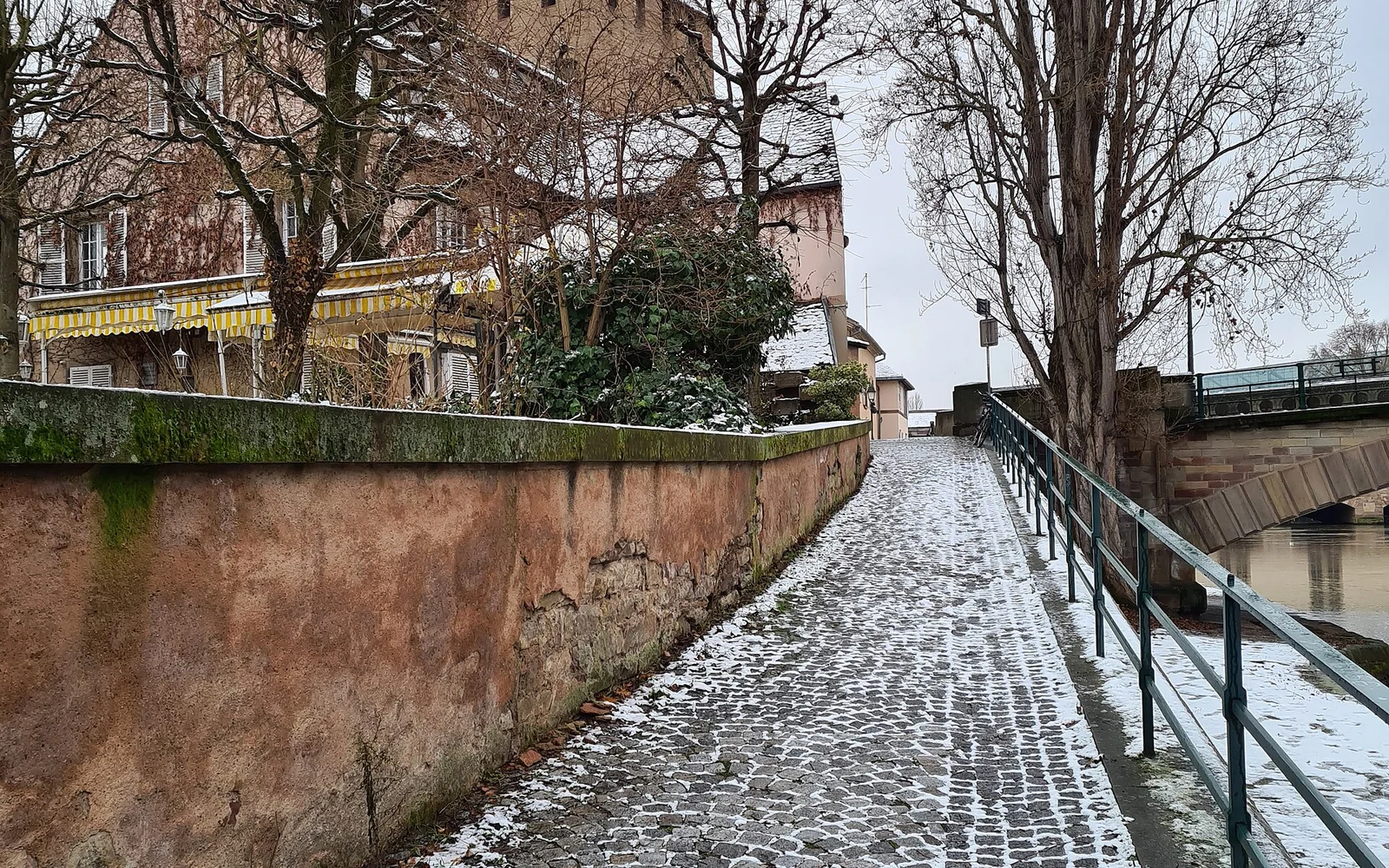
Strasbourg combines a medieval and imperial centre with European institutions, Rhine-side cycling and strong rail links across Alsace.
Open guide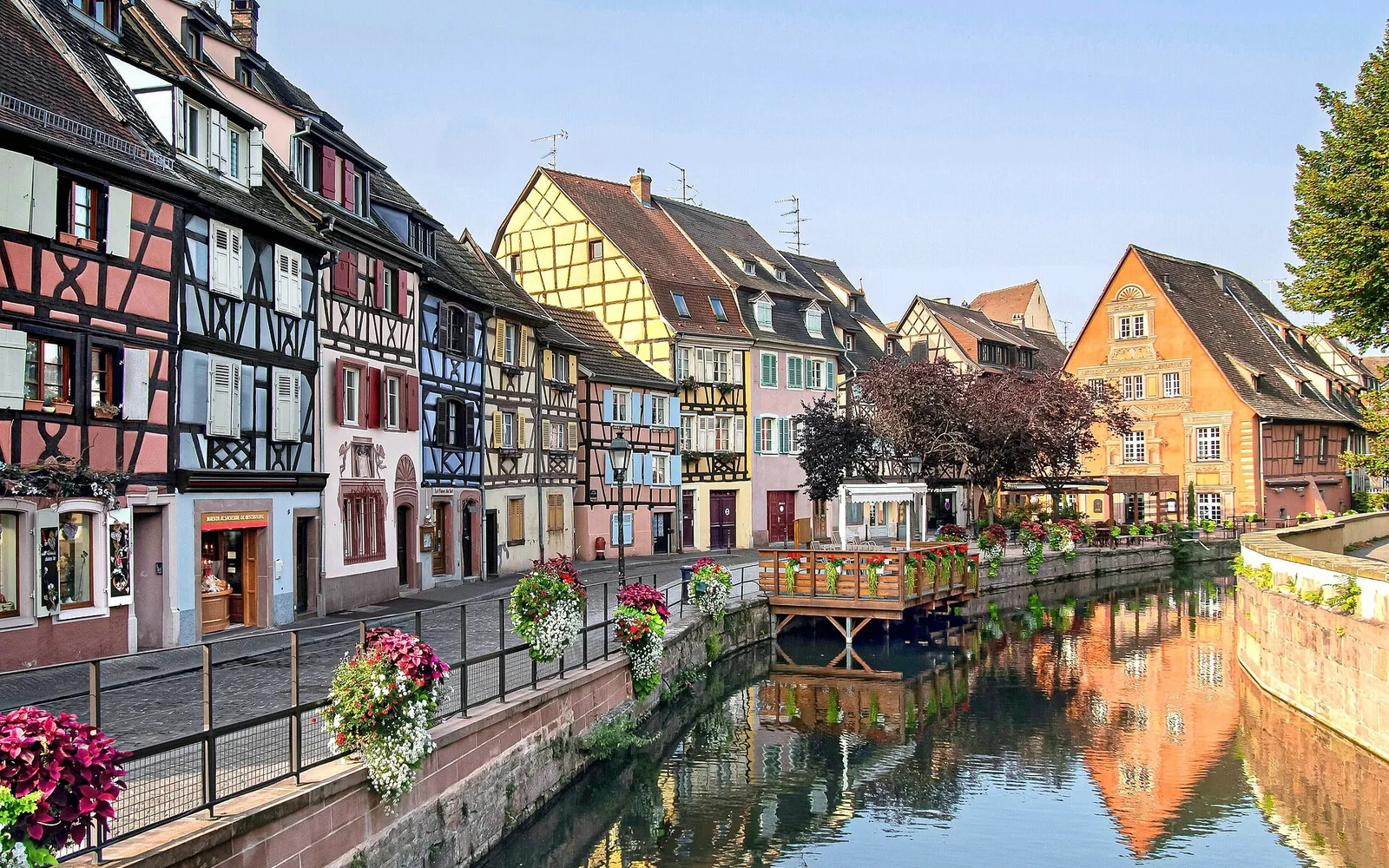
Colmar
Colmar is a compact Alsatian town of canals, painted houses and museums, with practical rail links and more complicated access to nearby wine villages.
Open guide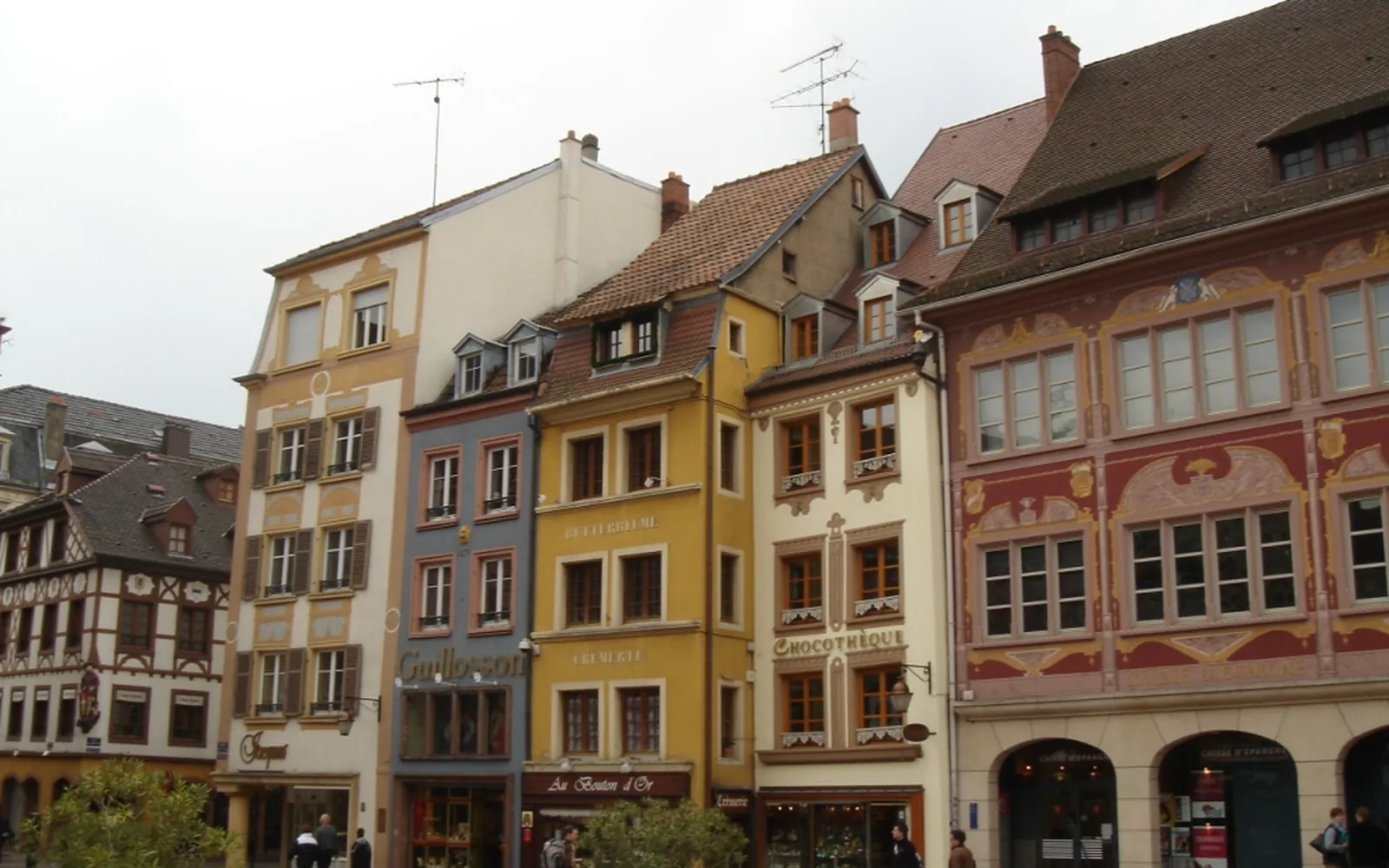
Mulhouse
A southern Alsace city with major transport and industrial museums, a compact historic centre and useful rail links across the Upper Rhine.
Open guide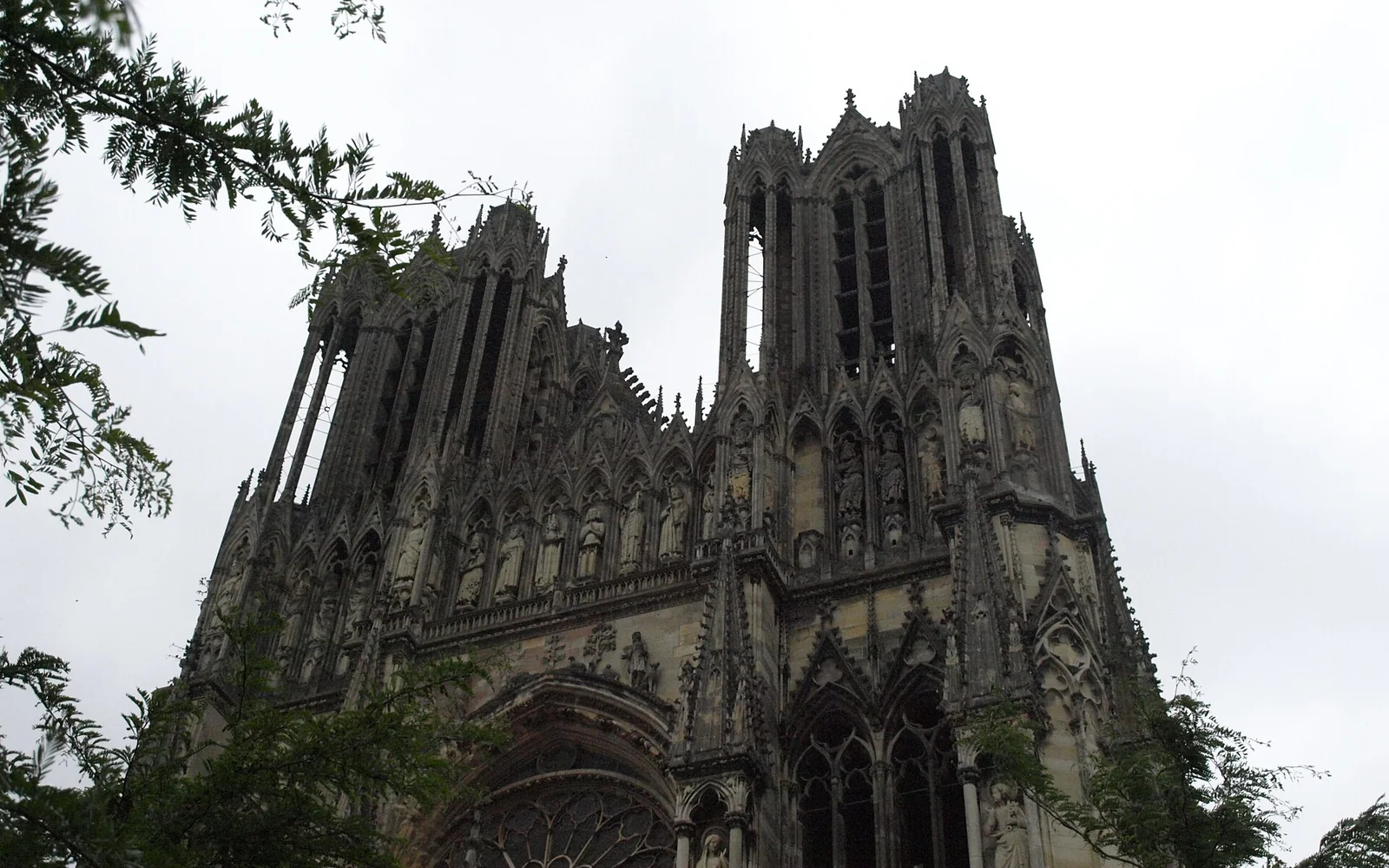
Reims
A cathedral city where coronation history, Art Deco streets and major Champagne cellars combine within a straightforward rail trip from Paris.
Open guide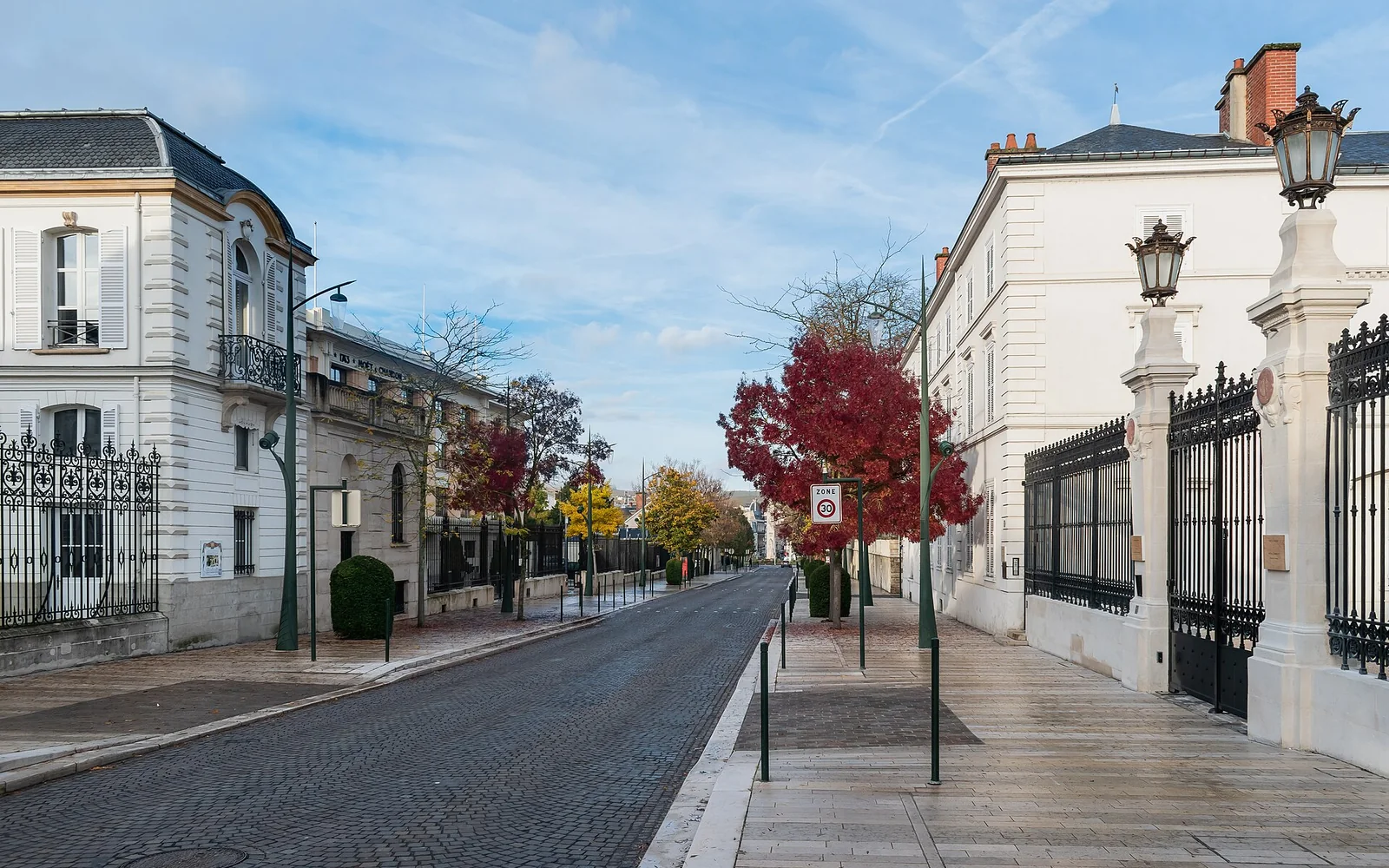
Épernay
A compact Champagne town centred on Avenue de Champagne, with cellar visits, vineyard viewpoints and useful rail links to Reims.
Open guideAlsace
Strasbourg, Colmar, Rhine plain towns, vineyards and the Vosges sit within a compact cross-border region.
Open guideReims and Champagne
Reims anchors the Champagne region with a major Gothic cathedral, historic cellars and rail links toward Épernay and vineyard towns.
Open guideBuild a coherent route
Plan by area
Northern and central Alsace
Strasbourg brings major monuments and European institutions, while Colmar opens routes toward smaller wine-country places.
Southern Alsace
Mulhouse adds transport and industrial museums with strong rail links to Basel and the Upper Rhine.
Reims and Épernay
The cathedral city and smaller cellar town form the practical core of a first Champagne trip.
See the main travel bases
See the Alsace and Champagne bases covered here
Loading the map…
Strasbourg, Colmar and Mulhouse form an eastern rail corridor. Reims and Épernay form a separate western pair that connects through different services.
Match the route to your time
What fits into your trip
Choose Alsace or Champagne
Stay within one part of Grand Est. Four days suit Strasbourg and Colmar, or Reims and Épernay with one carefully arranged vineyard outing. Crossing between both sections would leave too little time for the places themselves.
One region in depth
Use two bases in Alsace or divide the week between Reims and Épernay with a rural Champagne day. This allows museums, booked visits and slower evenings without adding a long cross-region transfer across Grand Est.
Alsace and Champagne
Spend five or six nights along the Alsace rail corridor, then transfer west for four nights in Reims and Épernay. Keep the connection day clear and reserve wine experiences before fixing the rest of the itinerary.
Link the stops sensibly
Routes and day trips
Treat Strasbourg to Mulhouse and Reims to Épernay as two internal routes. The journey between them is a transfer stage rather than another sightseeing day.
Suggested regional routes
Strasbourg, Colmar and Mulhouse
Use regional rail for the cities, then choose one village, museum or wine-country day with its own local connection.
Open destination guideReims city and cellar district
Give the cathedral and city a full day, then reserve one or two cellar visits with enough tram or taxi time.
Open destination guideÉpernay and nearby vineyards
Walk Avenue de Champagne, stay overnight and use a tour, taxi or designated driver for one rural route.
Open destination guideChoose transport by destination
Getting around Grand Est
Rail is strong between the main cities. Village routes and vineyard visits need local buses, tours, bicycles, taxis or a carefully limited car section.
High-speed rail
Paris links efficiently with Reims and Strasbourg, but the through journey across Grand Est still needs careful timing.
Regional rail
Use TER for Strasbourg, Colmar, Mulhouse, Reims and Épernay, checking frequency and the final evening service.
Wine routes
Choose a tour, taxi, bicycle plan with no unsafe tasting, or a designated driver for rural producers.
Choose dates that suit the route
When to visit
Spring and autumn suit city walking and vineyard landscapes. Harvest periods require respectful access and advance reservations.
December markets create heavy demand in Alsace and Champagne cities. Book early and check event-specific transport arrangements.
Read the seasonal guide for FranceAvoid common route problems
Planning checks
Do not merge the two routes
Alsace and Champagne are connected, but they are not neighbouring day-trip zones.
Reserve cellar experiences
Tour language, duration and accessibility vary, and walk-in places cannot be assumed.
Protect cross-border time
Basel or Germany can fit an Alsace route, but ticket conditions and return trains need a separate check.
Quick answers
Questions about Grand Est
How many days do I need?
Use four to seven days for Alsace or Champagne, and ten or more to combine both comfortably.
Can I travel by train?
Yes between all five reviewed cities. Rural wine routes still need separate local transport.
Should I base in Reims or Épernay?
Choose Reims for a larger city and cathedral, or Épernay for a smaller base close to vineyard routes.
Do I need a car in Alsace?
No for the main cities. A car helps with selected villages when buses, tours or cycling do not fit.
How this guide is checked
Sources and review
Reviewed 2 September 2026, next review due 2 March 2027. Services, access rules and opening arrangements can change, so check the official source before travel.
- Official French rail journey planner, SNCF Connect
- Official Strasbourg visitor information, Strasbourg Tourist Office
- Official Alsace visitor information, Alsace Destination Tourisme
- Official Champagne region visitor information, Comité Champagne
- Official Reims visitor information, Greater Reims Tourist Office
- Grand Est visitor information, Grand Est Tourism Agency
- Mulhouse visitor information, Mulhouse Tourist Office
- Épernay visitor information, Épernay in Champagne Tourist Office
Continue through France
Regions that connect naturally
Alsace
Strasbourg, Colmar, Rhine plain towns, vineyards and the Vosges sit within a compact cross-border region.
Reims and Champagne
Reims anchors the Champagne region with a major Gothic cathedral, historic cellars and rail links toward Épernay and vineyard towns.
Île-de-France
Paris sits within a wider capital region of royal estates, forests, new towns and busy suburban rail routes.
Continue planning
See more of France
Use the country guide to compare Grand Est with other regions and destinations in France.