
Start with the essentials
Plan Brittany at a glance
- Main gateway
- Rennes
- Useful time
- 6 to 10 days
- Main transport
- Rail, coach and selected car
- Car use
- Useful on rural coasts
- Main limit
- Tides and peninsula distances
About Brittany
Why explore Brittany
Brittany’s identity appears in its languages, food, markets, walled towns and changing coast. Rennes, Saint-Malo and Quimper provide three different ways into the region.
The shoreline is too long and indented for one base. Rail reaches the main cities, while smaller ports, islands and walking routes depend on tides and local transport.
Plan the region
Use Rennes for the inland capital and eastern rail gateway, then move to Saint-Malo for the Emerald Coast. Add Quimper only with a clear westward stage.
Choose one coast or village direction from each base. A long list of beaches becomes several hours of narrow roads and parking rather than a better trip.
Choose where to spend your time
Places to explore
3 guides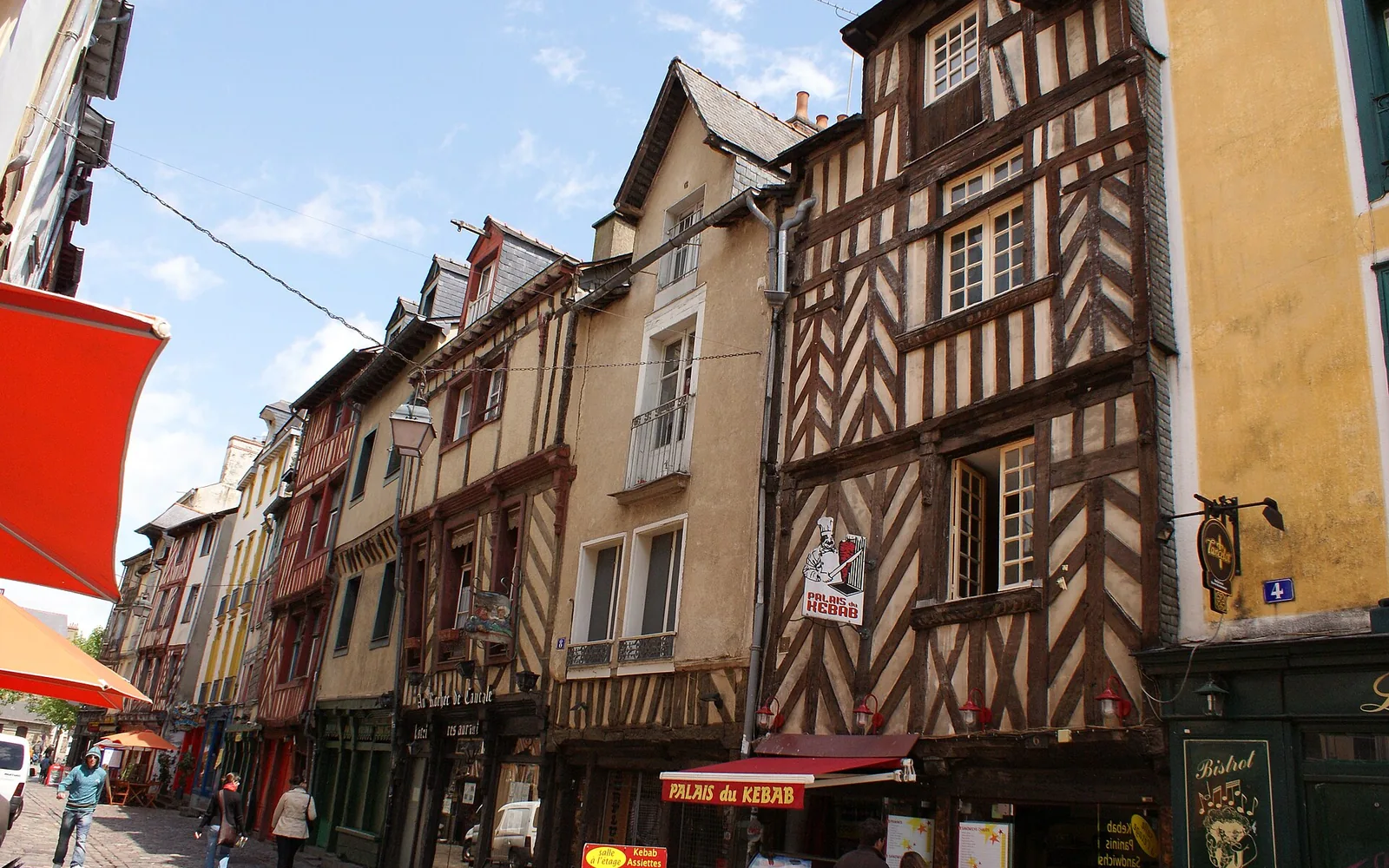
Rennes
Brittany’s compact capital combines timbered streets, a major Saturday market, parks and fast rail with useful regional connections.
Open guideSaint-Malo
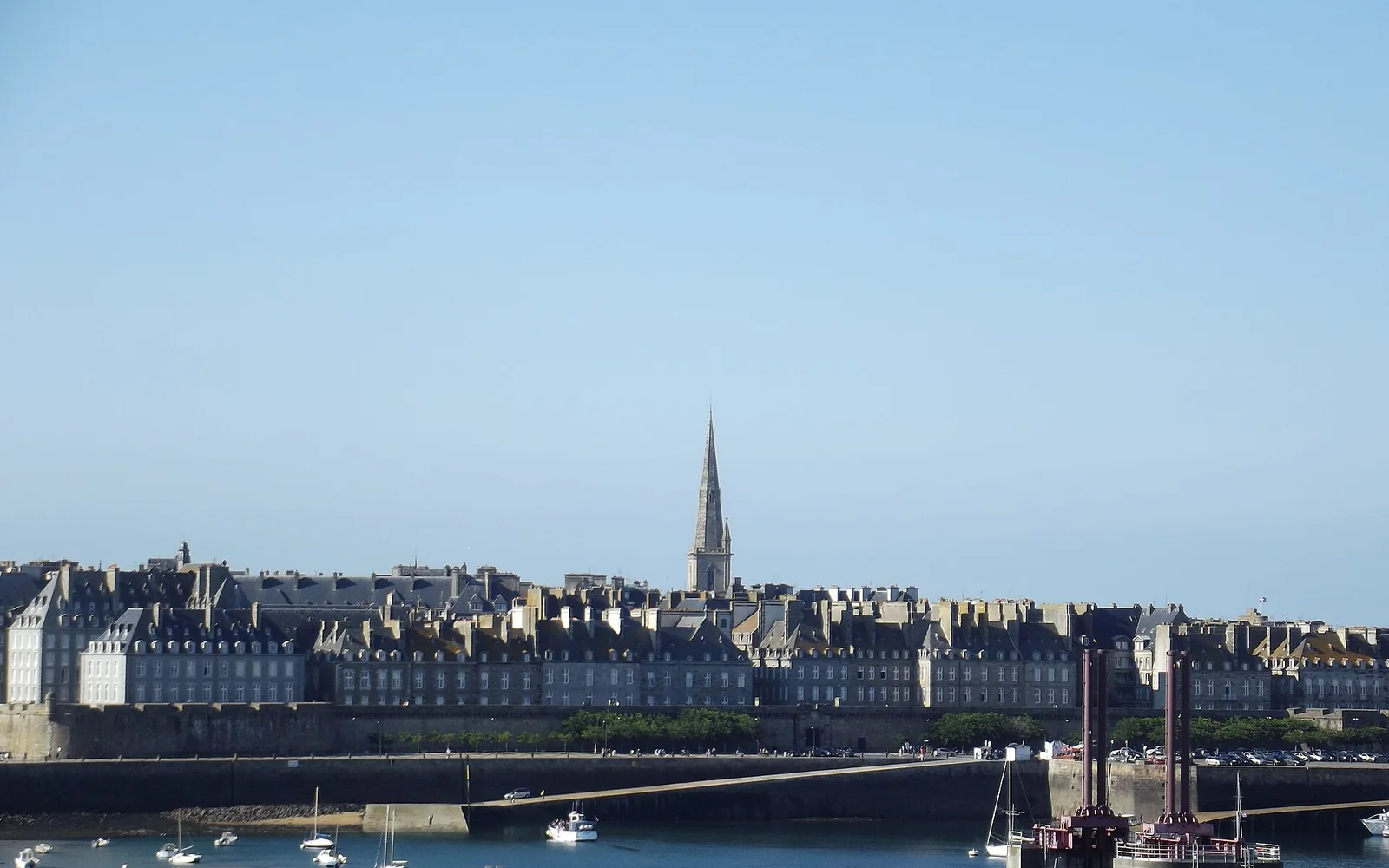
Saint-Malo is a granite-walled port with walkable ramparts, tidal beaches and direct rail access on Brittany’s north coast.
Open guide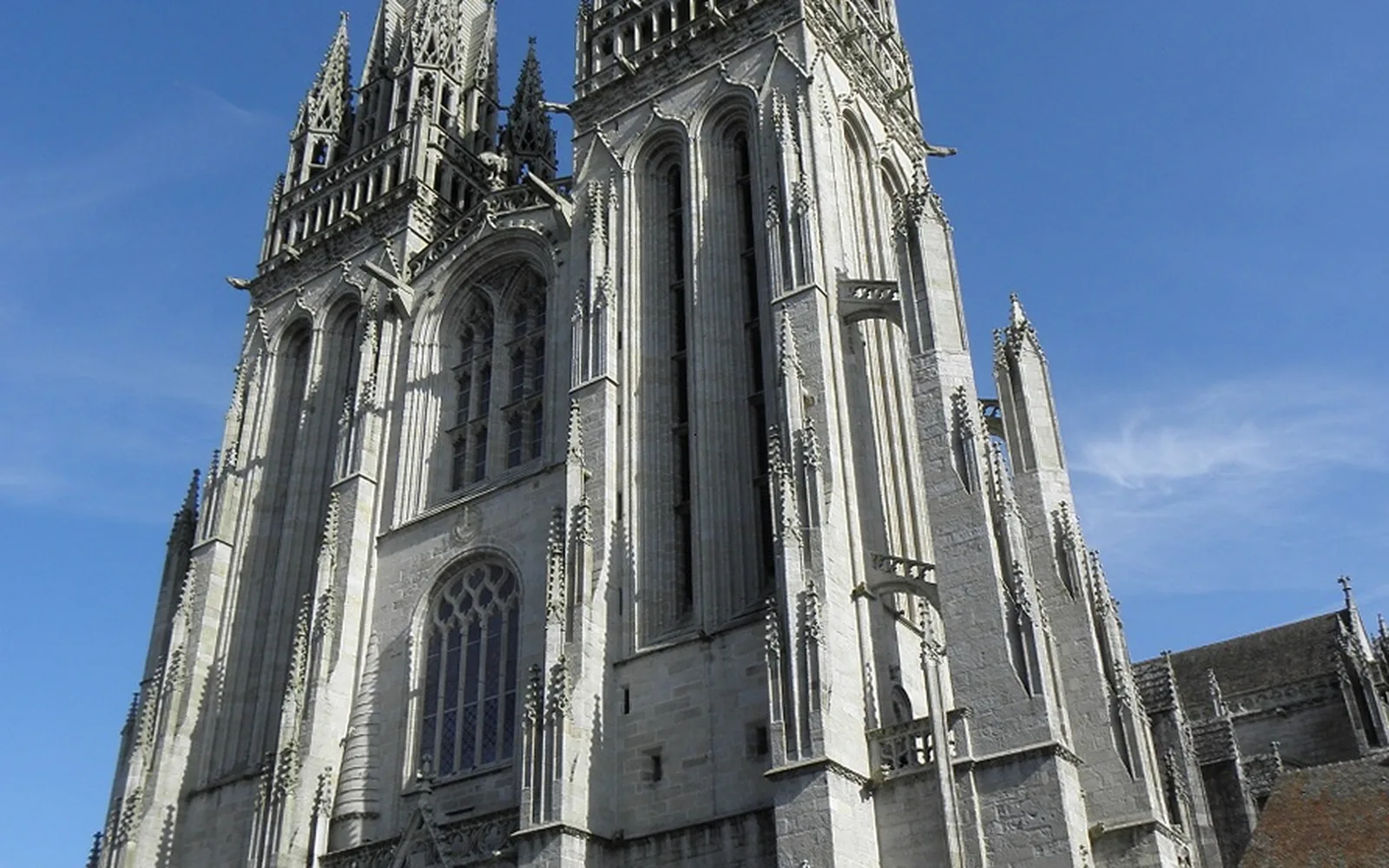
Quimper
A walkable western Breton city built around a cathedral, riverside streets, museums and a strong Cornouaille identity.
Open guideBuild a coherent route
Plan by area
Rennes and eastern Brittany
Rennes combines a lively historic centre with rail and coach links toward Saint-Malo and selected inland routes.
Saint-Malo and the Emerald Coast
The walled port, tidal shore and nearby coast support several nights with current tide and boat checks.
Quimper and Cornouaille
Quimper provides a cultural base for one western coast, village or museum route at a time.
See the main travel bases
See the eastern and western Brittany bases
Loading the map…
Rennes and Saint-Malo form an eastern pair. Quimper is the western base and should not be treated as a short daily return from either.
Match the route to your time
What fits into your trip
Rennes and Saint-Malo
Spend one or two nights in Rennes and two in Saint-Malo, using rail between them. Choose one nearby coast or Mont-Saint-Michel direction, but do not add western Brittany to this compact eastern route as well.
Eastern and western bases
Divide the week between Rennes or Saint-Malo and Quimper, allowing a clear transfer day. Each base receives one useful local outing, while the historic city centres keep enough time for markets, museums and unhurried evenings.
A measured peninsula route
Use Rennes, Saint-Malo and Quimper as three bases, adding no more than one coast direction from each. This protects the trip from repeated long drives and leaves useful flexibility for changing tides, wind and rain.
Link the stops sensibly
Routes and day trips
Start east in Rennes and Saint-Malo, then travel west to Quimper only when the itinerary supports another base. Coast days radiate from each stop rather than forming one rapid loop.
Suggested regional routes
Rennes city break
Plan the old centre, market, Parliament area and gardens, then use the station for the next Brittany base.
Open destination guideSaint-Malo and tidal coast
Walk the walls and old town, then choose one beach, boat or nearby coast day according to tides and weather.
Open destination guideQuimper and Cornouaille
Give Quimper a full cultural day and select one western outing with a confirmed bus, tour or car route.
Open destination guideChoose transport by destination
Getting around Brittany
Rail connects the main cities, while BreizhGo coaches, local buses, boats, bicycles and cars complete regional journeys with variable seasonal frequency.
Rail
Use Rennes as the national gateway and regional trains for Saint-Malo and Quimper, checking the dated journey.
Coaches and boats
They serve selected towns and islands, but schedules and boarding points vary with season.
Driving
A car helps on rural coasts. Keep daily distance modest and plan parking before entering old ports or beach areas.
Choose dates that suit the route
When to visit
Late spring to early autumn gives the broadest transport and coast options. Weather remains changeable, so carry layers and keep an indoor plan.
Tides affect causeways, beaches and shore walks in every season. Use local tables and warnings, not remembered times.
Read the seasonal guide for FranceAvoid common route problems
Planning checks
Do not cross the peninsula daily
Change base when moving from the Saint-Malo area to Cornouaille or Finistère.
Read the tides
Access and safe return can change quickly around exposed shores and tidal islands.
Keep weather alternatives
Museums, markets and town walks prevent one wet or windy coast day from becoming empty.
Quick answers
Questions about Brittany
How many days do I need?
Six or seven days cover an eastern and western base. Ten days allow a slower three-base route.
Can I visit without a car?
Yes for Rennes, Saint-Malo and Quimper. Smaller coastal places require more selective public-transport planning.
Where should I start?
Rennes is the easiest national rail gateway. Saint-Malo suits the north coast, and Quimper suits the west.
Can I add Mont-Saint-Michel?
Yes from eastern Brittany with a dedicated bus or tour day, though the site is in Normandy.
How this guide is checked
Sources and review
Reviewed 2 September 2026, next review due 2 March 2027. Services, access rules and opening arrangements can change, so check the official source before travel.
- Official France visitor information, Atout France
- Official French rail journey planner, SNCF Connect
- Official Saint-Malo visitor information, Saint-Malo Bay of Mont-Saint-Michel Tourism
- Brittany visitor information, Brittany Tourism
- Rennes visitor information, Rennes Métropole Tourist Office
- Quimper visitor information, Quimper Cornouaille Tourist Office
Continue through France
Regions that connect naturally
Normandy
Normandy stretches from Seine towns to chalk cliffs, landing beaches and Mont-Saint-Michel, with major sites spread across a broad coast.
Centre-Val de Loire
The central Loire region combines château country, river landscapes and rail-linked cities around Tours, Blois and Orléans.
Continue planning
See more of France
Use the country guide to compare Brittany with other regions and destinations in France.