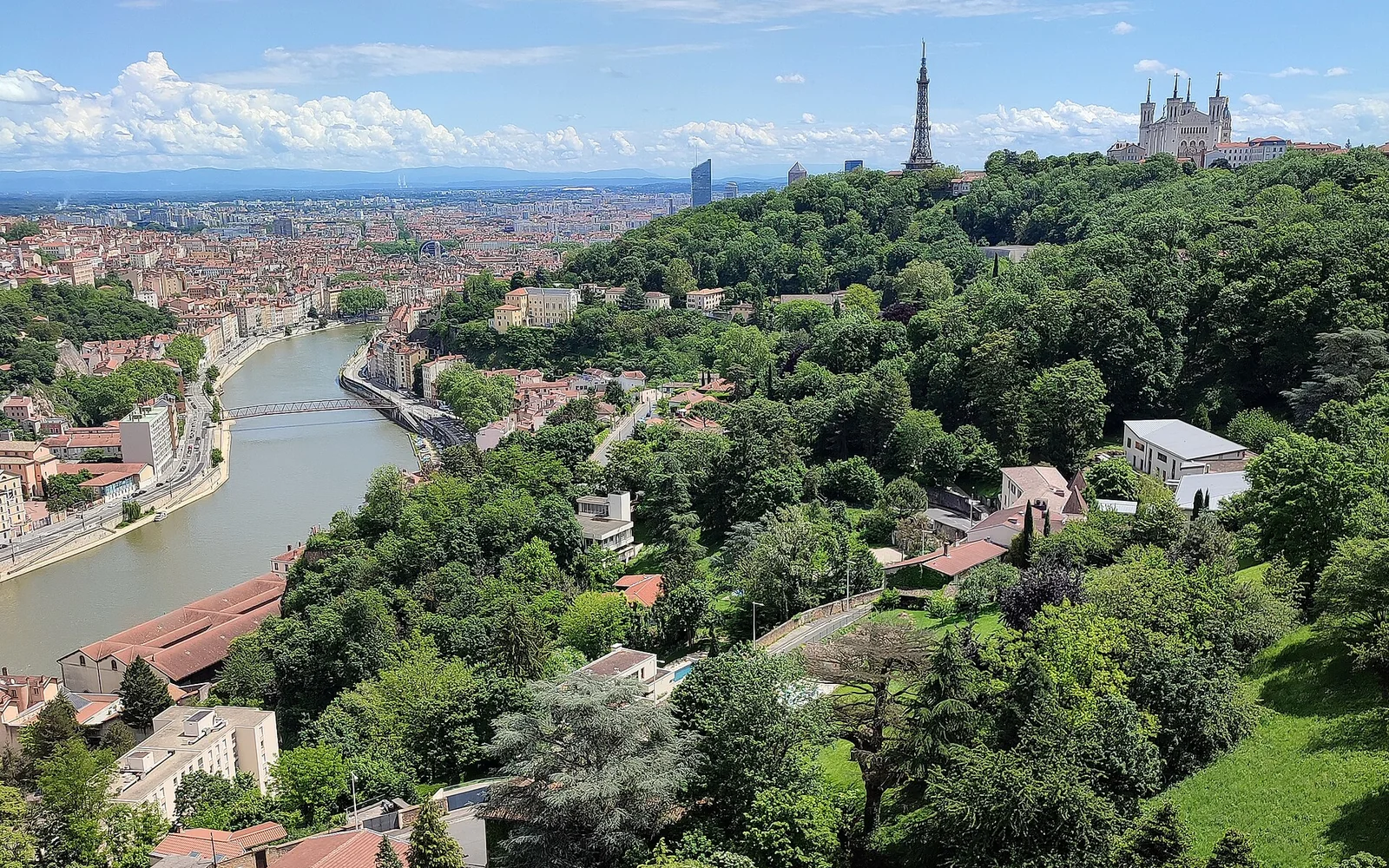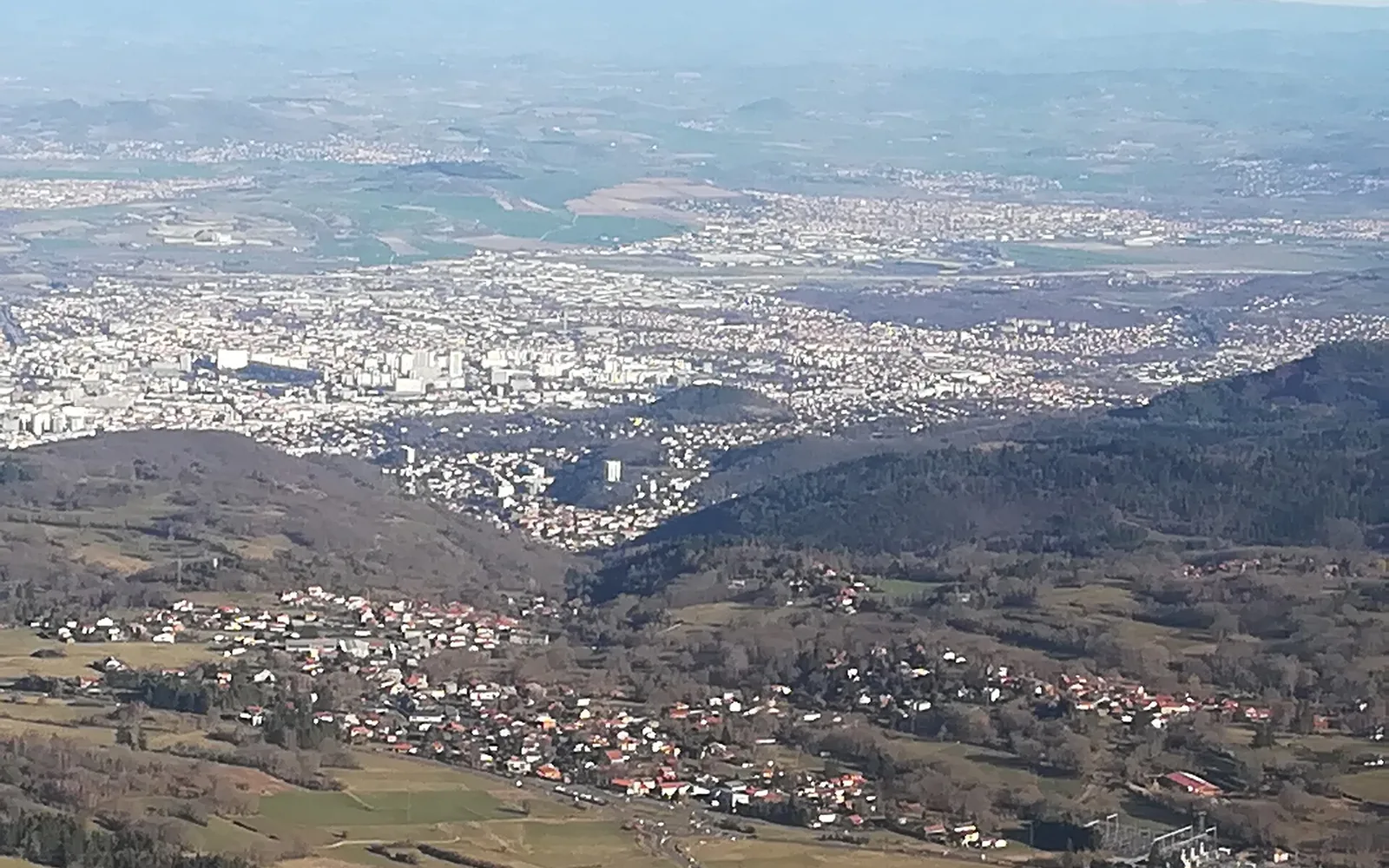
Clermont-Ferrand brings a compact historic centre together with the volcanic landscapes west of the city. The black lava-stone cathedral and Notre-Dame-du-Port belong to an urban day, while Puy de Dôme and other outdoor sites require separate transport and weather checks. Three nights give the city and one landscape outing a useful pace.
Walk between the two historic centres
Clermont and Montferrand developed separately before joining, and their street patterns still feel different. Start around the cathedral and Place de Jaude, then give Montferrand its own route if time allows. The dark volcanic stone links many façades with the geology beyond the city.
See Notre-Dame-du-Port slowly
The Romanesque basilica offers a different architectural story from the Gothic cathedral and forms part of the Routes of Santiago listing. Religious services can affect access. Include the surrounding Port quarter instead of treating the church as a short interior on the way to another attraction.
Choose one volcano day
Puy de Dôme is the clearest first landscape outing, reached through current road, shuttle or panoramic railway arrangements. Weather can hide the view and make exposed conditions uncomfortable. Check operating information, then keep a city museum or lower walk as an alternative.
Do not compress the whole volcanic chain
The Chaîne des Puys covers many cones, paths and access points. One day should focus on a single area suited to the group. Longer hikes need route, water and weather planning, while some rural sites require a car or an organised connection.
Use local transport within the city
Trams and buses connect the station, centre and wider districts. The main historic core is walkable but includes slopes and old surfaces. Outdoor attractions beyond Clermont need their own current connection, and an advertised regional pass does not automatically solve every trailhead.
Build the stay around conditions
Two days allow the main urban sights and museums. Add at least one flexible day for Puy de Dôme or another selected landscape. In winter or severe weather, road and summit conditions can change quickly, while summer heat still matters on exposed volcanic routes.
Continue planning
Questions about Clermont-Ferrand
How many days do I need in Clermont-Ferrand?
Two days suit the city. Add one or two flexible days for the volcanic landscape.
Can I reach Puy de Dôme without a car?
Public or seasonal connections may operate to the panoramic railway. Check the current full route before travel.
Why are many buildings dark?
Local volcanic stone gives the cathedral and other historic buildings their distinctive colour.
Is Clermont-Ferrand a good rail stop?
It has national and regional rail links, but journey patterns are slower than France’s main high-speed corridors.
Sources and updates
This guide was last reviewed on 2 September 2026. Transport, access and opening arrangements can change, so check the official source before travel.
- Official French rail journey planner, SNCF Connect
- Auvergne-Rhône-Alpes visitor information, Auvergne-Rhône-Alpes Tourism
- Clermont-Ferrand visitor information, Clermont Auvergne Volcans
- Puy de Dôme visitor information, Clermont Auvergne Volcans
Related places to consider
These guides can help you place Clermont-Ferrand within a wider route.