
Start with the essentials
Plan Occitanie at a glance
- Main gateway
- Toulouse
- Useful time
- 6 to 10 days
- Main transport
- Intercity and regional rail
- Car use
- Useful beyond the cities
- Main limit
- Very large regional scale
About Occitanie
Why explore Occitanie
Occitanie links a major Garonne city with the fortified landscape of Carcassonne and Montpellier’s Mediterranean urban life. Each city is distinct enough to justify a proper stay.
The coast, Canal du Midi, Pyrenees and rural heritage add depth, but they cannot all be reached as short outings from Toulouse. A clear corridor is more useful than a region-wide checklist.
Plan the region
Begin in Toulouse, stop in Carcassonne and continue to Montpellier. The sequence follows the main railway and avoids repeated returns along the same line.
Add a mountain or beach section only when the trip has another base and current local transport. Montpellier is close to the sea, not directly on it.
Choose where to spend your time
Places to explore
3 guidesToulouse
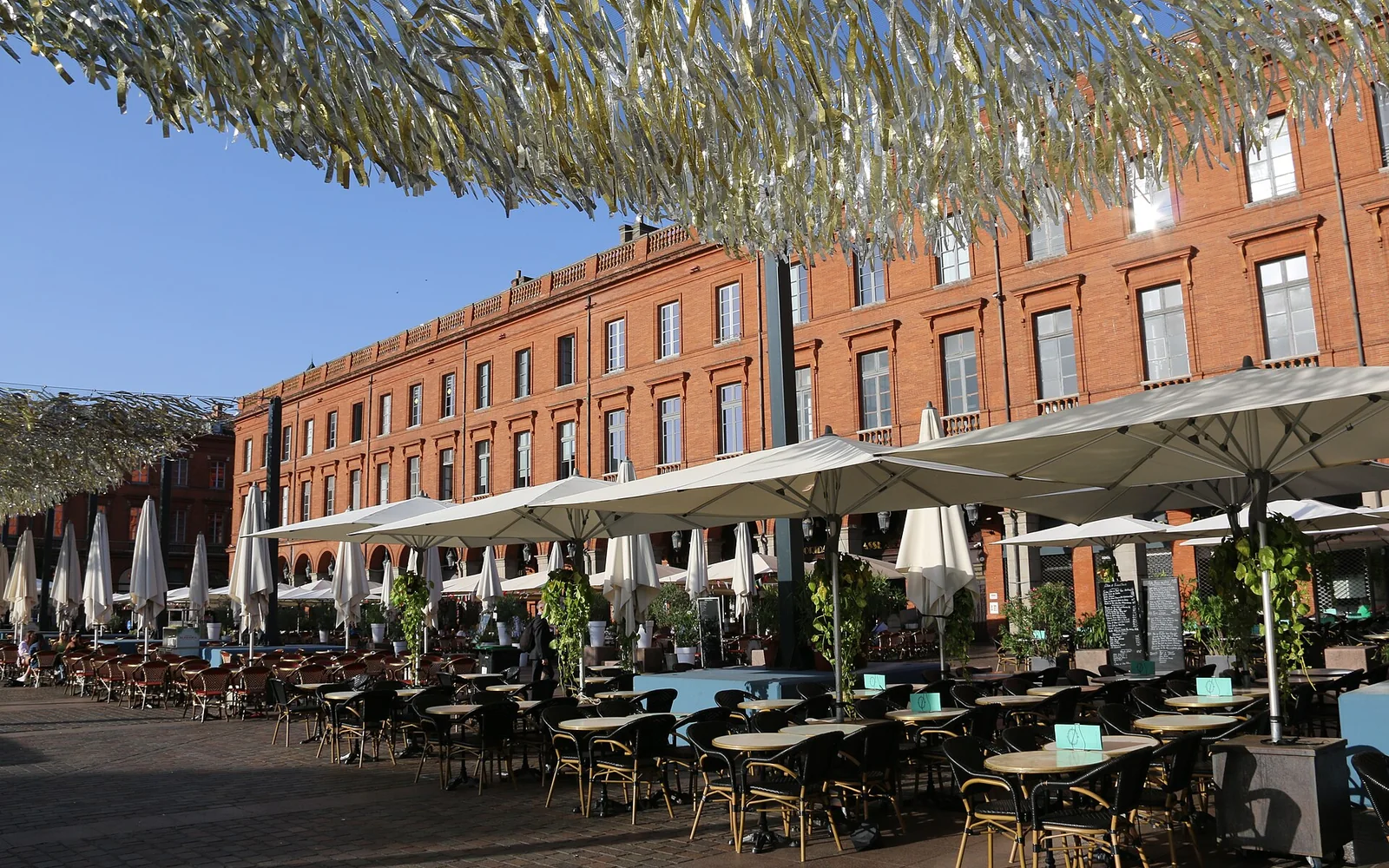
Toulouse is a warm-toned river city of brick architecture, aerospace museums, markets and strong transport links across south-western France.
Open guide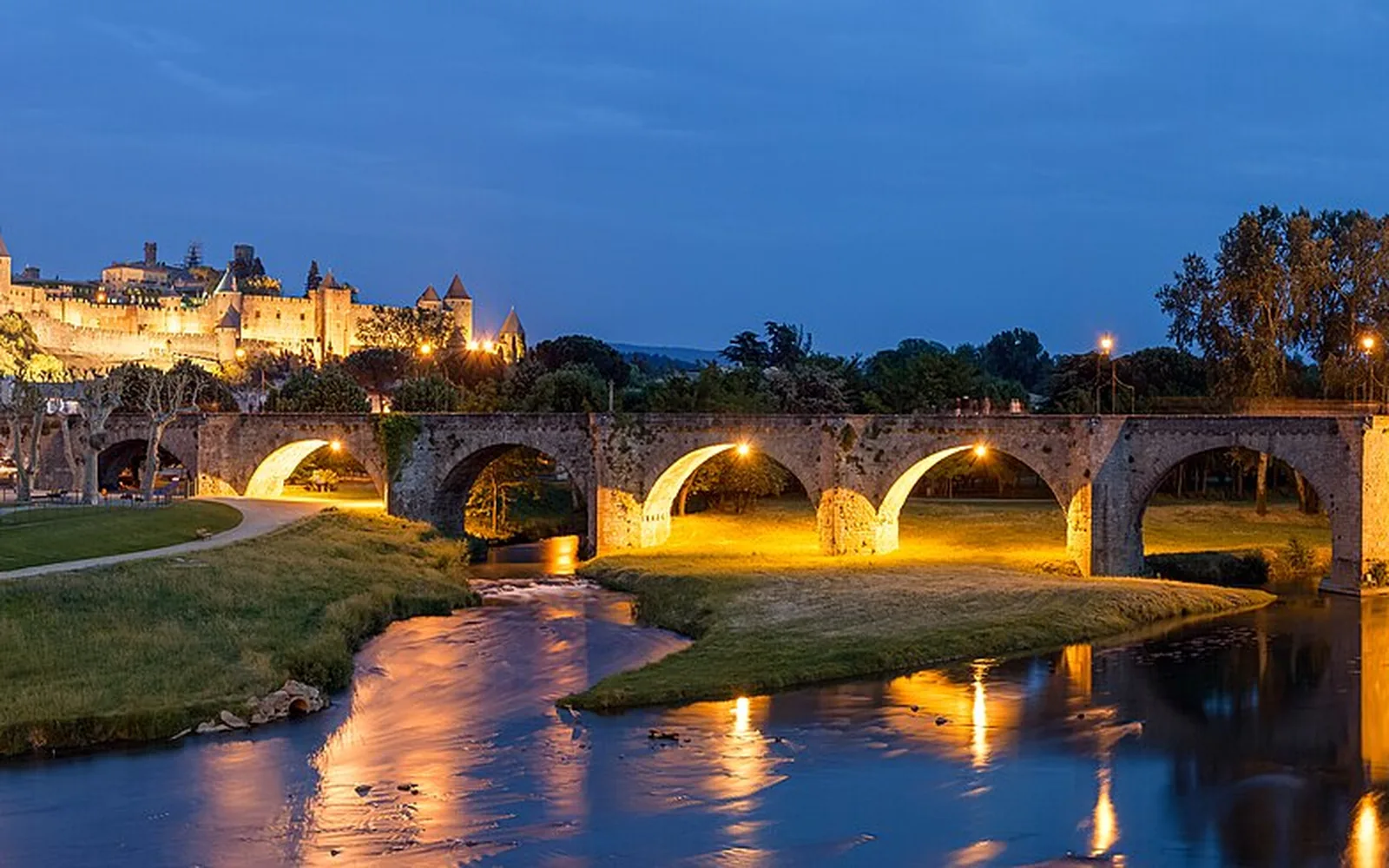
Carcassonne
A two-part city where the fortified Cité, lower Bastide and Canal du Midi deserve a plan that extends beyond the busiest rampart circuit.
Open guide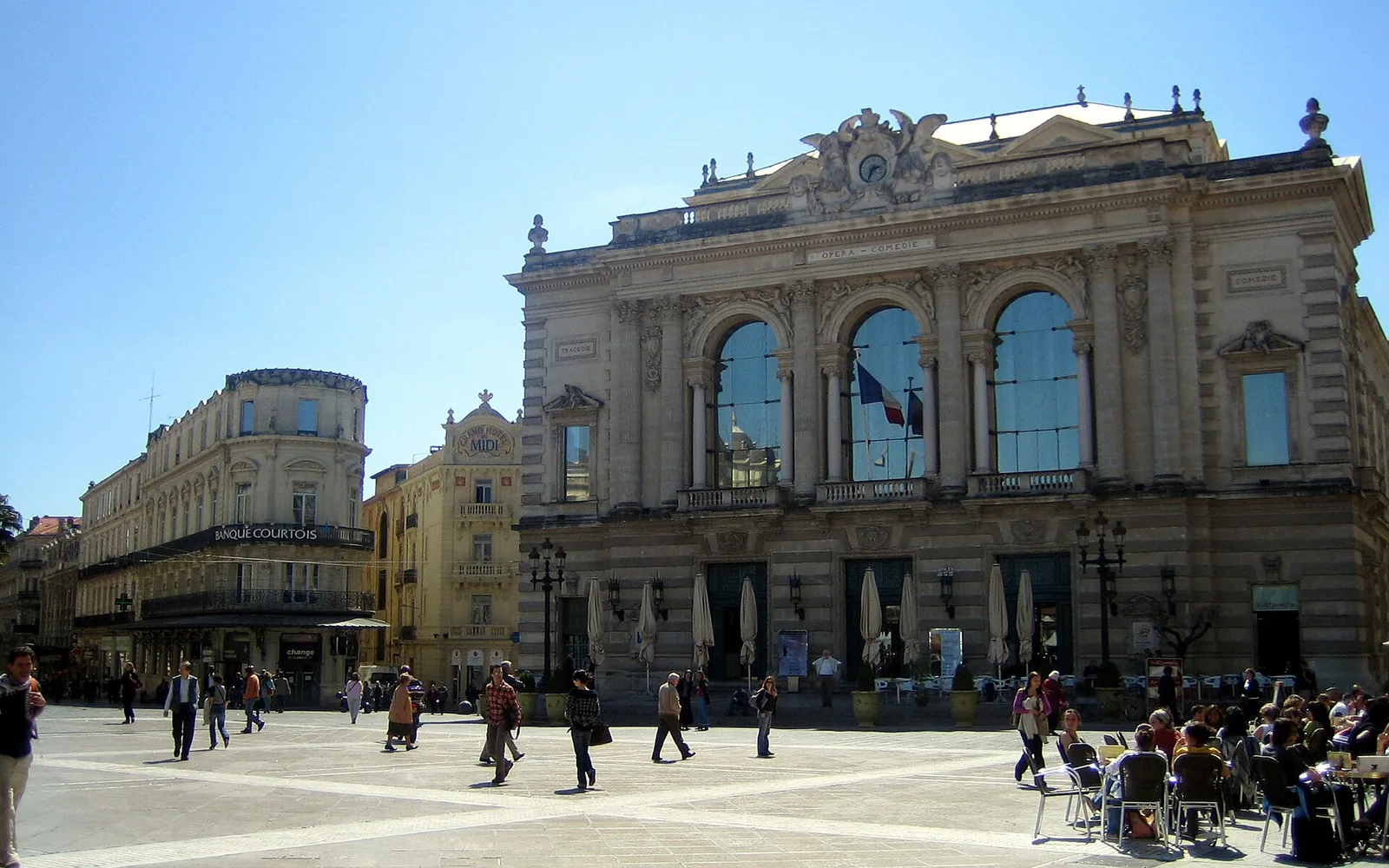
Montpellier
A lively southern city of medieval lanes, modern districts, museums and tram-linked neighbourhoods, with beaches reached beyond the centre rather than beside it.
Open guideBuild a coherent route
Plan by area
Toulouse and the Garonne
Use Toulouse for city museums, markets, brick architecture and selected rail trips toward Albi or Carcassonne.
Carcassonne and the Aude
The medieval Cité, Bastide and Canal du Midi create a full-day or overnight stop on the eastbound route.
Montpellier and the coast edge
Montpellier offers a lively city base, with beaches reached by local transport beyond the centre.
See the main travel bases
See the main Occitanie city route
Loading the map…
The three reviewed cities follow a practical rail line. Mountain valleys and beaches branch away from it and need another transport plan.
Match the route to your time
What fits into your trip
Toulouse and Carcassonne
Spend three nights in Toulouse and use one full day or overnight for Carcassonne. Leave Montpellier, the coast and the Pyrenees for another trip rather than crossing the whole region twice during only four days.
Three-city rail route
Use three nights in Toulouse, one in Carcassonne and three in Montpellier. This gives every city a useful period and leaves one worthwhile local outing without requiring a car or an oversized mountain road detour.
Cities with one landscape section
Complete the three-city corridor, then add a coast or Pyrenees base for two or three nights. Choose only one landscape direction and keep a genuinely flexible spare day for weather, seasonal transport or trail conditions.
Link the stops sensibly
Routes and day trips
The Toulouse to Montpellier railway through Carcassonne is the simplest first route. Secondary lines and mountain valleys should support, not break, that structure.
Suggested regional routes
Toulouse by river and district
Separate the Capitole and Saint-Sernin from the Garonne, markets and aerospace interests, allowing one major museum per day.
Open destination guideCarcassonne’s two towns
Give the fortified Cité and lower Bastide separate time, including the station walk and paid rampart visit.
Open destination guideMontpellier and one coast day
Explore the Écusson and modern districts, then use a checked tram, bus or bicycle connection to one beach area.
Open destination guideChoose transport by destination
Getting around Occitanie
Rail links the reviewed cities. Local buses, trams, bicycles and cars become important for beaches, smaller towns and mountain access.
Main railway
Use dated trains between Toulouse, Carcassonne and Montpellier, checking reservations and the exact Montpellier station.
City transport
Toulouse and Montpellier have useful tram, metro or bus networks, while Carcassonne is mainly walked with an uphill section.
Mountain and coast routes
These require separate seasonal buses, road plans or another base. Do not infer access from regional distance alone.
Choose dates that suit the route
When to visit
Spring and autumn suit the whole city corridor. Summer heat changes sightseeing hours and increases demand near the Mediterranean.
Pyrenees conditions can remain wintry or stormy when the cities are mild. Use current mountain guidance.
Read the seasonal guide for FranceAvoid common route problems
Planning checks
Keep the regional scale visible
Toulouse, the Mediterranean and the Pyrenees are not one set of short day trips.
Check Montpellier station
Saint-Roch is central, while Sud de France requires an onward transfer.
Protect hot afternoons
Move exposed Cité, old-town and coast walks to suitable hours during heat.
Quick answers
Questions about Occitanie
How many days do I need?
Seven days suit Toulouse, Carcassonne and Montpellier. Add several days for one mountain or coast base.
Can I travel by train?
Yes along the main city corridor. Rural, beach and mountain sections need local connections.
Is Carcassonne a day trip?
Yes from Toulouse, but an overnight gives the fortified city quieter hours and leaves time for the Bastide.
Is Montpellier on the beach?
No. The city is inland and needs a local connection to the coast.
How this guide is checked
Sources and review
Reviewed 2 September 2026, next review due 2 March 2027. Services, access rules and opening arrangements can change, so check the official source before travel.
- Official France visitor information, Atout France
- Official French rail journey planner, SNCF Connect
- Official Toulouse visitor information, Toulouse Tourisme
- Occitanie visitor information, Occitanie Tourism Board
- Carcassonne visitor information, Carcassonne Tourist Office
- Montpellier visitor information, Montpellier Méditerranée Tourist Office
Continue through France
Regions that connect naturally
Nouvelle-Aquitaine
Bordeaux anchors a vast south-western region of vineyards, Atlantic coast, historic towns and inland countryside.
Auvergne-Rhône-Alpes
Lyon, Alpine lakes, Mont Blanc valleys and volcanic landscapes make this one of France’s most varied regions.
Provence-Alpes-Côte d’Azur
Mediterranean cities, inland Provence, the Riviera and Alpine districts share one large region with very different travel patterns.
Continue planning
See more of France
Use the country guide to compare Occitanie with other regions and destinations in France.