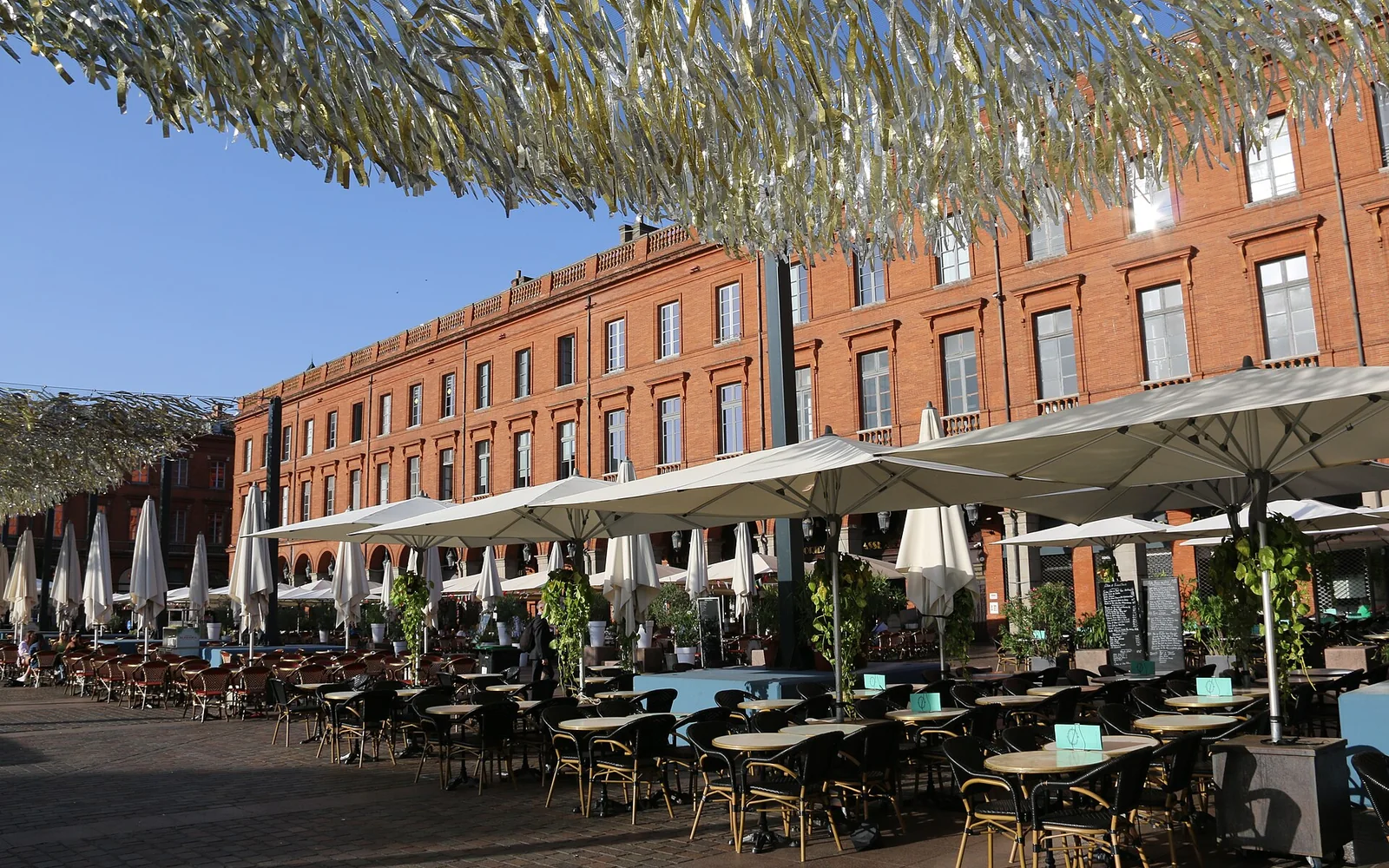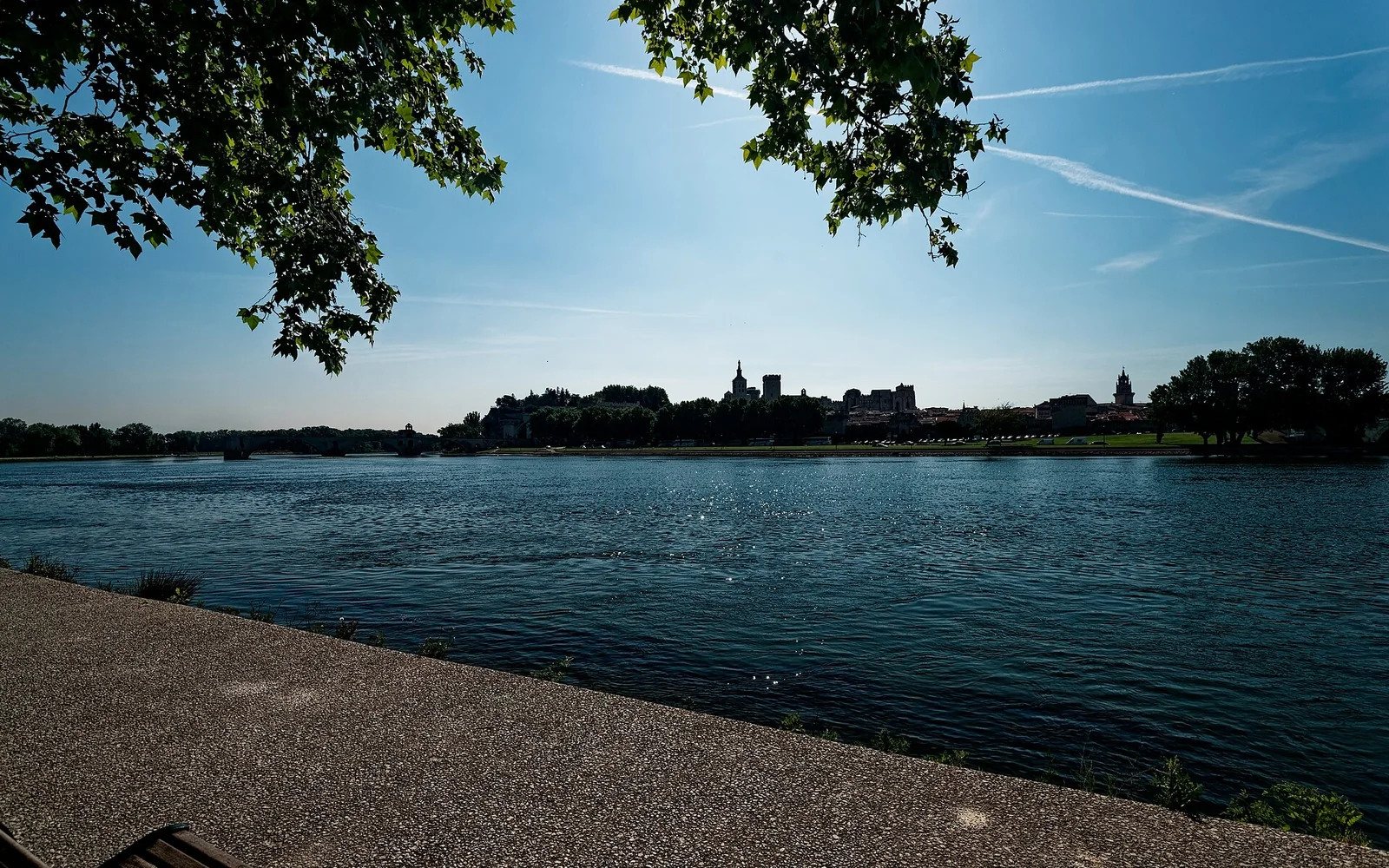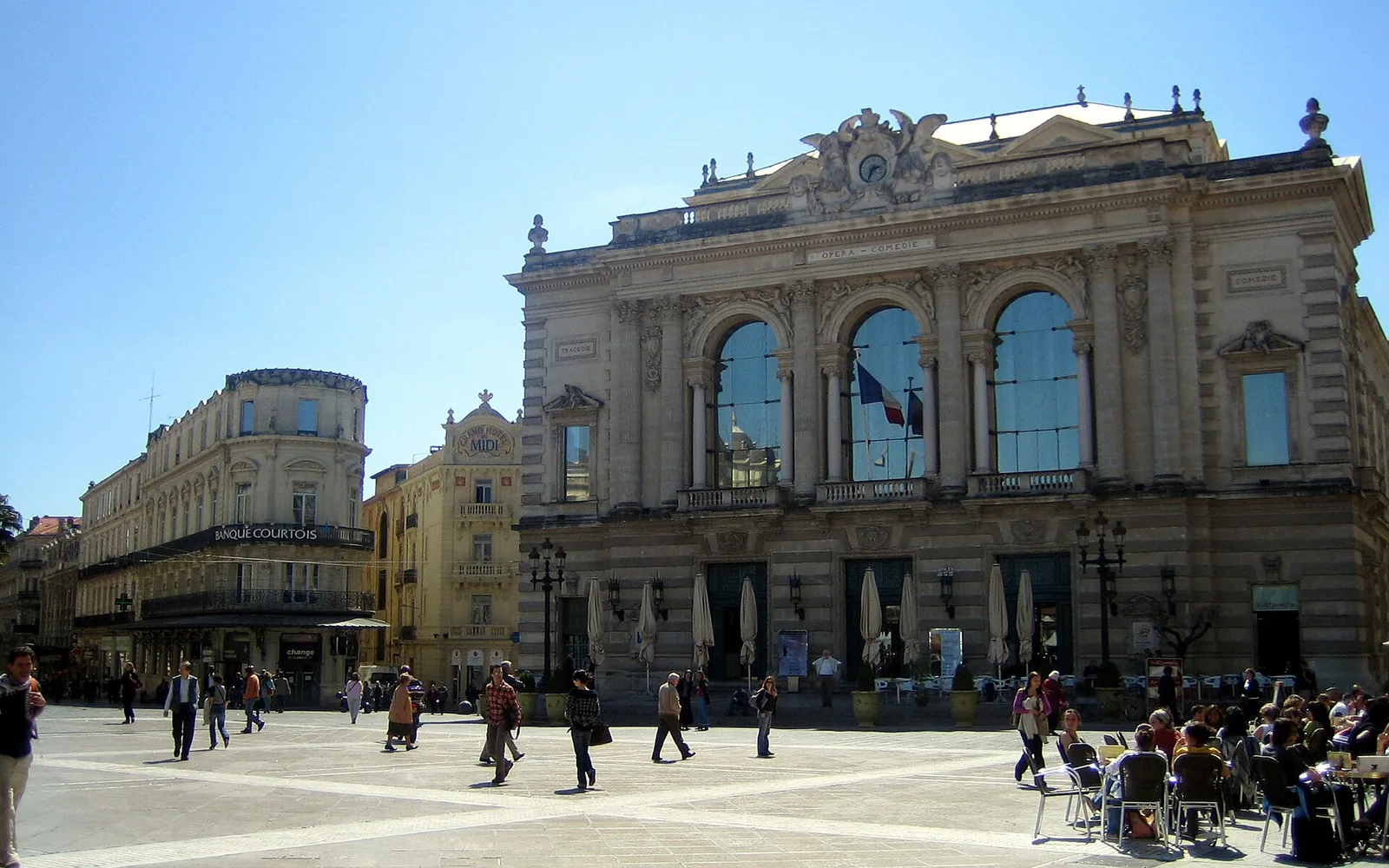
Montpellier combines the pedestrian Écusson with later architecture, university history and a modern tram network. It is close to the Mediterranean but not directly on the beach, a distinction that matters when planning a coast day. Two city days work well before choosing a separate outing toward the shore or nearby historic towns.
Learn the Écusson on foot
Place de la Comédie opens into a dense network of lanes, squares and private-mansion façades. Group the Arc de Triomphe, Peyrou and cathedral side into one walk instead of crossing the centre repeatedly. Summer shade is uneven, so early and evening hours are more comfortable for longer routes.
Balance old and new Montpellier
The city’s identity also includes modern planning around Antigone, contemporary art and active university districts. Use the tram to connect these areas rather than keeping every visit inside the medieval core. Museum opening days and temporary exhibitions should be checked before fixing an indoor afternoon.
Treat the beach as an outing
Montpellier’s centre is inland. Beaches such as Palavas-les-Flots or Villeneuve-lès-Maguelone require a tram, bus, bicycle or road connection, sometimes with a change. Check the current route and final return, and do not describe a central hotel as a beach stay.
Read the station name
Montpellier Saint-Roch is beside the centre. Montpellier Sud de France lies outside it and requires an onward connection. Tickets may use either station, so confirm the arrival point before judging walking distance, choosing accommodation or scheduling a same-day transfer.
Use the tram for wider districts
The tram network links the stations, centre and many outer areas, while the oldest lanes remain best on foot. Event days, works and summer crowds can change journey time. Check local service information when an airport, beach or late train depends on a tight connection.
Build a short southern base
Two days cover the centre, one museum and newer districts. A third or fourth day can add the coast, Nîmes or another focused outing with a verified connection. Carcassonne and Toulouse fit better as onward rail stops than as rushed returns from Montpellier.
Continue planning
Questions about Montpellier
Is Montpellier on the beach?
No. The city centre is inland, and nearby beaches require local transport, cycling or a car.
Which Montpellier station is central?
Montpellier Saint-Roch is beside the centre. Sud de France is outside the city core and needs a transfer.
How many days do I need?
Two days suit the city. Add another day for a planned coast or regional outing.
Do I need a car?
No for the city. A car helps only for rural or coast routes that are awkward by current public transport.
Sources and updates
This guide was last reviewed on 2 September 2026. Transport, access and opening arrangements can change, so check the official source before travel.
- Official France visitor information, Atout France
- Regional train travel in France, SNCF Connect
- Occitanie visitor information, Occitanie Tourism Board
- Montpellier visitor information, Montpellier Méditerranée Tourist Office
Related places to consider
These guides can help you place Montpellier within a wider route.