
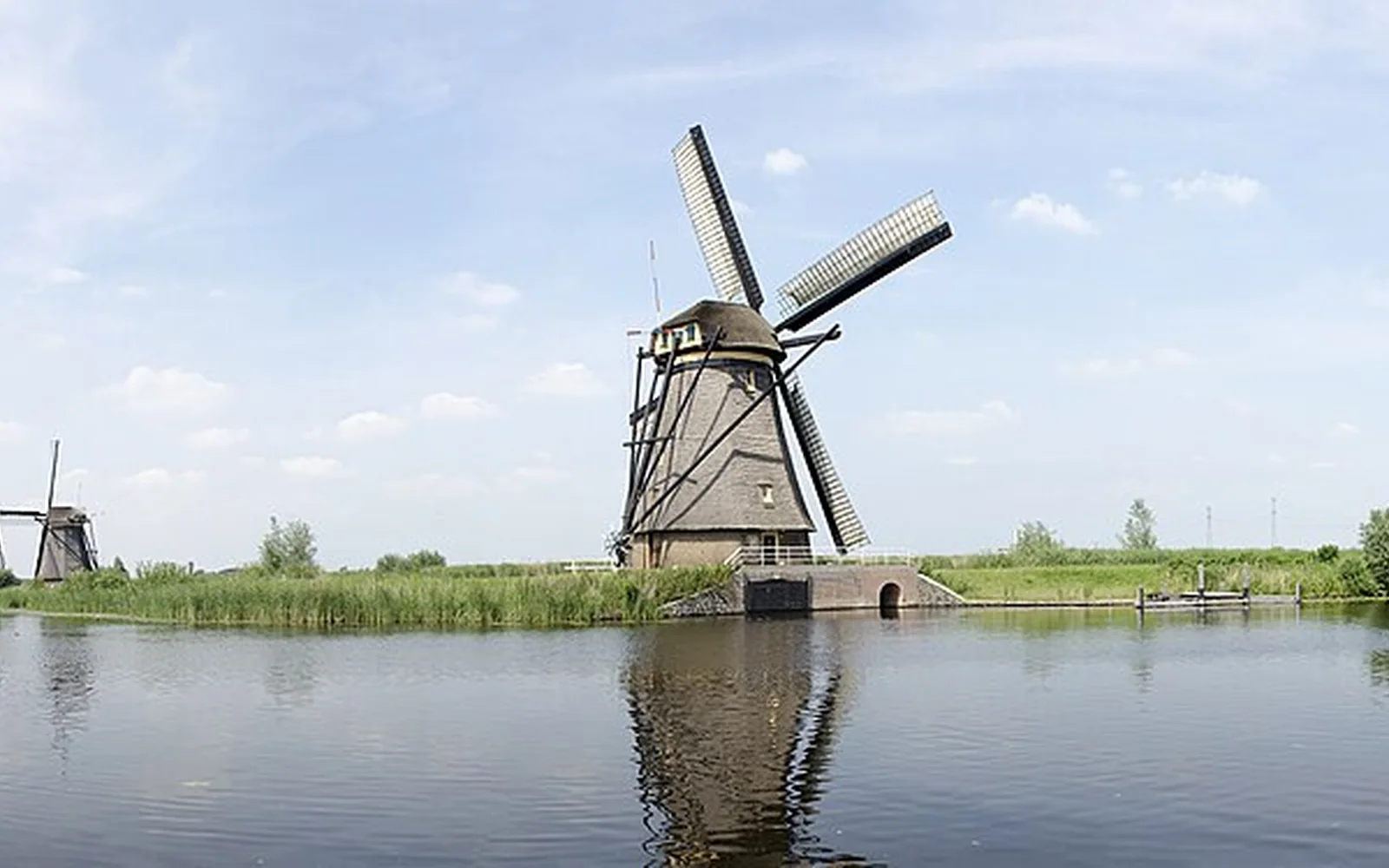
The public paths reveal the full line of mills and waterways, while a paid visitor programme adds museum mills, exhibitions and boats depending on the current offer.
Start with the main local route
The public paths reveal the full line of mills and waterways, while a paid visitor programme adds museum mills, exhibitions and boats depending on the current offer.
Kinderdijk is more than a photograph stop. Allow time to understand the drainage system, walk beyond the entrance and notice that millers still live in parts of the site.
Begin with the water story
The visitor centre and pumping-station interpretation explain why the mills stand in two long rows.
Walk before choosing the boat
The main path gives the clearest sense of distance and landscape. A boat adds another angle when it operates.
Enter a museum mill carefully
Interiors are narrow, steep and historically furnished, with access conditions that differ from the outdoor paths.
Getting there
Routes from Rotterdam may combine metro, bus, waterbus, bicycle or walking depending on the service. Check the complete outward and return journey rather than relying on one mode name.
Getting around
The main site is explored on foot, by bicycle and on visitor boats when operating. Keep cycle lanes clear and follow instructions around mill yards and crossings.
Food to look for
Visitor facilities cover simple refreshments. A longer meal may be easier in Alblasserdam, Dordrecht or Rotterdam before or after the site.
When to visit
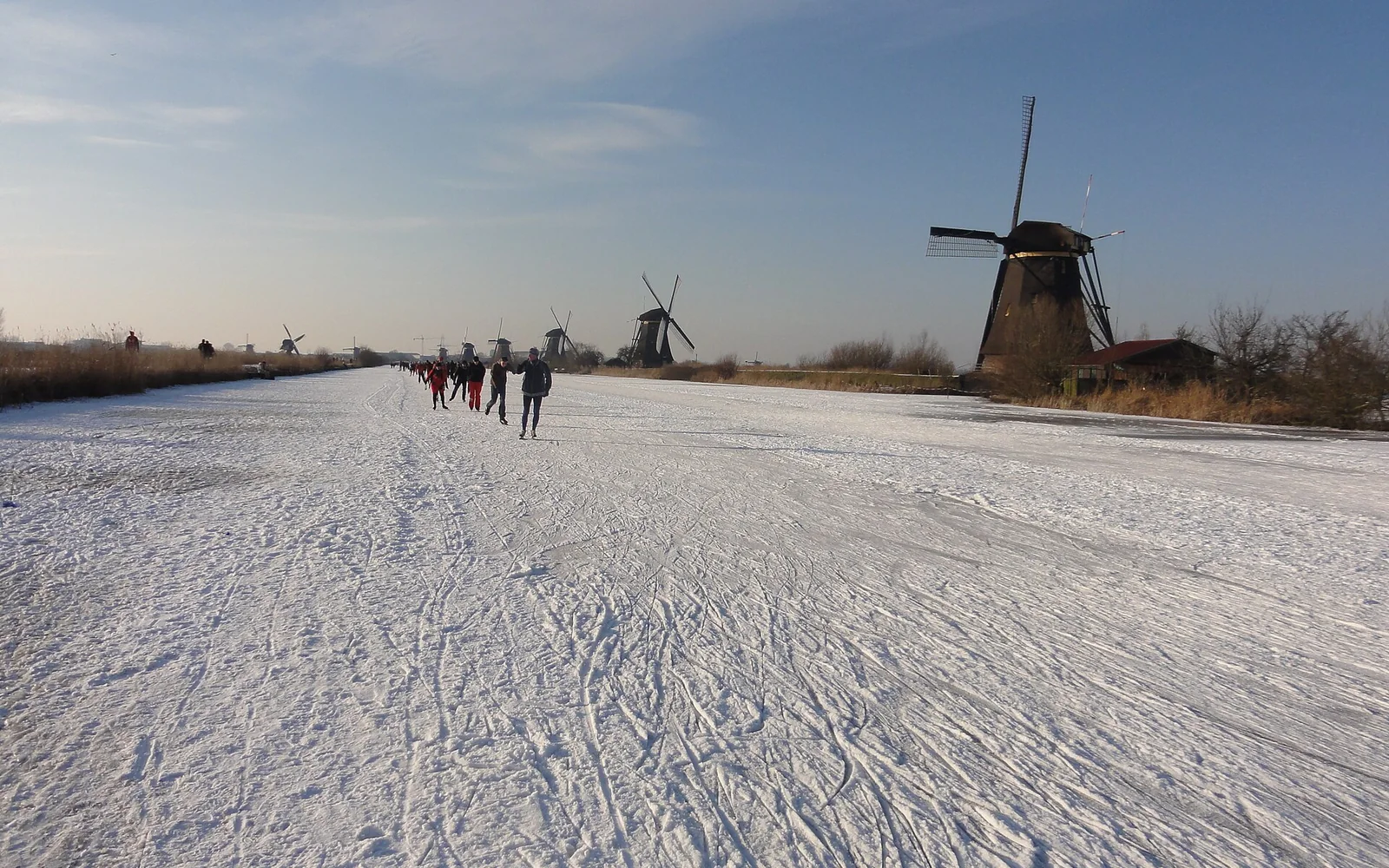
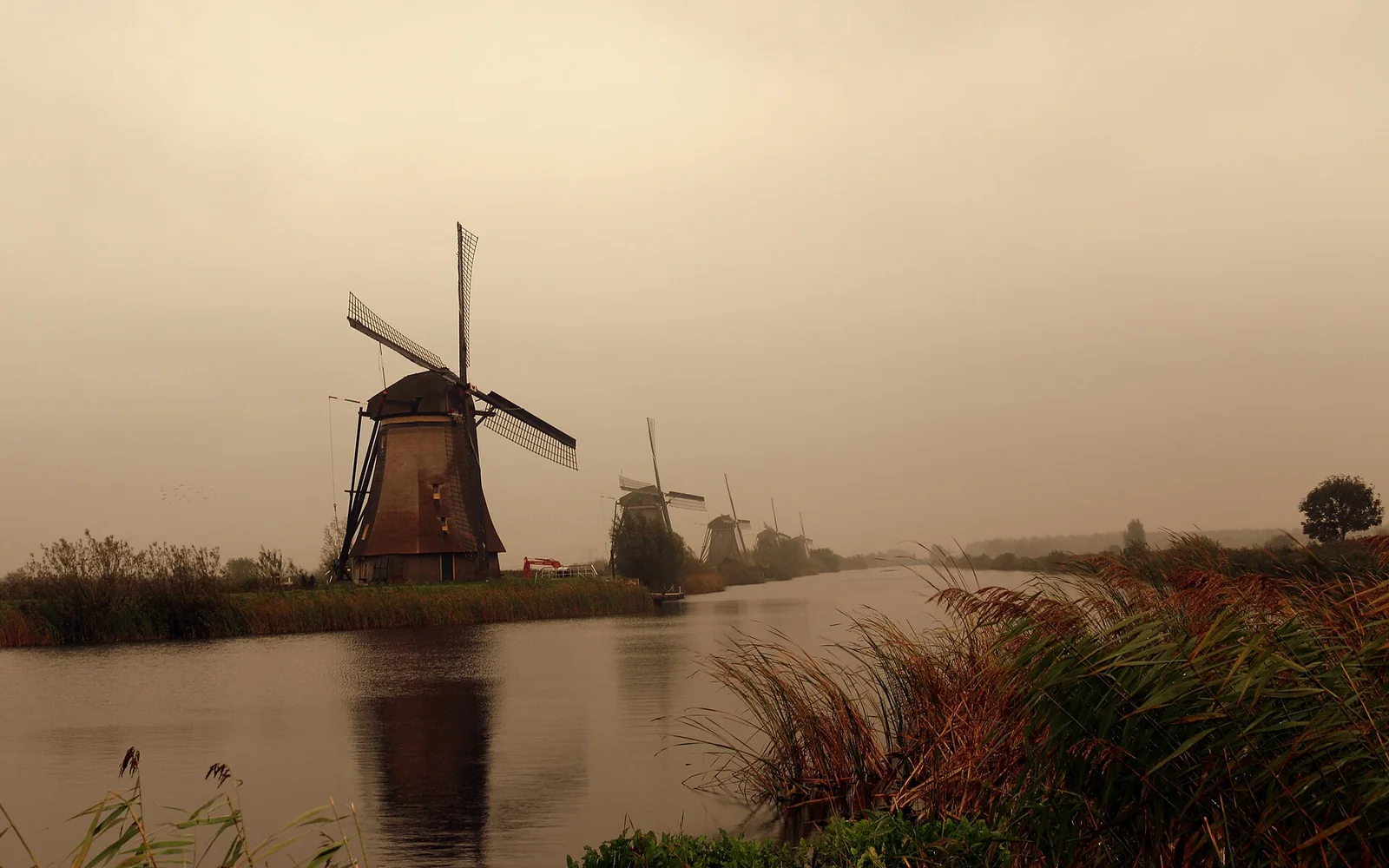
Spring and early autumn suit long walks. Summer is busy and exposed, while winter can be windy and wet. Boat and museum schedules vary.
Accessible travel
Main paths and modern visitor facilities are the easiest parts. Historic mill interiors and boat boarding have limits, so check the official accessibility details.
Practical limits
Some mills are homes, drones and commercial photography have rules, and open water has unguarded edges. Current ticket products do not make every building open every day.
Nearby places
Rotterdam is the main city gateway, while Dordrecht adds a historic river centre. Delft and The Hague require a separate rail connection.
Continue planning
Questions about Kinderdijk
How long do I need at Kinderdijk?
Two hours cover the main path and basic interpretation. Three or four hours allow museum interiors and a boat when operating.
Is Kinderdijk free to enter?
Public outdoor access and paid visitor experiences are not the same. Check the current official ticket inclusions before travel.
Can I reach Kinderdijk by public transport?
Yes, but the best combination varies by date and season. Use a current journey planner for both directions.
Sources and updates
This guide was last reviewed on 3 September 2026. Transport, access and opening arrangements can change, so check the official source before travel.
- Official Netherlands visitor information, Netherlands Board of Tourism and Conventions
- Official Netherlands rail journey planner and service information, NS
- Official nationwide public transport journey planner, 9292
- Official Rotterdam visitor information, Rotterdam Partners
- Official Kinderdijk visitor information, Kinderdijk World Heritage Foundation