
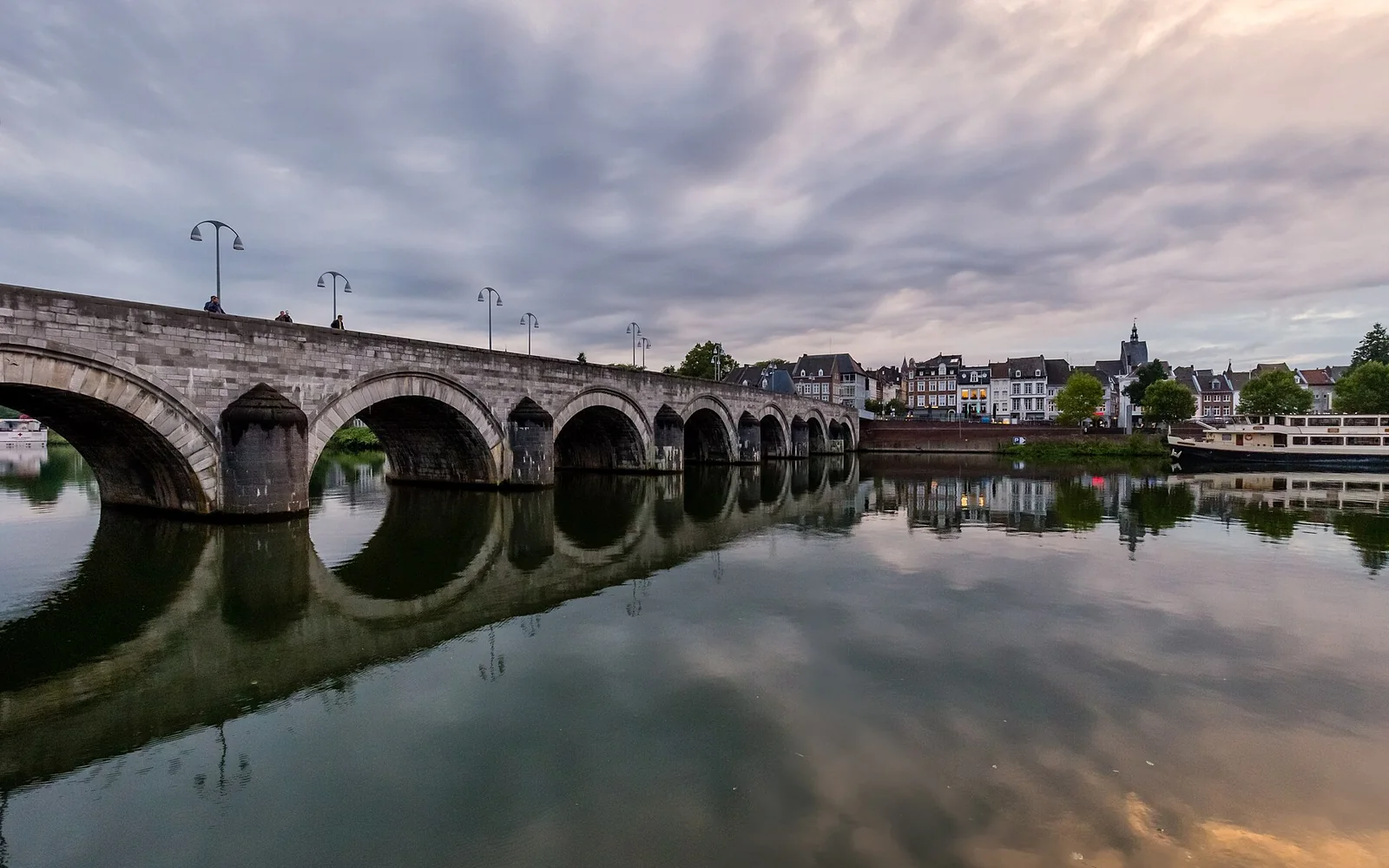
Wyck lies between the station and the Maas, while the Sint Servaas bridge leads to the old centre, Vrijthof and Jeker quarter. Céramique and the Bonnefanten add a modern riverfront contrast.
Start with the main local route
Wyck lies between the station and the Maas, while the Sint Servaas bridge leads to the old centre, Vrijthof and Jeker quarter. Céramique and the Bonnefanten add a modern riverfront contrast.
Maastricht deserves an overnight stay. Its distance from Amsterdam, evening atmosphere and access to South Limburg make a rushed return journey a poor use of the city.
Cross the river on foot
The route from Wyck across Sint Servaasbrug introduces the city better than arriving directly in Vrijthof.
Link squares with quieter lanes
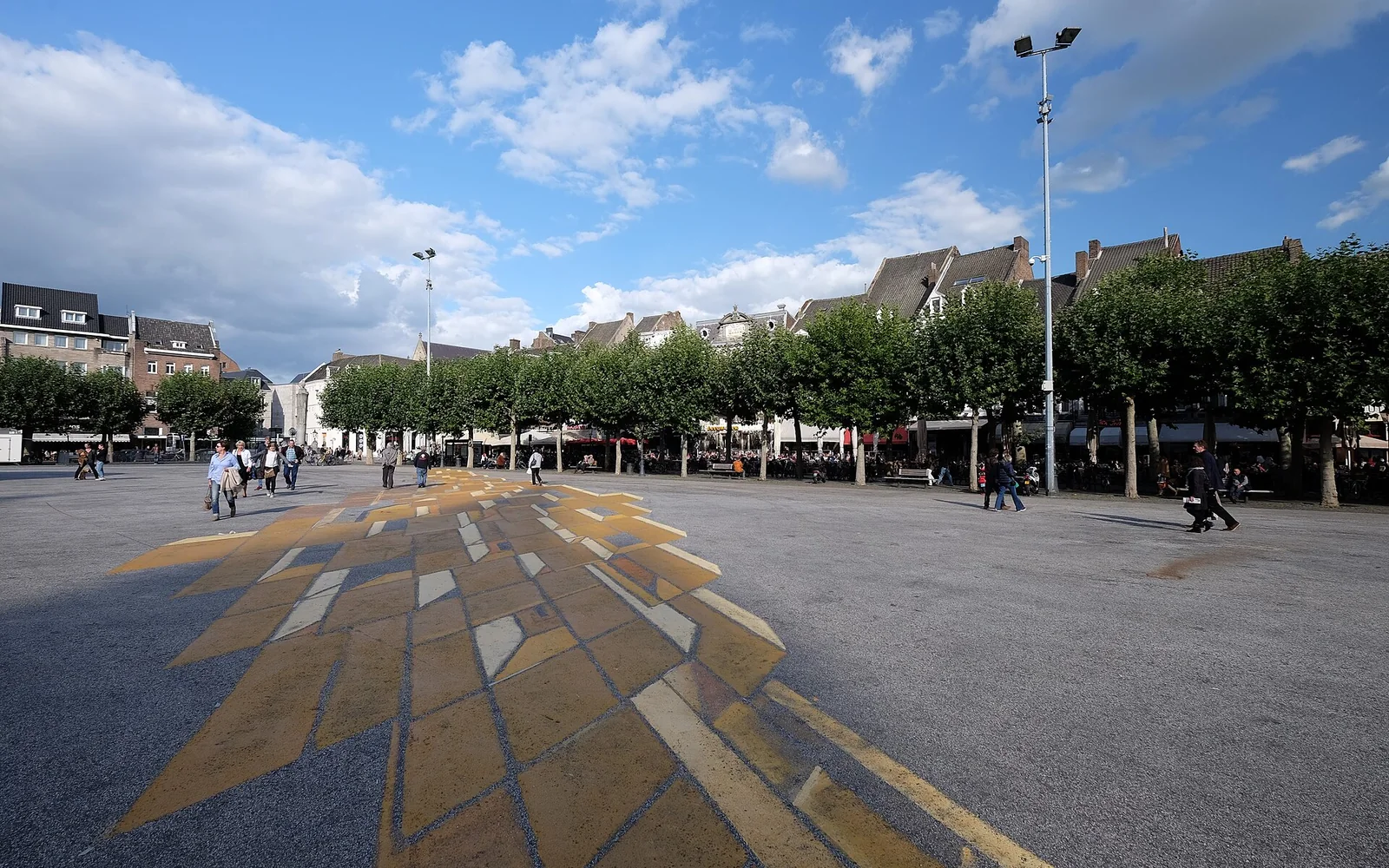
Vrijthof and Markt are busy anchors, while the Jeker quarter and old walls create a slower route between them.
Book underground visits properly
Cave and fort tours are guided, timed and subject to their own walking and access conditions.
Getting there
Maastricht station has domestic and cross-border connections. Some journeys require changes at Eindhoven, Liège or Aachen, with separate ticket rules depending on the route.
Getting around
Central Maastricht is walkable, though cobbles and hills affect some routes. Buses serve Sint Pieter and outer districts, and regional trains reach nearby towns.
Food to look for
Limburg vlaai, regional beer, bakeries and a strong restaurant culture define the city. Book sought-after weekend tables and look beyond the most obvious squares.
When to visit
Spring and autumn suit city and hill walks. Summer brings terraces and events, while winter markets increase weekend demand. Underground tours keep a cool, stable temperature.
Accessible travel
River promenades and modern museums can be straightforward, but cobbles, old buildings, caves and steep approaches vary. Check guided-tour requirements directly.
Practical limits
Underground routes are not independent visits. Major fairs and events can fill hotels, and cross-border products do not always use the same fare system.
Nearby places
Valkenburg, South Limburg hills, Liège and Aachen are possible onward trips. Each needs a current timetable and ticket check.
Continue planning
Questions about Maastricht
How many days do I need in Maastricht?
Two full days cover the main quarters and museums. Add a third for an underground or South Limburg trip.
Is Maastricht suitable as a day trip from Amsterdam?
It is possible but tiring. Staying overnight gives more time and avoids spending most of the day on trains.
Can I visit Maastricht’s caves independently?
No. Public visits use guided tours with set times and route conditions.
Sources and updates
This guide was last reviewed on 3 September 2026. Transport, access and opening arrangements can change, so check the official source before travel.
- Official Netherlands visitor information, Netherlands Board of Tourism and Conventions
- Official Netherlands rail journey planner and service information, NS
- Official nationwide public transport journey planner, 9292
- Official Maastricht visitor information, Maastricht Marketing