
Denmark is visitable year-round, but daylight, coastal wind, island capacity and school holidays change the practical route each month.
January to March: When to visit Denmark
January: Use Copenhagen, Aarhus or Odense for museums and food, with short daylight and exposed coast conditions limiting rural plans. Short daylight. Check coast or ferry notices.
February: City breaks remain practical; keep harbour and island time flexible around wind, cold rain and reduced opening. Severe cold. Check coast or ferry notices.
March: Longer light helps city walking, but coast paths and smaller attractions still operate on shoulder-season patterns. Dated local conditions. Check coast or ferry notices.
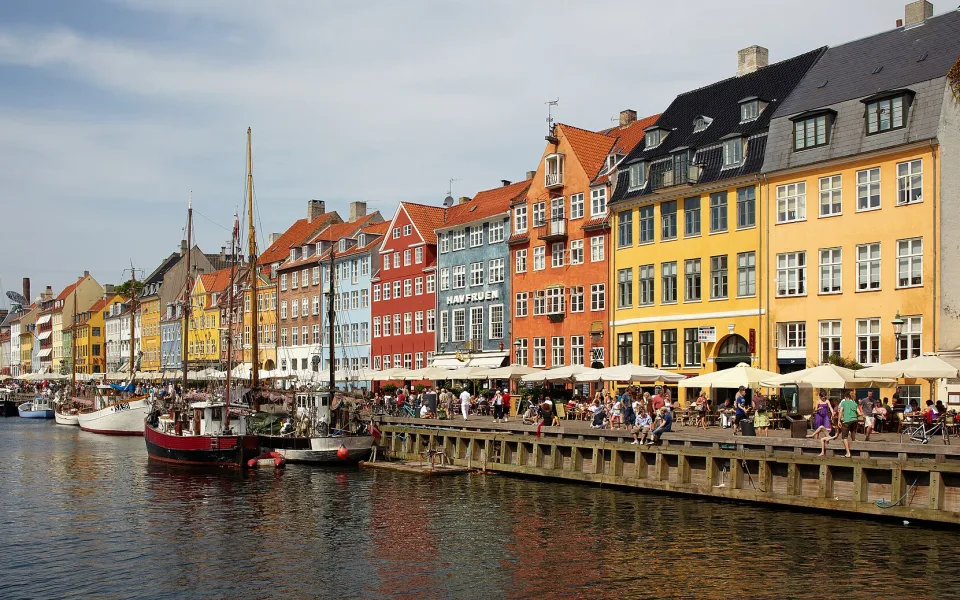
April to June: When to visit Denmark
April: Historic cities and gardens become easier, while Easter dates can create concentrated domestic demand. Booking pressure. Check site hours.
May: Long days, fresh landscapes and moderate demand make rail cities, Møn and Jutland routes work well. Booking pressure. Check the final rail service.
June: Very long evenings favour cycling and islands, with popular rooms and ferries beginning to tighten. Booking pressure. Check coast or ferry notices.
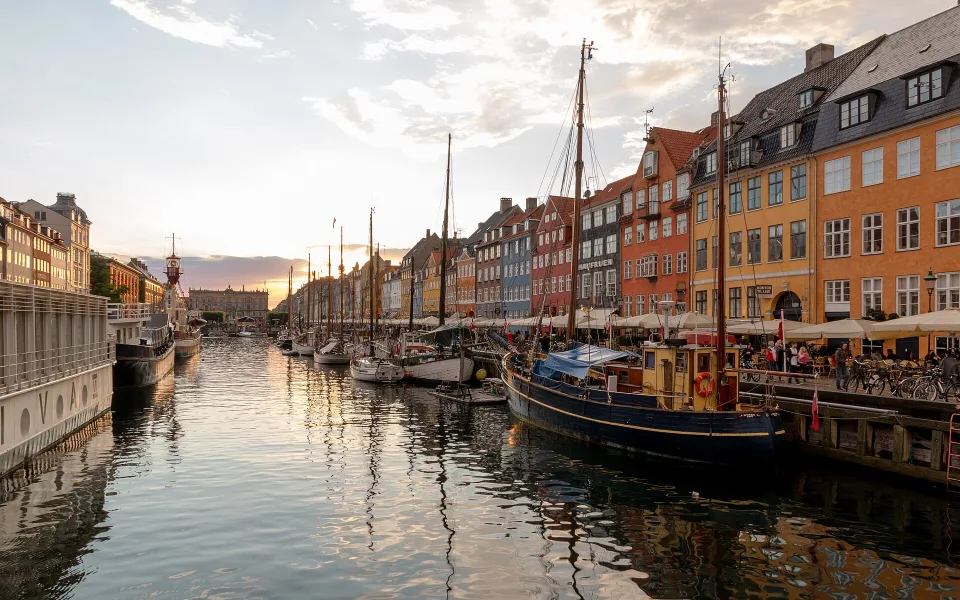
July to September: When to visit Denmark
July: School holidays bring the broadest visitor operation and the strongest pressure on coast, islands and family attractions. Booking pressure. Check coast or ferry notices.
August: Sea and island travel remain strong, while later dates can be calmer than July after local holidays ease. Dated local conditions. Check coast or ferry notices.
September: Cities, cycling and coast walks suit cooler days, but ferry and attraction frequency may begin to reduce. Dated local conditions. Check coast or ferry notices.

October to December: When to visit Denmark
October: Autumn city trips work well; wind, rain and shorter hours narrow exposed cliff and island plans. Wind or rain. Check coast or ferry notices.
November: Choose museum-rich cities and expect limited rural daylight, quieter streets and fewer seasonal services. Reduced seasonal services. Check site hours.
December: Christmas city travel is attractive, but demand spikes around event weekends and outdoor days remain short. Booking pressure. Check site hours.
Use the seasonal guide with a route
Month-by-month guide
| Month | Good for | Main limitations | Crowds | Transport or access |
|---|---|---|---|---|
| January | Use Copenhagen, Aarhus or Odense for museums and food, with short daylight and exposed coast conditions limiting rural plans. | Short daylight. | Demand is usually manageable outside winter holidays and major events. | Check coast or ferry notices. |
| February | City breaks remain practical; keep harbour and island time flexible around wind, cold rain and reduced opening. | Severe cold. | Demand is usually manageable outside winter holidays and major events. | Check coast or ferry notices. |
| March | Longer light helps city walking, but coast paths and smaller attractions still operate on shoulder-season patterns. | Dated local conditions. | Demand is generally moderate, with local peaks around events and holiday weekends. | Check coast or ferry notices. |
| April | Historic cities and gardens become easier, while Easter dates can create concentrated domestic demand. | Booking pressure. | Public holidays and major events can create short periods of heavy demand. | Check site hours. |
| May | Long days, fresh landscapes and moderate demand make rail cities, Møn and Jutland routes work well. | Booking pressure. | Public holidays and major events can create short periods of heavy demand. | Check the final rail service. |
| June | Very long evenings favour cycling and islands, with popular rooms and ferries beginning to tighten. | Booking pressure. | Public holidays and major events can create short periods of heavy demand. | Check coast or ferry notices. |
| July | School holidays bring the broadest visitor operation and the strongest pressure on coast, islands and family attractions. | Booking pressure. | Demand is high in the busiest places, so book route-critical rooms and transport early. | Check coast or ferry notices. |
| August | Sea and island travel remain strong, while later dates can be calmer than July after local holidays ease. | Dated local conditions. | Demand is usually lighter outside local events and holiday weekends. | Check coast or ferry notices. |
| September | Cities, cycling and coast walks suit cooler days, but ferry and attraction frequency may begin to reduce. | Dated local conditions. | Demand is generally moderate, with local peaks around events and holiday weekends. | Check coast or ferry notices. |
| October | Autumn city trips work well; wind, rain and shorter hours narrow exposed cliff and island plans. | Wind or rain. | Demand is generally moderate, with local peaks around events and holiday weekends. | Check coast or ferry notices. |
| November | Choose museum-rich cities and expect limited rural daylight, quieter streets and fewer seasonal services. | Reduced seasonal services. | Demand is usually lighter outside local events and holiday weekends. | Check site hours. |
| December | Christmas city travel is attractive, but demand spikes around event weekends and outdoor days remain short. | Booking pressure. | Public holidays and major events can create short periods of heavy demand. | Check site hours. |