
Danish island routes operate through different ports and calendars, so the correct sailing matters more than a broad national ferry season.
January to March: Denmark island and ferry season
January: Use essential-service sailings only after checking winter frequency, weather notices and the onward island bus. Snow access. Check coast or ferry notices.
February: Low demand can mean fewer visitor services even where ferries continue to run. Booking pressure. Check coast or ferry notices.
March: Shoulder-season sailings support a quiet trip, but bicycles and rural accommodation need direct confirmation. Dated local conditions. Check coast or ferry notices.
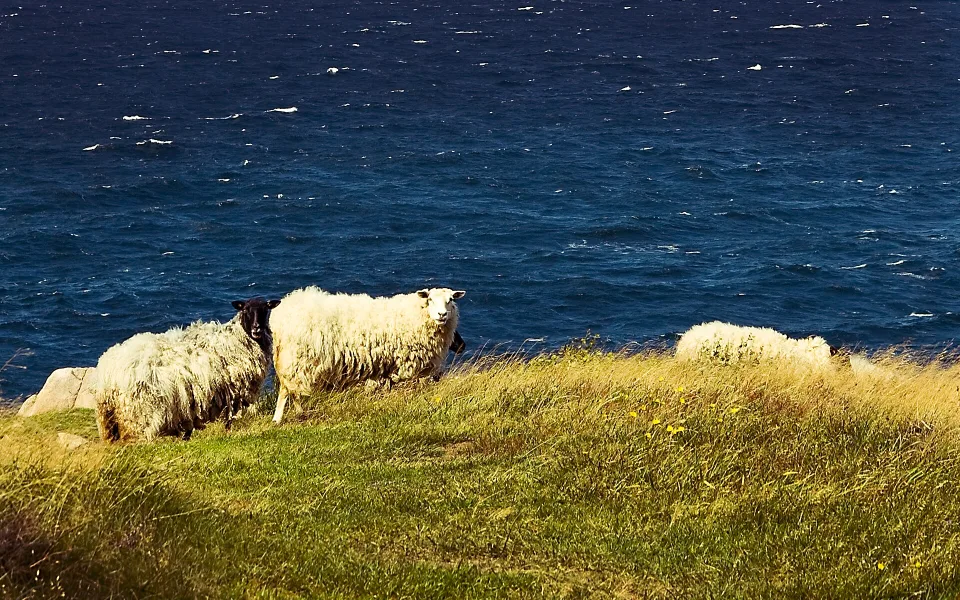
April to June: Denmark island and ferry season
April: Easter can add departures and demand; reserve vehicles and cabins where the route requires them. Booking pressure. Check coast or ferry notices.
May: Longer days and reopening visitor businesses make small-island touring increasingly practical. Dated local conditions. Check coast or ferry notices.
June: Ferry choice broadens and bicycles become popular, so capacity should be booked on constrained routes. Booking pressure. Check coast or ferry notices.
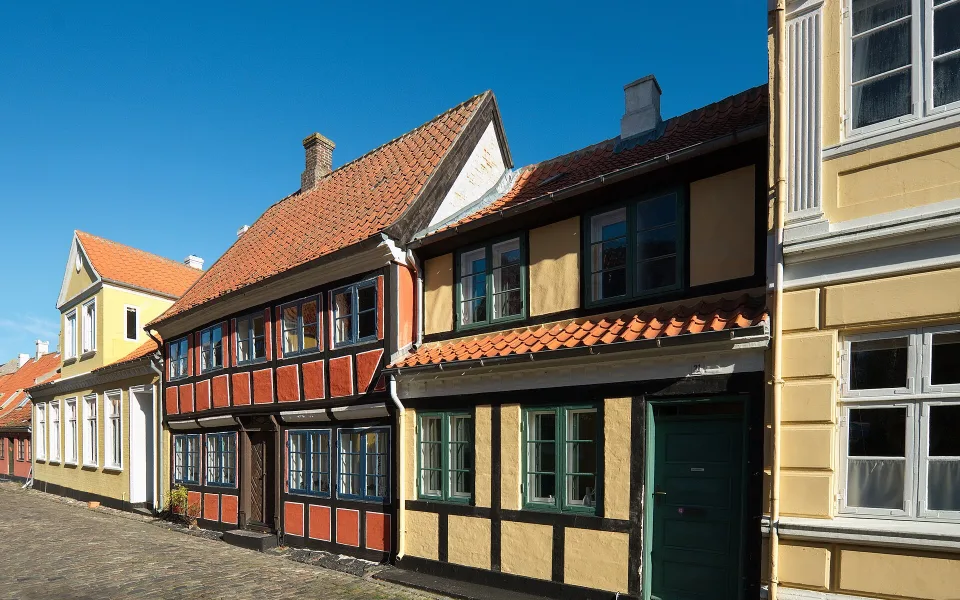
July to September: Denmark island and ferry season
July: Peak island demand affects sailings, rooms, rental bicycles and vehicle space. Booking pressure. Check coast or ferry notices.
August: Core summer services continue, with quieter conditions possible after Danish school holidays. Dated local conditions. Check coast or ferry notices.
September: The sea can still suit island travel, but reduced frequencies make missed connections more consequential. Dated local conditions. Check coast or ferry notices.

October to December: Denmark island and ferry season
October: Wind disruption and closed seasonal businesses require a simple route with a mainland fallback. Wind or rain. Check coast or ferry notices.
November: Use only an island with dependable year-round services and accommodation confirmed in advance. Dated local conditions. Check coast or ferry notices.
December: Holiday sailings can be busy while local transport is reduced, so verify the entire port-to-room journey. Booking pressure. Check coast or ferry notices.
Use the seasonal guide with a route
Month-by-month guide
| Month | Good for | Main limitations | Crowds | Transport or access |
|---|---|---|---|---|
| January | Use essential-service sailings only after checking winter frequency, weather notices and the onward island bus. | Snow access. | Demand is usually manageable outside winter holidays and major events. | Check coast or ferry notices. |
| February | Low demand can mean fewer visitor services even where ferries continue to run. | Booking pressure. | Public holidays and major events can create short periods of heavy demand. | Check coast or ferry notices. |
| March | Shoulder-season sailings support a quiet trip, but bicycles and rural accommodation need direct confirmation. | Dated local conditions. | Demand is usually lighter outside local events and holiday weekends. | Check coast or ferry notices. |
| April | Easter can add departures and demand; reserve vehicles and cabins where the route requires them. | Booking pressure. | Public holidays and major events can create short periods of heavy demand. | Check coast or ferry notices. |
| May | Longer days and reopening visitor businesses make small-island touring increasingly practical. | Dated local conditions. | Demand is generally moderate, with local peaks around events and holiday weekends. | Check coast or ferry notices. |
| June | Ferry choice broadens and bicycles become popular, so capacity should be booked on constrained routes. | Booking pressure. | Demand often rises where the best weather and fullest transport schedules coincide. | Check coast or ferry notices. |
| July | Peak island demand affects sailings, rooms, rental bicycles and vehicle space. | Booking pressure. | Demand is high in the busiest places, so book route-critical rooms and transport early. | Check coast or ferry notices. |
| August | Core summer services continue, with quieter conditions possible after Danish school holidays. | Dated local conditions. | Demand is usually lighter outside local events and holiday weekends. | Check coast or ferry notices. |
| September | The sea can still suit island travel, but reduced frequencies make missed connections more consequential. | Dated local conditions. | Demand is generally moderate, with local peaks around events and holiday weekends. | Check coast or ferry notices. |
| October | Wind disruption and closed seasonal businesses require a simple route with a mainland fallback. | Wind or rain. | Demand is generally moderate, with local peaks around events and holiday weekends. | Check coast or ferry notices. |
| November | Use only an island with dependable year-round services and accommodation confirmed in advance. | Dated local conditions. | Public holidays and major events can create short periods of heavy demand. | Check coast or ferry notices. |
| December | Holiday sailings can be busy while local transport is reduced, so verify the entire port-to-room journey. | Booking pressure. | Public holidays and major events can create short periods of heavy demand. | Check coast or ferry notices. |