
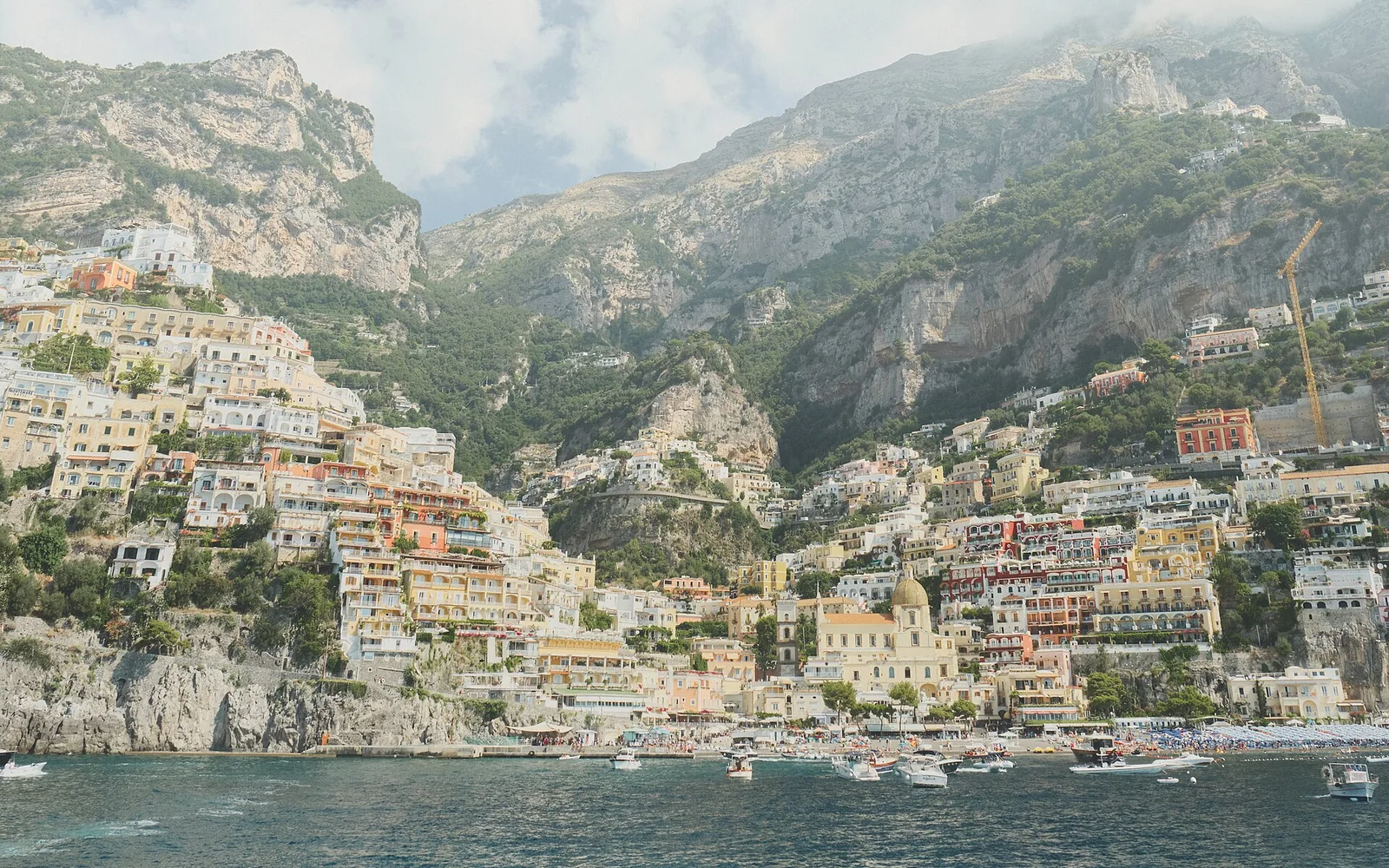
The Amalfi Coast is a chain of distinct towns rather than one resort. Positano is steep and visually dramatic, Amalfi is a central transport point, Ravello sits above the sea, and Maiori offers a flatter waterfront.
Pick the base before choosing coastal stops
The Amalfi Coast is a chain of distinct towns rather than one resort. Positano is steep and visually dramatic, Amalfi is a central transport point, Ravello sits above the sea, and Maiori offers a flatter waterfront.
Choose one base according to transport and mobility, then plan one side of the coast at a time. Ferries can be efficient in season, while buses remain essential for hill towns and poor-weather days.
Choose the right base for Amalfi Coast
Amalfi works well for bus changes and central coast trips. Positano suits scenery but involves many steps. Salerno offers rail convenience, while Maiori has a gentler seafront layout.
Use sea and land together
Boats provide useful coastal links when running, but wind and sea conditions can cancel services. Keep the bus route as a backup.
Walk within current limits
The Path of the Gods and local stair routes require suitable weather, footwear and transport at both ends. Check trail and bus information on the day.
Build a realistic visit to Amalfi Coast
Day 1: settle into one base and explore it on foot.
Day 2: visit Amalfi and Ravello without adding a third distant town.
Day 3: spend time in Positano and use a ferry if conditions allow.
Day 4: choose a suitable walk, Maiori and Minori, or a slower coast day.
Days 5 to 6: add buffer time for weather or continue through Salerno.
Arrive and move around Amalfi Coast
The coast has no through railway. Salerno is a useful eastern rail gateway and Sorrento serves the western side through local rail and road links. Amalfi’s official visitor information recommends considering public or sea transport instead of driving.
SITA buses, seasonal ferries, local boats and taxis connect the towns. Buses can be crowded and delayed on the narrow road. Tickets, stops and the last return service should be checked before leaving the base.
Food and local stops in Amalfi Coast
Coastal menus centre on seafood, lemons, pasta and local pastries. Prices vary sharply by view and location, so read menus before sitting down and look beyond the busiest waterfront terraces.
Choose the right conditions for Amalfi Coast
Late spring and early autumn balance useful services with less intense heat. Summer brings full ferries, crowded buses and road delays. Winter is quiet, with fewer sea links and some seasonal businesses closed.
Steep streets and long staircases are common. Maiori and parts of Amalfi or Salerno are easier than upper Positano and Ravello routes. Confirm hotel lift access, drop-off points and the exact path from a ferry or bus stop.
Do not promise fixed bus journey times in summer traffic. Boats depend on conditions, and luggage can be difficult on stairs. Leave a buffer before flights or long-distance trains.
Continue from Amalfi Coast
Sorrento is a separate peninsula base with connections to Pompeii and Capri. Naples and Salerno are the main city gateways. Pompeii requires its own site day.
Compare nearby Campania bases
Amalfi Coast planning questions
Where should I stay on the Amalfi Coast?
Choose Amalfi for central bus links, Positano for scenery, Maiori for a flatter setting, Ravello for quiet hill views or Salerno for rail convenience.
Do I need a car on the Amalfi Coast?
No. Buses, boats and taxis cover the main towns. Driving adds parking and traffic pressure and is rarely the easiest choice for a first visit.
How many days do I need for the Amalfi Coast?
Four days allow several towns without constant movement. Five or six days give room for weather, walking and a slower pace.
Sources and updates
This guide was last reviewed on 3 September 2026. Transport, access and opening arrangements can change, so check the official source before travel.
- Official Italian tourism information, Italian Ministry of Tourism
- Trenitalia passenger information, Trenitalia
- Official Campania travel information, Italian Ministry of Tourism
- Official Amalfi visitor and transport information, Municipality of Amalfi
- Italian cultural heritage information, Italian Ministry of Culture