
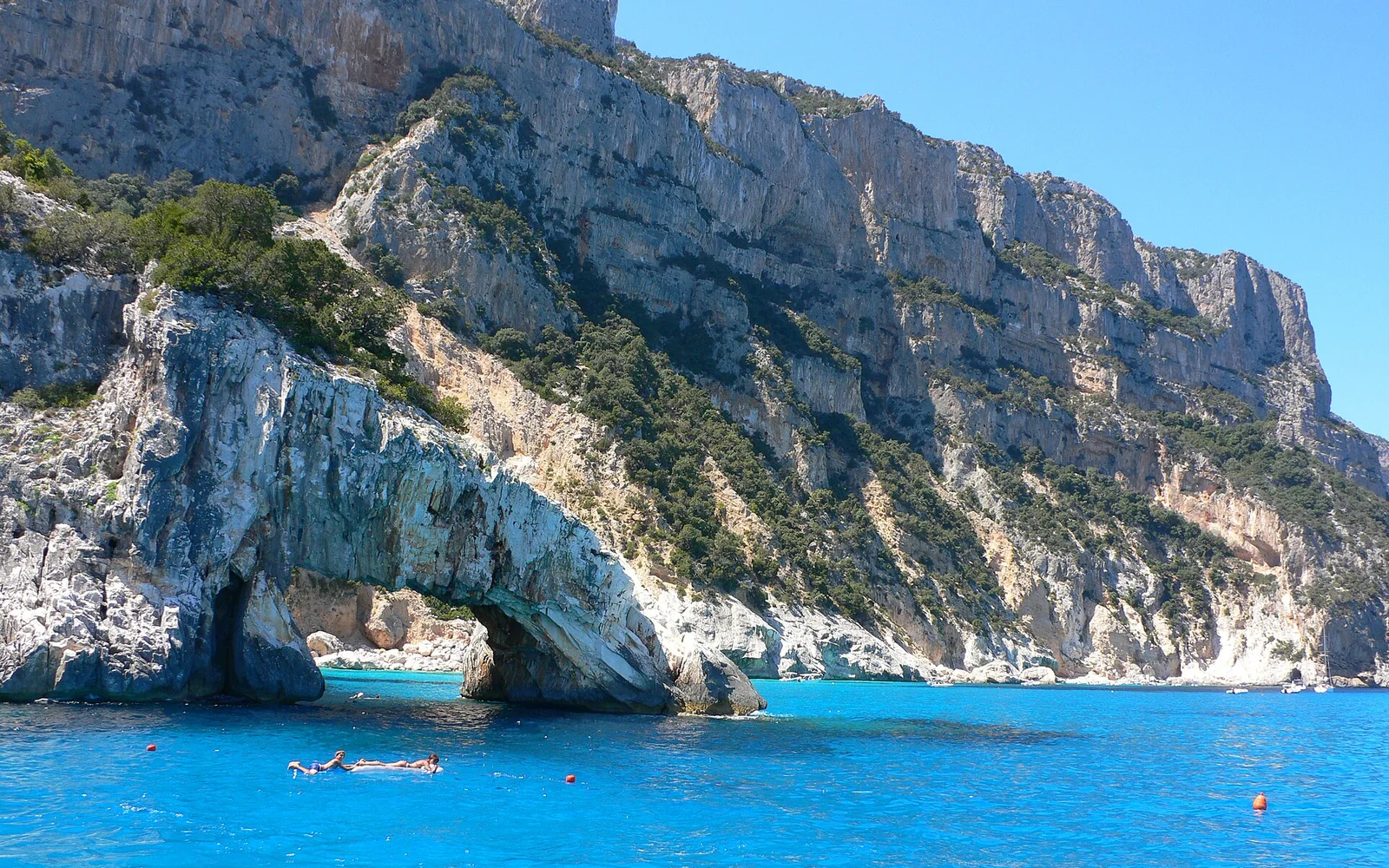
Sardinia is too large for one hotel if the plan includes several coasts. Cagliari serves the south, Alghero the north-west and Olbia the north-east. The Gulf of Orosei and central interior require separate driving or boat plans.
Commit to one coast or inland section
Sardinia is too large for one hotel if the plan includes several coasts. Cagliari serves the south, Alghero the north-west and Olbia the north-east. The Gulf of Orosei and central interior require separate driving or boat plans.
A week suits one half of the island. Ten to twelve days allow two or three bases, with conservative transfer days and time for wind or sea conditions.
Choose one coast first
Northern, eastern, southern and western Sardinia offer different beaches and towns. Do not cross the island daily for a famous cove.
Add inland history
Nuragic sites, villages and mountain landscapes provide important context beyond the shore. Select one route that fits the base.
Plan beaches by access
Some beaches have car parks and boardwalks, while others require boats, long walks or controlled entry. Check municipal and protected-area information.
Build a realistic visit to Sardinia
Days 1 to 3: use Cagliari or Alghero as a city and coast base.
Days 4 to 6: move to one second coastal area.
Day 7: keep a weather or transfer buffer.
Days 8 to 10: add the Gulf of Orosei, north-east or an inland route.
Days 11 to 12: finish near the departure airport or ferry port.
Arrive and move around Sardinia
Cagliari, Olbia and Alghero airports serve different parts of the island. Ferries use several ports. Choose the arrival point after deciding the main coast, not before.
Regional trains and buses link major towns, but many beaches and rural sites are difficult without a car. Sardegna Mobilità provides an official public transport planner. Allow more time for secondary roads and seasonal traffic.
Food and local stops in Sardinia
Sardinian food includes breads, pasta shapes, roast meats, cheeses, seafood and sweets that vary between inland and coastal areas. Local menus may be very different from mainland Italian expectations.
Choose the right conditions for Sardinia
Late spring and early autumn suit coast and road trips. Summer brings hot weather, high demand and access controls at some beaches. Winter is quiet, with many resort services closed.
SardegnaTurismo advises checking beach boardwalks, adapted bathing facilities and transport directly because availability varies. Urban services are strongest in larger centres, while remote coves may be inaccessible.
Do not promise public transport to every beach. Boat trips depend on wind and sea conditions, and some coves use booking or access controls. Long airport transfers need a time buffer.
Continue from Sardinia
Corsica is geographically close but ferry routes are seasonal and port-specific. Sicily and mainland Italy require flights or long ferry journeys, so they belong in separate trip segments.
Choose another Italian island route
Sardinia planning questions
How many days do I need in Sardinia?
Seven days suit one half of the island. Ten to twelve days allow two or three bases without constant long drives.
Do I need a car in Sardinia?
A car is very useful for beaches, rural accommodation and flexible coast routes. City-based trips can use public transport with careful timetable planning.
Which part of Sardinia is best for a first visit?
Choose Cagliari and the south for city plus beaches, Alghero for a historic north-west base, or Olbia for the north-east coast. The best answer depends on flight and driving plans.
Sources and updates
This guide was last reviewed on 3 September 2026. Transport, access and opening arrangements can change, so check the official source before travel.
- Official Italian tourism information, Italian Ministry of Tourism
- Trenitalia passenger information, Trenitalia
- Official Sardinia visitor information, Autonomous Region of Sardinia
- Official Sardinia public transport planner, Autonomous Region of Sardinia
- Italian cultural heritage information, Italian Ministry of Culture