
Start with the essentials
Plan Puglia at a glance
- Good for
- Coastal towns, food, road trips and historic centres
- Suggested stay
- 7 to 10 days
- Best base
- Bari, Valle d’Itria and Lecce or the Salento coast
- Plan ahead
- Car hire, rural stays, beach access and summer parking
About Puglia
Why explore Puglia
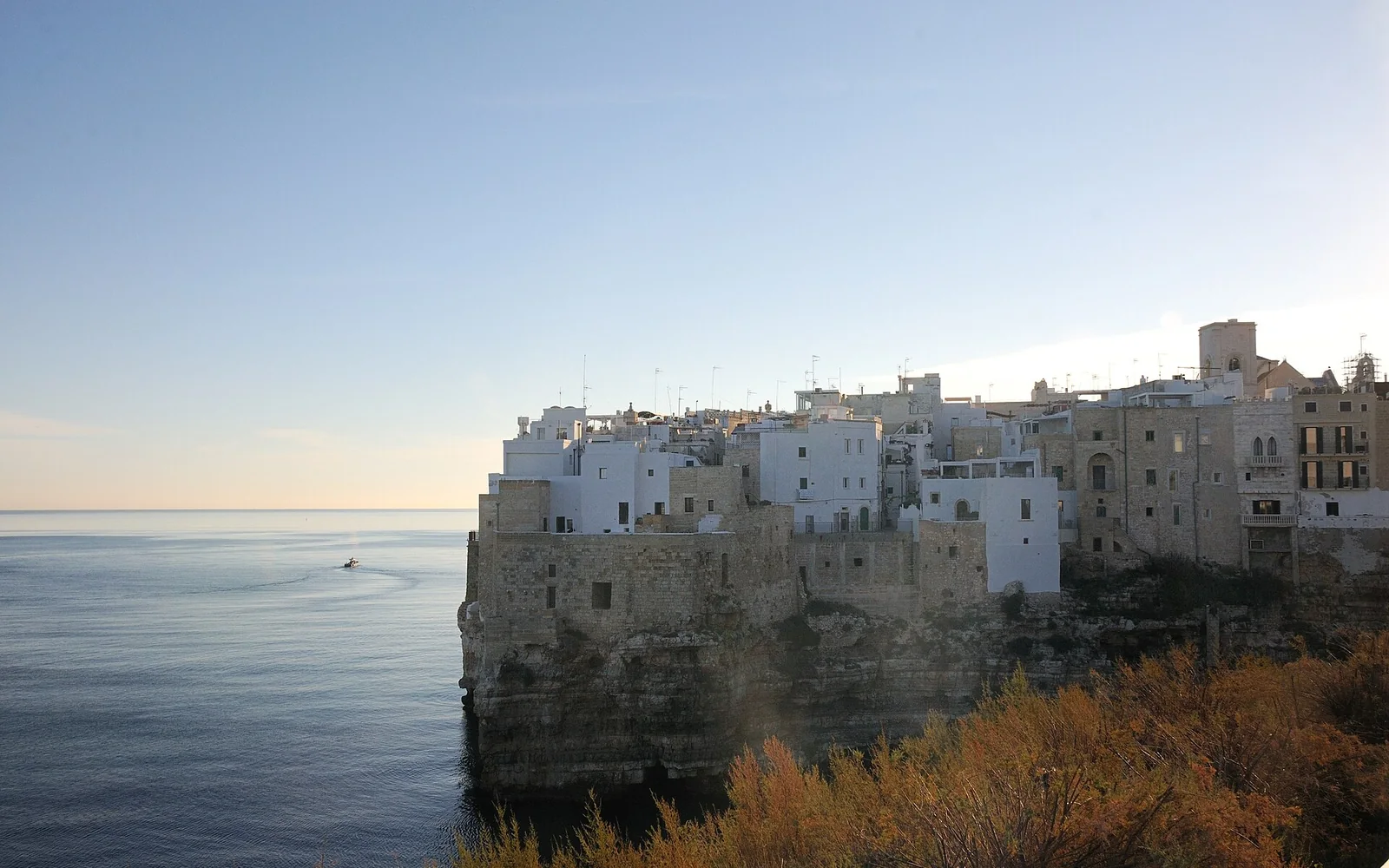
Puglia is long and narrow. Bari and nearby coastal towns form one useful rail route, the Valle d’Itria contains Alberobello, Locorotondo and Ostuni, and Lecce anchors the Salento peninsula.
A week works with two bases. Ten days allow Bari, the Valle d’Itria and Salento without crossing the region every day. Matera lies in Basilicata, even though it is often combined with a Puglia trip.
Plan the region
Puglia is long and narrow. Bari and nearby coastal towns form one useful rail route, the Valle d’Itria contains Alberobello, Locorotondo and Ostuni, and Lecce anchors the Salento peninsula.
Choose where to spend your time
Places to explore
2 guides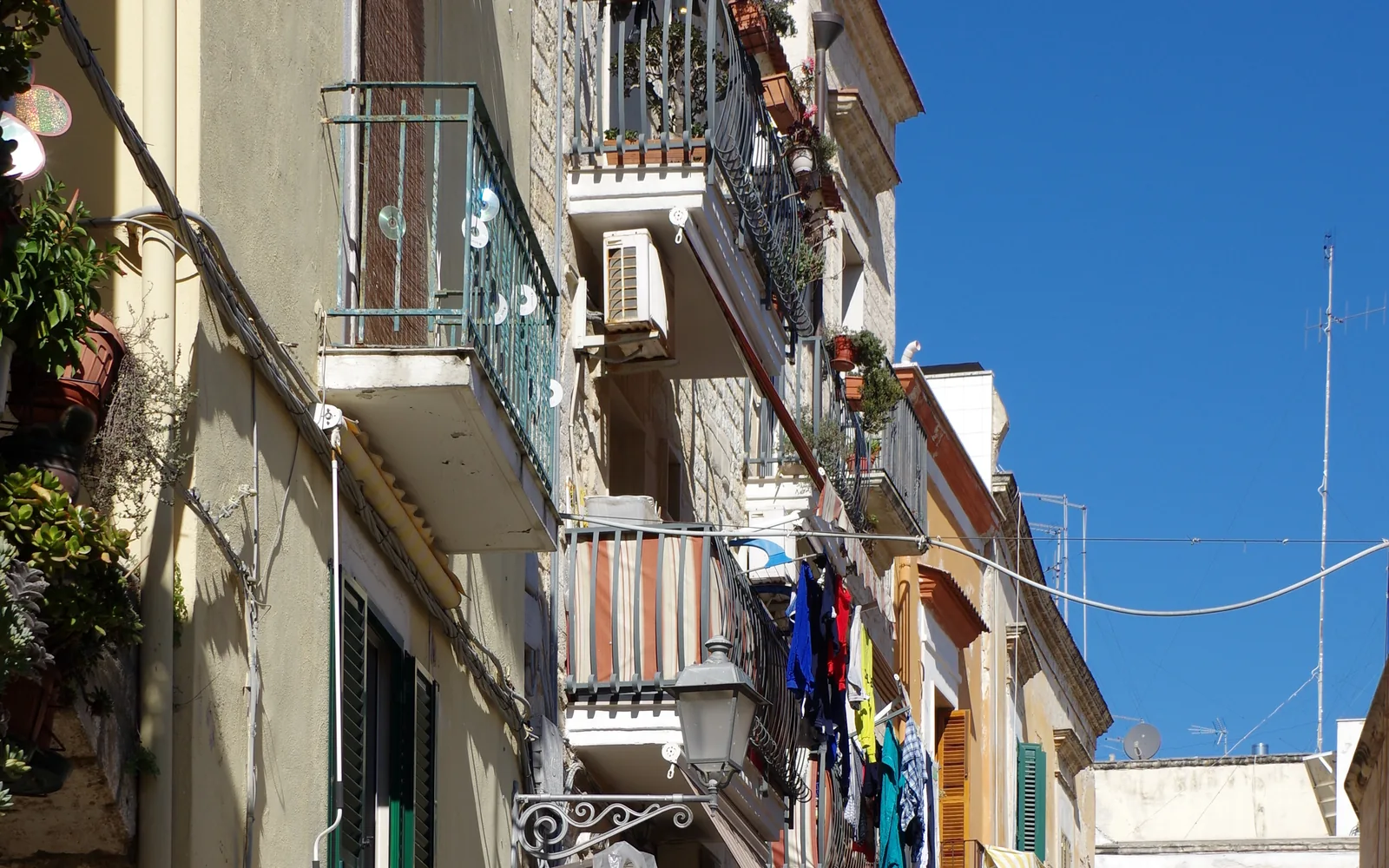
Bari
Bari combines a lived-in old town, Romanesque churches, seafront promenades and a major rail and ferry gateway on the Adriatic.
Open guide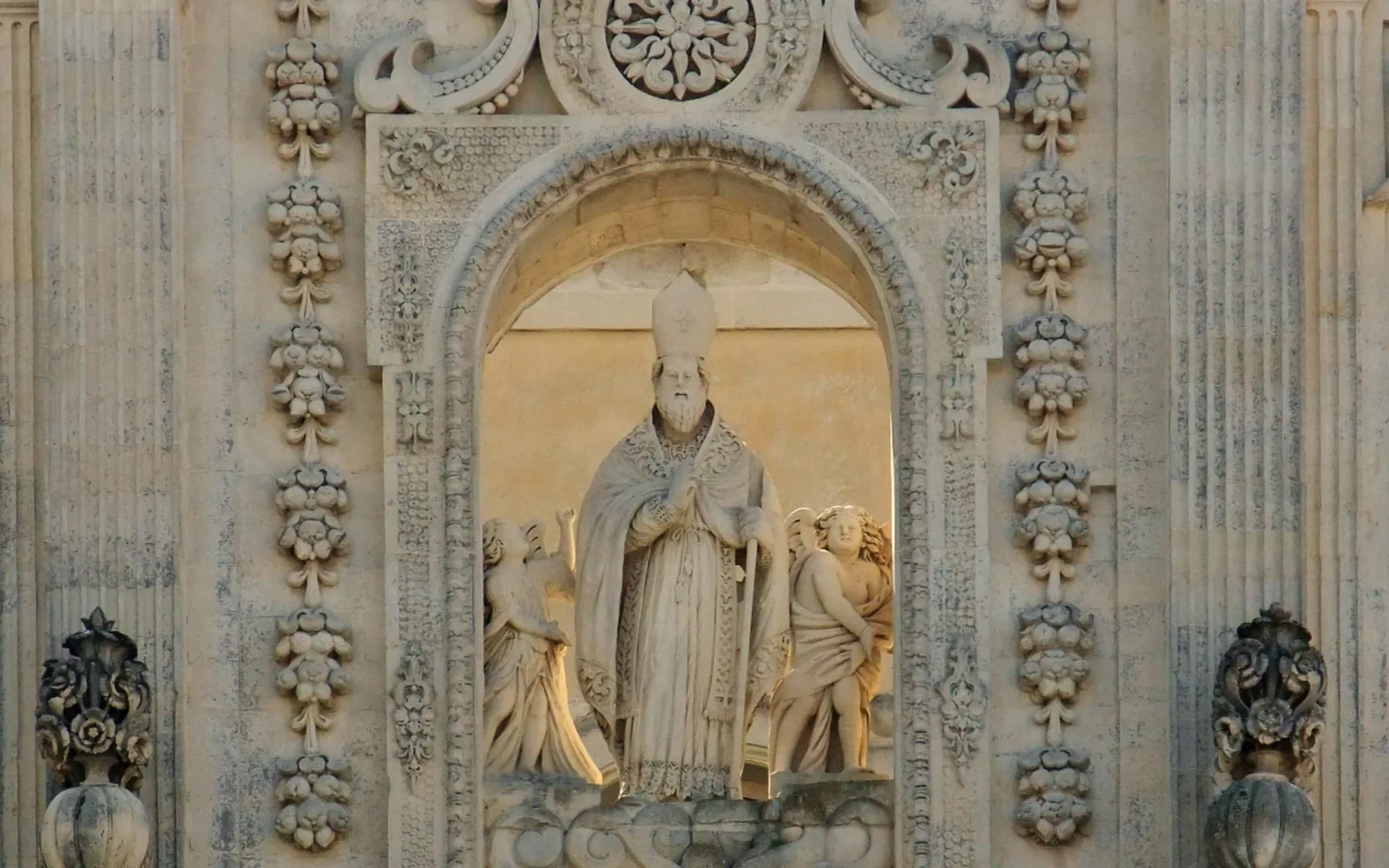
Lecce
Lecce’s warm limestone façades, Roman remains and evening street life make it the main cultural base for southern Puglia and Salento.
Open guideBuild a coherent route
Plan by area
See the main travel bases
See the main places in Puglia
Loading the map…
Use the map to compare the main bases before planning local transport.
Match the route to your time
What fits into your trip
A practical first visit
Puglia is long and narrow. Bari and nearby coastal towns form one useful rail route, the Valle d’Itria contains Alberobello, Locorotondo and Ostuni, and Lecce anchors the Salento peninsula.
Link the stops sensibly
Routes and day trips
Bari provides the main air and rail gateway. Polignano a Mare and Monopoli fit the coastal rail corridor, while the old city deserves its own time.
Suggested regional routes
Bari
Bari combines a lived-in old town, Romanesque churches, seafront promenades and a major rail and ferry gateway on the Adriatic.
Open destination guideLecce
Lecce’s warm limestone façades, Roman remains and evening street life make it the main cultural base for southern Puglia and Salento.
Open destination guideChoose transport by destination
Getting around Puglia
Lecce anchors the south, with Otranto, Gallipoli and smaller coast areas pointing in different directions. Choose one side for a short stay.
Suggested stay
7 to 10 days
Best base
Bari, Valle d’Itria and Lecce or the Salento coast
Plan ahead
Car hire, rural stays, beach access and summer parking
Choose dates that suit the route
When to visit
Matera in Basilicata is a common onward stop. Naples and Rome require longer rail journeys. Ferries from Bari and Brindisi connect internationally, but schedules are route-specific.
Read the seasonal guide for ItalyAvoid common route problems
Planning checks
How many days do I need in Puglia?
Seven days allow Bari, the Valle d’Itria and one Salento base. Ten days make room for slower coast and town days.
Do I need a car in Puglia?
Not for a Bari-Lecce coastal rail route. A car is very useful for the Valle d’Itria, rural stays and dispersed beaches.
Is Matera in Puglia?
No. Matera is in Basilicata, just west of the Puglia border. It combines well with a Puglia route but needs its own transport plan.
Quick answers
Questions about Puglia
How many days do I need in Puglia?
Seven days allow Bari, the Valle d’Itria and one Salento base. Ten days make room for slower coast and town days.
Do I need a car in Puglia?
Not for a Bari-Lecce coastal rail route. A car is very useful for the Valle d’Itria, rural stays and dispersed beaches.
Is Matera in Puglia?
No. Matera is in Basilicata, just west of the Puglia border. It combines well with a Puglia route but needs its own transport plan.
How this guide is checked
Sources and review
Reviewed 3 September 2026, next review due 3 March 2027. Services, access rules and opening arrangements can change, so check the official source before travel.
- Official Italian tourism information, Italian Ministry of Tourism
- Trenitalia passenger information, Trenitalia
- Official Puglia tourism information, Regione Puglia
- Official Basilicata visitor information, APT Basilicata
- Italian cultural heritage information, Italian Ministry of Culture
Continue through Italy
Regions that connect naturally
Campania
Naples, Pompeii, the Sorrento Peninsula, Capri and the Amalfi Coast form a dense region with demanding local transfers.
Continue planning
See more of Italy
Use the country guide to compare Puglia with other regions and destinations in Italy.