Ravenna brings eight early Christian monuments, exceptional mosaics and Dante’s tomb into a calm, walkable city close to the Adriatic coast.
Divide the mosaics across two days
San Vitale and the Mausoleum of Galla Placidia form a natural first group, while Sant’Apollinare Nuovo and the baptisteries lead through another part of the centre. Their details reward time indoors rather than a rapid circuit.
Seven of Ravenna’s eight World Heritage monuments preserve major early Christian mosaics. Entry arrangements vary between sites, so check the official combination ticket and each monument’s current access before arrival.
Make Classe a deliberate second route
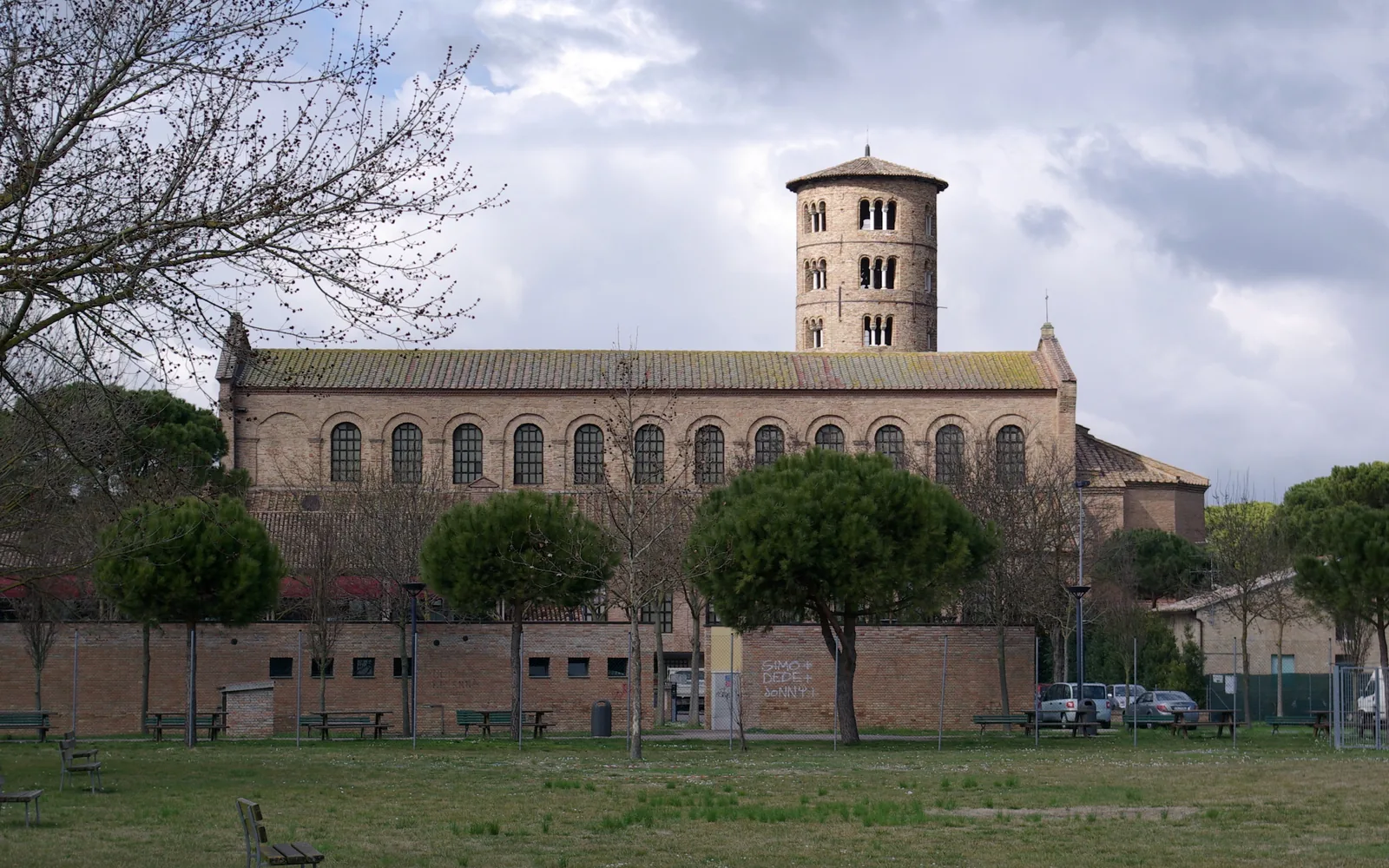
The Basilica of Sant’Apollinare in Classe lies outside the historic centre near the ancient port area. Pairing it with the Classis museum creates a coherent half-day rather than an awkward gap between central monuments.
Buses and cycle routes connect the city with Classe, but frequency and weather affect the choice. Keep enough time for the return if a train from Ravenna is fixed later in the day.
Look beyond the Byzantine city
Dante’s tomb and the nearby Franciscan area add a later chapter to Ravenna’s history. Contemporary mosaic studios and the MAR art museum show how the city’s defining craft continues beyond the ancient monuments.
The Adriatic beaches and Po Delta landscapes need separate time from the historic centre. They work best as an extra day, not as an afterthought following a full monument itinerary.
Timing and practical limits in Ravenna
Spring and autumn are comfortable for walking and cycling. Summer suits a city-and-coast stay but brings heat, while winter has shorter hours at some visitor services.
Continue along the Emilia-Romagna route
Ravenna monument questions
Can Ravenna be visited in one day?
Yes, but choose the central mosaic monuments in advance. Two days allow Classe and more time inside each site.
Do I need a car in Ravenna?
No for the centre. Buses and bicycles can reach Classe and some coastal areas, while a car helps with a wider Po Delta route.
Are all Ravenna’s World Heritage monuments together?
No. Most are in or near the centre, but Sant’Apollinare in Classe stands several kilometres south of the city.
Sources and updates
This guide was last reviewed on 3 September 2026. Transport, access and opening arrangements can change, so check the official source before travel.
- Official Italian tourism information, Italian Ministry of Tourism
- Trenitalia passenger information, Trenitalia
- Italian cultural heritage information, Italian Ministry of Culture
- Official Ravenna visitor information, Comune di Ravenna
- Getting around Ravenna, Comune di Ravenna
- Early Christian Monuments of Ravenna, UNESCO World Heritage Centre
Related places to consider
These guides can help you place Ravenna within a wider route.