
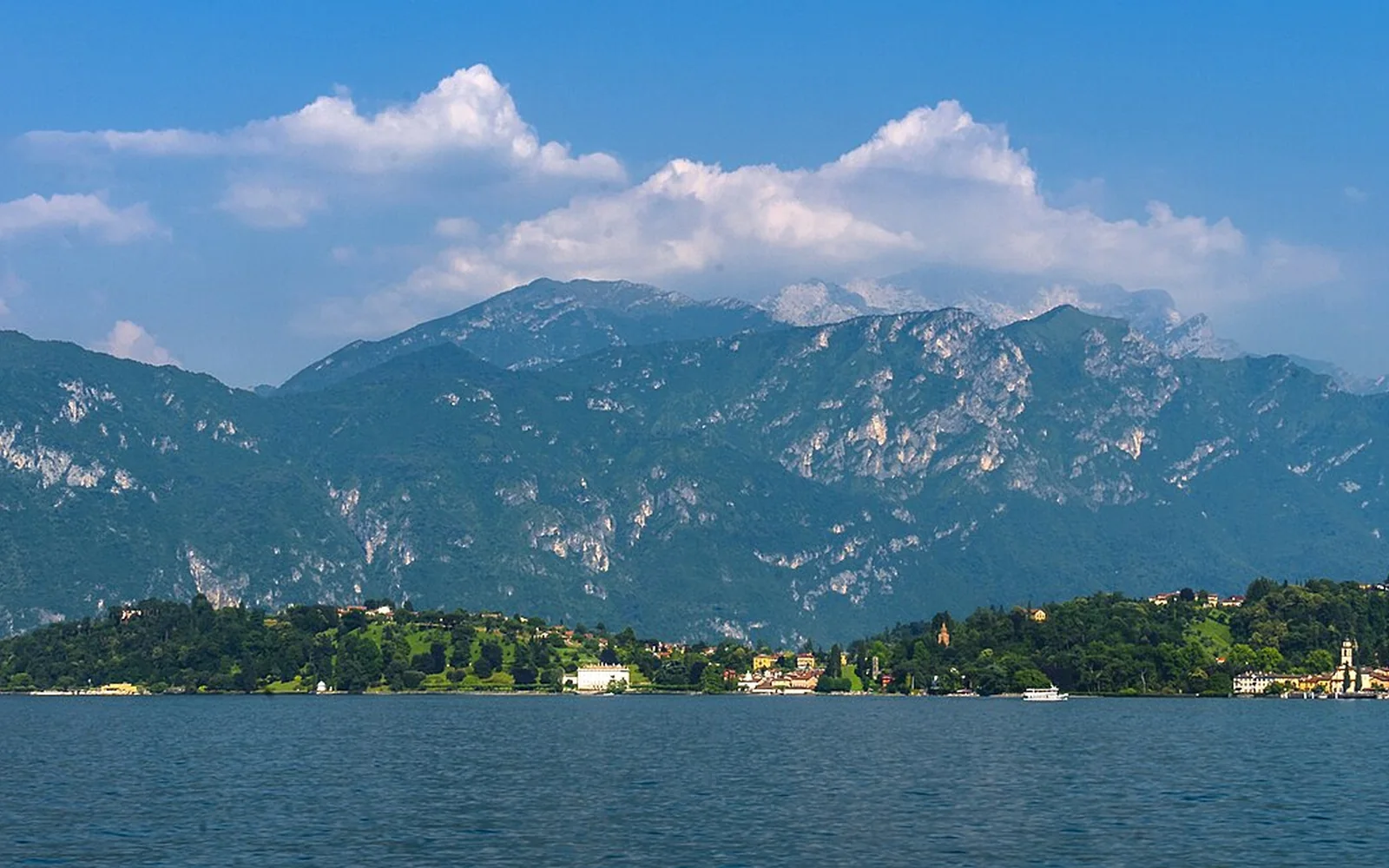
Como is the easiest southern city base, while Varenna has direct rail and central-lake ferries. Bellagio sits between the lake branches and Menaggio faces it from the western shore. Each base creates a different transport plan.
Match the lake base to the ferry route
Como is the easiest southern city base, while Varenna has direct rail and central-lake ferries. Bellagio sits between the lake branches and Menaggio faces it from the western shore. Each base creates a different transport plan.
Three days suit one central-lake base and selected towns. Add time for villa gardens, weather and slower ferry connections instead of trying to circle the entire lake.
Choose by transport
Como suits easy arrival from Milan. Varenna works well for rail plus ferries. Bellagio and Menaggio depend more heavily on boats and buses.
Plan a central-lake day
Varenna, Bellagio and Menaggio can form a useful ferry triangle, but the day should follow the current timetable rather than a fixed sequence.
Add villas selectively
Gardens and villas have separate opening dates, tickets and landing points. Choose one or two that fit the base and mobility needs.
Build a realistic visit to Lake Como
Day 1: arrive at the chosen base and explore it on foot.
Day 2: use ferries for two central-lake towns.
Day 3: visit one villa or garden and keep a weather alternative.
Days 4 to 5: add Como, Lecco or a quieter shore route before departure.
Arrive and move around Lake Como
Como has several rail connections from Milan. Varenna-Esino station serves the eastern central lake. Bellagio and Menaggio require ferry, bus or road travel for the final section.
Public boats, trains and buses cover much of the lake, but not as one simple loop. Timetables vary by season and route. Roads are narrow, parking is limited and car ferries only operate on selected crossings.
Food and local stops in Lake Como
Lake and mountain traditions include fish, polenta, risotto, cheeses and cured meats. Waterfront restaurants vary widely, and smaller towns may have limited evening choice outside busy months.
Choose the right conditions for Lake Como
Spring and early autumn suit gardens and ferries. Summer has the widest services but strong demand. Winter is quiet, with reduced boats and many seasonal attractions closed.
Como’s centre and selected promenades are relatively level. Many lakeside towns involve steps, steep lanes and boat gangways. Confirm hotel access and ferry assistance for the exact route.
Do not assume every town has a direct ferry to every other town. Weather, seasonal timetables and long shore roads make same-day lake circuits unreliable.
Continue from Lake Como
Milan is the main gateway and an easy separate stay. Bergamo and the wider Lombardy lakes require different routes rather than quick additions to a central-lake day.
Extend a Lombardy journey
Lake Como planning questions
Where should I stay at Lake Como?
Choose Como for straightforward rail access, Varenna for trains and central ferries, Bellagio for a scenic central base or Menaggio for the western shore.
Can I visit Lake Como without a car?
Yes. Rail, ferries and buses work well when the accommodation matches the route. A car can create more parking and road pressure than flexibility.
How many days do I need at Lake Como?
Three days allow one base, a central-lake ferry day and a villa. Four or five days add weather flexibility and a second shore.
Sources and updates
This guide was last reviewed on 3 September 2026. Transport, access and opening arrangements can change, so check the official source before travel.
- Official Italian tourism information, Italian Ministry of Tourism
- Trenitalia passenger information, Trenitalia
- Official Milan visitor information, Milano & Partners
- Official Lombardy visitor information, Regione Lombardia
- Official Lake Como visitor information, Regione Lombardia
- Italian cultural heritage information, Italian Ministry of Culture