
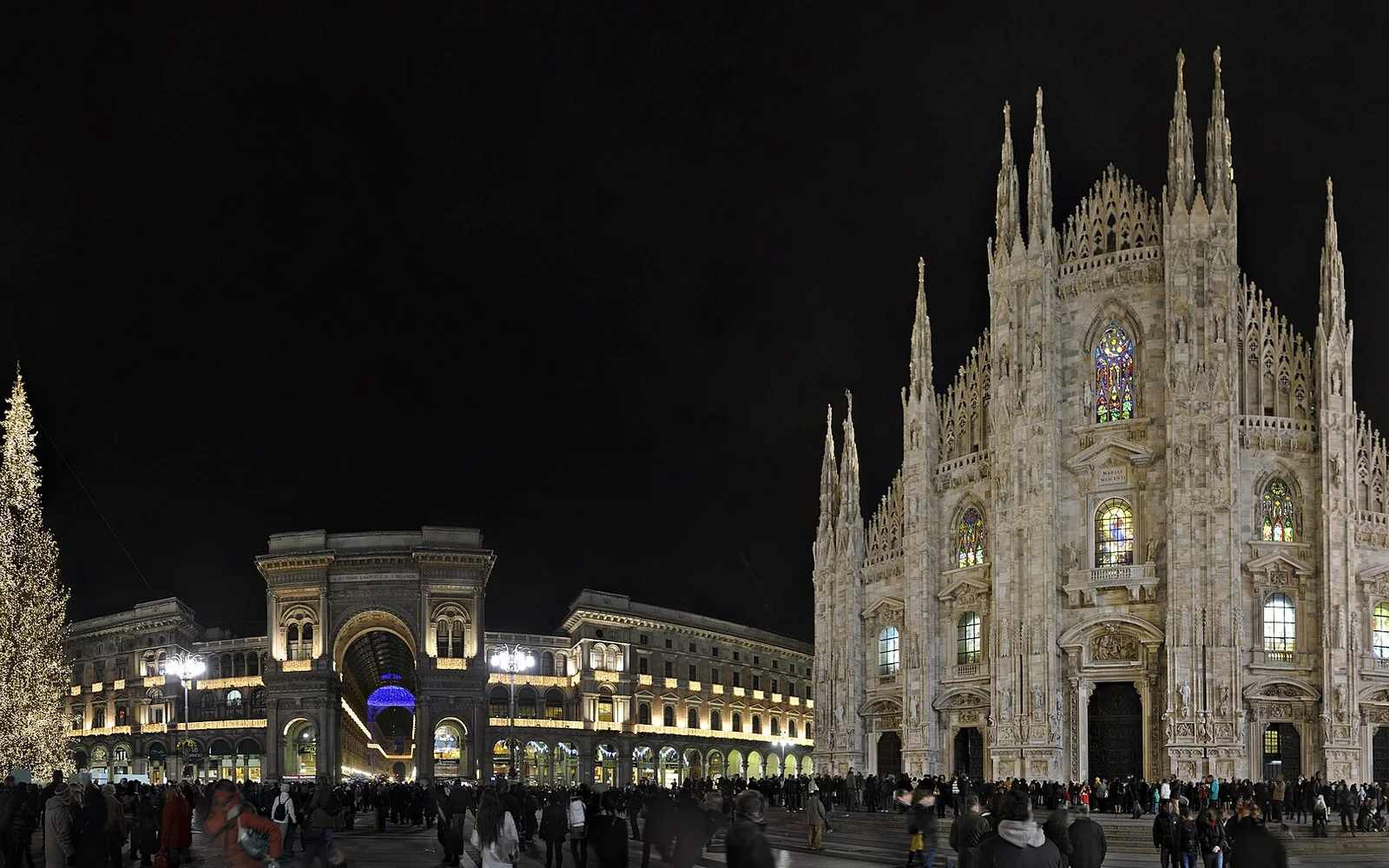
Milan deserves more than a station change. The Duomo and Galleria form the central core, while Brera, Castello Sforzesco, Porta Nuova, Porta Venezia and Navigli show distinct parts of the city.
Build Milan around one fixed reservation
Milan deserves more than a station change. The Duomo and Galleria form the central core, while Brera, Castello Sforzesco, Porta Nuova, Porta Venezia and Navigli show distinct parts of the city.
Two days cover the main centre and one neighbourhood route. Add a third for a major collection, design interests or a slower evening before continuing to Lake Como or another northern city.
Duomo and central Milan
The cathedral, terraces, Galleria and Scala area sit close together, but ticketed interiors and security lines make this more than a quick walk.
Art and design districts
Brera combines historic streets and a major gallery. Triennale, Fondazione Prada and design venues lie on separate routes, so choose according to interest.
Neighbourhood evenings
Navigli, Isola and Porta Venezia provide different dining and evening settings. Stay near a metro or tram rather than crossing the whole city late.
Build a realistic visit to Milan
Day 1: explore the Duomo, Galleria, Scala area and Brera.
Day 2: visit the Last Supper if booked, Castello Sforzesco and a western or central museum.
Day 3: choose design, modern art, Porta Nuova or a neighbourhood-focused day.
Arrive and move around Milan
Milano Centrale handles many long-distance trains, while Porta Garibaldi and Cadorna serve other important routes. Airport trains and buses use different stations, so match the service to the accommodation and onward journey.
Metro, tram and bus services cover the city. Contactless and ticket rules should be checked with the operator. Central walking works for one district at a time, but the wider city is too large for an all-day landmark loop.
Food and local stops in Milan
Milanese dishes include risotto alla milanese, ossobuco, cotoletta and panettone. Aperitivo varies from a drink with small snacks to a larger food offering, so check what is included.
Choose the right conditions for Milan
Spring and autumn bring pleasant walking weather and major event periods. Summer can be hot and quieter in some business areas. Winter is cold and often damp but works well for museums.
YesMilano publishes accessible itineraries and venue information. Many metro stations and modern trams are accessible, but lift status and older vehicles vary. Check the exact station and attraction before travel.
Major fashion, design and trade events can change prices and availability across the city. The Last Supper has controlled entry and should never be treated as a walk-up certainty.
Continue from Milan
Lake Como is the most common onward route, but the choice of train depends on the lake base. Bergamo, Turin, Verona and Bologna are better considered separate city stays.
Continue from Milan across northern Italy
Milan city questions
How many days should I spend in Milan?
Two days cover the centre and one major museum or booking. Three or four days allow neighbourhoods, design venues and a less hurried pace.
Which Milan station should I use?
It depends on the route. Centrale, Porta Garibaldi and Cadorna serve different long-distance, regional and airport services.
Can I visit Lake Como as a day trip from Milan?
Yes for one lake town and a simple ferry or walking route. An overnight stay gives more flexibility and avoids building the day around the last train.
Sources and updates
This guide was last reviewed on 3 September 2026. Transport, access and opening arrangements can change, so check the official source before travel.
- Official Italian tourism information, Italian Ministry of Tourism
- Trenitalia passenger information, Trenitalia
- Official Milan visitor information, Milano & Partners
- Official Lombardy visitor information, Regione Lombardia
- Official Lake Como visitor information, Regione Lombardia
- Italian cultural heritage information, Italian Ministry of Culture