Genoa climbs steeply from its working harbour through a dense historic centre to hillside viewpoints reached by lifts and funiculars.
Read Genoa from the harbour uphill
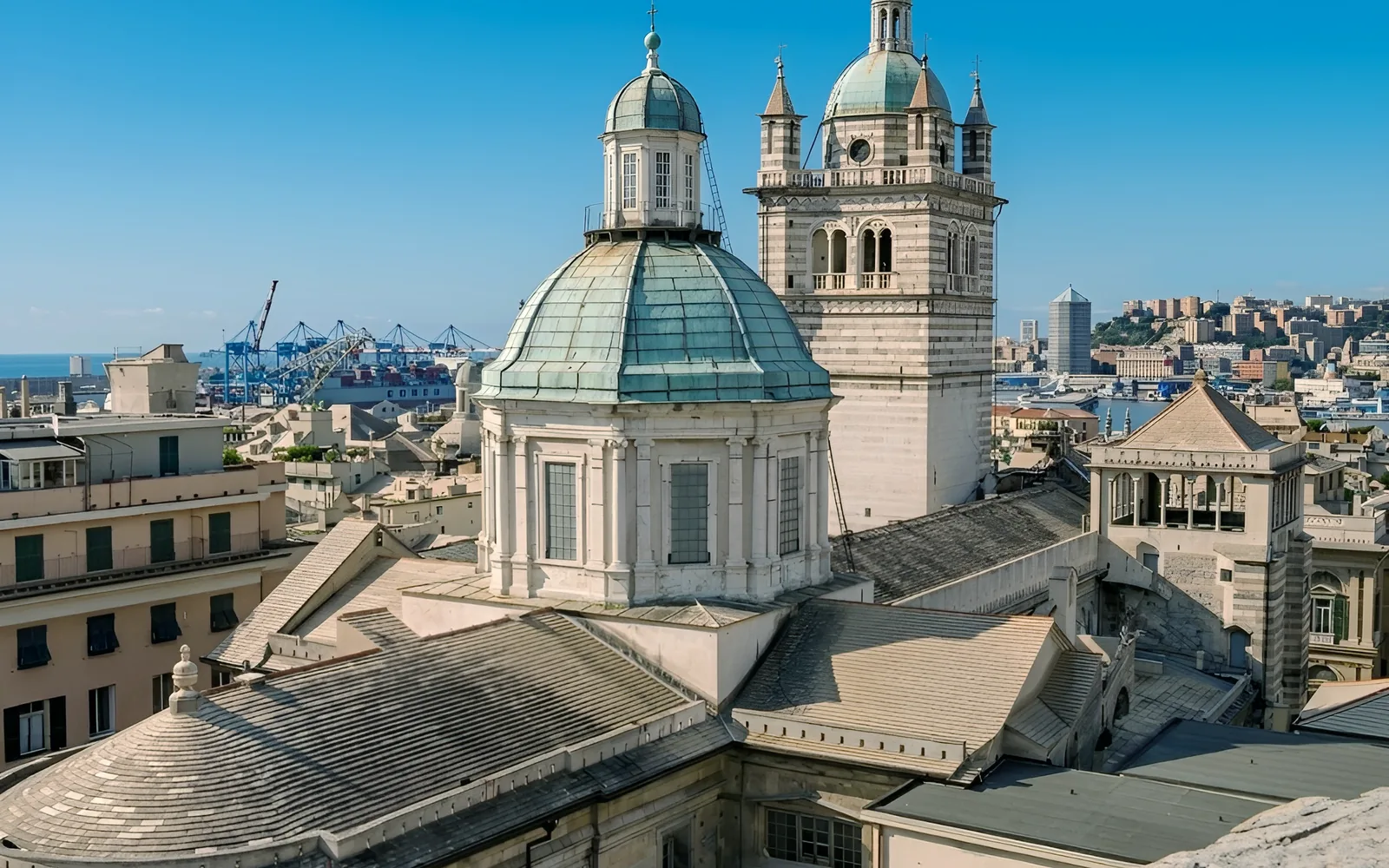
The Porto Antico, cathedral and narrow caruggi show different parts of the city’s maritime history. The lanes are compact but easy to underestimate, so a first walk should follow a few named squares and streets rather than every map pin.
Via Garibaldi and the Palazzi dei Rolli deserve their own block of time. Individual palaces have separate uses and opening patterns, which makes a focused museum choice more useful than trying every doorway.
Use Genoa’s vertical public transport
Lifts and funiculars are part of the normal transport network and provide practical access to hillside districts and viewpoints. Check the current service before building a route around one particular ascent.
The two main railway stations sit on opposite sides of the central area. Piazza Principe often suits the western old town and harbour, while Brignole is useful for the eastern centre and onward Ligurian trains.
Choose one coastal extension
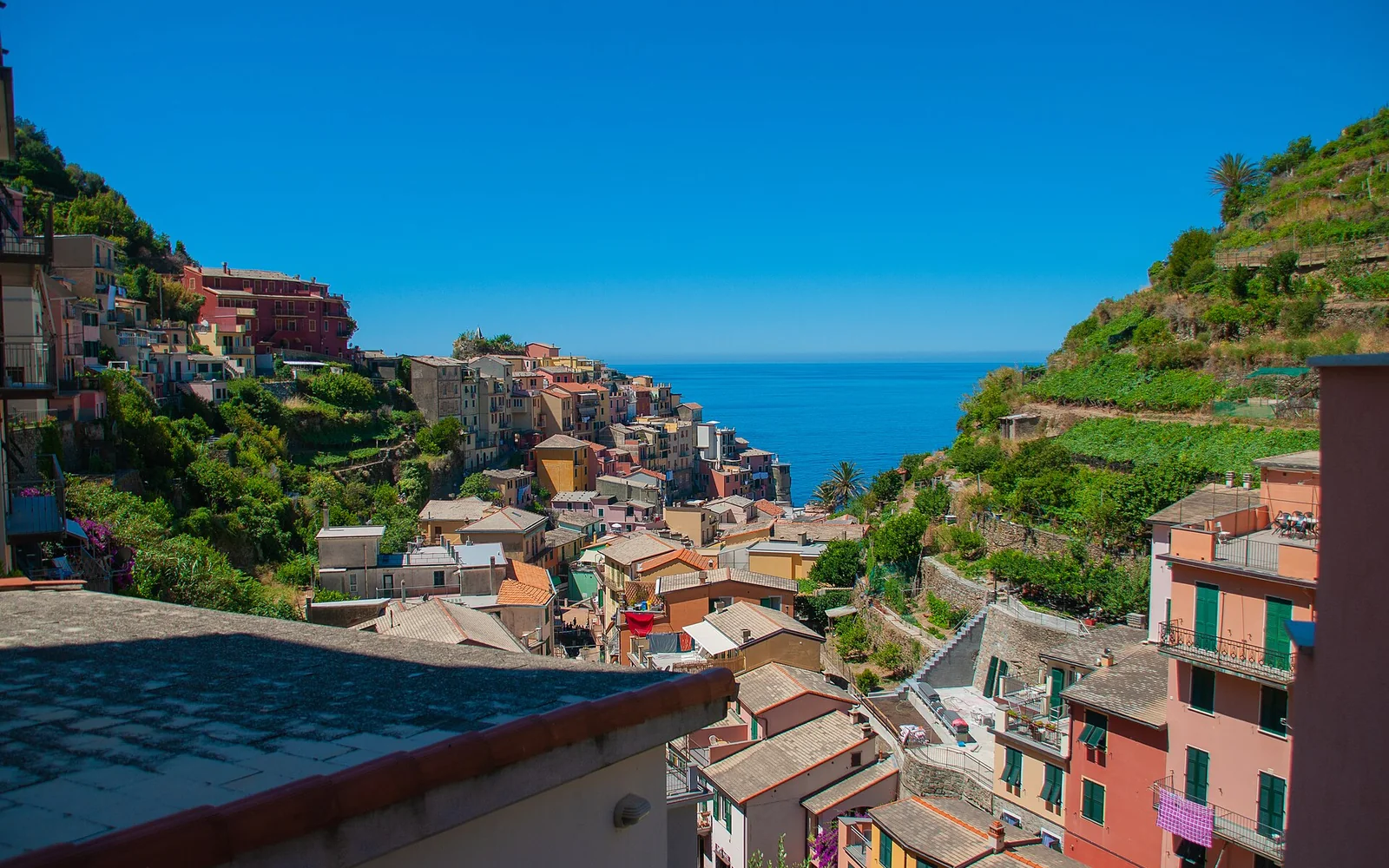
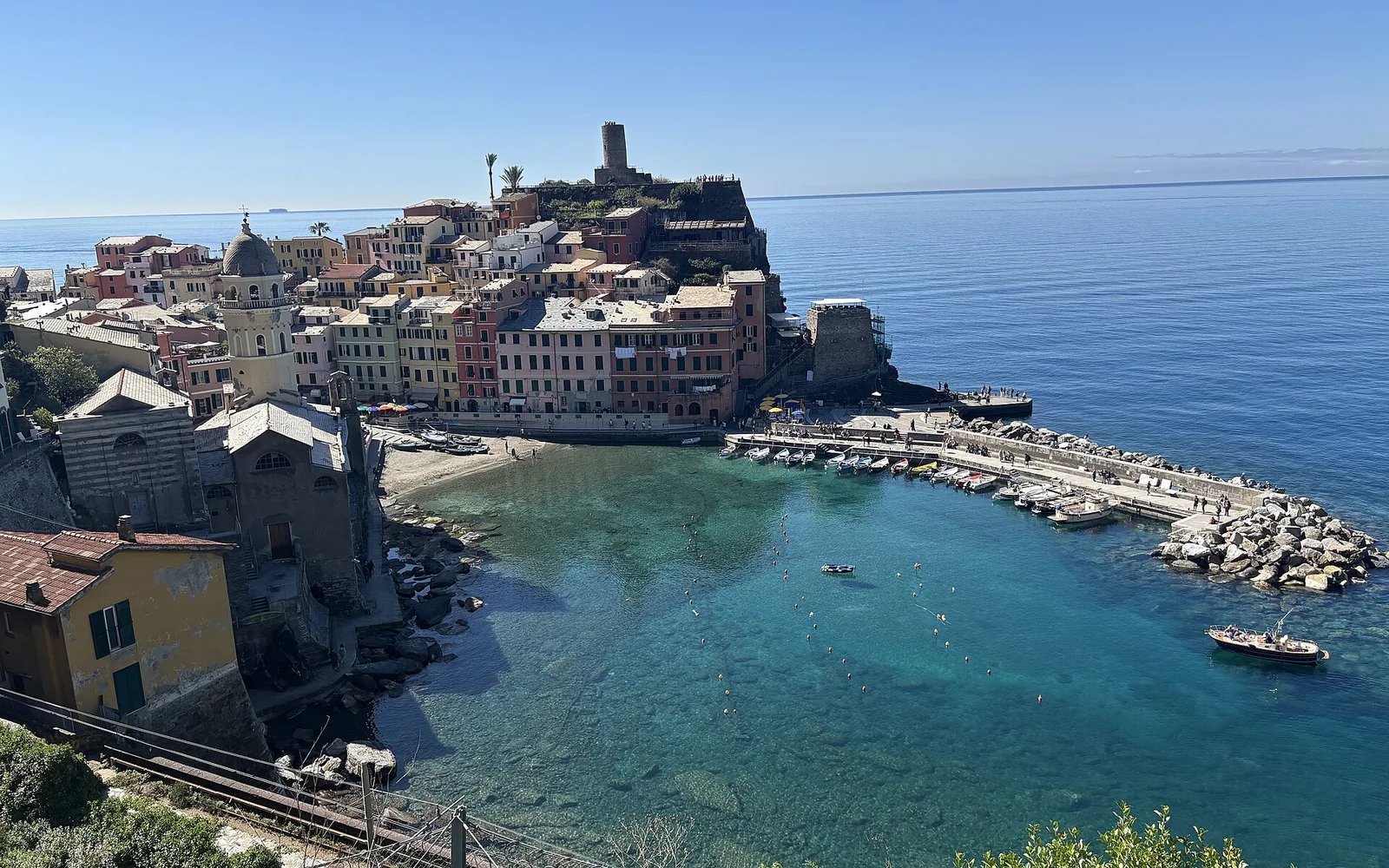
Boccadasse offers a small seaside district within the city. Portofino and Cinque Terre require separate transport plans and are not interchangeable quick stops, particularly when boats or crowded regional trains are involved.
Genoa’s steep lanes, steps and uneven paving affect accessible routes. The official tourism and transport information should be checked for lifts, step-free stations and the exact entrance to a museum or palace.
Timing and practical limits in Genoa
Spring and early autumn suit the lanes, waterfront and viewpoints. Rain can be heavy, and summer brings heat and stronger demand along the Ligurian coast.
Follow the Ligurian coast from Genoa
Genoa travel questions
How many days do I need in Genoa?
Two days suit the historic centre, waterfront and one museum route. Add a day for the hills or a coastal outing.
Which Genoa station should I use?
Piazza Principe is convenient for the western old town and port, while Brignole suits the eastern centre. Check the accommodation location before choosing.
Can I explore Genoa without a car?
Yes. Trains, buses, metro services, lifts and funiculars are better suited to the central city than driving.
Sources and updates
This guide was last reviewed on 3 September 2026. Transport, access and opening arrangements can change, so check the official source before travel.
- Official Italian tourism information, Italian Ministry of Tourism
- Trenitalia passenger information, Trenitalia
- Italian cultural heritage information, Italian Ministry of Culture
- Official Genoa visitor information, Comune di Genova
- Getting around Genoa, Comune di Genova
Related places to consider
These guides can help you place Genoa within a wider route.