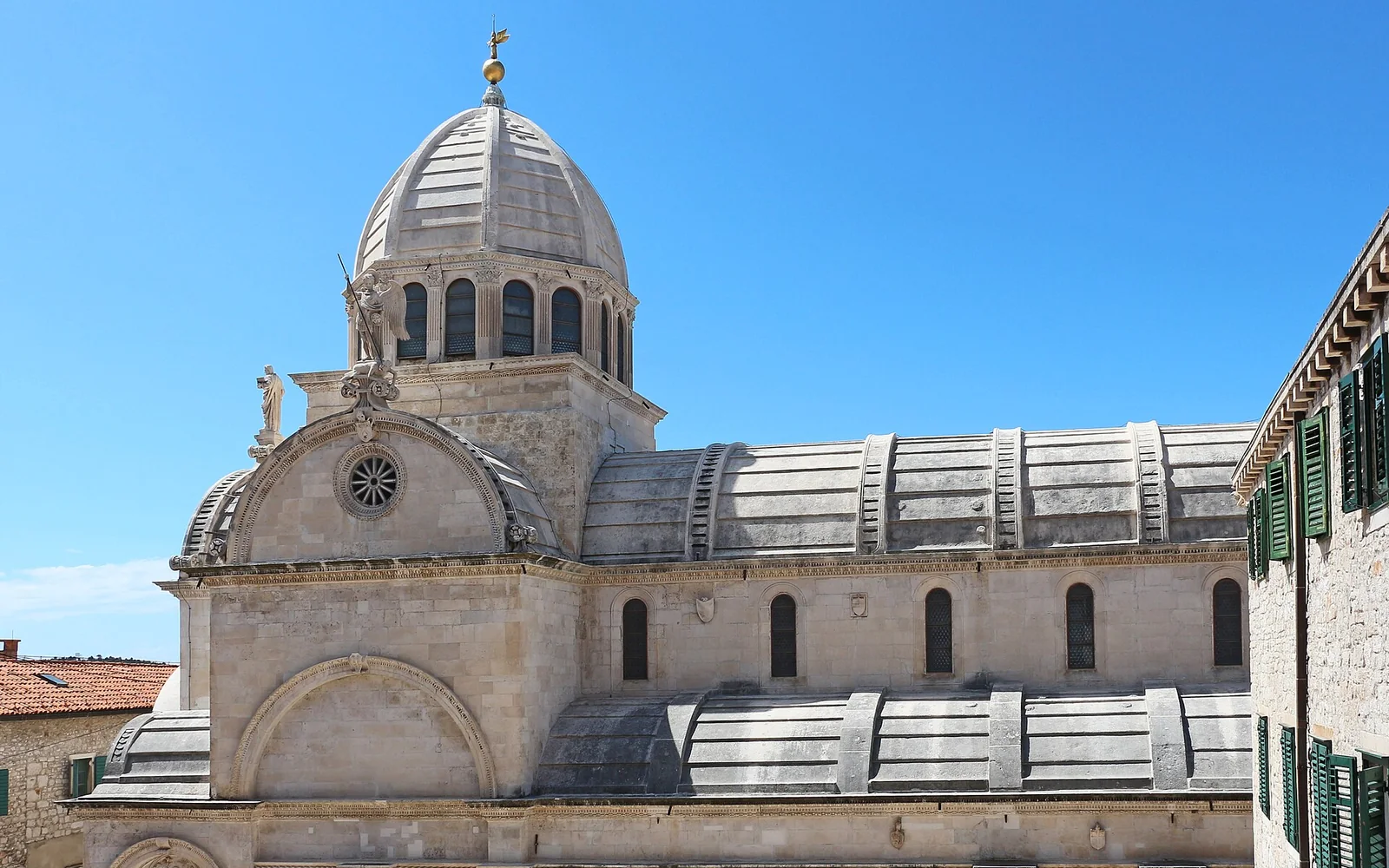
Šibenik has a different character from Split and Zadar. Its historic centre climbs sharply from the waterfront, threading narrow lanes around the Cathedral of St James before reaching several fortress viewpoints.
Start with what makes Šibenik distinct
Šibenik has a different character from Split and Zadar. Its historic centre climbs sharply from the waterfront, threading narrow lanes around the Cathedral of St James before reaching several fortress viewpoints.
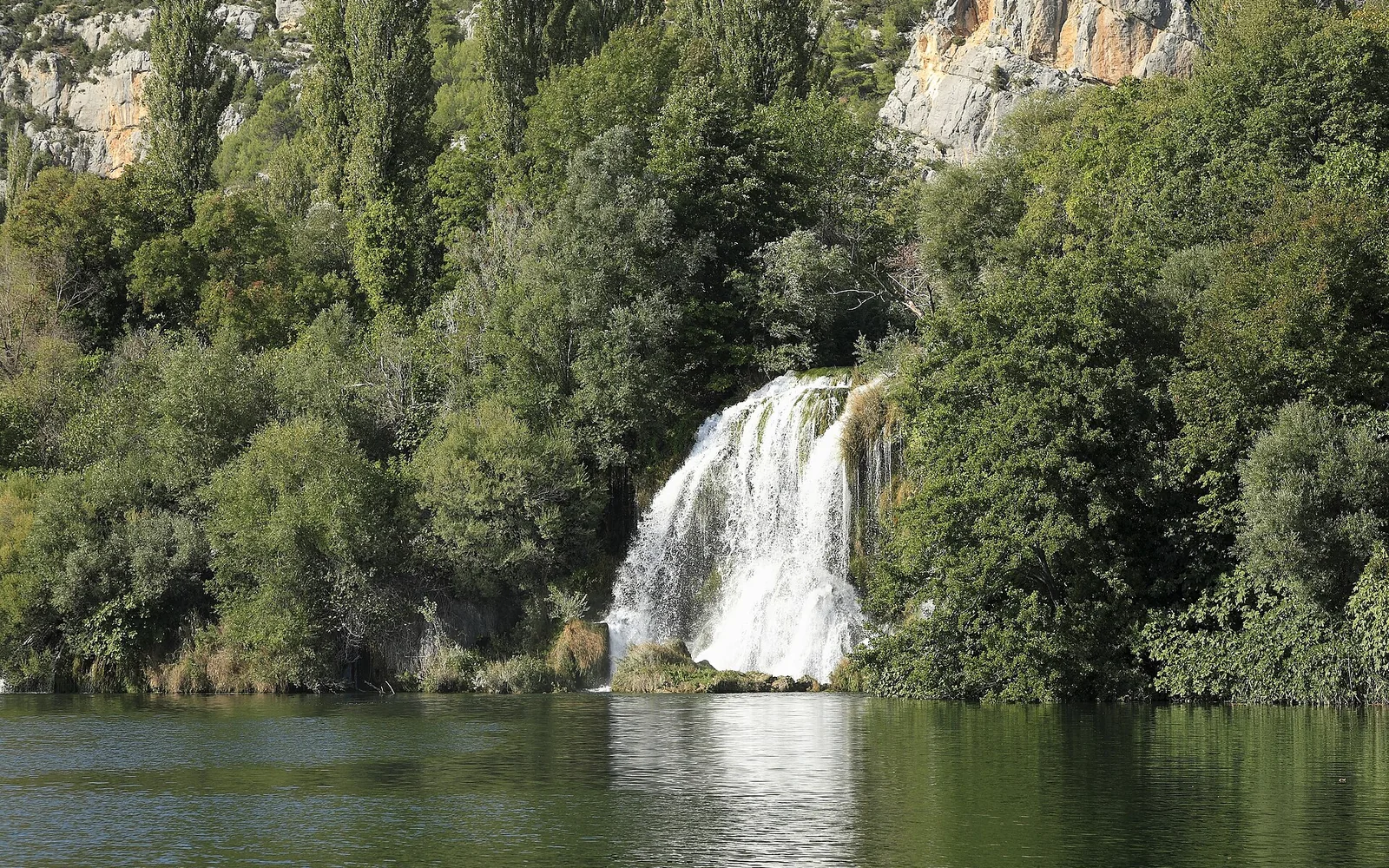
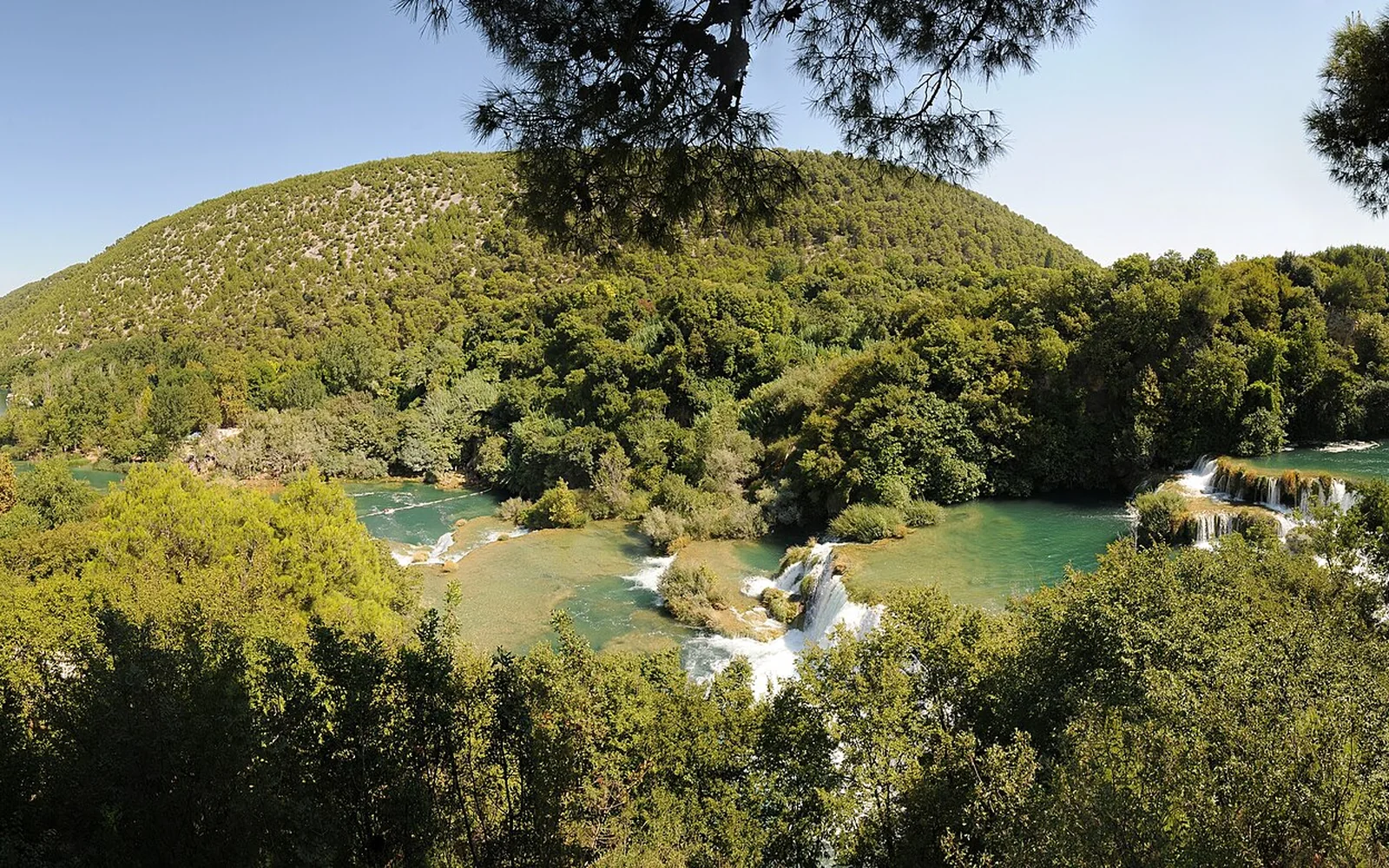
Give the city one full day on its own. A second day can cover another fortress and neighbourhoods, while Krka National Park deserves a separate plan based on the correct entrance and current transport.
Cathedral and old town
Study the cathedral exterior and surrounding square before entering, then follow the lanes away from the main route. Church access can change for services and events.
The fortresses
St Michael’s Fortress stands above the centre, while other fortifications require separate routes. Events, exhibitions and seasonal access can affect tickets, so check the official site.
Waterfront and neighbourhoods
The level waterfront provides a contrast to the stepped centre. Continue towards quieter residential streets or the channel only when shade and transport allow.
Build a realistic visit to Šibenik
Day 1: visit the cathedral area, old lanes, waterfront and St Michael’s Fortress.
Day 2: add another fortress, market and a slower neighbourhood walk.
Day 3: visit Krka National Park through a pre-selected entrance.
Arrive and move around Šibenik
Šibenik is served by coastal and regional buses. The bus station is near the waterfront and below the old town. Rail exists but is not the most useful option for many visitor routes.
The centre is walkable but steep. Local buses serve outer districts and selected regional routes. A car is not needed in town and parking near the historic core is limited.
Food and local stops in Šibenik
Look for seafood, black risotto, grilled fish and dishes using local olive oil. The wider region is known for wine and inland meats as well as coastal cooking.
Choose the right conditions for Šibenik
Spring and autumn suit fortress climbs. Summer brings heat and events, with very little shade on some routes. Winter is quieter, though attraction schedules may reduce.
The waterfront is level, but the old town has many steps and uneven stone. Contact fortresses and the cathedral for their current accessible entrances and lift arrangements.
Do not combine multiple fortress climbs with Krka on a hot day. Park transport and city transport are separate plans. Historic accommodation may be reached only by steps.
Continue from Šibenik
Krka National Park is the main regional pairing. Zadar lies north and Split south on the coastal corridor, with Trogir a further covered stop near Split.
Continue planning
- Plan the Šibenik region
- Visit Krka National Park
- Travel north to Zadar
- Continue to Split
- Croatia travel guide
Questions about Šibenik
Is Šibenik worth staying overnight?
Yes. An overnight stay gives time for the cathedral, fortress views and quieter evening streets without adding a park journey.
Can I visit Krka from Šibenik?
Yes with a current bus, tour or car plan. Choose the park entrance before buying tickets or transport.
Is Šibenik very hilly?
The waterfront is level, but the old town and fortresses involve steep lanes and many steps.
Sources and updates
This guide was last reviewed on 3 September 2026. Transport, access and opening arrangements can change, so check the official source before travel.
- Official Croatia travel planning, Croatian National Tourist Board
- Croatian rail timetable, HŽ Passenger Transport
- Official Šibenik visitor information, Šibenik Tourist Board
- Šibenik region visitor information, Šibenik-Knin County Tourist Board
- Krka visitor information, Krka National Park
- Krka National Park visitor information, Krka National Park
Related places to consider
These guides can help you place Šibenik within a wider route.