
Start with the essentials
Plan Dubrovnik region at a glance
- Best for
- Walled-city history and island stays
- Suggested time
- 5 to 9 days
- Main connection
- Dubrovnik airport, bus station and Gruž port
About Dubrovnik region
Why explore Dubrovnik region
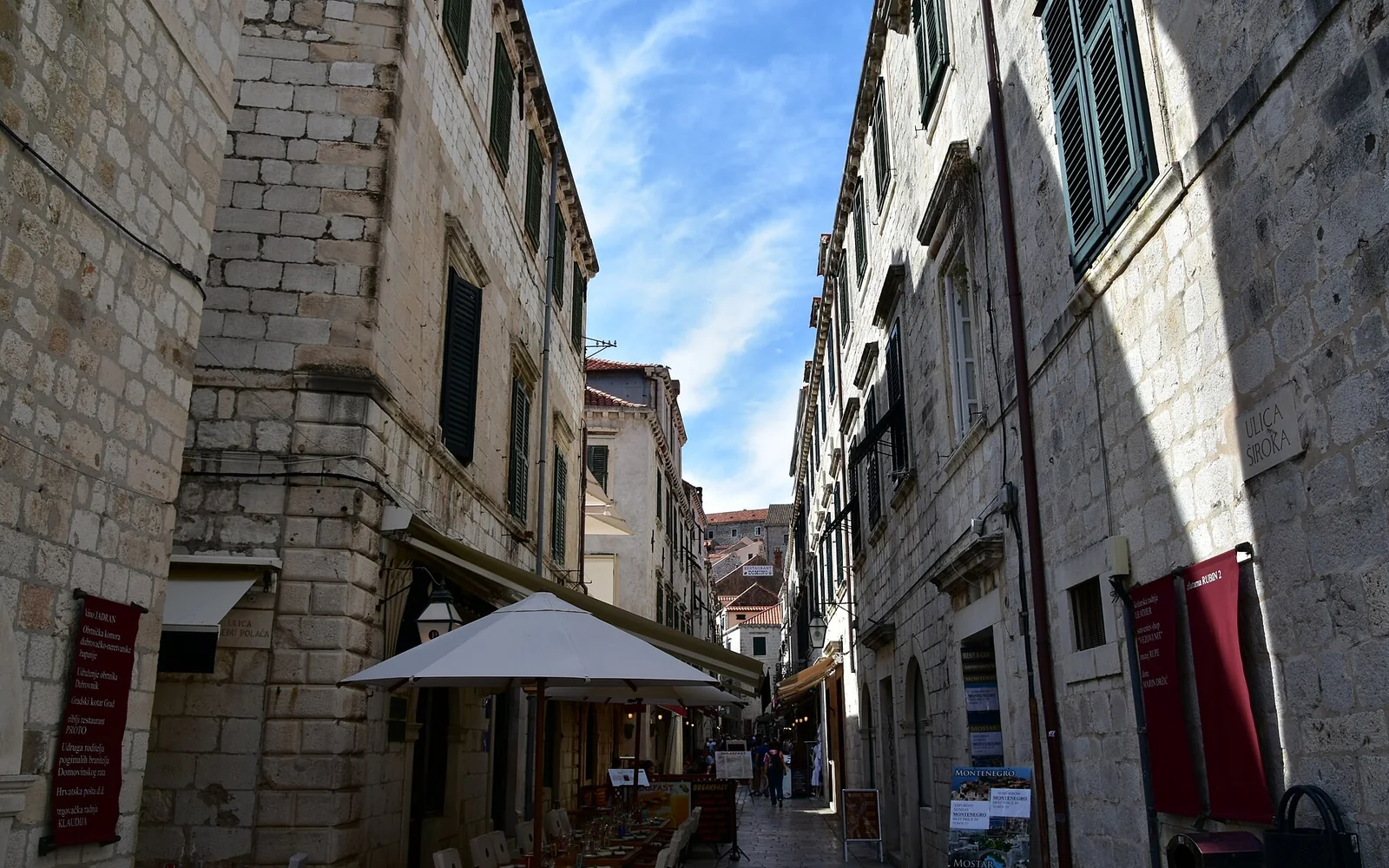
Dubrovnik is the regional anchor, while Korčula and Mljet add very different island stays. Korčula has several substantial settlements and longer overland journeys. Mljet is quieter, with the national park occupying only the western part of the island.
Ferry planning shapes the route. Services change by season, and the Dubrovnik arrival port is separate from the old city. Build in time between a flight, bus and ferry rather than treating them as one protected connection.
Plan the region
Dubrovnik is the regional anchor, while Korčula and Mljet add very different island stays. Korčula has several substantial settlements and longer overland journeys. Mljet is quieter, with the national park occupying only the western part of the island.
Choose where to spend your time
Places to explore
6 guides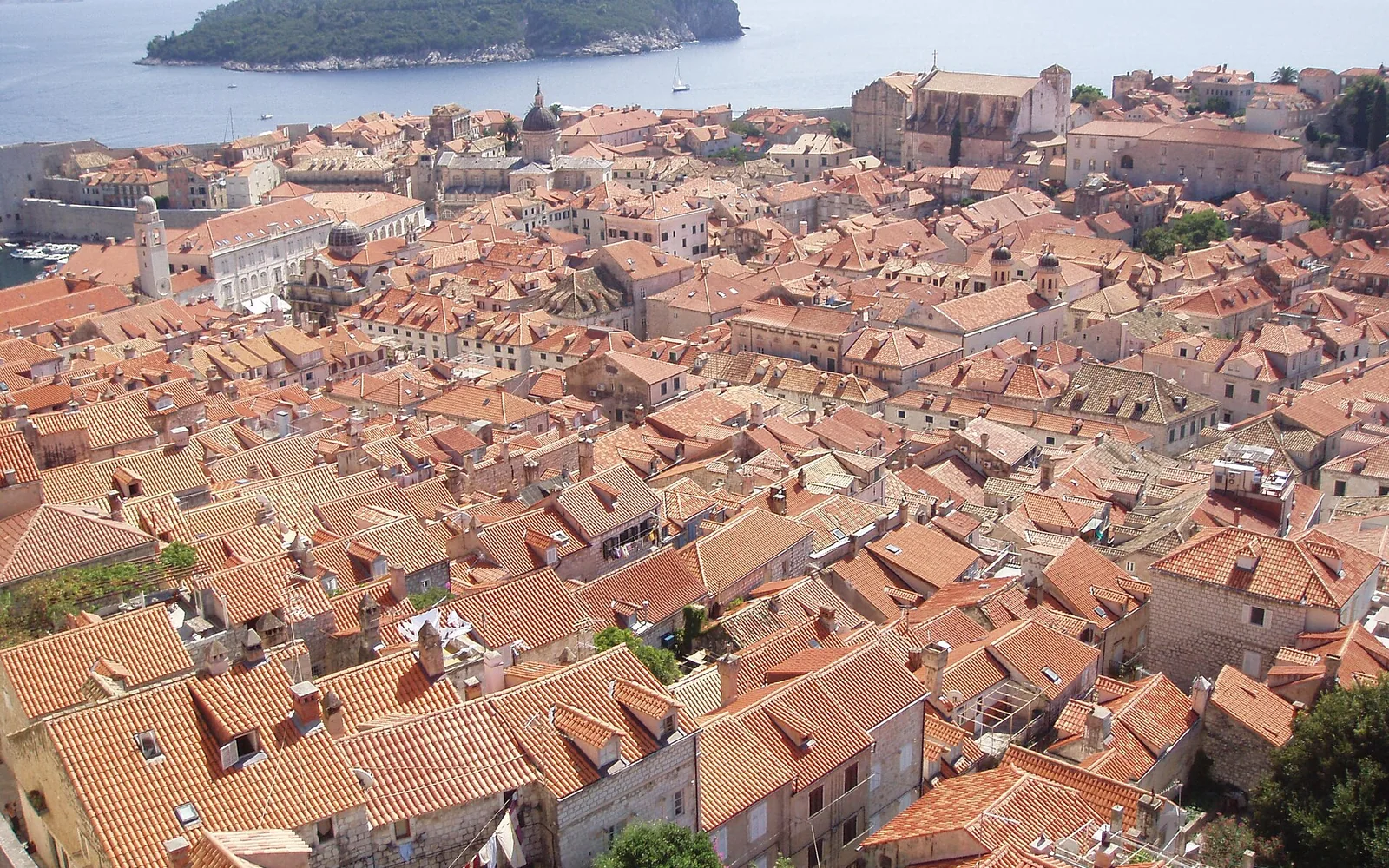
Dubrovnik
Dubrovnik combines a remarkably intact walled city with steep coastal neighbourhoods, clear Adriatic water and island routes from Gruž port.
Open guide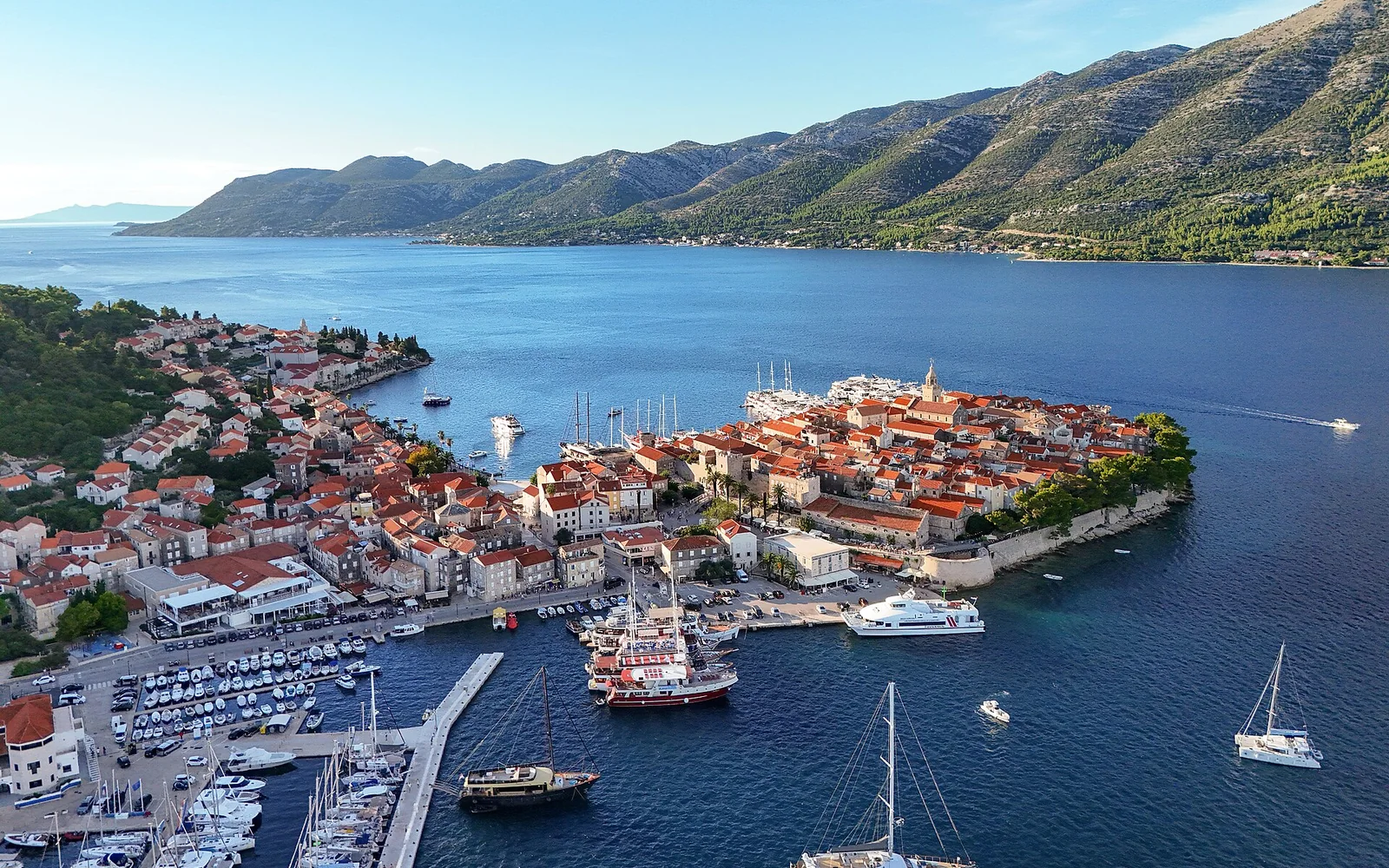
Korčula Island
Korčula is a long, wooded island with a walled eastern town, wine villages, sheltered coves and the western port of Vela Luka.
Open guide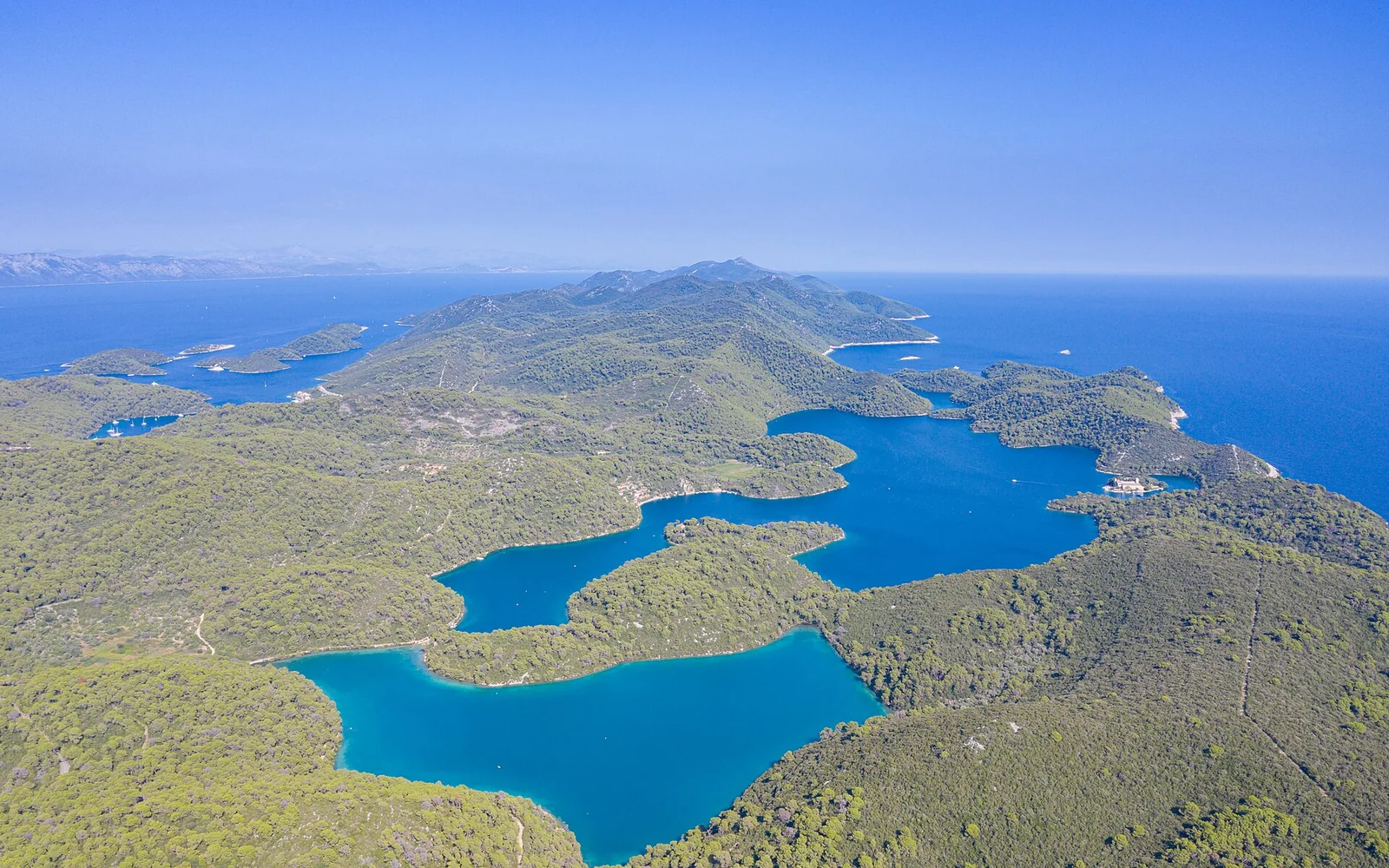
Mljet Island
Mljet is a long, wooded island where the national park covers the west, while ports, beaches and villages continue across the centre and east.
Open guide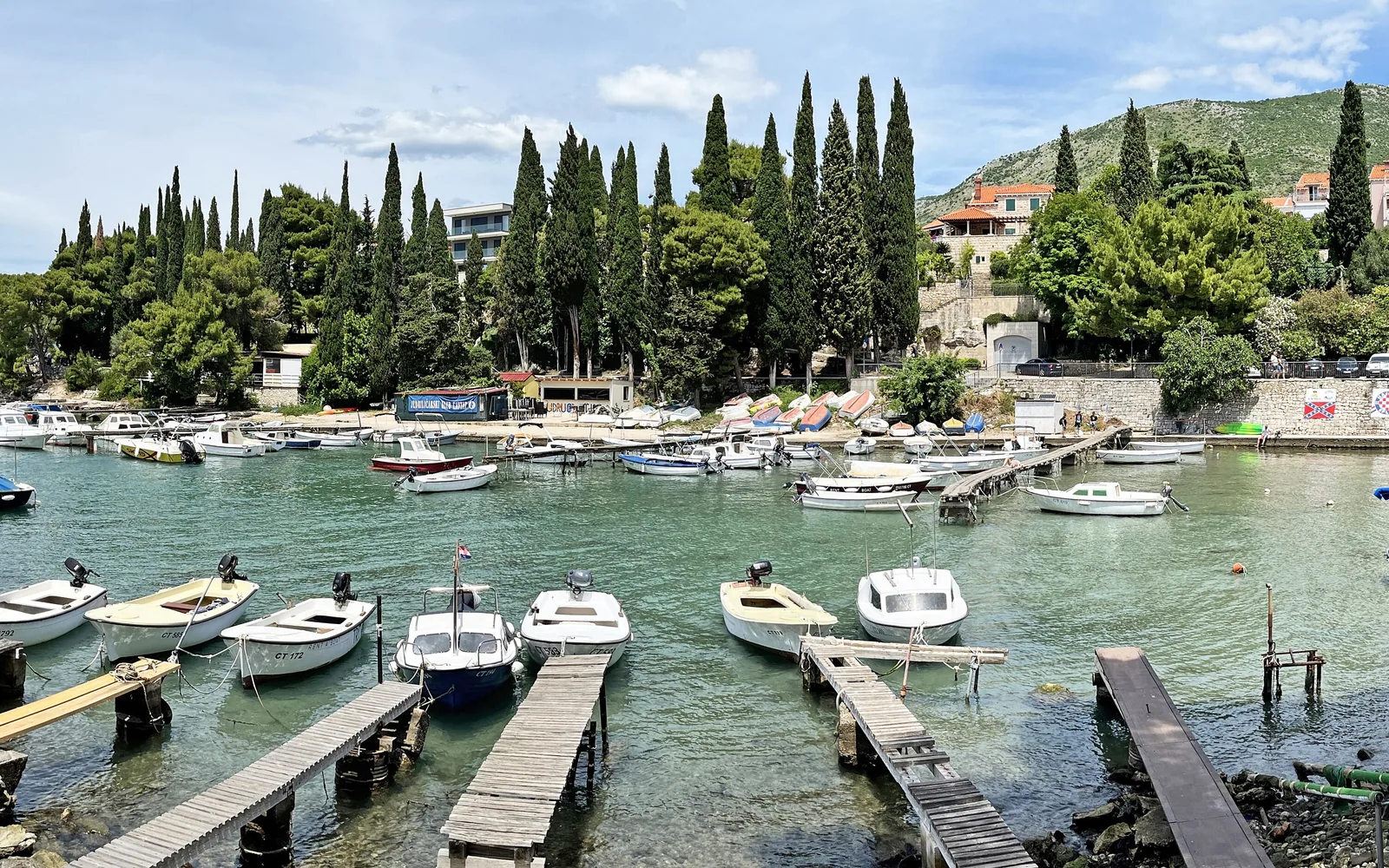
Cavtat
Cavtat is a small harbour town south of Dubrovnik, with waterfront walks, historic houses and direct connections to the airport and Konavle.
Open guideKorčula Town
Korčula Town is a compact walled settlement on the island’s eastern edge, surrounded by water and linked closely with Lumbarda and Orebić.
Open guide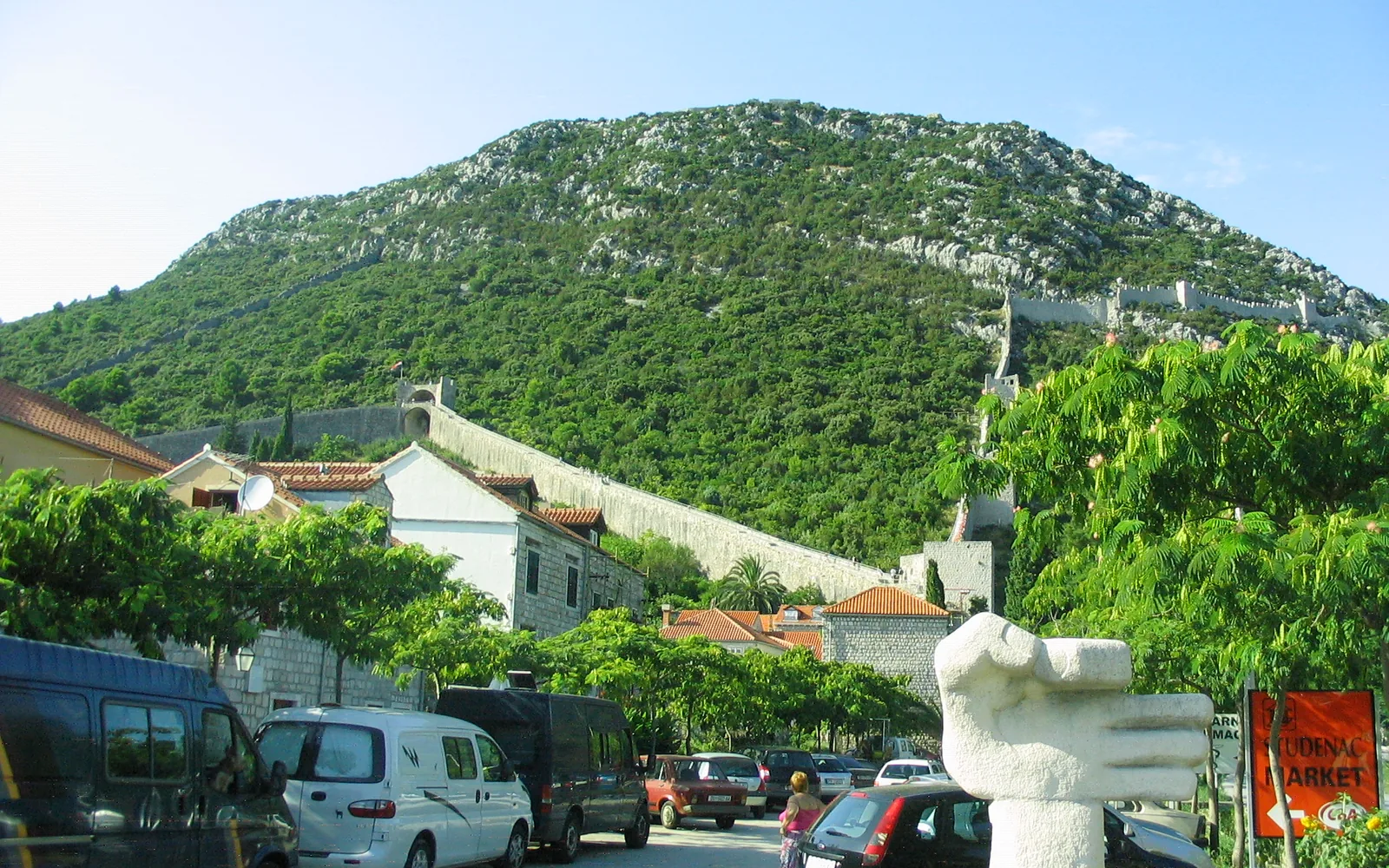
Ston and Pelješac
Ston opens the Pelješac peninsula with historic walls, salt pans and access to wine villages, coastal settlements and the ferry port at Orebić.
Open guideBuild a coherent route
Plan by area
Dubrovnik
Dubrovnik combines a remarkably intact walled city with steep coastal neighbourhoods, clear Adriatic water and island routes from Gruž port.
Korčula Island
Korčula is a long, wooded island with a walled eastern town, wine villages, sheltered coves and the western port of Vela Luka.
Mljet Island
Mljet is a long, wooded island where the national park covers the west, while ports, beaches and villages continue across the centre and east.
Cavtat
Cavtat is a small harbour town south of Dubrovnik, with waterfront walks, historic houses and direct connections to the airport and Konavle.
Ston and Pelješac
Ston opens the Pelješac peninsula with historic walls, salt pans and access to wine villages, coastal settlements and the ferry port at Orebić.
See the main travel bases
See the main places in Dubrovnik region
Loading the map…
Use the map to compare the main bases before planning local transport.
Match the route to your time
What fits into your trip
A practical first visit
Dubrovnik is the regional anchor, while Korčula and Mljet add very different island stays. Korčula has several substantial settlements and longer overland journeys. Mljet is quieter, with the national park occupying only the western part of the island.
Link the stops sensibly
Routes and day trips
Allow at least two full days for the old city, walls and surrounding neighbourhoods. Early and late hours are calmer than the middle of the day.
Suggested regional routes
Dubrovnik
Dubrovnik rewards travellers who give the old city more than a busy midday circuit. Its walls, limestone lanes and harbour are the obvious focus, but Lapad, Gruž and the coast beyond Pile make the city easier to understand and provide room away from the main gates.
Open destination guideKorčula Island
Korčula Island should be planned from east to west. Korčula Town and Lumbarda anchor the east, while Vela Luka is a separate western base. Blato and inland villages sit between them among forests, fields and vineyards.
Open destination guideMljet Island
Mljet Island and Mljet National Park are not the same place. The protected park occupies the western part of the island around the saltwater lakes, while Sobra, Saplunara and other settlements lie outside it.
Open destination guideCavtat
Cavtat is a small harbour town south of Dubrovnik, with waterfront walks, historic houses and direct connections to the airport and Konavle.
Open destination guideRegional day trips
Cavtat day trip from Dubrovnik
Cavtat offers a calmer harbour, one wooded peninsula and small museums within an easy bus journey of Dubrovnik.
Wider itineraries
These routes include Dubrovnik region but continue to other parts of Croatia.
Croatia from Zagreb to Dubrovnik in 12 daysChoose transport by destination
Getting around Dubrovnik region
Some routes carry only foot passengers. Vehicle ferries may use different ports and indirect routes. Confirm the exact operator, date and terminal.
Suggested time
5 to 9 days
Main connection
Dubrovnik airport, bus station and Gruž port
Choose dates that suit the route
When to visit
Dubrovnik and Korčula Town work well on foot. Island-wide travel is possible by bus in season, but a car or scooter may be useful for remote areas if the rental and ferry rules are clear.
Read the seasonal guide for CroatiaAvoid common route problems
Planning checks
How long should I spend in Dubrovnik region?
Five days suit Dubrovnik and one short island stay. Seven to nine days work better for Dubrovnik plus Korčula and Mljet.
Can I explore Dubrovnik region without a car?
Yes. Dubrovnik and the main island towns are easy on foot, with ferries and buses for connections. A car improves island flexibility but is not essential for a focused route.
What should I check before travelling through Dubrovnik region?
Confirm the dated transport, opening information and conditions for the exact places in the route.
Quick answers
Questions about Dubrovnik region
How long should I spend in Dubrovnik region?
Five days suit Dubrovnik and one short island stay. Seven to nine days work better for Dubrovnik plus Korčula and Mljet.
Can I explore Dubrovnik region without a car?
Yes. Dubrovnik and the main island towns are easy on foot, with ferries and buses for connections. A car improves island flexibility but is not essential for a focused route.
What should I check before travelling through Dubrovnik region?
Confirm the dated transport, opening information and conditions for the exact places in the route.
How this guide is checked
Sources and review
Reviewed 3 September 2026, next review due 3 March 2027. Services, access rules and opening arrangements can change, so check the official source before travel.
- Official Croatia travel planning, Croatian National Tourist Board
- Jadrolinija ferry information, Jadrolinija
- Croatian rail timetable, HŽ Passenger Transport
- Official Dubrovnik visitor information, Dubrovnik Tourist Board
- Official Korčula visitor information, Korčula Tourist Board
- Mljet Island visitor information, Mljet Tourist Board
Continue through Croatia
Regions that connect naturally
Korčula Island
Korčula is a long, wooded island with a walled eastern town, wine villages, sheltered coves and the western port of Vela Luka.
Mljet Island
Mljet is a long, wooded island where the national park covers the west, while ports, beaches and villages continue across the centre and east.
Continue planning
See more of Croatia
Use the country guide to compare Dubrovnik region with other regions and destinations in Croatia.