
Late spring and September give the broadest balance for a mixed Croatia route. Summer offers the fullest island network but brings heat and heavy demand, while winter is better treated as a mainland city trip.
January to March in Croatia
January: Zagreb, Dubrovnik and quiet mainland towns suit cultural trips. Cold inland weather and Adriatic wind narrow outdoor plans. Check winter island links and reduced attraction hours.
February: City history and a low-key coast are the strongest choices. Rain and strong wind can interrupt exposed walls, boats and paths. Keep indoor alternatives and confirm every coastal sailing.
March: Zagreb, Istria and early national-park visits become more practical. The sea remains cool and unsettled weather can change walking days. Verify park circuits, ferry frequency and holiday opening hours.
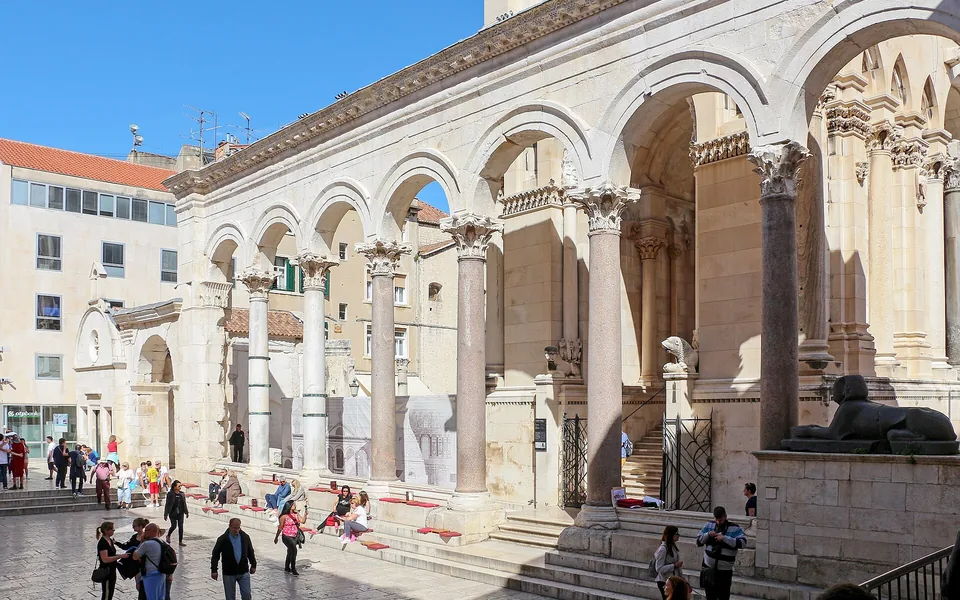
April to June in Croatia
April: National parks, historic cities and road touring work well. Island frequency is still uneven and the water remains cool. Check the exact island route before booking accommodation.
May: The coast, parks and early island routes combine well. Some seasonal services start partway through the month. Match every island stay to a confirmed sailing date.
June: Island travel, swimming and long national-park days are widely practical. Heat builds and exposed old towns need earlier starts. Reserve route-critical ferries and timed park admission.
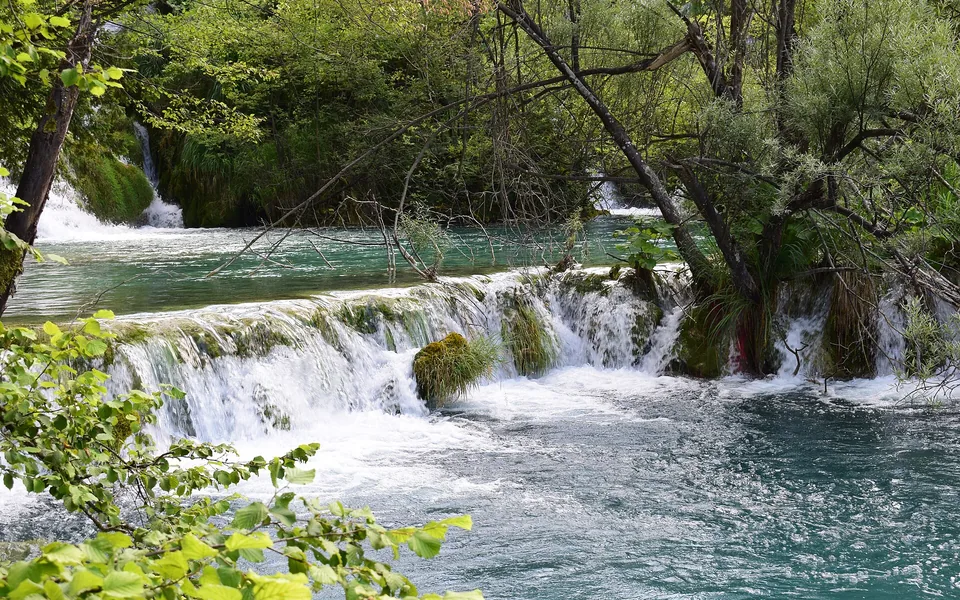
July to September in Croatia
July: Beach and island holidays have the broadest service range. Heat, wildfire risk and crowded heritage centres reduce flexibility. Check heat warnings, park access and vessel notices each day.
August: Island routes and resort-based stays run at full summer pace. High heat, heavy traffic and cruise pressure affect daily plans. Protect boarding time and avoid tight road-to-ferry connections.
September: Warm water, islands and national parks still combine well. Storms and wind can interrupt ferry routes even in warm weather. Confirm the end date of each seasonal coastal service.
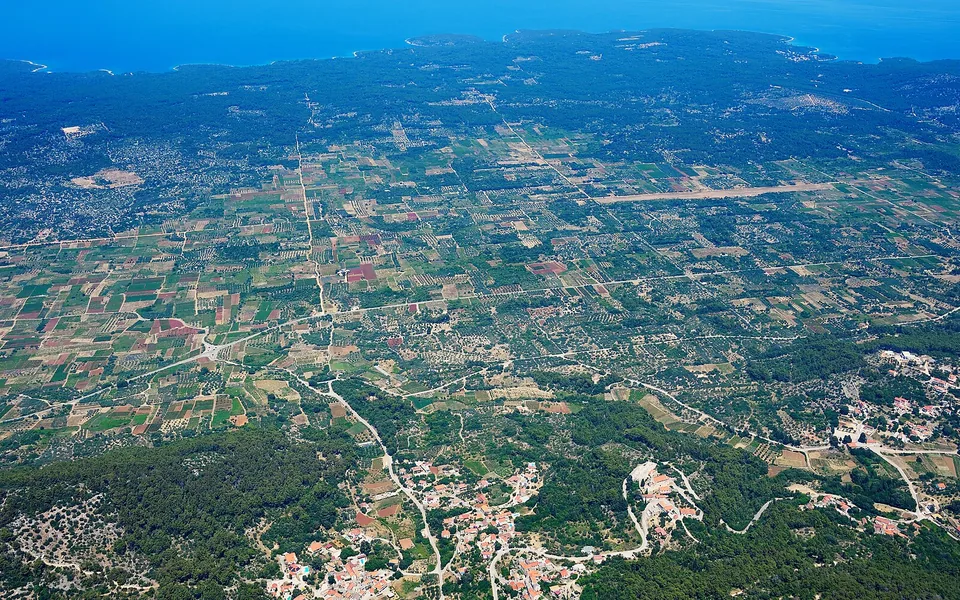
October to December in Croatia
October: Istria, cities and a quieter mainland coast suit slower touring. Ferry choice contracts and beach weather becomes less dependable. Use mainland routes unless the island connection is confirmed.
November: Zagreb and cultural breaks on the coast remain useful. Short days, rain and wind reduce island and outdoor value. Check seasonal closures and the final public-transport return.
December: Zagreb events and a quieter Dubrovnik can anchor a winter trip. Winter wind and holiday changes can disrupt transport. Confirm event dates, attraction hours and holiday timetables.
Match the season to a Croatia route
- Croatia travel guide
- Croatia from Zagreb to Dubrovnik in 12 days
- Plitvice Lakes guide
- Hvar Island guide
Month-by-month guide
| Month | Good for | Main limitations | Crowds | Transport or access |
|---|---|---|---|---|
| January | Zagreb, Dubrovnik and quiet mainland towns suit cultural trips. | Cold inland weather and Adriatic wind narrow outdoor plans. | Demand is low outside holiday weekends. | Check winter island links and reduced attraction hours. |
| February | City history and a low-key coast are the strongest choices. | Rain and strong wind can interrupt exposed walls, boats and paths. | Most destinations remain quiet. | Keep indoor alternatives and confirm every coastal sailing. |
| March | Zagreb, Istria and early national-park visits become more practical. | The sea remains cool and unsettled weather can change walking days. | Easter dates can create short demand peaks. | Verify park circuits, ferry frequency and holiday opening hours. |
| April | National parks, historic cities and road touring work well. | Island frequency is still uneven and the water remains cool. | Demand rises around holidays but stays below summer levels. | Check the exact island route before booking accommodation. |
| May | The coast, parks and early island routes combine well. | Some seasonal services start partway through the month. | Popular old towns become busier without midsummer pressure. | Match every island stay to a confirmed sailing date. |
| June | Island travel, swimming and long national-park days are widely practical. | Heat builds and exposed old towns need earlier starts. | Demand rises quickly along the Adriatic. | Reserve route-critical ferries and timed park admission. |
| July | Beach and island holidays have the broadest service range. | Heat, wildfire risk and crowded heritage centres reduce flexibility. | This is one of the busiest periods on the coast. | Check heat warnings, park access and vessel notices each day. |
| August | Island routes and resort-based stays run at full summer pace. | High heat, heavy traffic and cruise pressure affect daily plans. | Coastal demand remains at its peak. | Protect boarding time and avoid tight road-to-ferry connections. |
| September | Warm water, islands and national parks still combine well. | Storms and wind can interrupt ferry routes even in warm weather. | Demand eases gradually after early September. | Confirm the end date of each seasonal coastal service. |
| October | Istria, cities and a quieter mainland coast suit slower touring. | Ferry choice contracts and beach weather becomes less dependable. | Most destinations are calmer outside events. | Use mainland routes unless the island connection is confirmed. |
| November | Zagreb and cultural breaks on the coast remain useful. | Short days, rain and wind reduce island and outdoor value. | Demand is generally low. | Check seasonal closures and the final public-transport return. |
| December | Zagreb events and a quieter Dubrovnik can anchor a winter trip. | Winter wind and holiday changes can disrupt transport. | Demand clusters around seasonal events and holidays. | Confirm event dates, attraction hours and holiday timetables. |