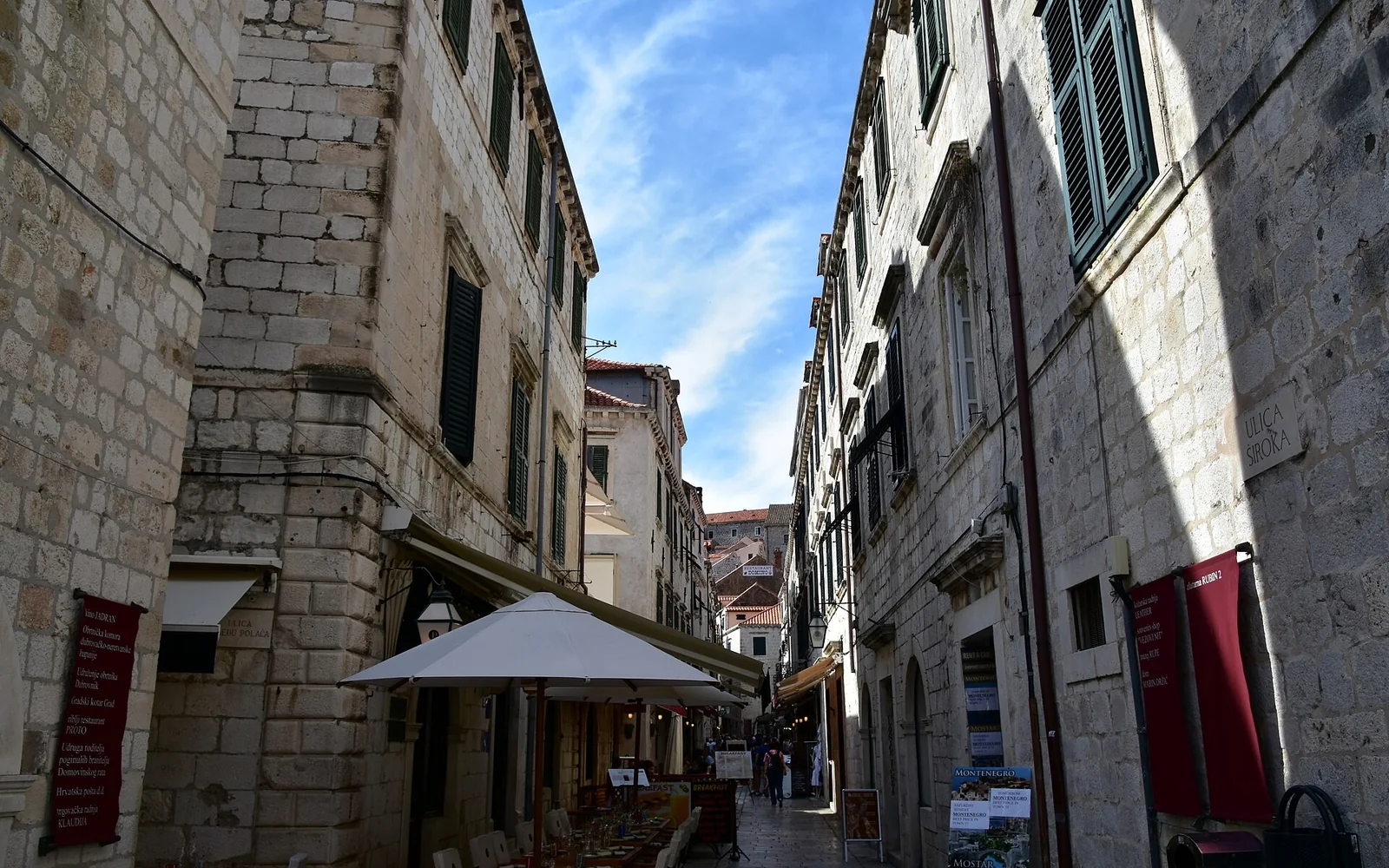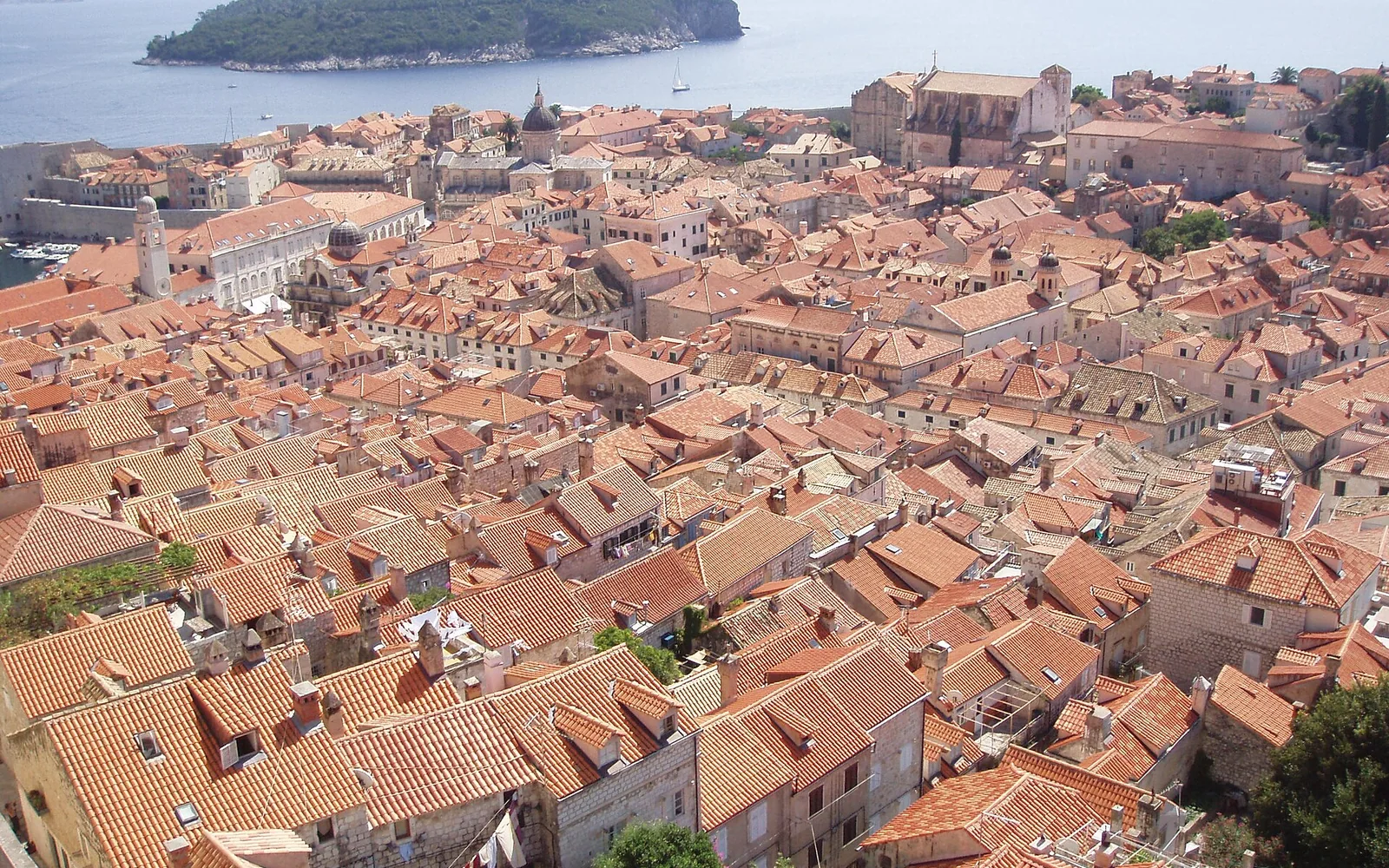
Dubrovnik rewards travellers who give the old city more than a busy midday circuit. Its walls, limestone lanes and harbour are the obvious focus, but Lapad, Gruž and the coast beyond Pile make the city easier to understand and provide room away from the main gates.
Start with what makes Dubrovnik distinct
Dubrovnik rewards travellers who give the old city more than a busy midday circuit. Its walls, limestone lanes and harbour are the obvious focus, but Lapad, Gruž and the coast beyond Pile make the city easier to understand and provide room away from the main gates.
Two full days cover the walls, historic core and one slower afternoon. Add a third or fourth day for beaches, museums, Lokrum when operating, or an onward island connection without turning every morning into a departure.
The old city and walls
Walk the walls early or later in the day when conditions allow, then explore the ground-level streets separately. The route is exposed, has many steps and little shade, so it should not be combined with every indoor sight.
Neighbourhoods beyond the gates
Pile is practical for the western gate, Lapad suits beach access and a calmer evening, and Gruž is useful for ferries and the market. Staying outside the walls usually means more space but can involve hills or bus journeys.
Beaches and water trips
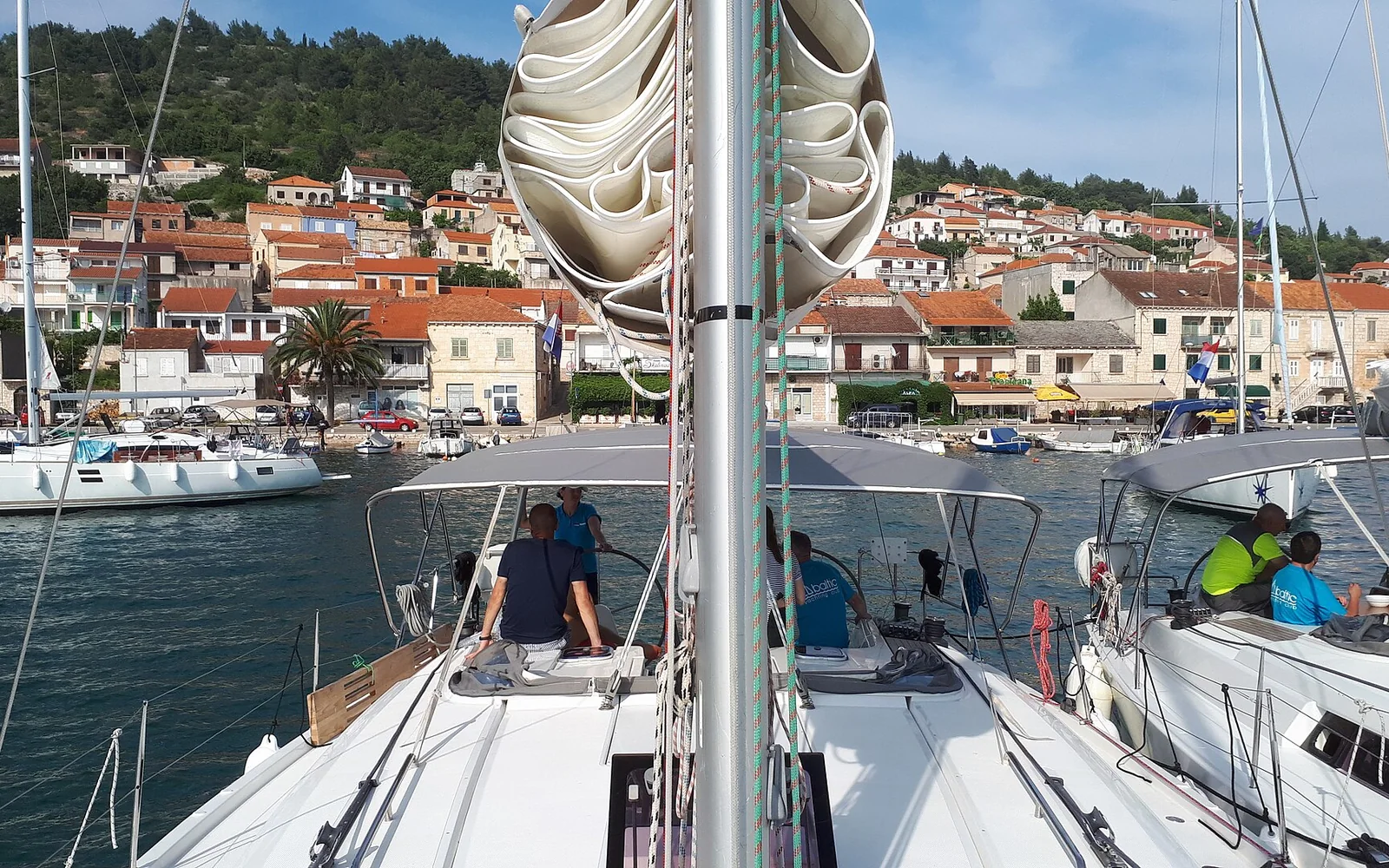
City beaches are small and can be busy. Check sea conditions and official operating information before planning Lokrum or another boat trip, especially outside the main season.
Build a realistic visit to Dubrovnik
Day 1: enter early, walk the main old-city streets, visit one museum and return for an evening circuit.
Day 2: walk the walls at a suitable time, then continue to Pile or a nearby beach.
Day 3: explore Lapad and Gruž, or take one verified island trip with a comfortable return.
Arrive and move around Dubrovnik
Dubrovnik Airport connects by road with the city. Airport buses, local services, taxis and transfers can change with flight schedules. The intercity bus station and ferry port are in Gruž, not beside the old city, so allow transfer time.
The old city is pedestrian-only and full of steps. Public buses link Pile, Lapad, Gruž and residential areas. A car is a burden for a city stay because parking near the walls is limited and expensive, so use it only for a wider road route.
Food and local stops in Dubrovnik
Look for black risotto, grilled fish, octopus salad and rožata. Restaurants inside the main streets vary widely, while Gruž and Lapad provide useful alternatives away from the busiest squares.
Choose the right conditions for Dubrovnik
Late spring and early autumn often balance warm weather with better walking conditions. Summer brings heat, cruise-day crowds and high accommodation demand. Winter is quieter, though island services and some visitor businesses reduce.
The Stradun is comparatively level, but most side streets and the walls involve steps. Wheelchair users should check accessible entrances and transport with the tourist board and each attraction before arrival.
Stone surfaces become slippery when wet, the walls are exposed in hot weather, and luggage is difficult on stepped streets. Do not book a tight flight-to-ferry connection because those are separate services.
Continue from Dubrovnik
Korčula Island and Mljet Island make substantial onward stays rather than automatic day trips. Choose one around the current sailing schedule. A short local boat outing is simpler when time is limited.
Continue planning
- Plan the wider Dubrovnik region
- Continue to Korčula Island
- Plan a stay on Mljet Island
- Croatia travel guide
Questions about Dubrovnik
Is two days enough for Dubrovnik?
Two full days cover the old city, walls and one area beyond the gates. Add a third day for beaches, museums or a slower pace.
Where should I stay without a car?
Pile is convenient for the old city, Lapad has beaches and buses, and Gruž is practical for ferries. Check the hill and steps between the property and the nearest stop.
Can I visit Korčula or Mljet as a day trip?
Some seasonal sailings make selected day trips possible, but schedules change and can leave little time ashore. An overnight stay is usually more useful.
Daily planning ranges
Travel costs in Dubrovnik
These planning ranges are per person, per day and assume two people sharing a room. They are not live quotes.
Standard daily breakdown
- Accommodation
- €95 to €170
- Food
- €38 to €58
- Local transport
- €7 to €16
- Activities
- €25 to €50
What the range assumes: Per person, per day, based on two people sharing a sensible double or twin room. The standard range allows for ordinary paid sightseeing, local transport and a mix of casual and mid-range meals.
Seasonal note: Old Town accommodation and popular activities are substantially dearer during the main cruise and summer season.
Not included: International travel, intercity travel, shopping, travel insurance and major special-event premiums are excluded.
Price basis 29 August 2026, reviewed 29 August 2026, next review due 28 February 2027.
Cost sources
- Dubrovnik public transport, Libertas Dubrovnik
- Dubrovnik travel costs, Budget Your Trip
Sources and updates
This guide was last reviewed on 3 September 2026. Transport, access and opening arrangements can change, so check the official source before travel.
- Official Croatia travel planning, Croatian National Tourist Board
- Jadrolinija ferry information, Jadrolinija
- Croatian rail timetable, HŽ Passenger Transport
- Official Dubrovnik visitor information, Dubrovnik Tourist Board
Related places to consider
These guides can help you place Dubrovnik within a wider route.