Krk is one of Croatia’s easiest islands to reach because a road bridge links it to the mainland. That does not make the island small. Krk Town, Vrbnik, Baška, Punat and the northern settlements suit different bases.
Start with what makes Krk Island distinct
Krk is one of Croatia’s easiest islands to reach because a road bridge links it to the mainland. That does not make the island small. Krk Town, Vrbnik, Baška, Punat and the northern settlements suit different bases.
The road from the northern bridge area to Baška is roughly 45 kilometres. Three days allow one base and selected outings. Five days work better for a north-to-south route without long daily returns.
Krk Town and Punat
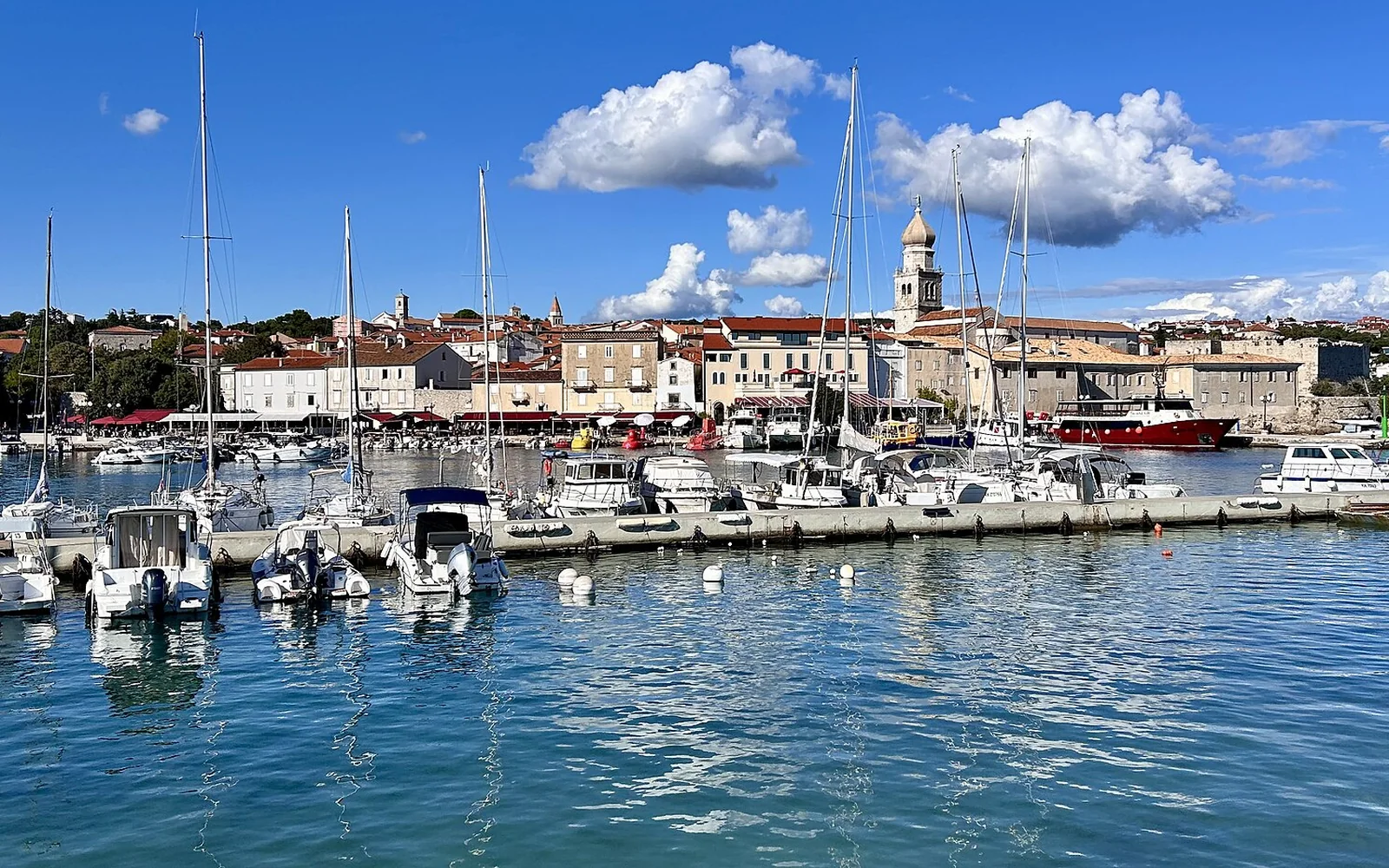
Krk Town combines historic lanes, harbour life and a practical central position. Nearby Punat is linked with marine activities and access towards Košljun through authorised services.
Vrbnik and the east coast
Vrbnik sits on a limestone ridge above the sea. Streets are steep and parking remains outside the oldest lanes. The area is closely associated with žlahtina wine.
Baška and the south
Baška provides a broad bay, dense summer facilities and access to demanding limestone walks. Trails are exposed and need weather, footwear and water planning.
Build a realistic visit to Krk Island
Day 1: settle in Krk Town or Punat and explore the nearby coast.
Day 2: visit Vrbnik with a driver plan if tasting wine.
Days 3 to 4: stay in or visit Baška, allowing time for the bay and one suitable walk.
Day 5: explore a northern settlement before crossing back to the mainland.
Arrive and move around Krk Island
Road traffic reaches Krk by bridge, and buses connect from Rijeka and other mainland points. Rijeka Airport is on the island near Omišalj. Marine services supplement the road network but are not the main access for most visitors.
A car gives the most flexibility. Local buses link key settlements on schedules that vary by season. Without a car, choose Krk Town or another base with shops, beaches and usable connections.
Food and local stops in Krk Island
Look for šurlice pasta, lamb, sheep cheese, seafood and Vrbnik žlahtina. Plan wine tasting around a designated driver, taxi or an organised visit.
Choose the right conditions for Krk Island
Summer brings warm sea conditions and traffic. Late spring and September are better for road trips and walking. Bora wind can affect the bridge, exposed roads and marine plans in any season.
Krk Town harbour and some promenades are accessible, but old centres and beaches often involve stone, slopes or steps. Ask for exact beach and room access.
Bridge traffic and parking can slow peak-season journeys. Exposed hiking routes are unsuitable in strong wind or heat. Do not treat every beach access road as suitable for a rental car.
Continue from Krk Island
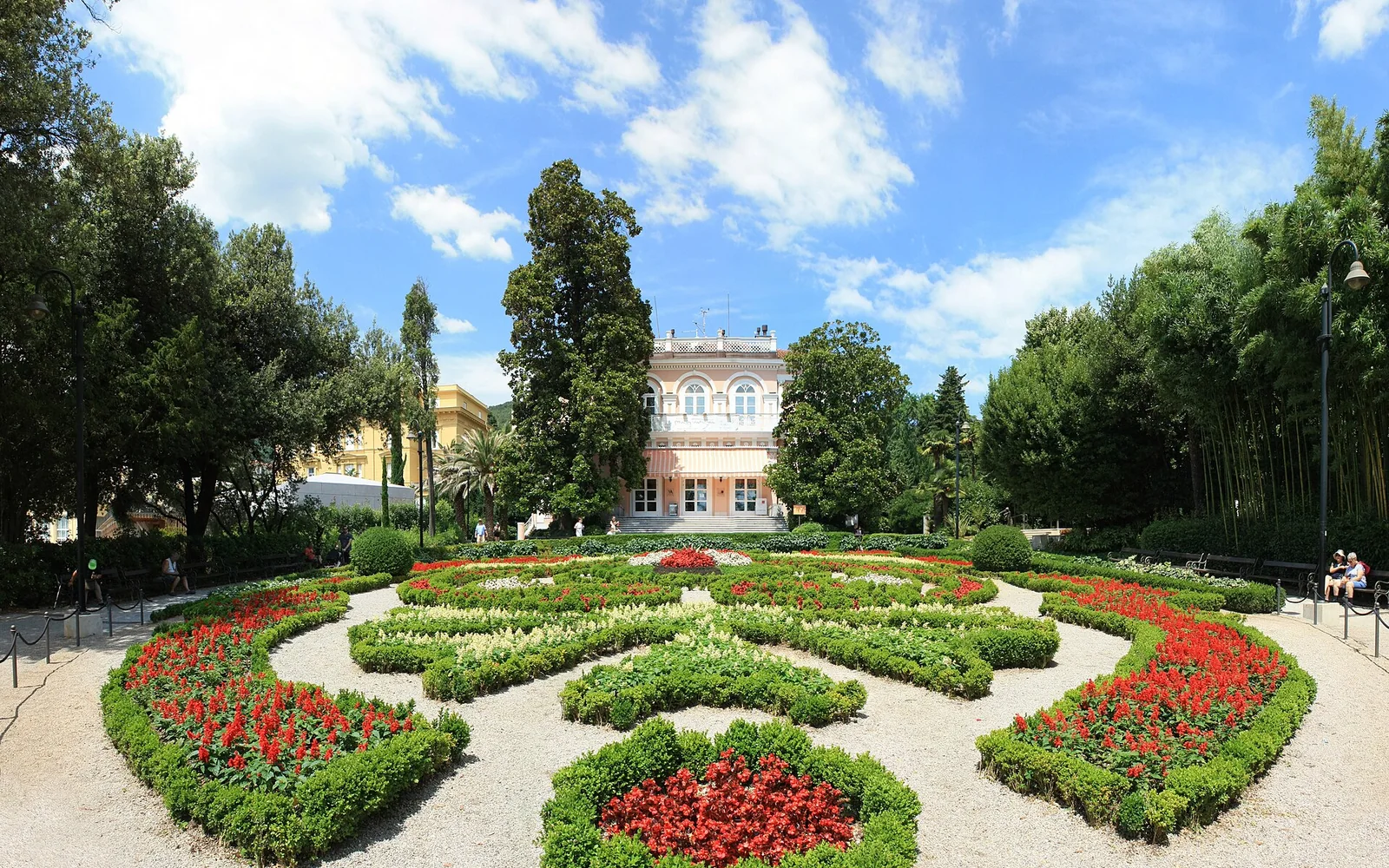
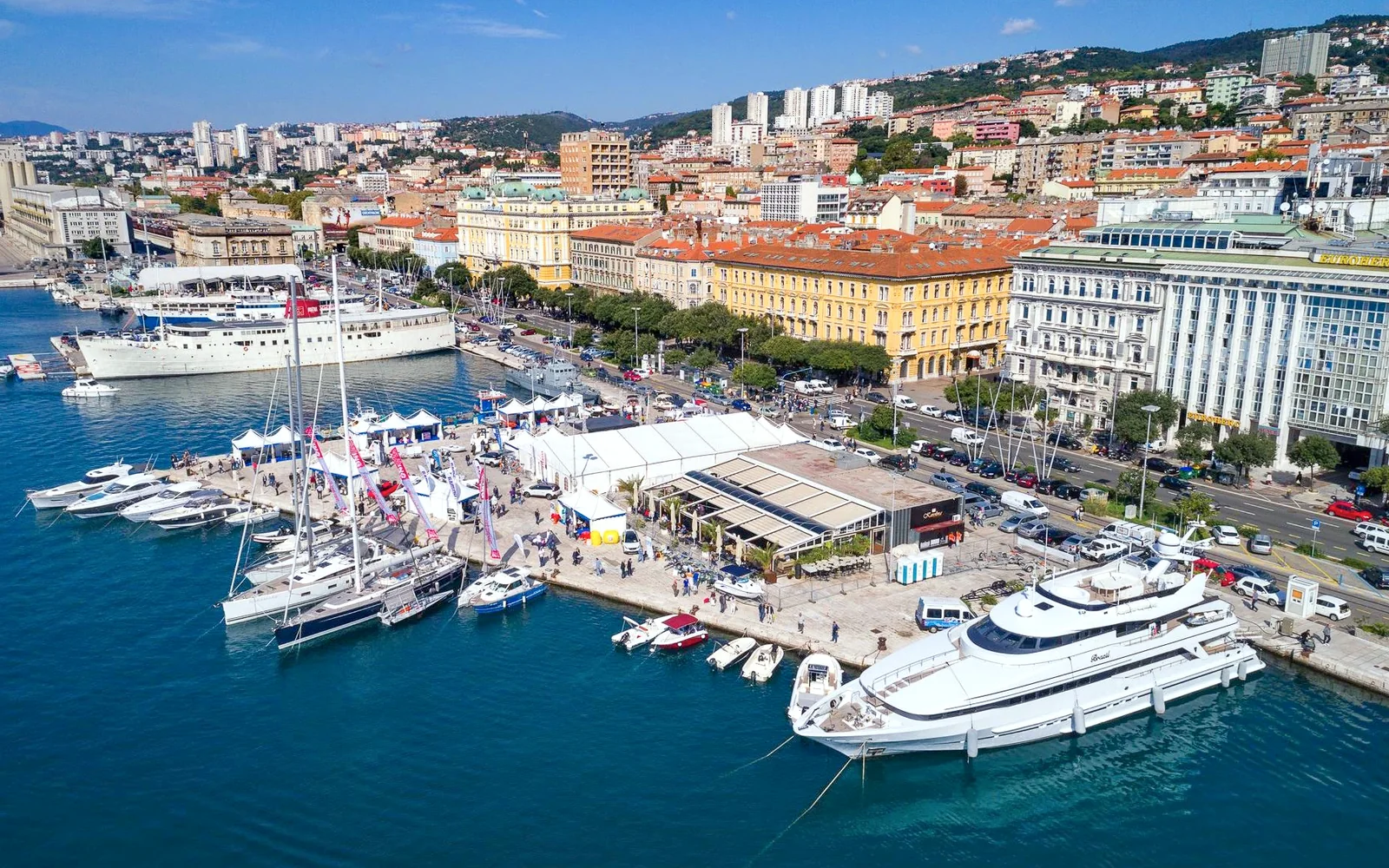
Rijeka is the main transport and cultural gateway, while Opatija makes a separate resort stay. Istria lies west of Kvarner and suits a longer road route.
Continue planning
Questions about Krk Island
Can I drive to Krk Island?
Yes. A bridge connects Krk with the mainland. Check current wind and traffic information before an exposed or time-sensitive journey.
Where should I stay on Krk?
Krk Town is central and historic, Baška suits a beach-focused stay, and Punat works well for marine activities and nearby coves.
Can I explore Krk without a car?
Yes from one main base, using local buses and taxis. A car is more practical for combining villages and remote beaches.
How far is Baška from the bridge area?
The road journey is roughly 45 kilometres from the northern island. Allow extra time for traffic and winding sections.
Sources and updates
This guide was last reviewed on 3 September 2026. Transport, access and opening arrangements can change, so check the official source before travel.
- Official Croatia travel planning, Croatian National Tourist Board
- Croatian rail timetable, HŽ Passenger Transport
- Official Rijeka visitor information, Rijeka Tourist Board
- Official Krk Island visitor information, Krk Island Tourist Board
Related places to consider
These guides can help you place Krk Island within a wider route.