Opatija developed as an Adriatic resort in the Habsburg era, and its villas, hotels and planted parks remain central to the visit. The Lungomare links the town with neighbouring coastal settlements.
Start with what makes Opatija distinct
Opatija developed as an Adriatic resort in the Habsburg era, and its villas, hotels and planted parks remain central to the visit. The Lungomare links the town with neighbouring coastal settlements.
Two days allow a long seafront walk, Villa Angiolina, central parks and time by the water. Add another day for Rijeka or a carefully planned Učka outing.
The Lungomare
Walk one section of the coastal promenade rather than treating the entire route as a required checklist. Surfaces, steps and exposure vary, and the return journey needs to be planned.
Villas and gardens
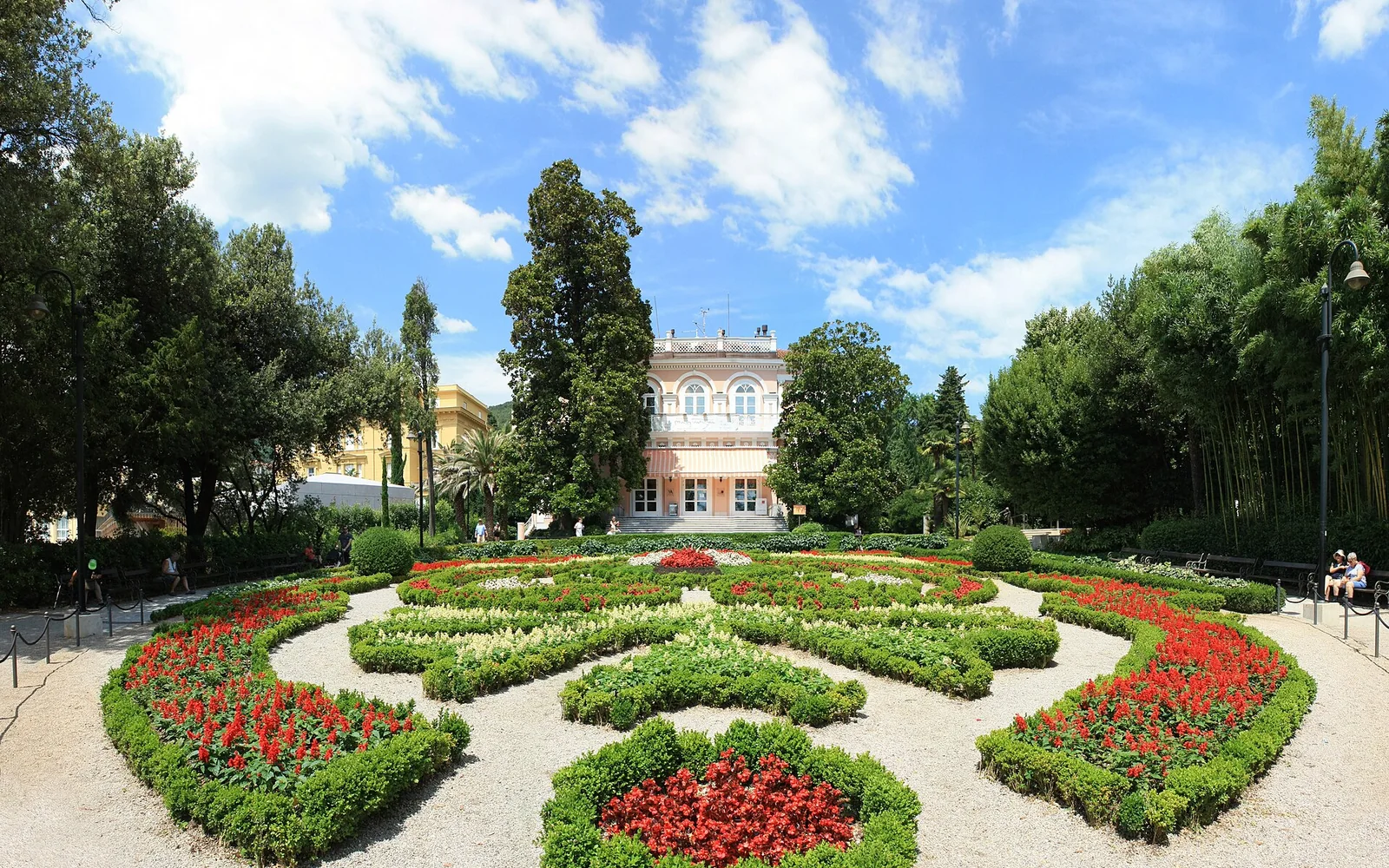
Villa Angiolina and the surrounding park explain Opatija’s resort history. Continue through central gardens and along the façade-lined coast, checking current exhibition access.
Bathing places
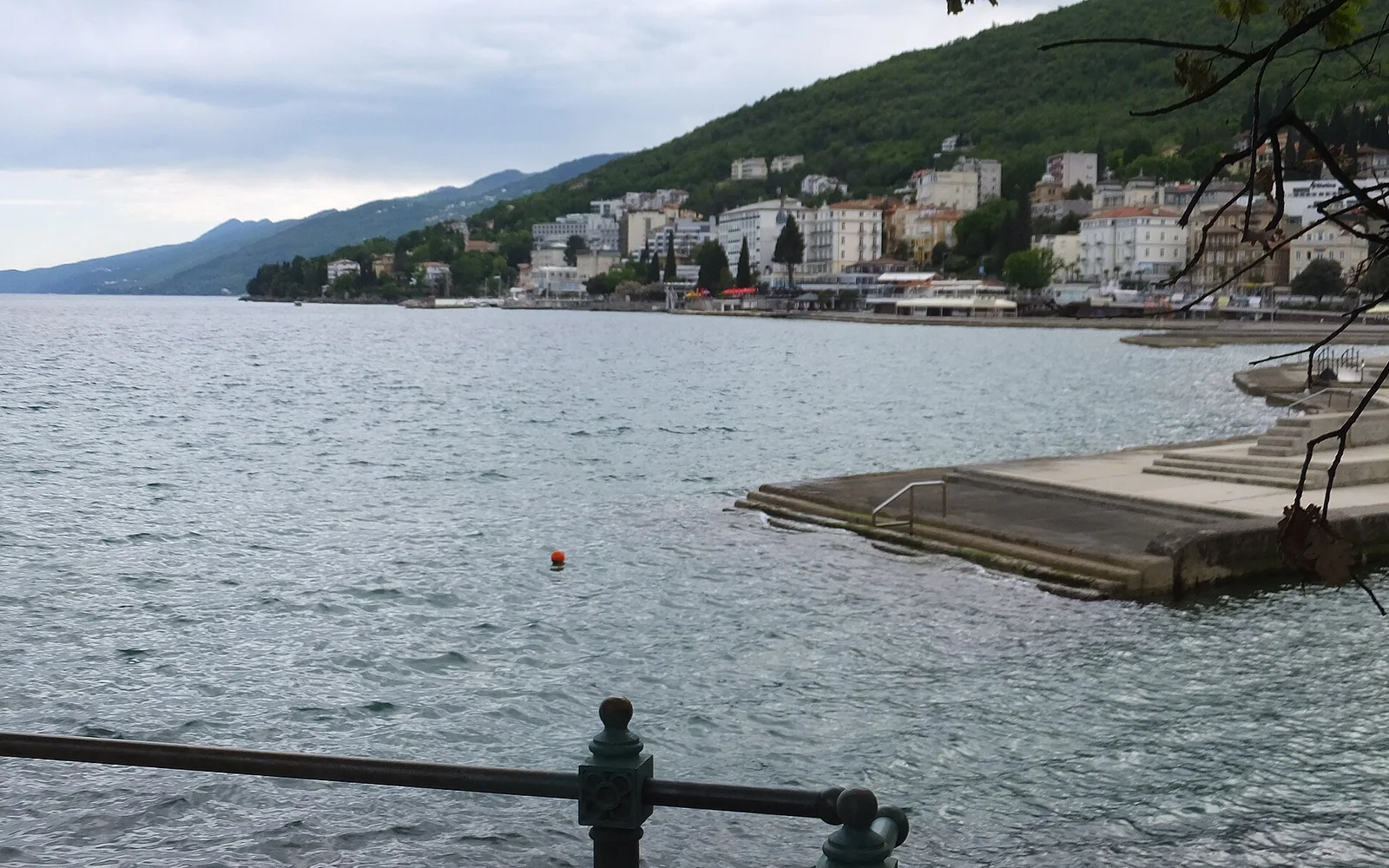
Opatija has built bathing areas and small coves rather than long sandy beaches. Sea access can involve steps or ladders, so inspect the entry before choosing a place.
Build a realistic visit to Opatija
Day 1: explore Villa Angiolina, central parks and the historic waterfront.
Day 2: walk a suitable Lungomare section and stop at a bathing area.
Day 3: visit Rijeka or take a prepared trip towards Učka.
Arrive and move around Opatija
Regional buses connect Opatija with Rijeka and other coastal towns. Rail passengers usually use Rijeka or nearby stations with an onward road connection. Bus stops can be above the waterfront on sloping streets.
Central Opatija and the Lungomare are walkable, though hills rise quickly inland. Local buses help between coastal settlements. A car is unnecessary for a focused stay and parking is limited.
Food and local stops in Opatija
Kvarner seafood, scampi, fish soups and Central European cakes fit Opatija’s mixed coastal and resort traditions. Hotel dining is only part of the choice, so explore independent places along the coast.
Choose the right conditions for Opatija
Spring and autumn are ideal for the promenade. Summer suits swimming but increases traffic and parking pressure. Winter retains a year-round resort character, though weather can be wet and windy.
Promenade sections vary in gradient and surface. Many historic hotels have lifts, while sea access is often stepped. Check the exact route from the bus stop and accessible bathing options.
The town is built on a slope, and a sea-view property may sit high above the waterfront. Do not judge walking effort from horizontal map distance alone.
Continue from Opatija
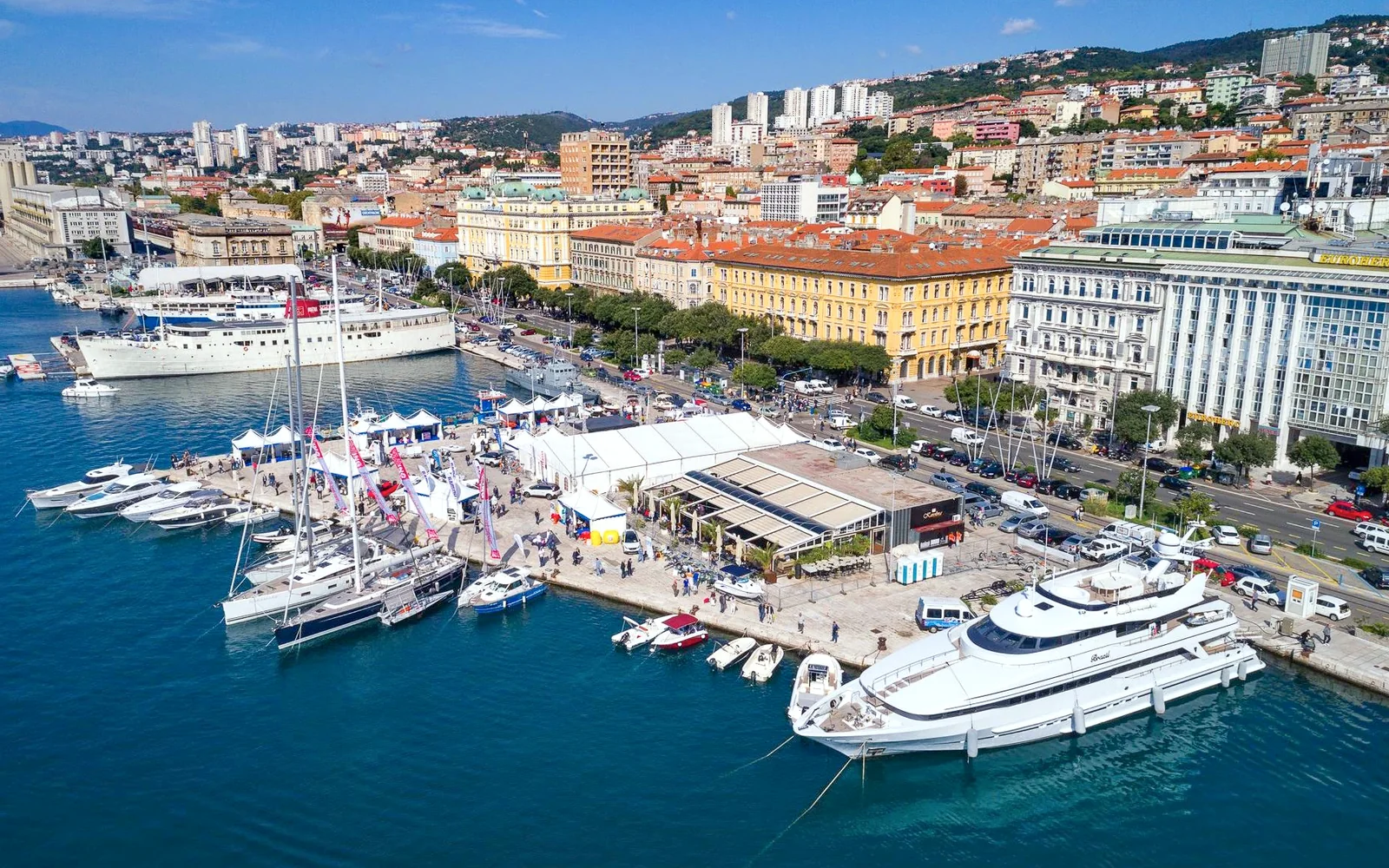
Rijeka provides museums, markets and transport. Krk Island is a separate island stay reached through Rijeka’s wider road and bus network.
Continue planning
Questions about Opatija
How long should I stay in Opatija?
Two days suit the parks, villas and a Lungomare walk. Add a third for Rijeka or a slower coastal day.
Can I travel between Opatija and Rijeka without a car?
Yes. Regional buses connect the two. Check the most convenient stop for your accommodation.
Does Opatija have sandy beaches?
Most bathing places are built platforms, pebble coves or rocky access rather than broad sand.
Sources and updates
This guide was last reviewed on 3 September 2026. Transport, access and opening arrangements can change, so check the official source before travel.
- Official Croatia travel planning, Croatian National Tourist Board
- Croatian rail timetable, HŽ Passenger Transport
- Official Rijeka visitor information, Rijeka Tourist Board
- Official Opatija visitor information, Opatija Tourist Board
Related places to consider
These guides can help you place Opatija within a wider route.