Rijeka feels different from Croatia’s postcard old towns. The port, market and industrial layers shape the city, while the Korzo provides an easy central spine and Trsat adds a historic hilltop district.
Start with what makes Rijeka distinct
Rijeka feels different from Croatia’s postcard old towns. The port, market and industrial layers shape the city, while the Korzo provides an easy central spine and Trsat adds a historic hilltop district.
One full day covers the centre and Trsat. Stay another night if museums, modern architecture or a trip to Opatija matters, or use Rijeka as a transport base before Krk Island.
Korzo and market
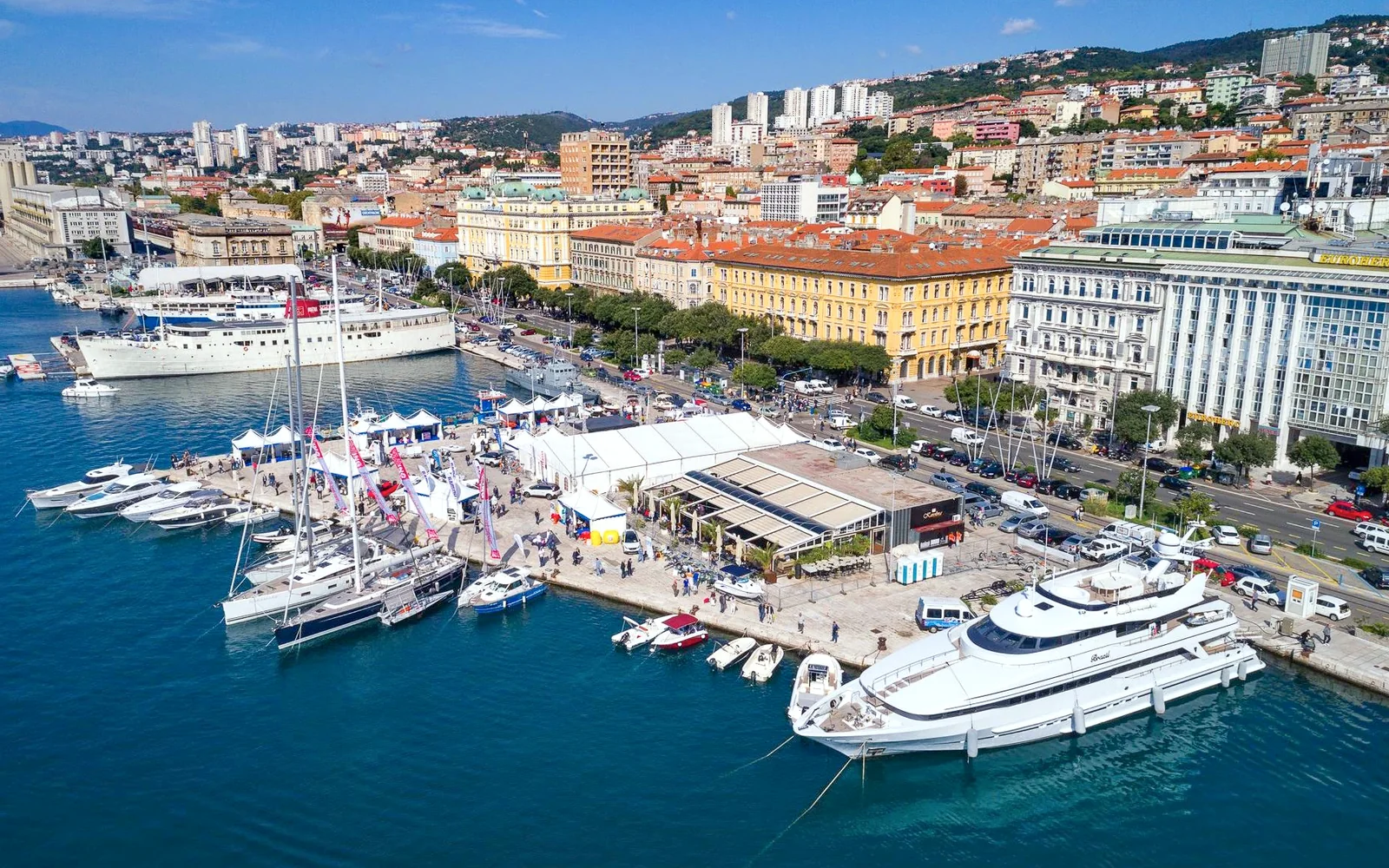
Walk the Korzo, City Tower and surrounding streets before visiting the market halls near the waterfront. The port remains operational, so visitor access does not extend to every quay.
Trsat
Trsat Castle and its neighbourhood sit high above the centre. Use local transport if the long stair route or steep road is unsuitable, then walk the hilltop area at a slower pace.
Port and industrial heritage
Rijeka’s warehouses, museums and former industrial sites explain more of the city than a monument list. Check current exhibition locations because cultural venues can use adapted buildings.
Build a realistic visit to Rijeka
Day 1: explore the Korzo, market, waterfront edge and one central museum.
Day 2: visit Trsat by bus or foot, then return through a different neighbourhood.
Day 3: take a local bus to Opatija or continue to Krk Island.
Arrive and move around Rijeka
Rijeka has rail and bus links, with buses often more useful for coastal travel. The bus terminal arrangements and departure bays can change as the city develops transport infrastructure, so check the ticket details.
The centre is walkable and local buses climb to Trsat and outer districts. A car is unnecessary for city sightseeing. Parking and one-way streets make it awkward near the centre.
Food and local stops in Rijeka
Kvarner cooking brings seafood, scampi, fish stew and Central European influences together. Market halls are useful in the morning, while neighbourhood restaurants can be more relaxed than the Korzo.
Choose the right conditions for Rijeka
Spring and autumn suit city walks and Kvarner excursions. Summer is warm but Rijeka is less beach-focused than nearby resorts. Winter can be wet and windy, with carnival season changing the city’s rhythm.
The Korzo and waterfront streets are mainly level. Trsat is steep, though buses reduce the climb. Older venues and market entrances should be checked individually.
Rijeka is not a substitute for an island or beach base. Strong bora wind can affect regional roads and marine services. Leave a flexible connection if travelling onward.
Continue from Rijeka
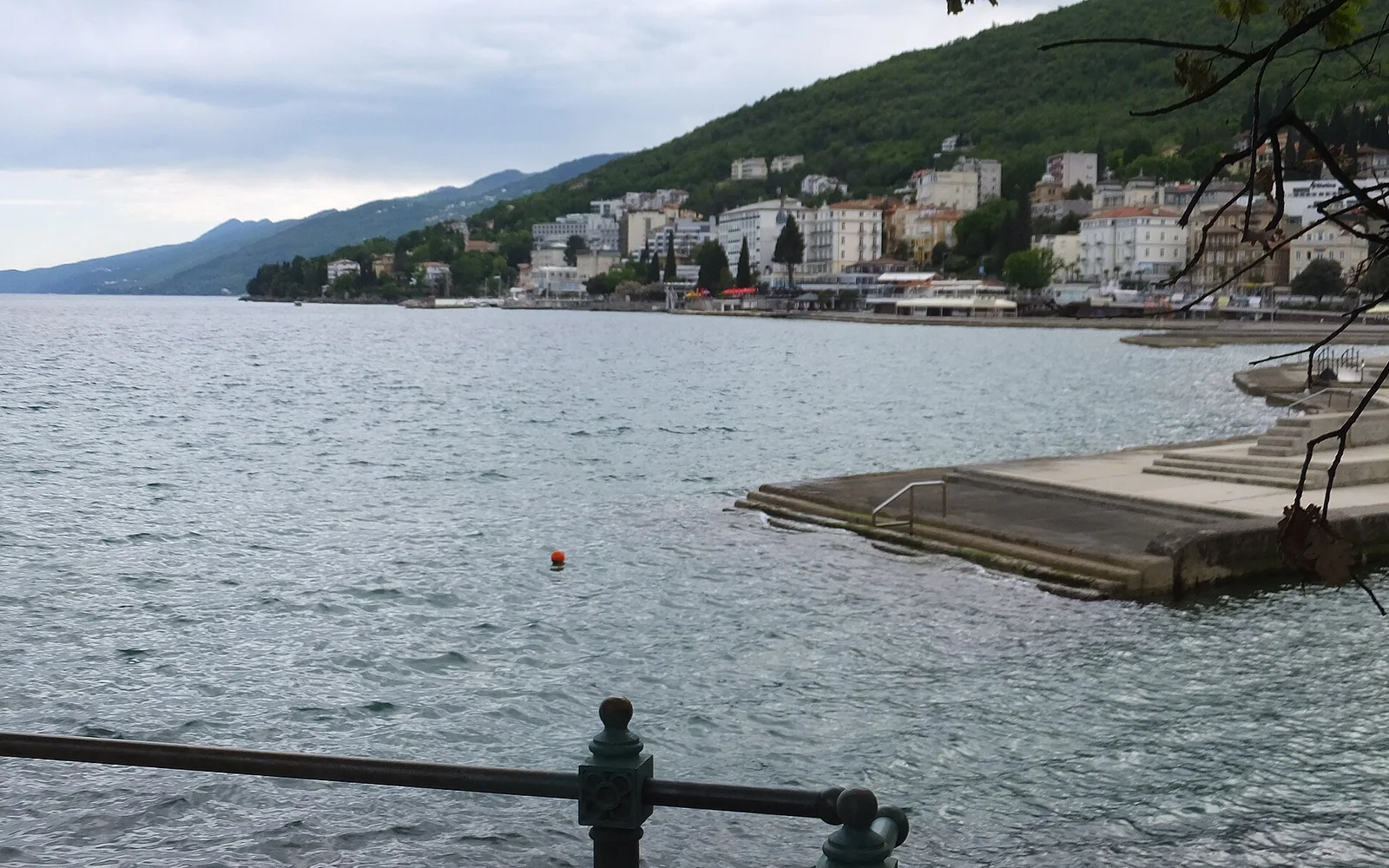
Opatija is a short regional journey west. Krk Island lies south across the bridge and needs its own base plan. Istria continues beyond Opatija on a different regional route.
Continue planning
Questions about Rijeka
Is Rijeka worth a city stay?
Yes if you value port history, markets, museums and a working-city atmosphere. One or two days suit the main areas.
Can I visit Opatija from Rijeka?
Yes. Regional buses connect the cities. Check the current stop and timetable, especially late in the evening.
Do I need a car in Rijeka?
No. The centre is walkable and local buses reach Trsat. A car is useful only for a wider regional route.
Sources and updates
This guide was last reviewed on 3 September 2026. Transport, access and opening arrangements can change, so check the official source before travel.
- Official Croatia travel planning, Croatian National Tourist Board
- Croatian rail timetable, HŽ Passenger Transport
- Official Rijeka visitor information, Rijeka Tourist Board
Related places to consider
These guides can help you place Rijeka within a wider route.