
Start with the essentials
Plan Split region at a glance
- Best for
- Historic ports, islands and varied bases
- Suggested time
- 5 to 10 days
- Main connection
- Split port, bus station and airport
About Split region
Why explore Split region
Split is the region’s main transport hub, but central Dalmatia works best when the city is paired with one island or coastal base. Trogir is close to the airport, Makarska sits beneath Biokovo, and Hvar and Brač have separate island transport patterns.
Do not treat every island as a day trip. Staying overnight reveals a different pace and avoids building the whole holiday around the last sailing.
Plan the region
Split is the region’s main transport hub, but central Dalmatia works best when the city is paired with one island or coastal base. Trogir is close to the airport, Makarska sits beneath Biokovo, and Hvar and Brač have separate island transport patterns.
Choose where to spend your time
Places to explore
8 guides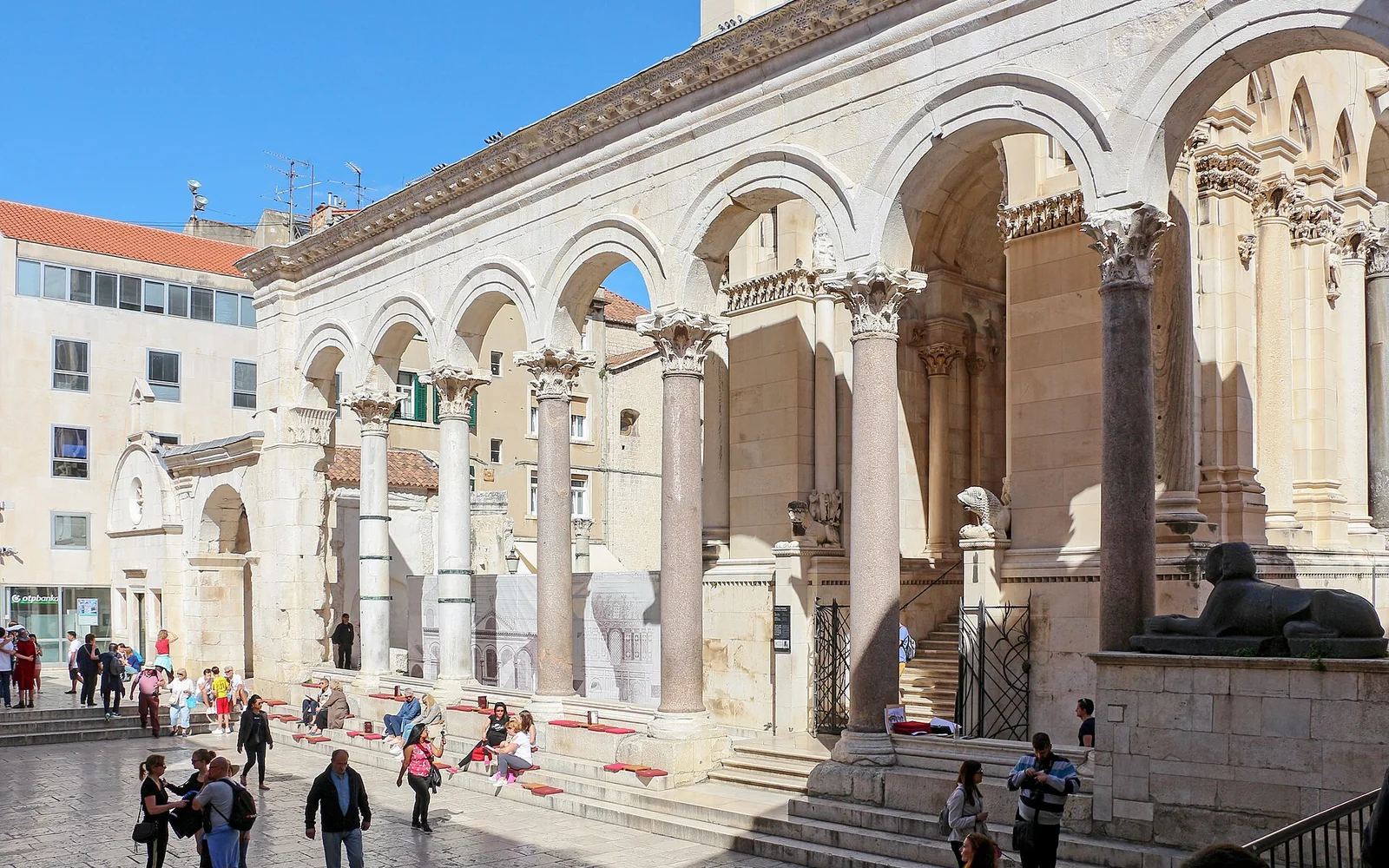
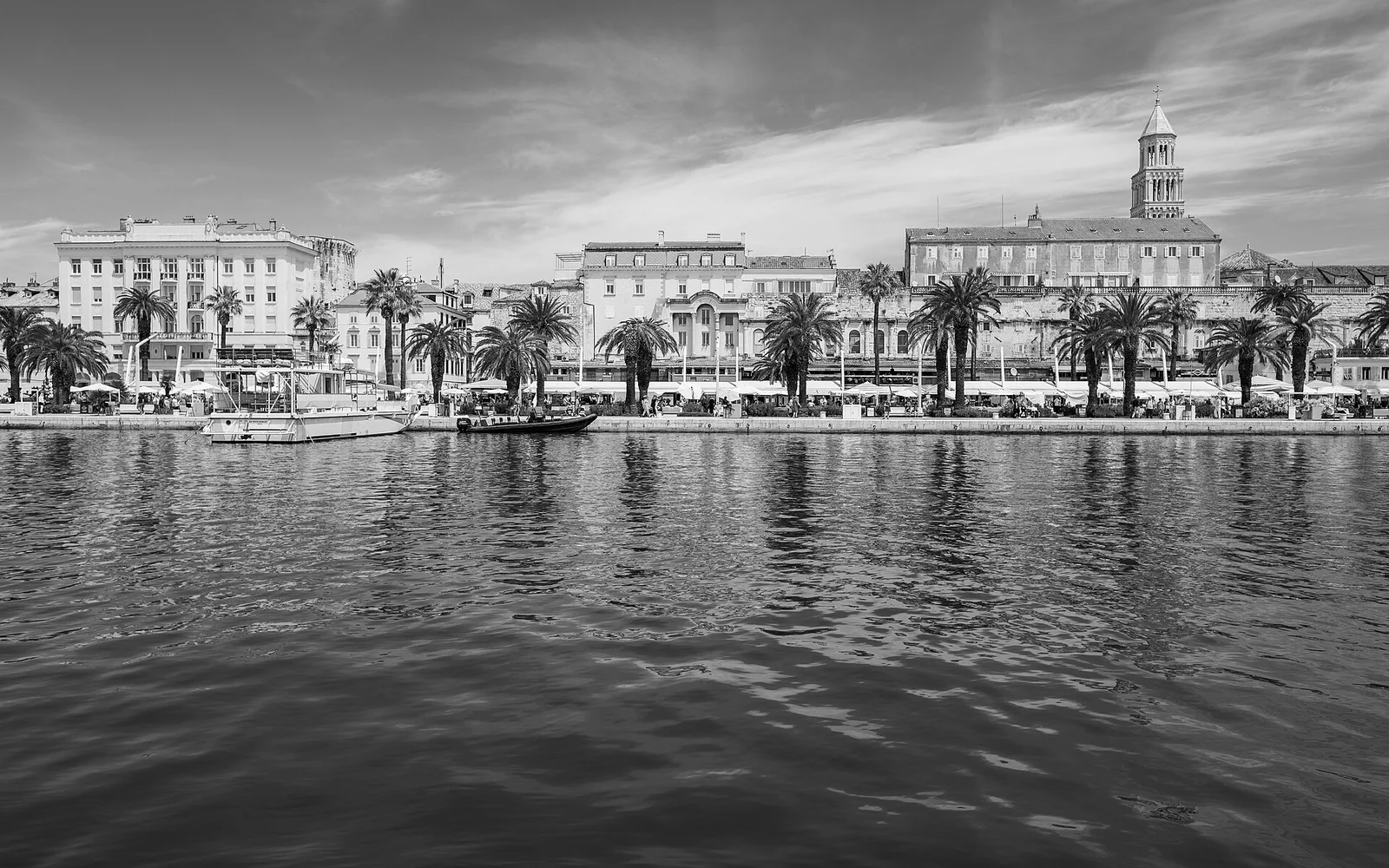
Split
Split is a living city built through Diocletian’s Palace, with a busy waterfront, hillside walks and Croatia’s largest central Dalmatian ferry hub.
Open guide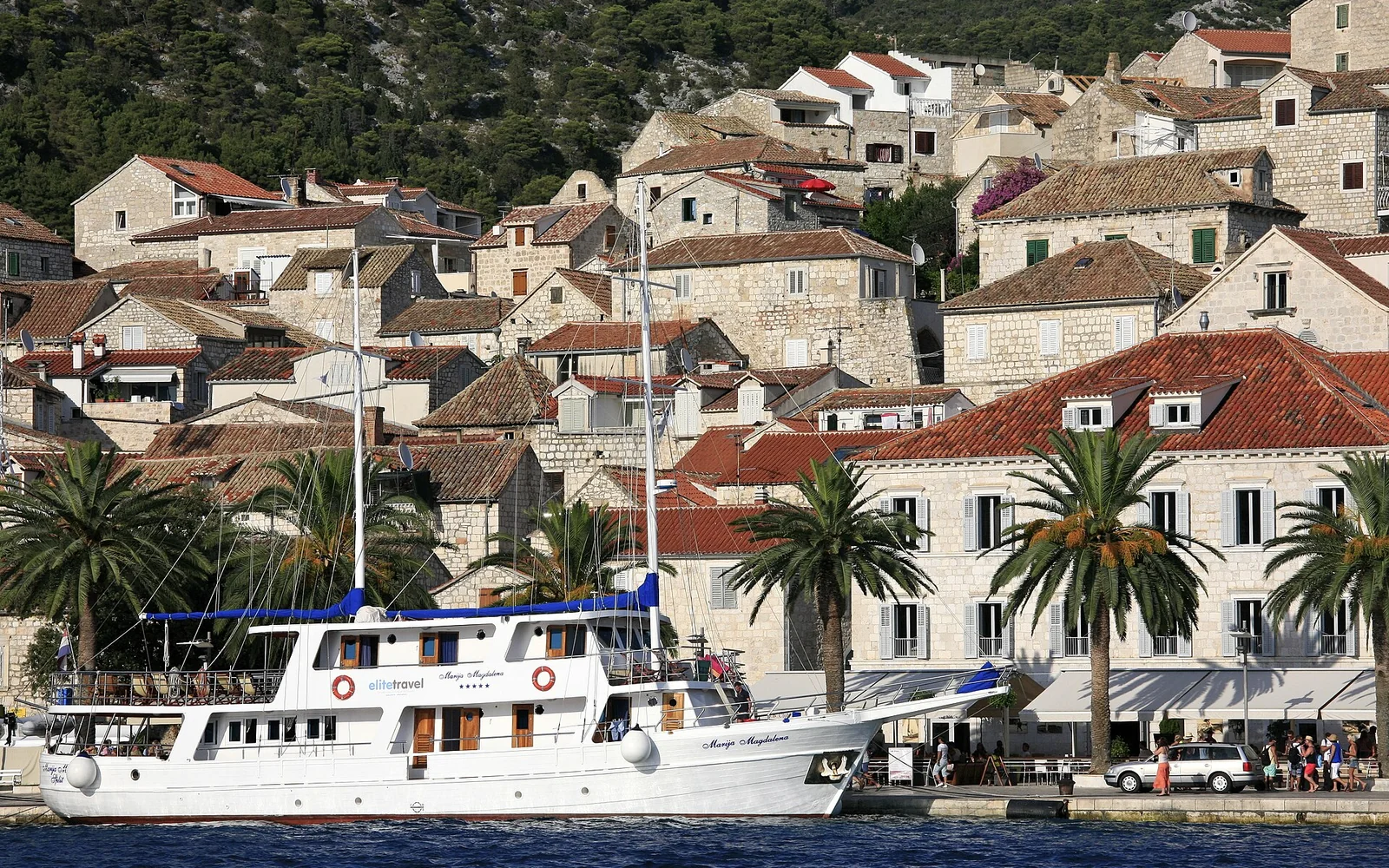
Hvar Island
Hvar is a long Dalmatian island with historic towns, quiet villages, coves, lavender country and several ports that serve different routes.
Open guide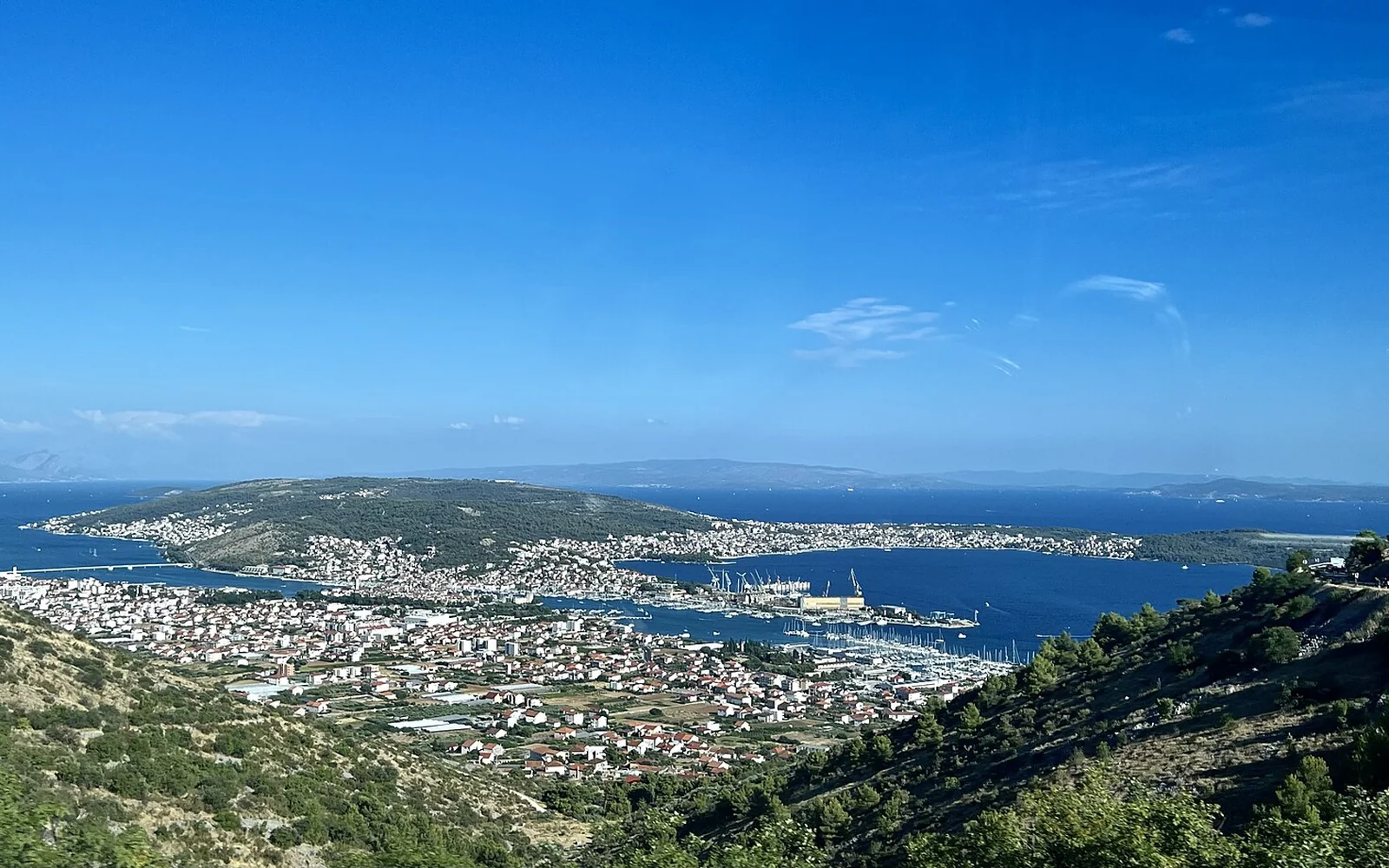
Trogir
Trogir packs a cathedral, lanes, palaces and a waterfront into a tiny island old town close to Split Airport and central Dalmatia.
Open guide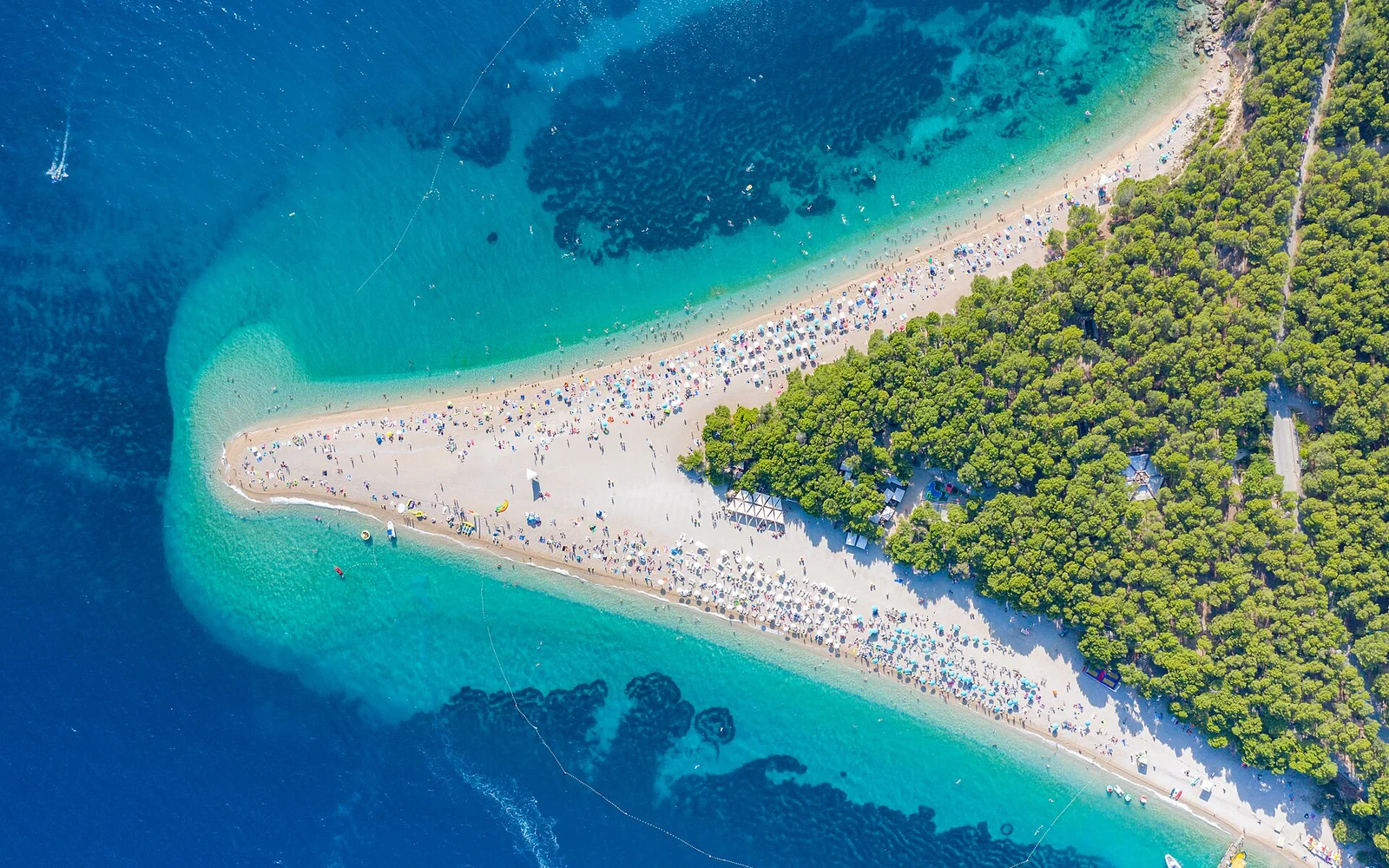
Brač Island
Brač combines the ferry town of Supetar, southern Bol, stone villages, high viewpoints and varied coves on an island large enough for several bases.
Open guideBol
Bol is a substantial south-coast village below Brač’s high interior, known for Zlatni Rat but useful for a wider mix of beaches and walks.
Open guideHvar Town
Hvar Town wraps a Venetian-era harbour with stone lanes, a hilltop fortress, nearby coves and a busy summer waterfront.
Open guide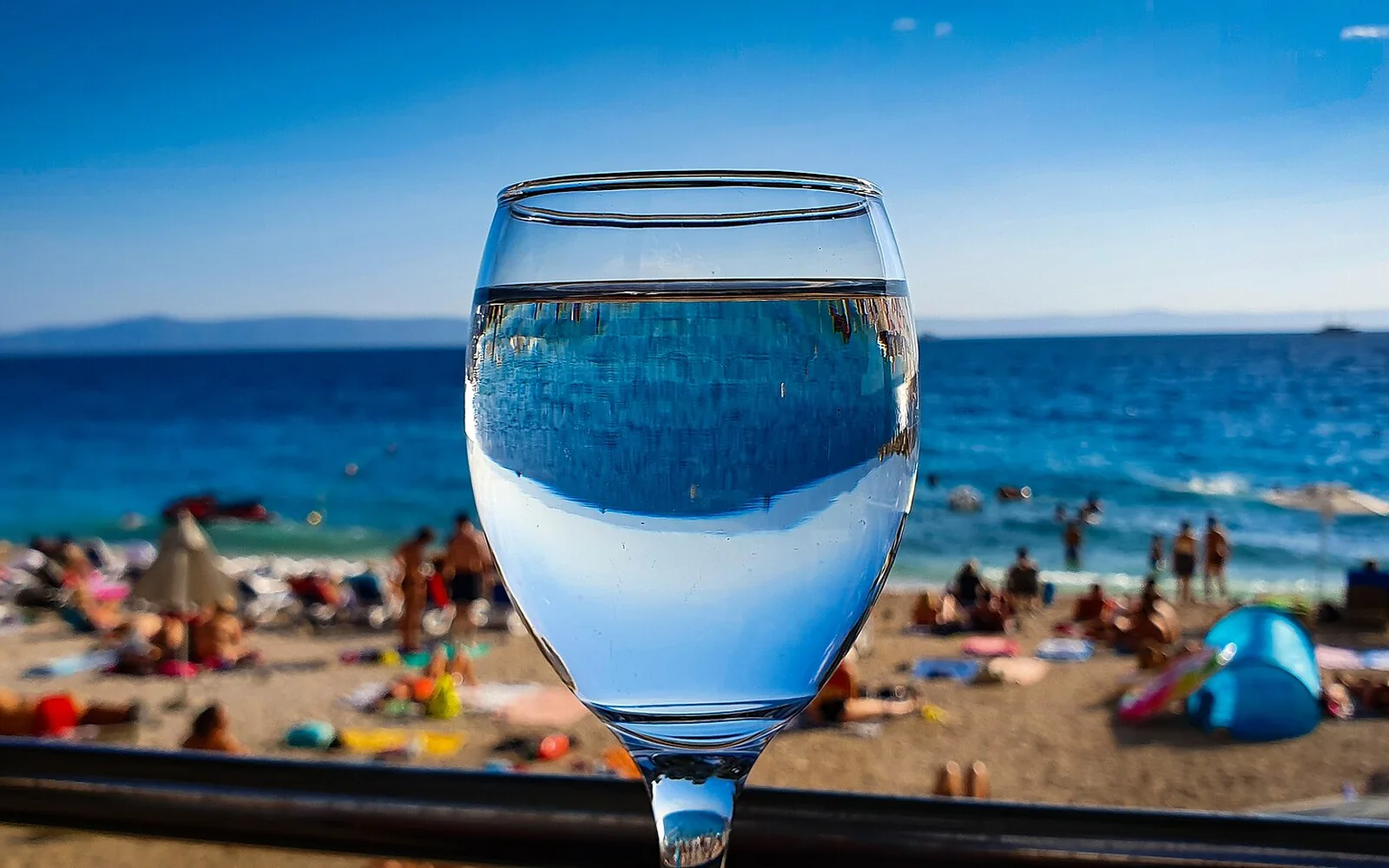
Makarska
Makarska sits between a curving Adriatic bay and the steep Biokovo massif, combining a busy beach resort with an older harbour centre.
Open guide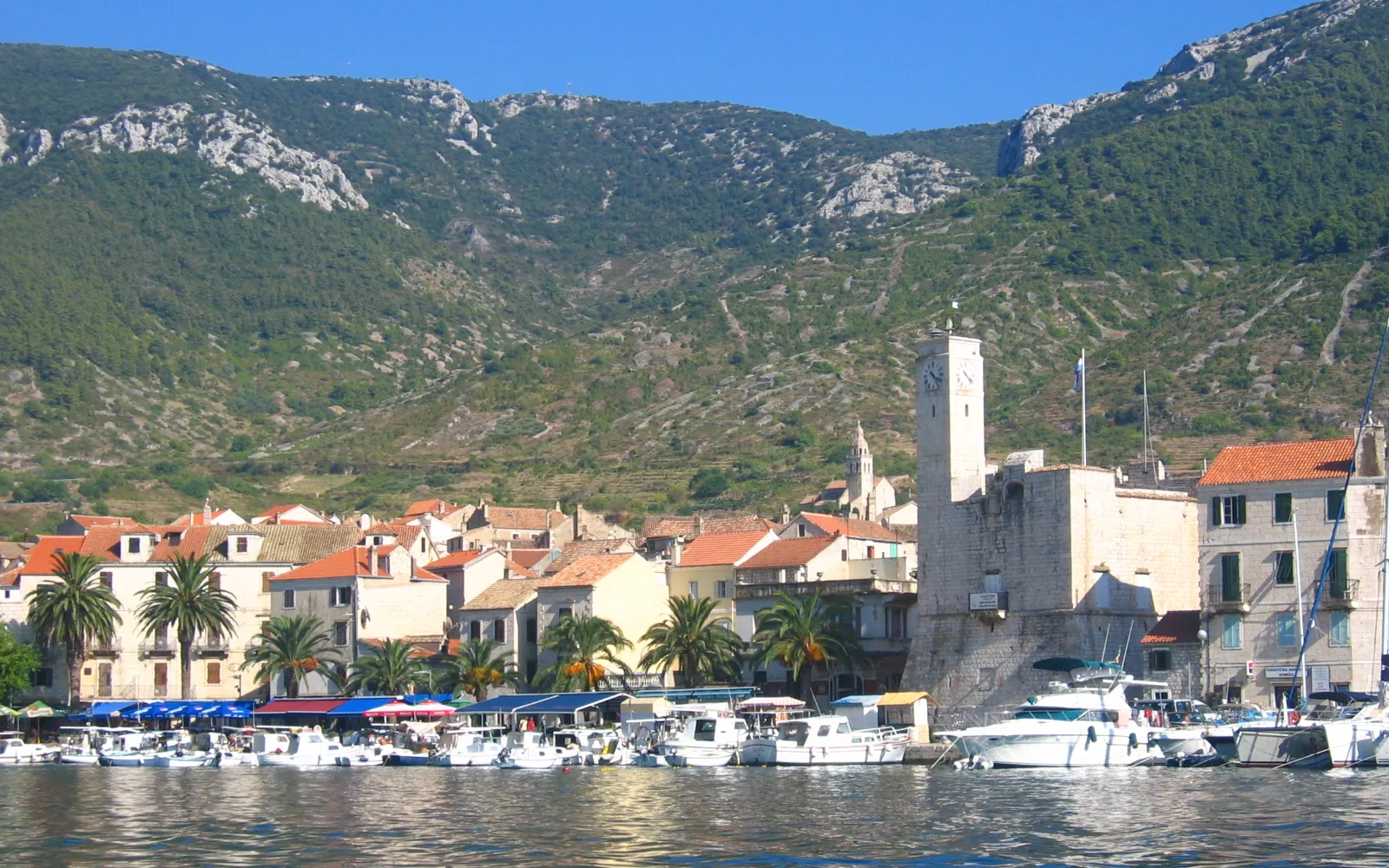
Vis Island
Vis is a comparatively remote central Dalmatian island with two principal bases, Vis Town and Komiža, plus beaches and military history spread along rural roads.
Open guideBuild a coherent route
Plan by area
Split
Split is a living city built through Diocletian’s Palace, with a busy waterfront, hillside walks and Croatia’s largest central Dalmatian ferry hub.
Hvar Island
Hvar is a long Dalmatian island with historic towns, quiet villages, coves, lavender country and several ports that serve different routes.
Trogir
Trogir packs a cathedral, lanes, palaces and a waterfront into a tiny island old town close to Split Airport and central Dalmatia.
Brač Island
Brač combines the ferry town of Supetar, southern Bol, stone villages, high viewpoints and varied coves on an island large enough for several bases.
Makarska
Makarska sits between a curving Adriatic bay and the steep Biokovo massif, combining a busy beach resort with an older harbour centre.
Vis Island
Vis is a comparatively remote central Dalmatian island with two principal bases, Vis Town and Komiža, plus beaches and military history spread along rural roads.
See the main travel bases
See the main places in Split region
Loading the map…
Use the map to compare the main bases before planning local transport.
Match the route to your time
What fits into your trip
A practical first visit
Split is the region’s main transport hub, but central Dalmatia works best when the city is paired with one island or coastal base. Trogir is close to the airport, Makarska sits beneath Biokovo, and Hvar and Brač have separate island transport patterns.
Link the stops sensibly
Routes and day trips
Split gives the widest transport choice and the most substantial urban stay. Trogir is smaller and atmospheric. Makarska suits beach access and mountain scenery.
Suggested regional routes
Split
Split is not a preserved monument with a city around it. Homes, cafés and shops occupy Diocletian’s Palace, while the Riva, Varoš and Bačvice extend the centre towards the water and Marjan hill.
Open destination guideHvar Island
Hvar Island is much larger than Hvar Town. The western end holds Hvar Town and Stari Grad, Jelsa sits on the north coast, and Sućuraj is far to the east. A port that looks convenient on a ferry map may create a long road transfer.
Open destination guideTrogir
Trogir’s historic core sits on a small island between the mainland and Čiovo. Its cathedral portal, lanes and waterfront can be seen in a day, but an overnight stay brings quieter mornings and evenings.
Open destination guideBrač Island
Brač Island is often reduced to Zlatni Rat, but its route planning begins at the ports. Supetar faces Split and receives frequent vehicle-ferry services, while Bol sits on the south coast beyond the island’s high interior.
Open destination guideRegional day trips
Trogir day trip from Split
Trogir’s cathedral, stone lanes, fortress and waterfront fit a half or full day when the coastal bus is planned carefully.
Wider itineraries
These routes include Split region but continue to other parts of Croatia.
Croatia from Zagreb to Dubrovnik in 12 daysChoose transport by destination
Getting around Split region
Passenger catamarans and vehicle ferries are different services. Check the port, vessel type, booking rules and whether a route operates on the intended date.
Suggested time
5 to 10 days
Main connection
Split port, bus station and airport
Choose dates that suit the route
When to visit
The main route works well by bus and ferry. On the islands, choose accommodation close to a useful bus stop or stay in the arrival town if services are limited.
Read the seasonal guide for CroatiaAvoid common route problems
Planning checks
How long should I spend in Split region?
Five days cover Split and one nearby place. Seven to ten days allow a city stay, one island and another mainland base.
Can I explore Split region without a car?
Yes. Split, Trogir, Makarska and the main island ports have public transport. A car is useful for remote beaches and island interiors but creates parking and ferry costs.
What should I check before travelling through Split region?
Confirm the dated transport, opening information and conditions for the exact places in the route.
Quick answers
Questions about Split region
How long should I spend in Split region?
Five days cover Split and one nearby place. Seven to ten days allow a city stay, one island and another mainland base.
Can I explore Split region without a car?
Yes. Split, Trogir, Makarska and the main island ports have public transport. A car is useful for remote beaches and island interiors but creates parking and ferry costs.
What should I check before travelling through Split region?
Confirm the dated transport, opening information and conditions for the exact places in the route.
How this guide is checked
Sources and review
Reviewed 3 September 2026, next review due 3 March 2027. Services, access rules and opening arrangements can change, so check the official source before travel.
- Official Croatia travel planning, Croatian National Tourist Board
- Jadrolinija ferry information, Jadrolinija
- Croatian rail timetable, HŽ Passenger Transport
- Official Split visitor information, Split Tourist Board
- Split-Dalmatia regional information, Split-Dalmatia County Tourist Board
Continue through Croatia
Regions that connect naturally
Hvar Island
Hvar is a long Dalmatian island with historic towns, quiet villages, coves, lavender country and several ports that serve different routes.
Brač Island
Brač combines the ferry town of Supetar, southern Bol, stone villages, high viewpoints and varied coves on an island large enough for several bases.
Continue planning
See more of Croatia
Use the country guide to compare Split region with other regions and destinations in Croatia.