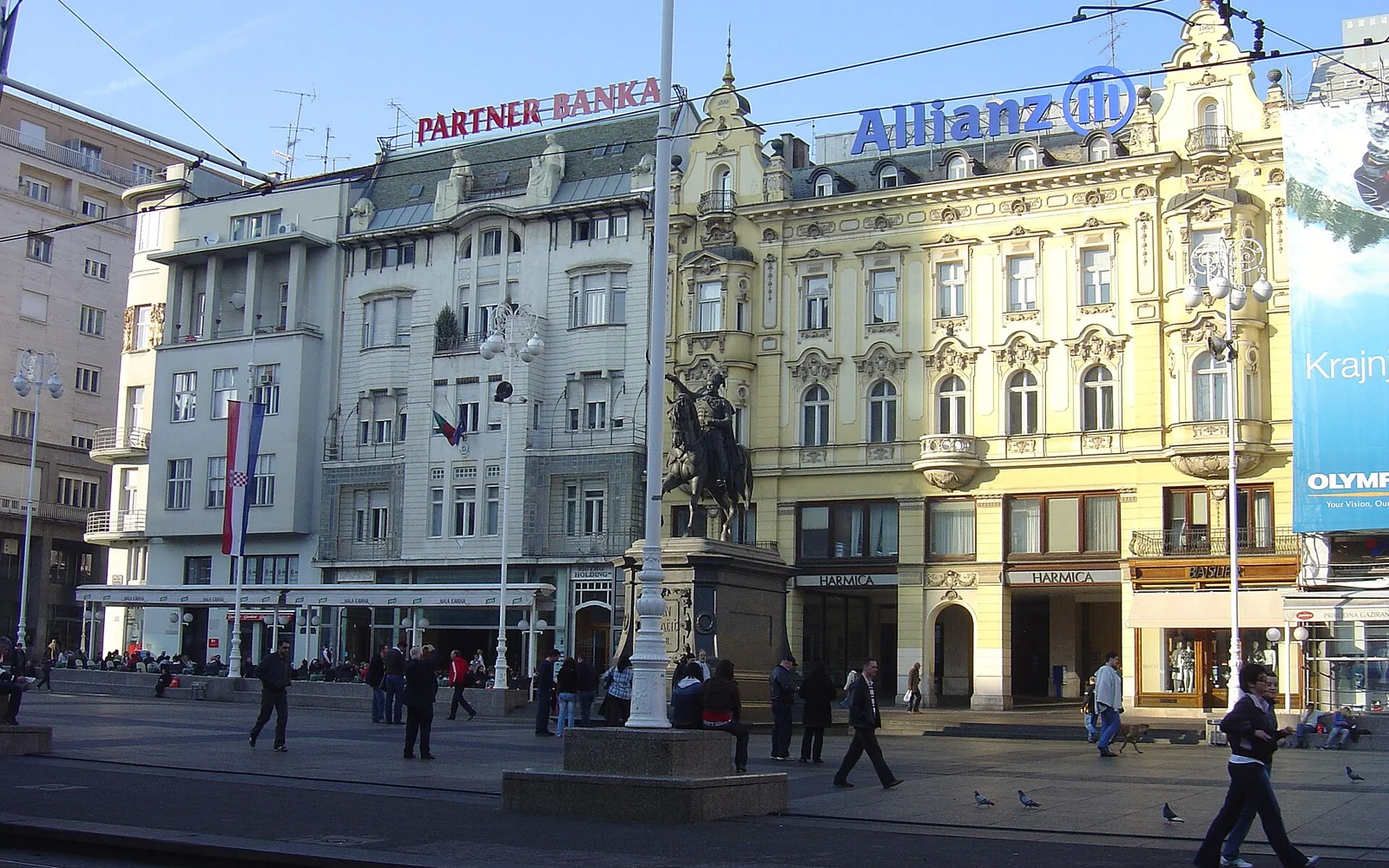
Zagreb works well as the beginning or end of a Croatia trip, but it deserves more than an arrival night. The Upper Town contains the best-known historic streets, while the Lower Town’s parks, museums and cafés form a flatter route around the centre.
Start with what makes Zagreb distinct
Zagreb works well as the beginning or end of a Croatia trip, but it deserves more than an arrival night. The Upper Town contains the best-known historic streets, while the Lower Town’s parks, museums and cafés form a flatter route around the centre.
Two days cover the main districts without rushing. A third day allows a deeper museum visit, Maksimir, a food-focused neighbourhood or a well-planned excursion.
Upper Town
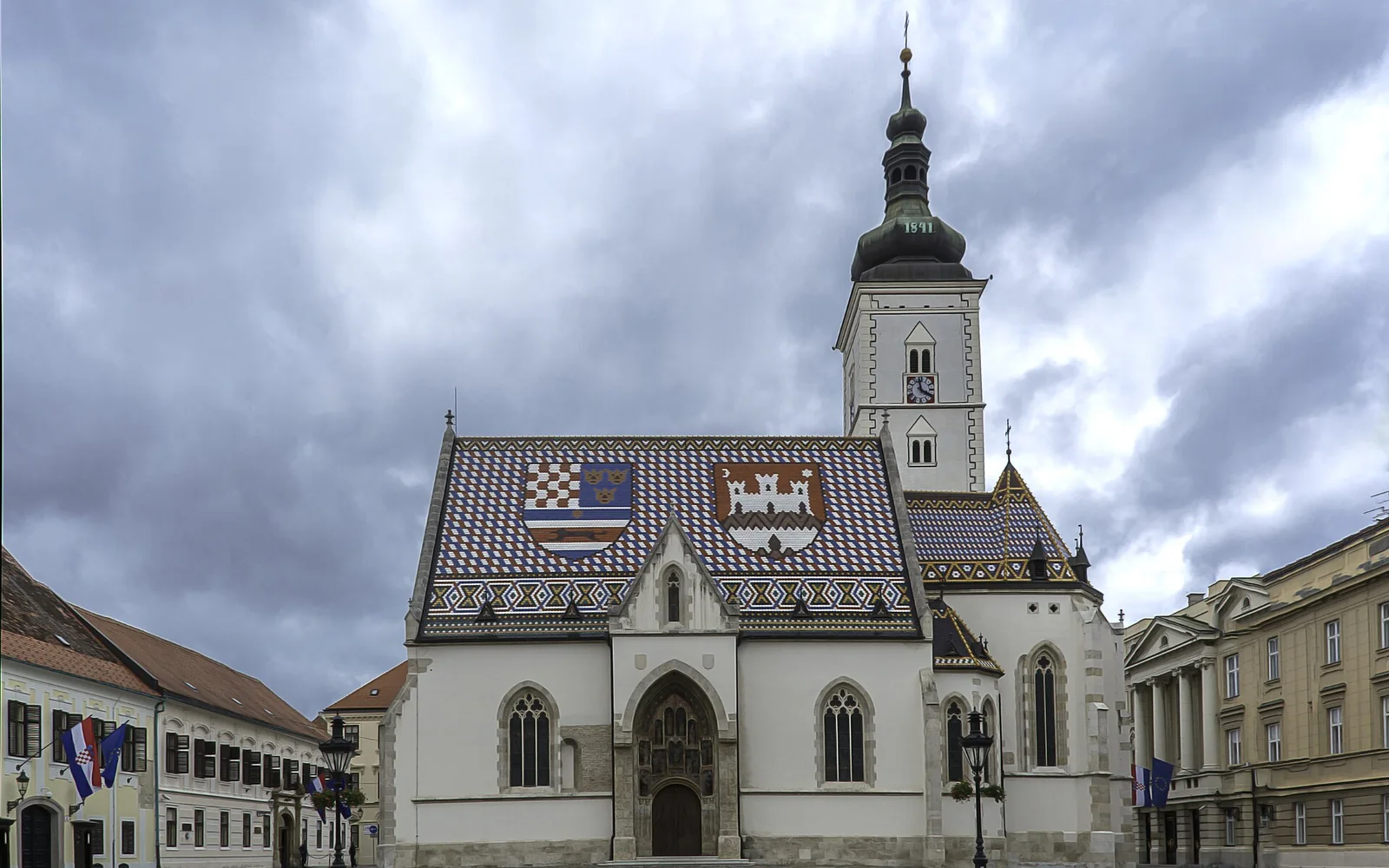
Walk through Gradec and Kaptol around St Mark’s Church, Stone Gate and Dolac Market. Streets climb from the main square, though a funicular and some gentler routes can reduce the steepest section.
Lower Town parks and museums
A sequence of squares and parks leads towards the main railway station. Choose museums by current opening day, since several close on Mondays or adjust hours.
Neighbourhood time
Britanski trg, Martićeva and areas beyond the centre show more of daily Zagreb. Trams make it easy to choose one neighbourhood rather than circling the same central streets.
Build a realistic visit to Zagreb
Day 1: visit Dolac Market, the Upper Town and the central pedestrian streets.
Day 2: follow the Lower Town parks, choose one museum and take an evening neighbourhood walk.
Day 3: add Maksimir, another museum or prepare for the onward route to Plitvice.
Arrive and move around Zagreb
Zagreb Airport has road connections to the city. The main rail station and bus station are separate but linked by tram. Confirm which terminal an intercity or airport service uses before booking a tight transfer.
Trams and buses cover the city, while the centre is compact enough for walking. Ticket rules and sales channels can change, so use current operator information. A car is unnecessary for central sightseeing.
Food and local stops in Zagreb
Look for štrukli, purica s mlincima, hearty stews and pastries influenced by Central European cooking. Dolac Market is useful in the morning, while neighbourhood bistros provide a broader view than the central café streets alone.
Choose the right conditions for Zagreb
Spring and autumn are comfortable for walking. Summer can be hot but quieter when residents travel. Winter brings short days, cold weather and seasonal markets, with indoor museums becoming more important.
Lower Town is relatively flat, though tram tracks, kerbs and older entrances need care. Upper Town slopes and cobbles are more demanding. Check museum access individually.
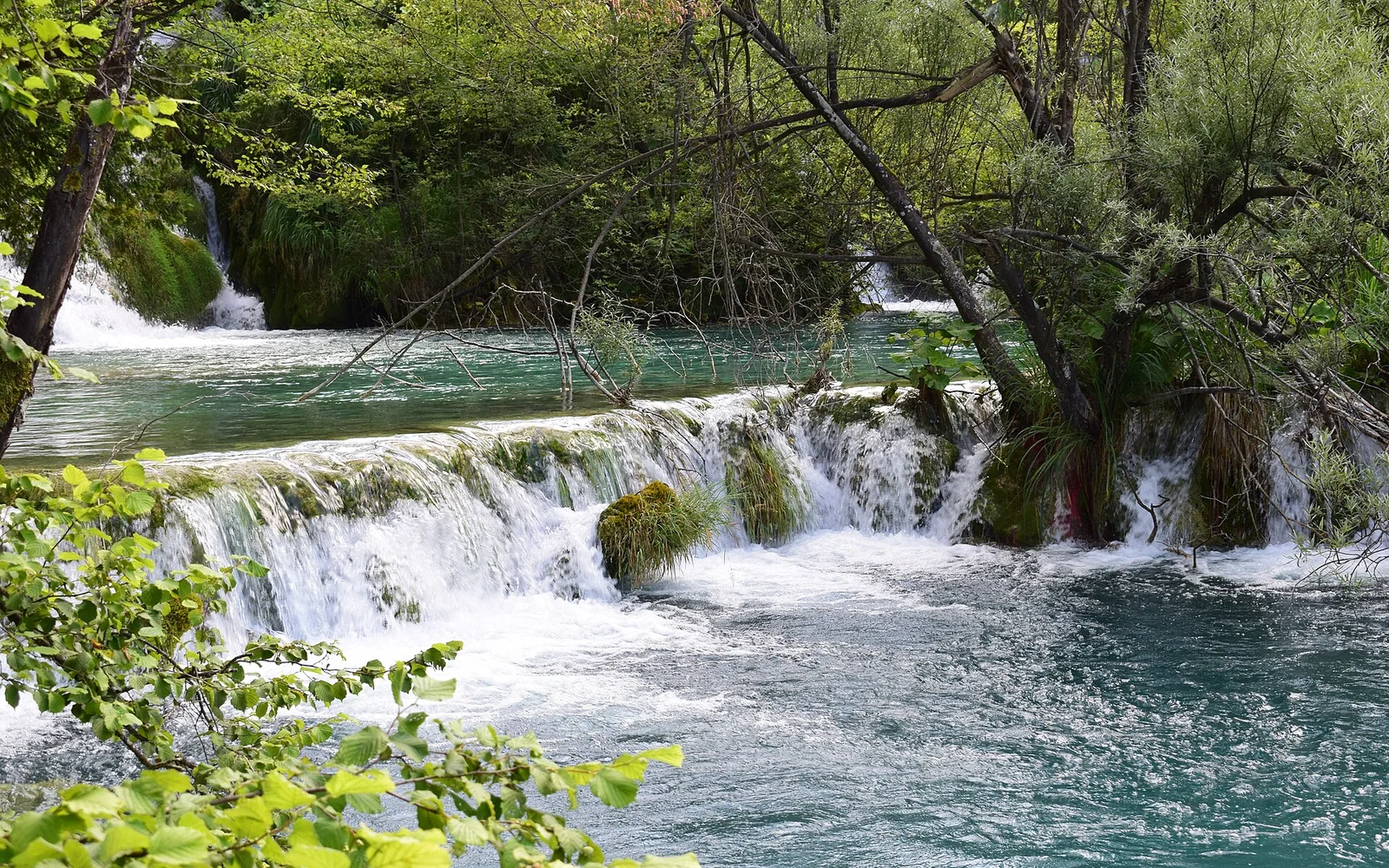
Do not schedule a museum-heavy Monday without checking closures. Plitvice is a long and weather-dependent day trip, so an overnight near the park may produce a better visit.
Continue from Zagreb
Plitvice Lakes is the strongest covered onward stop. Rijeka and Istria lie to the west, while rail and bus routes continue south towards the coast on different timetables.
Continue planning
Questions about Zagreb
Is Zagreb worth two days?
Yes. Two days allow the Upper and Lower Towns, a market, one or two museums and time in local neighbourhoods.
Can I visit Zagreb without a car?
Yes. The centre is walkable and trams reach outer districts. Intercity rail and buses cover the main onward routes.
Should I visit Plitvice as a day trip from Zagreb?
It can work when transport and park entry align, but an overnight near the park gives more flexibility and avoids a rushed return.
Sources and updates
This guide was last reviewed on 3 September 2026. Transport, access and opening arrangements can change, so check the official source before travel.
- Official Croatia travel planning, Croatian National Tourist Board
- Croatian rail timetable, HŽ Passenger Transport
- Official Zagreb visitor information, Zagreb Tourist Board
Related places to consider
These guides can help you place Zagreb within a wider route.