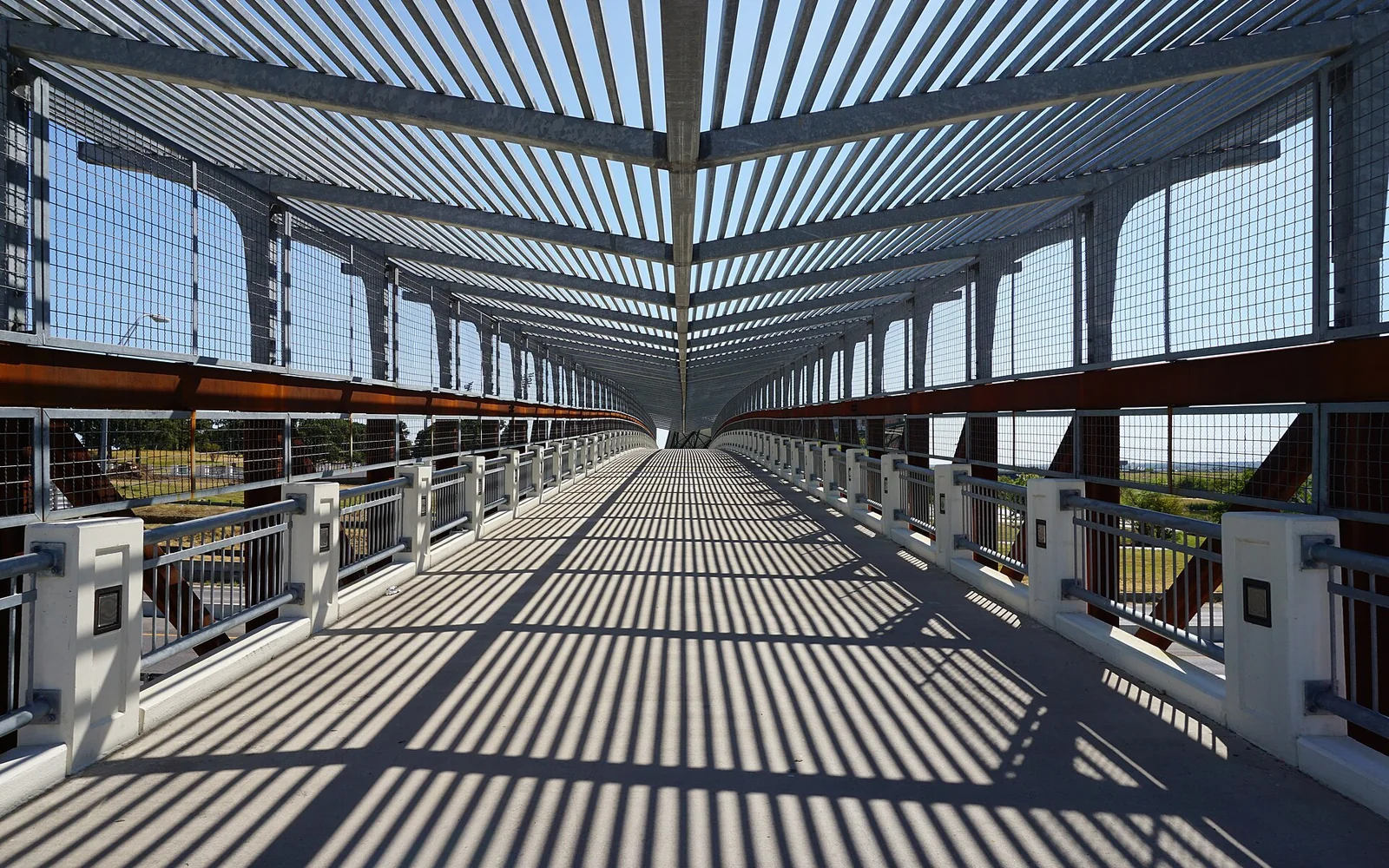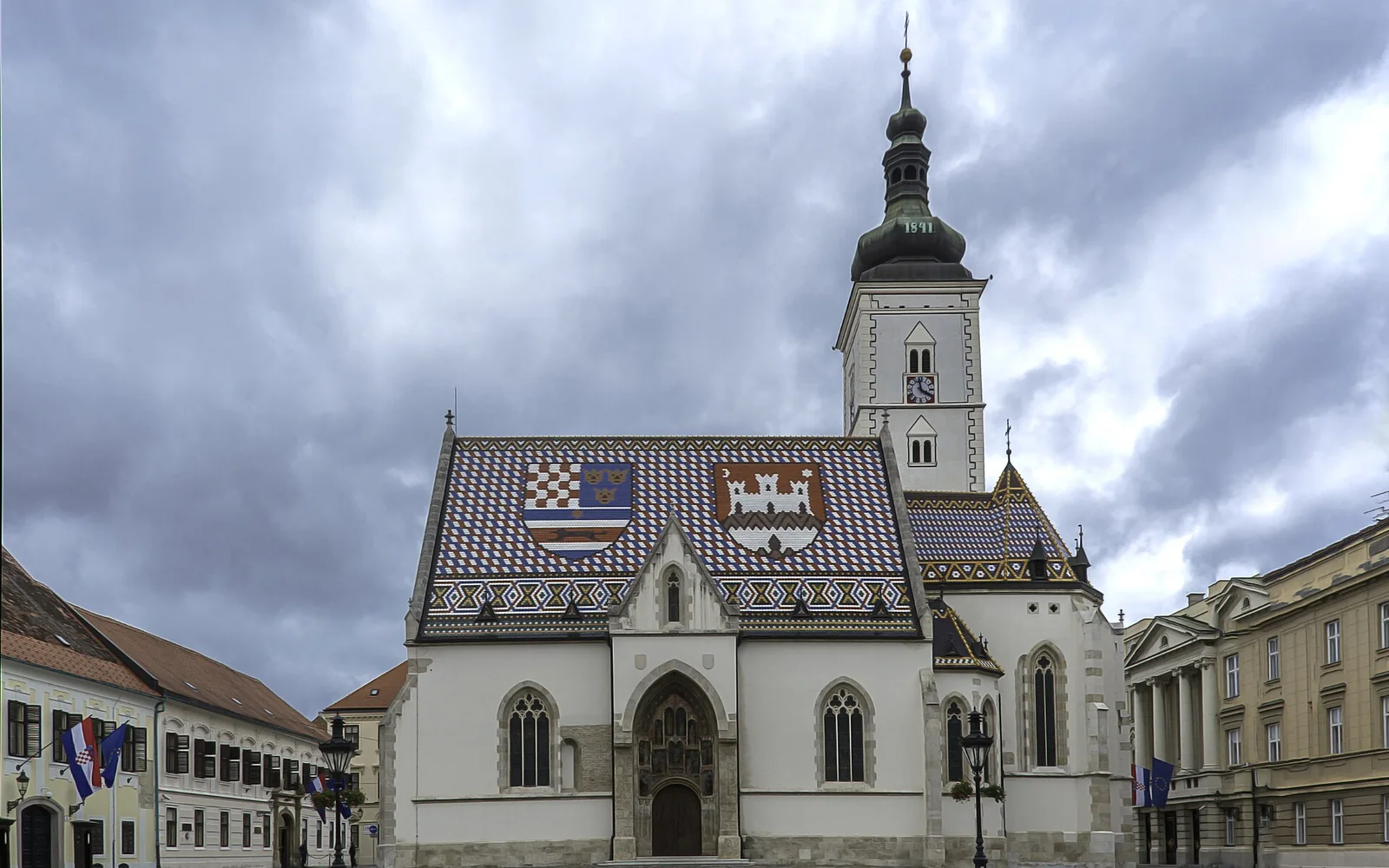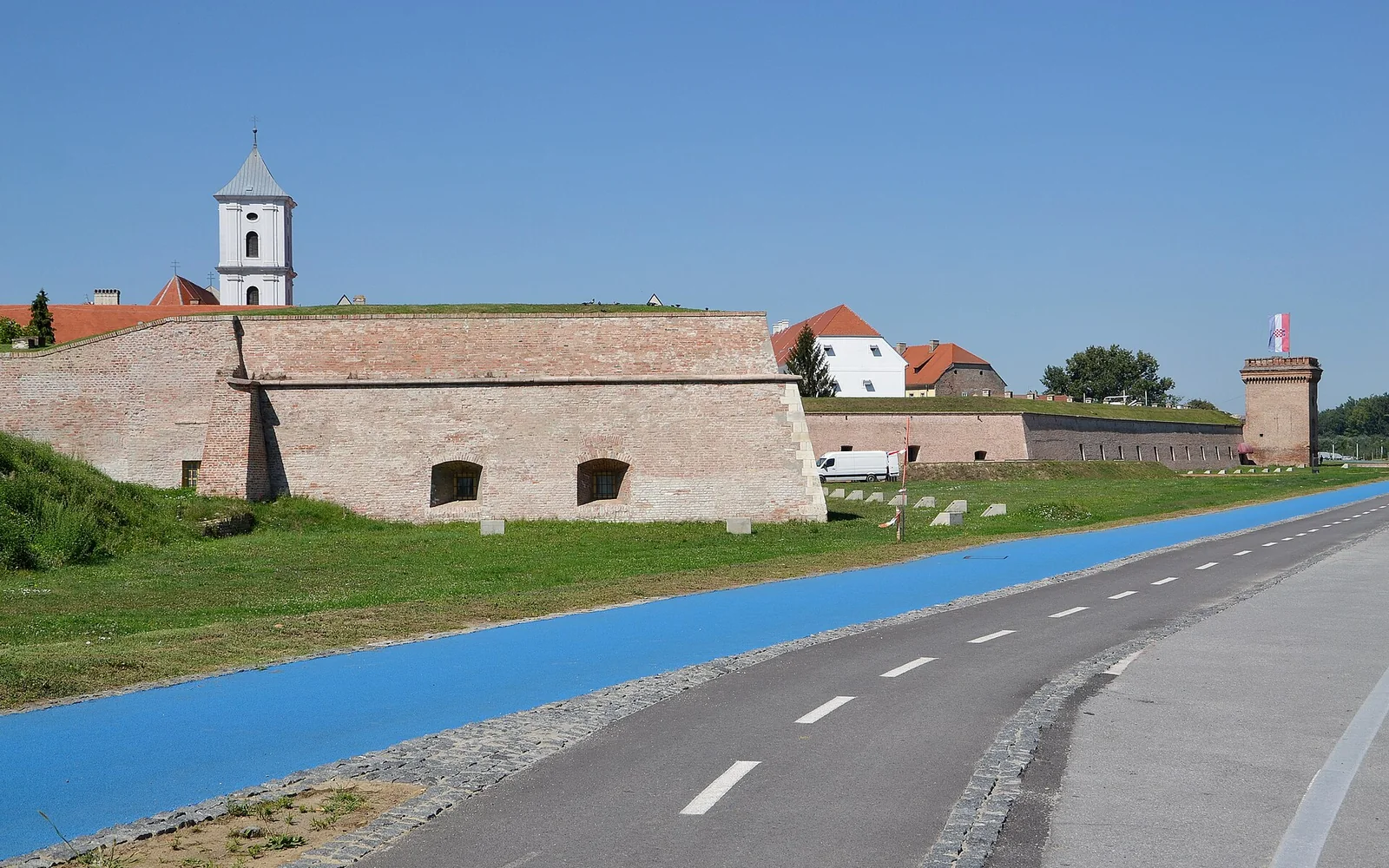
Osijek provides a clear alternative to Croatia’s coastal route. Tvrđa preserves the fortress quarter, the Drava riverfront supports long walks and cycling, and the city’s trams connect distinct central areas.
Start with what makes Osijek distinct
Osijek provides a clear alternative to Croatia’s coastal route. Tvrđa preserves the fortress quarter, the Drava riverfront supports long walks and cycling, and the city’s trams connect distinct central areas.
Two full days cover Tvrđa, the centre, parks and local food. A third day can add wetlands or wine country only with current access and transport arrangements.
Tvrđa
Walk the fortress squares and Baroque streets, then visit one museum or gallery that is open. The quarter also contains schools and local venues, so it is more than a museum district.
Drava riverfront
The promenade links central Osijek with parks and recreation areas. Summer sun, winter wind and high water can change the comfort of a long walk or cycle.
Centre and parks
The co-cathedral, main streets and green spaces form a separate route west of Tvrđa. Trams make it easy to connect them without retracing the riverfront.
Build a realistic visit to Osijek
Day 1: explore Tvrđa and follow the Drava promenade towards the centre.
Day 2: visit the co-cathedral area, parks, market and one museum.
Day 3: take a pre-arranged wetland, Danube or wine-country trip.
Arrive and move around Osijek
Osijek has rail, bus and road links with Zagreb and other eastern Croatian cities. Long-distance frequency varies, so check HŽ Passenger Transport and the relevant bus operator before booking a short stay.
Trams, buses, walking and cycling cover the city. Service changes can affect individual lines, so use current operator information. A car is unnecessary for the central districts.
Food and local stops in Osijek
Look for fish paprikaš, čobanac, kulen, river fish and paprika-led Slavonian cooking. Portions can be substantial, and rural restaurants may need advance booking.
Choose the right conditions for Osijek
Spring and autumn suit cycling and regional outings. Summers are hot and winters cold, with fog and short days. River and wetland conditions need separate checks.
Much of the centre and riverfront is level. Historic entrances, tram boarding and uneven fortress paving require specific checks. Modern museums and hotels vary.
Osijek is far from the Adriatic route, so include it as an eastern Croatia phase rather than a coastal day trip. Rural buses can be sparse outside commuter hours.
Continue from Osijek
Zagreb is the main covered long-distance connection. The wider Slavonia region can add wetlands, vineyards and Danube settlements when transport is planned carefully.
Continue planning
Questions about Osijek
Is Osijek worth a city break?
Yes. Two days give time for Tvrđa, the riverfront, central architecture, parks and regional food.
Can I visit Osijek without a car?
Yes. Trams and buses serve the city, and the central areas are walkable. Rural Slavonia is harder without a car.
When is the best time for Osijek?
Spring and early autumn are comfortable for the riverfront and cycling. Summer can be hot and winter cold or foggy.
Sources and updates
This guide was last reviewed on 3 September 2026. Transport, access and opening arrangements can change, so check the official source before travel.
- Official Croatia travel planning, Croatian National Tourist Board
- Croatian rail timetable, HŽ Passenger Transport
- Official Osijek visitor information, Osijek Tourist Board
- Slavonia regional visitor information, Slavonia Tourist Board
Related places to consider
These guides can help you place Osijek within a wider route.