
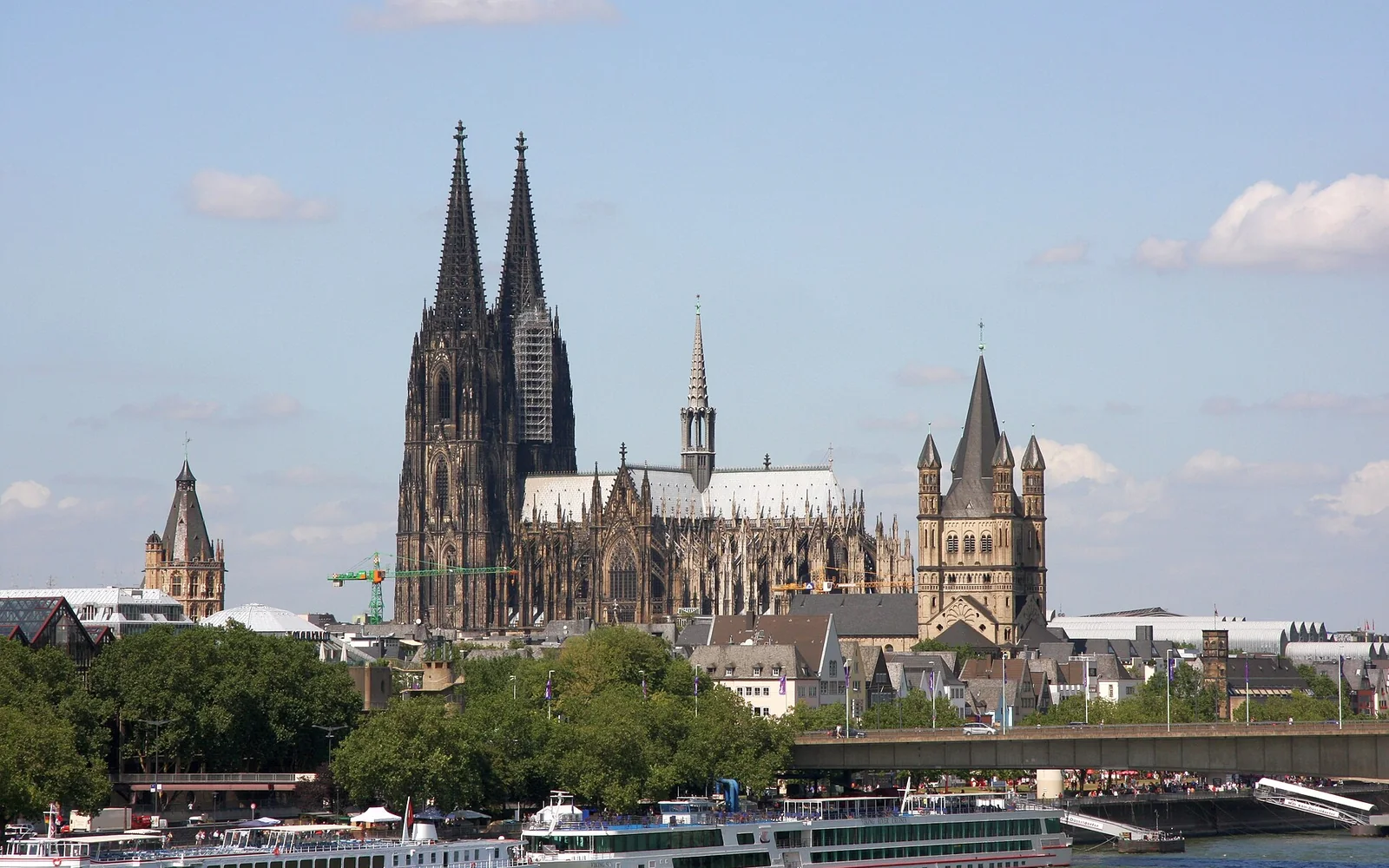
Cologne Cathedral is the natural starting point, but the city needs more than a station stop. Museum Ludwig, the Roman-Germanic area, the old town and the Rhine bridges create a full central day.
Let the cathedral anchor, rather than consume, the visit
Cologne Cathedral is the natural starting point, but the city needs more than a station stop. Museum Ludwig, the Roman-Germanic area, the old town and the Rhine bridges create a full central day.
A second day can move into neighbourhoods or specialist museums. Deutz offers the classic skyline view and connects easily across the river.
Give the cathedral context
Walk around the exterior, understand the surrounding museum quarter and decide separately whether the tower climb suits the group.
Use both Rhine banks
The old town sits west of the river, while Deutz provides broad cathedral and bridge views.
Look beyond Altstadt
The Belgian Quarter, Ehrenfeld and Südstadt offer different food, design and evening routes.
Spread Cologne across the river and museum areas
Day 1: explore the cathedral, central museums and old town.
Day 2: cross to Deutz and follow a Rhine route.
Day 3: choose a neighbourhood, Roman site or another museum.
Use the central station and local transit carefully
Köln Hauptbahnhof sits beside the cathedral. Additional long-distance and regional services use Köln Messe/Deutz, which may be more convenient for the eastern bank.
Trams, local trains and buses cover the city. The central sights are walkable, and river bridges make useful pedestrian connections.
Food and local stops in Cologne
Traditional brewhouses serve Kölsch in small glasses with Rhineland dishes. Cologne also has strong Turkish, Middle Eastern and international neighbourhood food.
Check cathedral access, museum days and events
Spring and early autumn suit river walks. Summer brings outdoor events. Carnival and Christmas market periods draw large crowds and change normal city movement.
Cologne Tourism provides barrier-free guidance. Cathedral, museum and station access should be checked separately, especially during events or lift work.
Carnival dates, trade fairs and football can affect accommodation. Cathedral services may restrict tourist movement, and tower access involves many stairs.
Continue to Düsseldorf, Aachen or the Rhine Valley
Bonn and Düsseldorf are easy rail trips. The Middle Rhine begins farther south and deserves an overnight base rather than a quick photo stop.
Plan the next stop from Cologne
- North Rhine-Westphalia guide
- Rhine Valley guide
- Continue to Frankfurt
- Germany travel guide
- Düsseldorf
- Aachen
Cologne travel questions
Is Cologne worth more than one day?
Yes. Two days allow the cathedral, museums, both riverbanks and one neighbourhood without rushing.
Can I walk across Hohenzollern Bridge?
Yes, the pedestrian route links the cathedral side with Deutz and gives broad Rhine views. Check local works or event restrictions.
Should I stay in Cologne or Düsseldorf?
Cologne suits cathedral history and southern Rhine routes. Düsseldorf is better for its art scene and some northern connections.
Sources and updates
This guide was last reviewed on 3 September 2026. Transport, access and opening arrangements can change, so check the official source before travel.
- Germany travel planning, German National Tourist Board
- DB passenger information, Deutsche Bahn
- Official accessible travel guidance for Germany, German National Tourist Board
- Official Cologne visitor information, Cologne Tourist Board