
Start with the essentials
Plan Rhineland-Palatinate at a glance
- Best for
- River scenery, castles, wine towns and rail journeys
- Suggested time
- 5 to 8 days
- Main connection
- Koblenz, Mainz and Trier rail hubs
About Rhineland-Palatinate
Why explore Rhineland-Palatinate
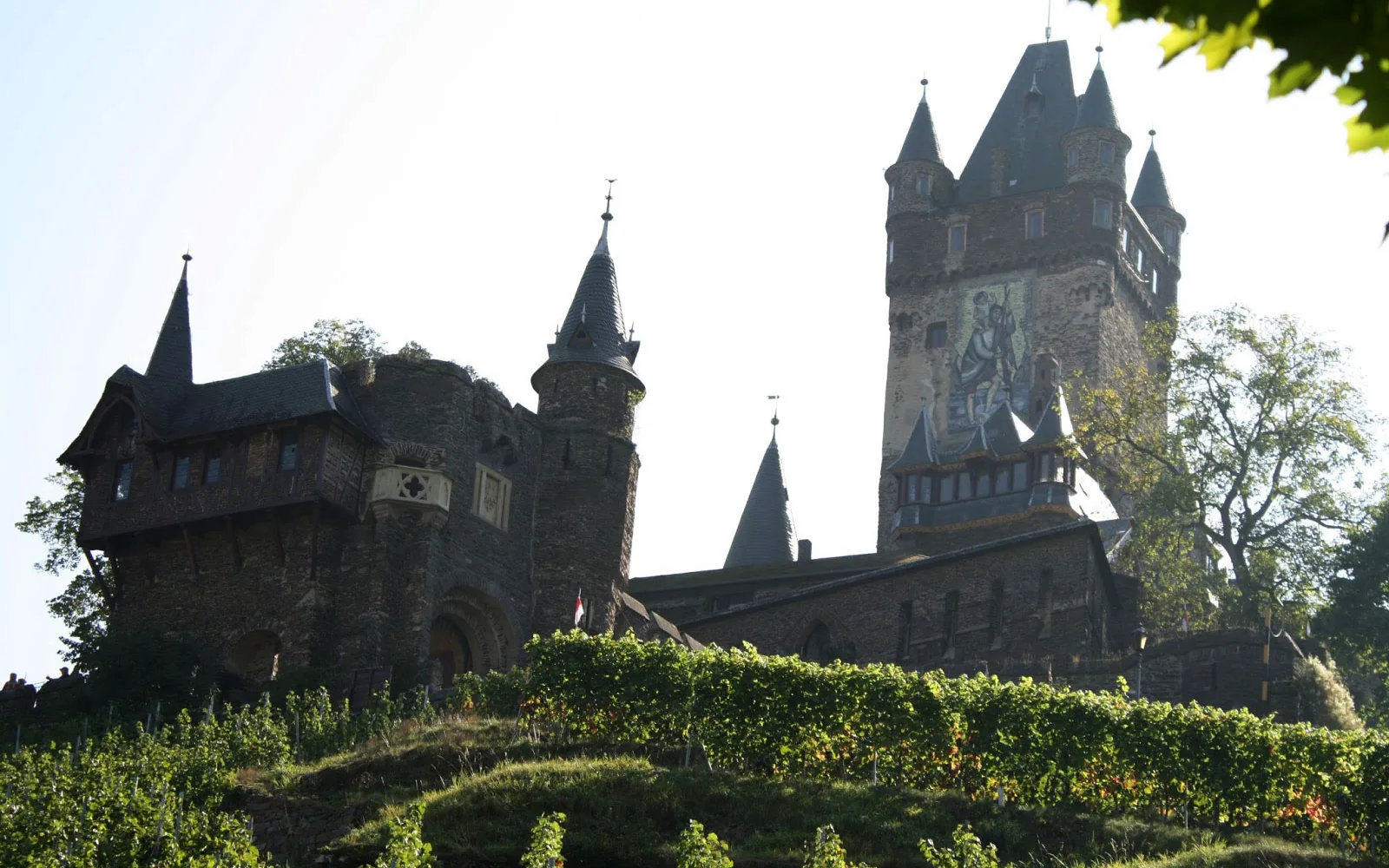
The Rhine and Moselle meet at Koblenz but create different trips. The Rhine has parallel rail lines and major castle views. The Moselle bends through slower towns and steeper vineyard landscapes.
Choose one valley for a short stay. Combining both works with Koblenz as a transfer point, but each needs its own bases and boat or walking plan.
Plan the region
The Rhine and Moselle meet at Koblenz but create different trips. The Rhine has parallel rail lines and major castle views. The Moselle bends through slower towns and steeper vineyard landscapes.
Choose where to spend your time
Places to explore
2 guides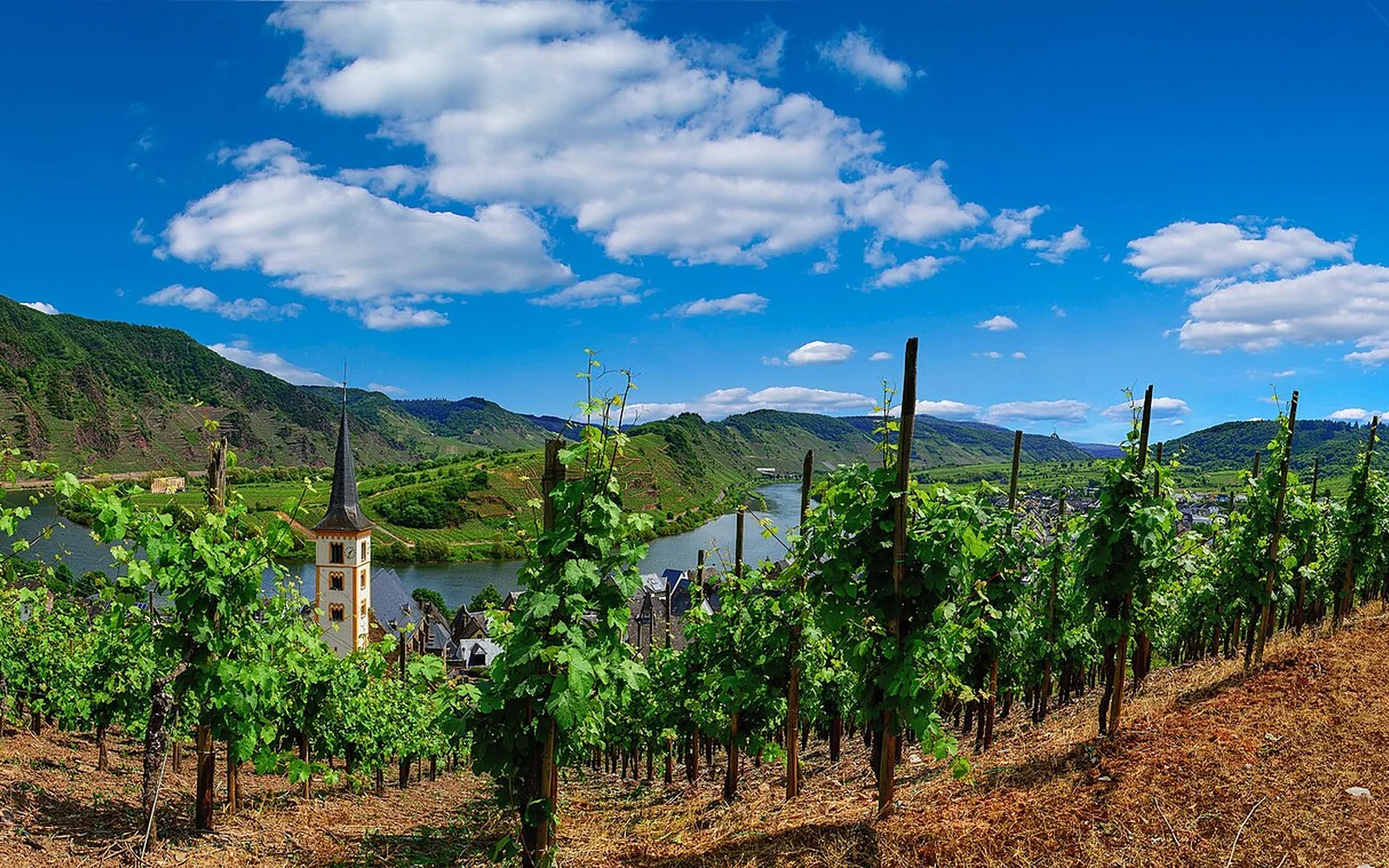
Moselle Valley
The German Moselle winds between Trier and Koblenz through steep vineyards, castle towns and long river bends, with rail serving only part of each bank.
Open guide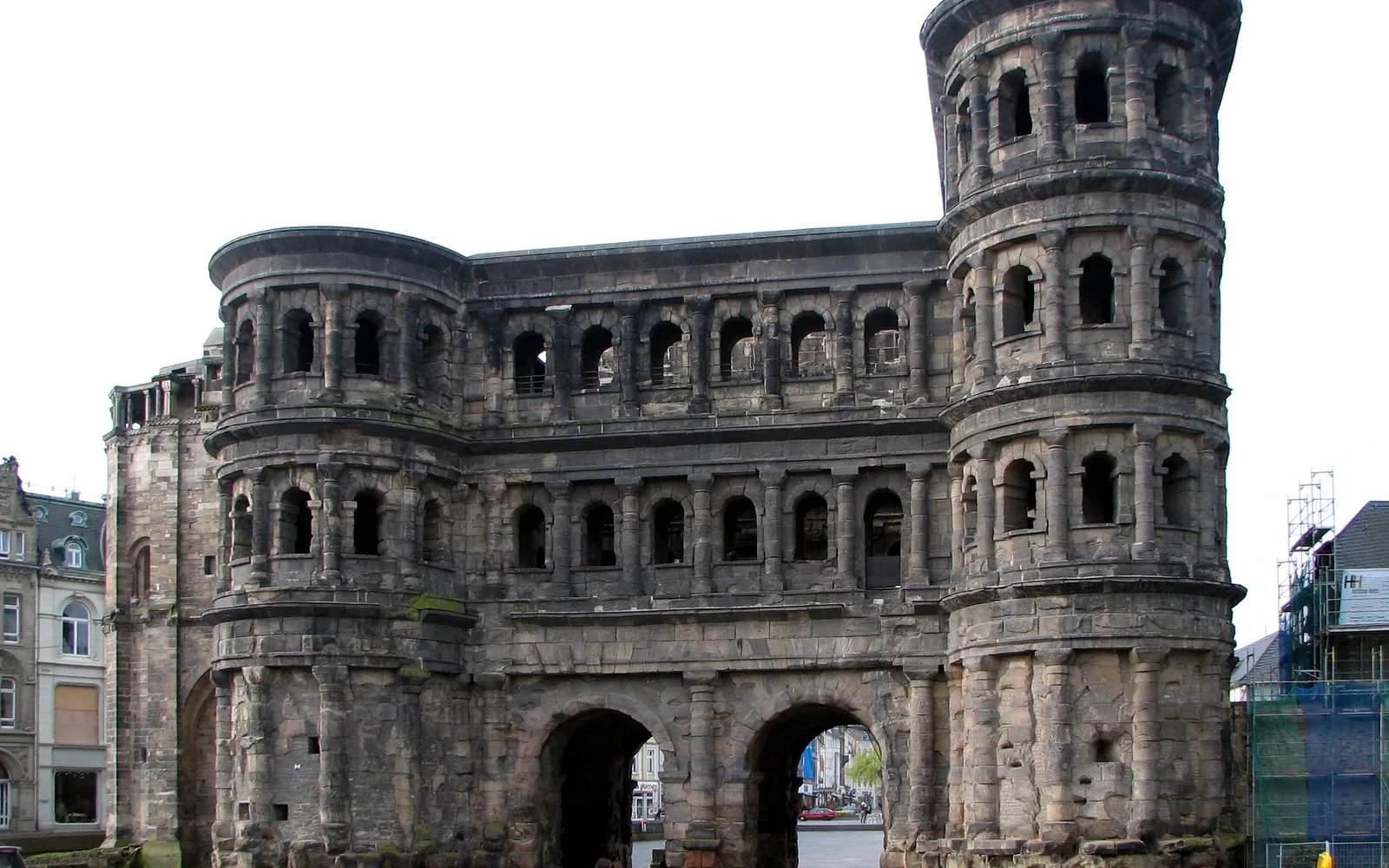
Trier
Trier brings Roman monuments, medieval churches, an archaeological museum and Moselle wine country together in one of Germany’s oldest cities.
Open guideBuild a coherent route
Plan by area
Moselle Valley
The German Moselle winds between Trier and Koblenz through steep vineyards, castle towns and long river bends, with rail serving only part of each bank.
Trier
Trier brings Roman monuments, medieval churches, an archaeological museum and Moselle wine country together in one of Germany’s oldest cities.
See the main travel bases
See the main places in Rhineland-Palatinate
Loading the map…
Use the map to compare the main bases before planning local transport.
Match the route to your time
What fits into your trip
A practical first visit
The Rhine and Moselle meet at Koblenz but create different trips. The Rhine has parallel rail lines and major castle views. The Moselle bends through slower towns and steeper vineyard landscapes.
Link the stops sensibly
Routes and day trips
Rhine trains run on both sides, and the most useful line depends on the castle or town.
Suggested regional routes
Moselle Valley
Trier anchors the western end, Cochem sits on the main rail line, and Bernkastel-Kues serves a central stretch without its own railway station. The valley’s curves make road distance deceptive.
Open destination guideTrier
Trier brings Roman monuments, medieval churches, an archaeological museum and Moselle wine country together in one of Germany’s oldest cities.
Open destination guideChoose transport by destination
Getting around Rhineland-Palatinate
Use rail, local taxis or organised visits for wine routes.
Suggested time
5 to 8 days
Main connection
Koblenz, Mainz and Trier rail hubs
Choose dates that suit the route
When to visit
Castles and vineyard viewpoints often involve climbs or limited access.
Read the seasonal guide for GermanyAvoid common route problems
Planning checks
Can I combine the Rhine and Moselle in one trip?
Yes in five to seven days, using Koblenz as the transfer. A shorter trip is better spent on one valley.
Do I need a car for the river valleys?
No for many rail-linked towns and boat routes. A car helps with remote vineyards, but it complicates wine tasting and parking.
What should I check before travelling through Rhineland-Palatinate?
Confirm the dated transport, opening information and conditions for the exact places in the route.
Quick answers
Questions about Rhineland-Palatinate
Can I combine the Rhine and Moselle in one trip?
Yes in five to seven days, using Koblenz as the transfer. A shorter trip is better spent on one valley.
Do I need a car for the river valleys?
No for many rail-linked towns and boat routes. A car helps with remote vineyards, but it complicates wine tasting and parking.
What should I check before travelling through Rhineland-Palatinate?
Confirm the dated transport, opening information and conditions for the exact places in the route.
How this guide is checked
Sources and review
Reviewed 3 September 2026, next review due 3 March 2027. Services, access rules and opening arrangements can change, so check the official source before travel.
- Germany travel planning, German National Tourist Board
- DB passenger information, Deutsche Bahn
- Official accessible travel guidance for Germany, German National Tourist Board
- Official Upper Middle Rhine visitor information, Rhine-Nahe Tourism
- Official Moselle Valley visitor information, Rhineland-Palatinate Tourism
Continue planning
See more of Germany
Use the country guide to compare Rhineland-Palatinate with other regions and destinations in Germany.