
Germany is too varied for one national weather rule. Coastal conditions, lowland cities and the Bavarian Alps can feel very different on the same date, so choose the route first and then test the month against that region.
January to March in Germany
January: Museums, concert programmes and winter city breaks are the dependable choices. Daylight is short, and snow or ice can disrupt roads, regional trains and walking routes. Check local forecasts, attraction hours and the full dated rail journey.
February: City museums and established winter-sport areas remain practical. Lowland weather can be wet while mountain conditions remain wintry. Confirm event dates and current mountain or transport conditions.
March: Quieter city breaks work well as gardens and lower landscapes begin to change. Spring and winter conditions can occur on the same trip, especially with altitude. Use current forecasts instead of assuming high routes are open.
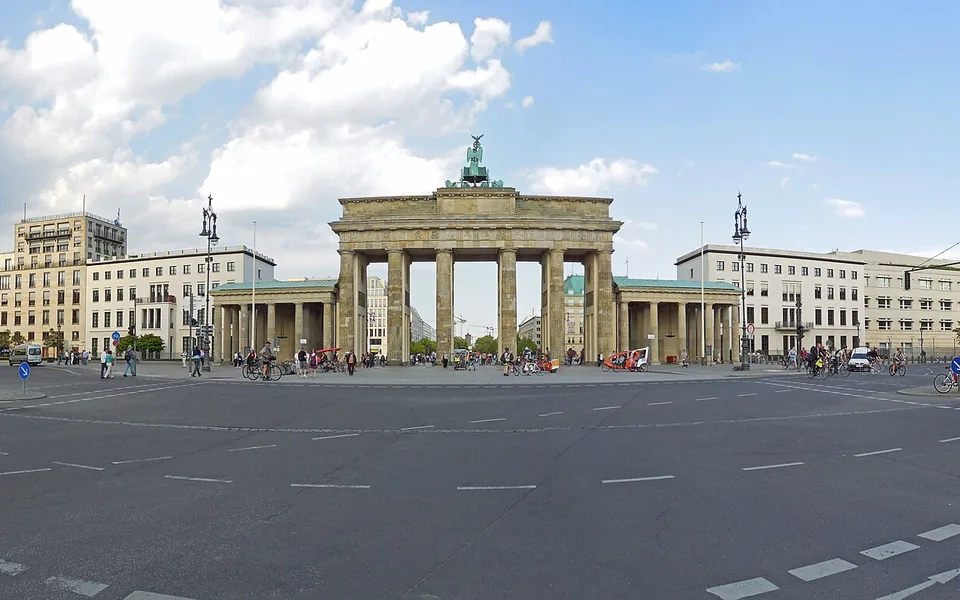
April to June in Germany
April: Cities, gardens and lower river routes suit a flexible spring trip. Rain, cold spells and occasional late snow make outdoor plans variable. Check holiday timetables and seasonal attraction dates.
May: City walking, cycling, river valleys and lower mountain routes combine well. High trails may retain snow, and public-holiday weekends can be busy. Confirm trail level, dated trains and regional opening schedules.
June: Long days suit urban routes, lakes, coasts and lower hiking areas. Warm spells and thunderstorms can interrupt exposed outdoor plans. Check the forecast and reserve only the route-critical parts of the trip.
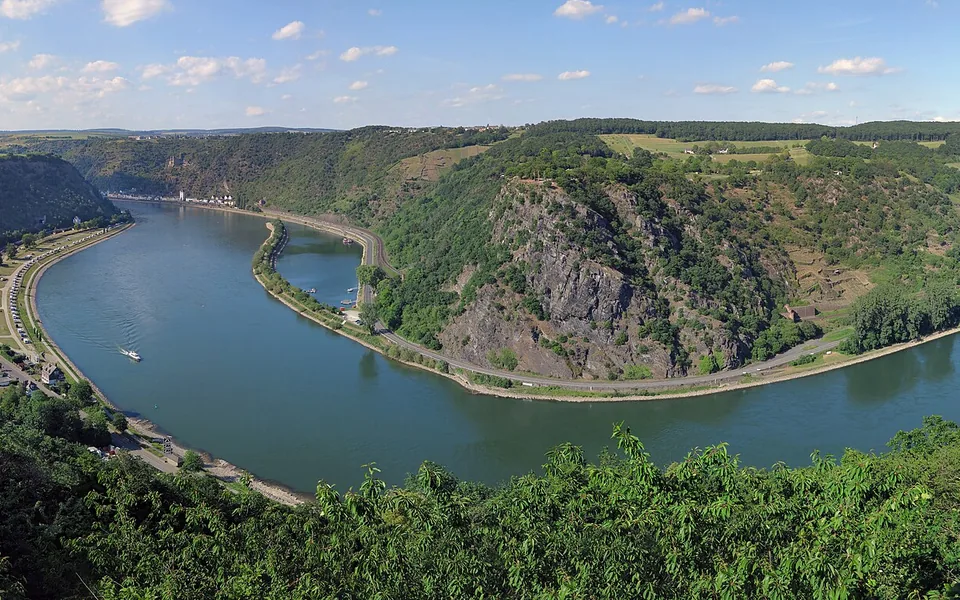
July to September in Germany
July: The Baltic and North Sea coasts, lakes and mountain areas have their broadest summer range. Cities can be hot, and thunderstorms remain possible. Start outdoor days early and keep an indoor or low-level alternative.
August: Coastal stays, lake trips, festivals and mountain routes are widely available. Heat, storms and crowded transport reduce flexibility on busy weekends. Confirm the dated rail plan and same-day outdoor conditions.
September: Cities, wine regions and lower hiking routes often share comfortable conditions. Evenings shorten, and late-month weather becomes less predictable. Check official event dates and avoid assuming ordinary Munich availability.
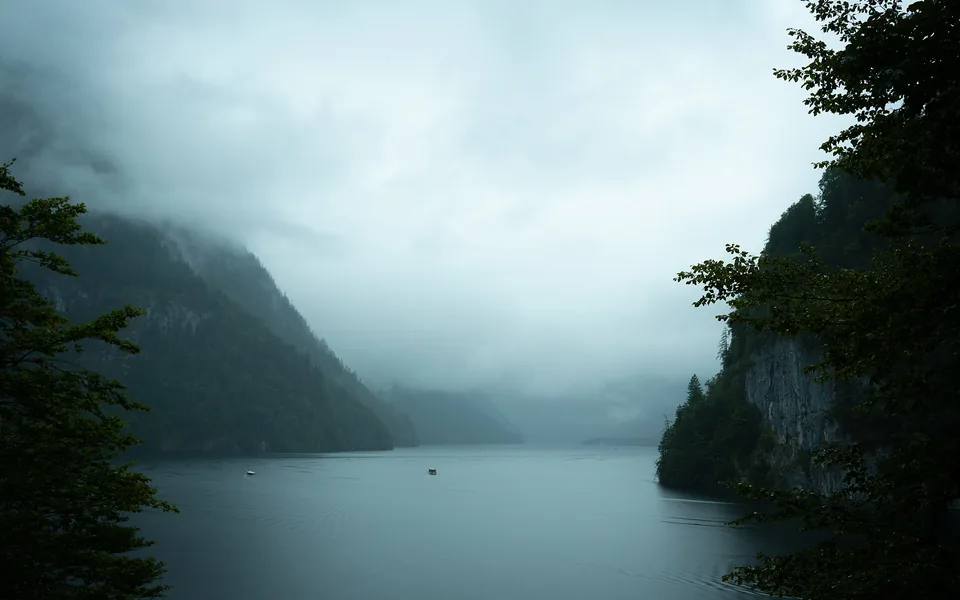
October to December in Germany
October: Museums, autumn cities, forests and wine regions are the strongest choices. Daylight contracts and some seasonal outdoor services begin to close. Verify seasonal closing dates and use lower routes in uncertain weather.
November: Museum-led city breaks and spa stays suit the quieter interval before Advent. Grey weather, short days and reduced outdoor operations narrow the choice. Check shorter attraction hours and regional maintenance work.
December: Christmas markets, museums and winter city programmes support a focused trip. Market dates vary, daylight is short and holiday transport needs more margin. Confirm official market dates, holiday closures and the last local connection.
Match the month to a Germany route
Month-by-month guide
| Month | Good for | Main limitations | Crowds | Transport or access |
|---|---|---|---|---|
| January | Museums, concert programmes and winter city breaks are the dependable choices. | Daylight is short, and snow or ice can disrupt roads, regional trains and walking routes. | New Year and school-holiday periods bring uneven demand. | Check local forecasts, attraction hours and the full dated rail journey. |
| February | City museums and established winter-sport areas remain practical. | Lowland weather can be wet while mountain conditions remain wintry. | Carnival events and school holidays affect particular cities and regions. | Confirm event dates and current mountain or transport conditions. |
| March | Quieter city breaks work well as gardens and lower landscapes begin to change. | Spring and winter conditions can occur on the same trip, especially with altitude. | Demand is usually moderate outside event and Easter dates. | Use current forecasts instead of assuming high routes are open. |
| April | Cities, gardens and lower river routes suit a flexible spring trip. | Rain, cold spells and occasional late snow make outdoor plans variable. | Easter and public holidays can change opening hours and rail demand. | Check holiday timetables and seasonal attraction dates. |
| May | City walking, cycling, river valleys and lower mountain routes combine well. | High trails may retain snow, and public-holiday weekends can be busy. | Popular cities and leisure routes fill on long weekends. | Confirm trail level, dated trains and regional opening schedules. |
| June | Long days suit urban routes, lakes, coasts and lower hiking areas. | Warm spells and thunderstorms can interrupt exposed outdoor plans. | Events and early holiday traffic raise demand in selected destinations. | Check the forecast and reserve only the route-critical parts of the trip. |
| July | The Baltic and North Sea coasts, lakes and mountain areas have their broadest summer range. | Cities can be hot, and thunderstorms remain possible. | School holidays increase demand in coastal and outdoor regions. | Start outdoor days early and keep an indoor or low-level alternative. |
| August | Coastal stays, lake trips, festivals and mountain routes are widely available. | Heat, storms and crowded transport reduce flexibility on busy weekends. | This is a peak period in many holiday regions. | Confirm the dated rail plan and same-day outdoor conditions. |
| September | Cities, wine regions and lower hiking routes often share comfortable conditions. | Evenings shorten, and late-month weather becomes less predictable. | Munich’s major festival period creates exceptional local demand. | Check official event dates and avoid assuming ordinary Munich availability. |
| October | Museums, autumn cities, forests and wine regions are the strongest choices. | Daylight contracts and some seasonal outdoor services begin to close. | Event weekends remain busy even as general demand falls. | Verify seasonal closing dates and use lower routes in uncertain weather. |
| November | Museum-led city breaks and spa stays suit the quieter interval before Advent. | Grey weather, short days and reduced outdoor operations narrow the choice. | Many places are quiet until seasonal events begin. | Check shorter attraction hours and regional maintenance work. |
| December | Christmas markets, museums and winter city programmes support a focused trip. | Market dates vary, daylight is short and holiday transport needs more margin. | Advent weekends can be very busy in well-known market cities. | Confirm official market dates, holiday closures and the last local connection. |