
Start with the essentials
Plan Bavaria at a glance
- Best for
- Historic cities, castles, food, scenic roads and Alpine landscapes
- Suggested time
- 7 to 12 days
- Main connection
- Munich and Nuremberg rail hubs
About Bavaria
Why explore Bavaria
Bavaria is too large for one base. Munich suits the south, Nuremberg opens Franconia, and Füssen or Berchtesgaden works for a focused Alpine stage.
Use rail between cities, then choose local transport or a car for a specific rural route. The Romantic Road is a touring corridor, not a single attraction.
Plan the region
Bavaria is too large for one base. Munich suits the south, Nuremberg opens Franconia, and Füssen or Berchtesgaden works for a focused Alpine stage.
Choose where to spend your time
Places to explore
8 guides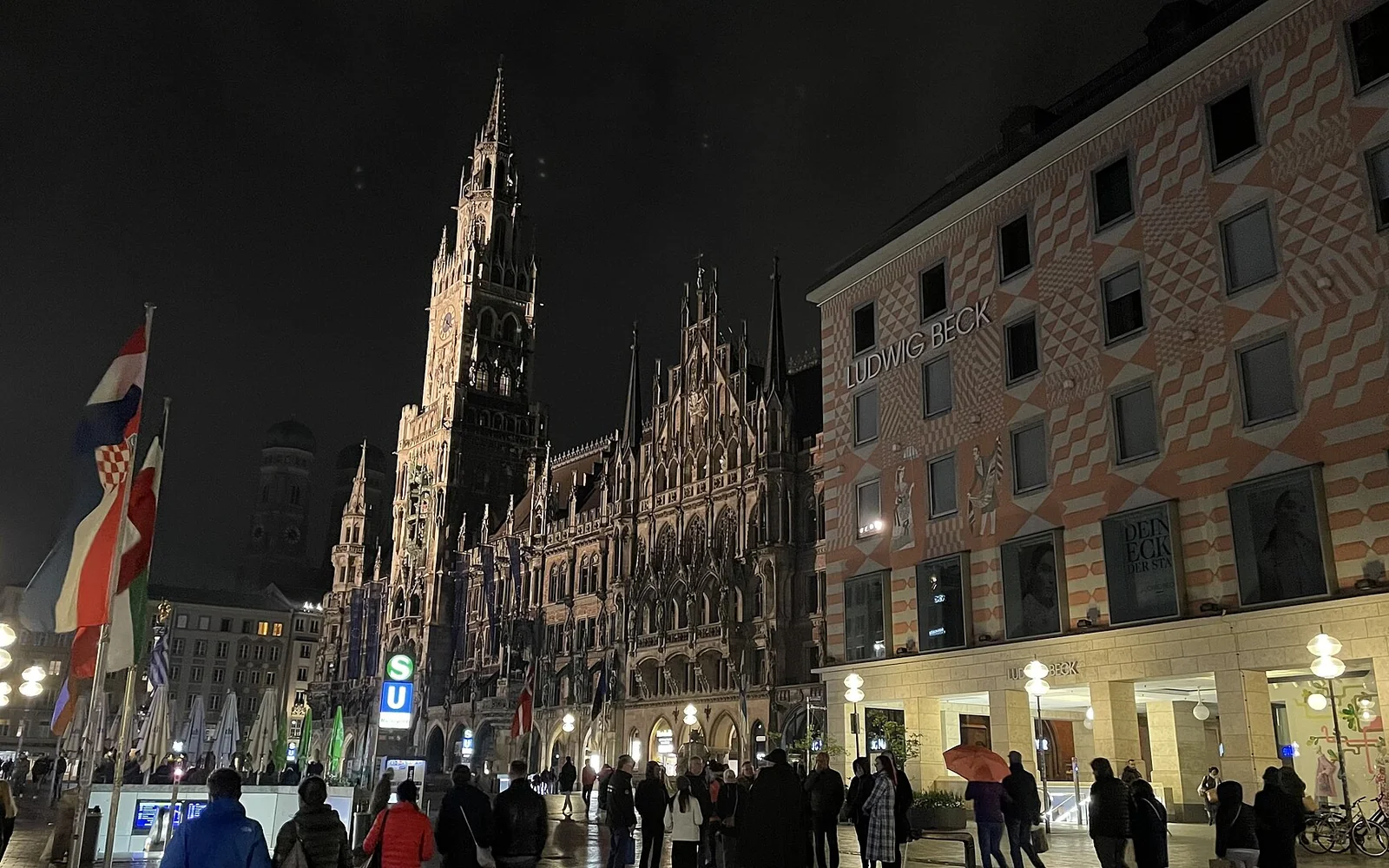
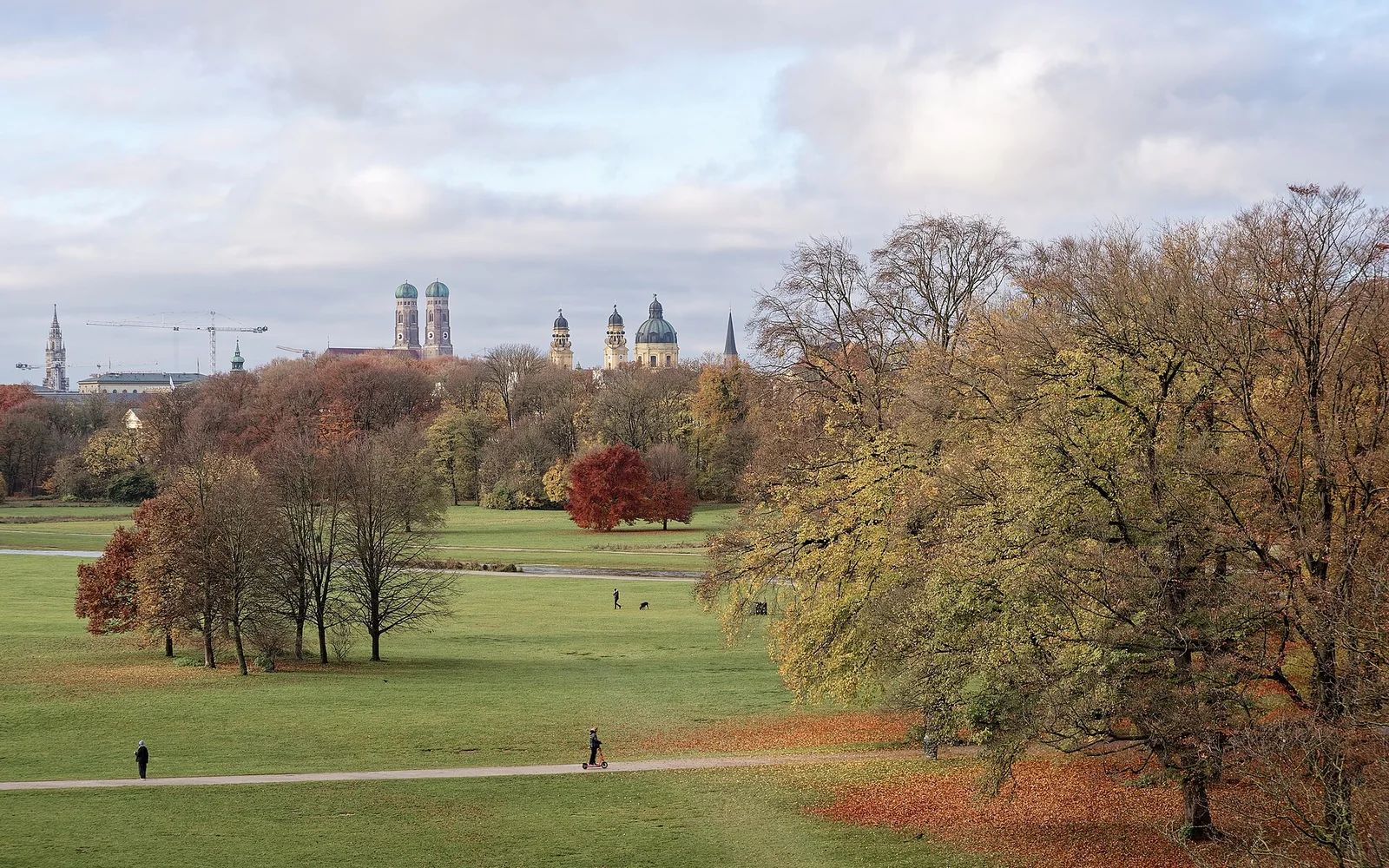
Munich
Munich pairs a compact old centre with major museums, large parks, distinctive neighbourhoods and strong rail links across Bavaria.
Open guide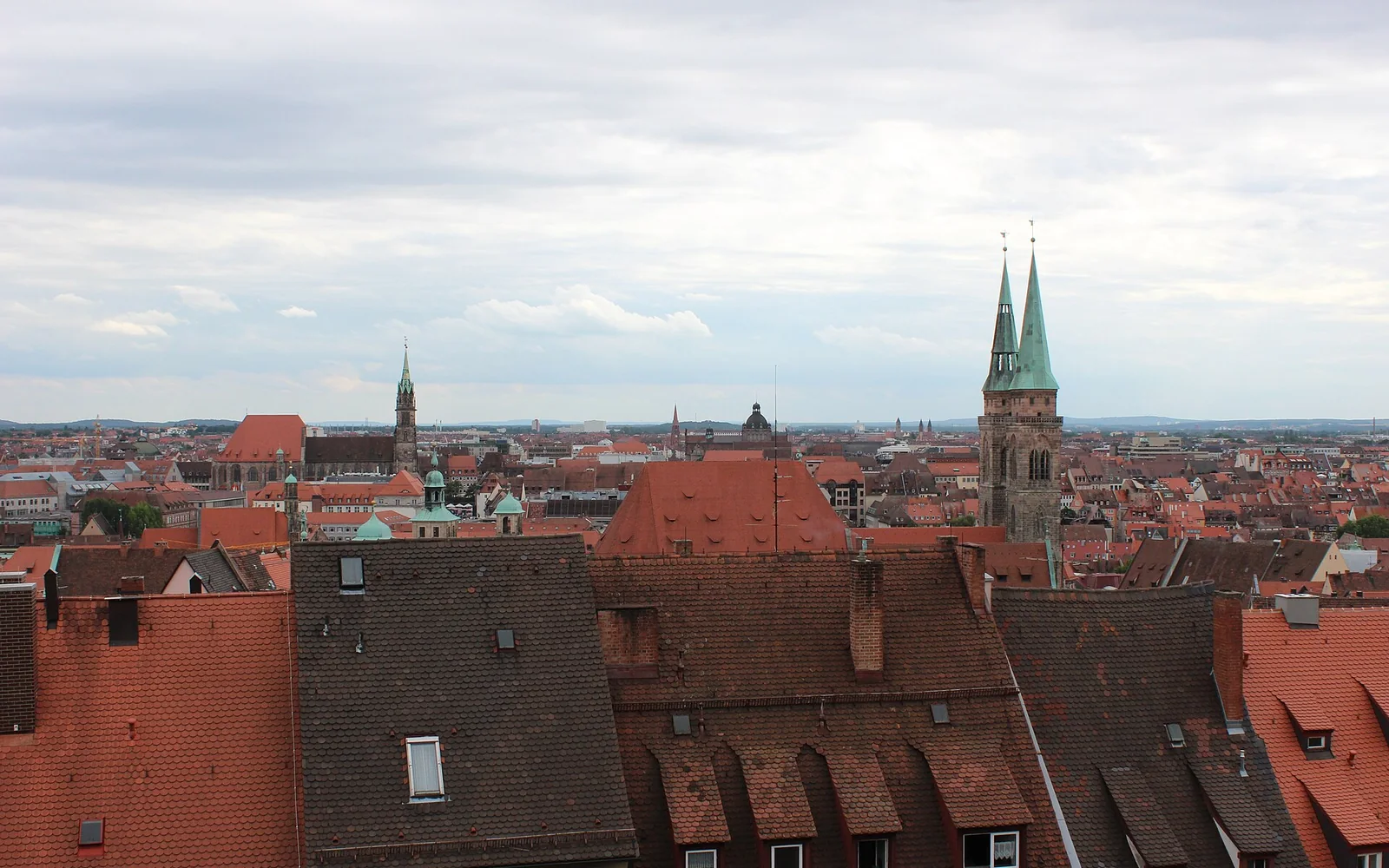
Nuremberg
Nuremberg combines an enclosed historic centre and Imperial Castle with major museums and difficult twentieth-century history documented beyond the old walls.
Open guide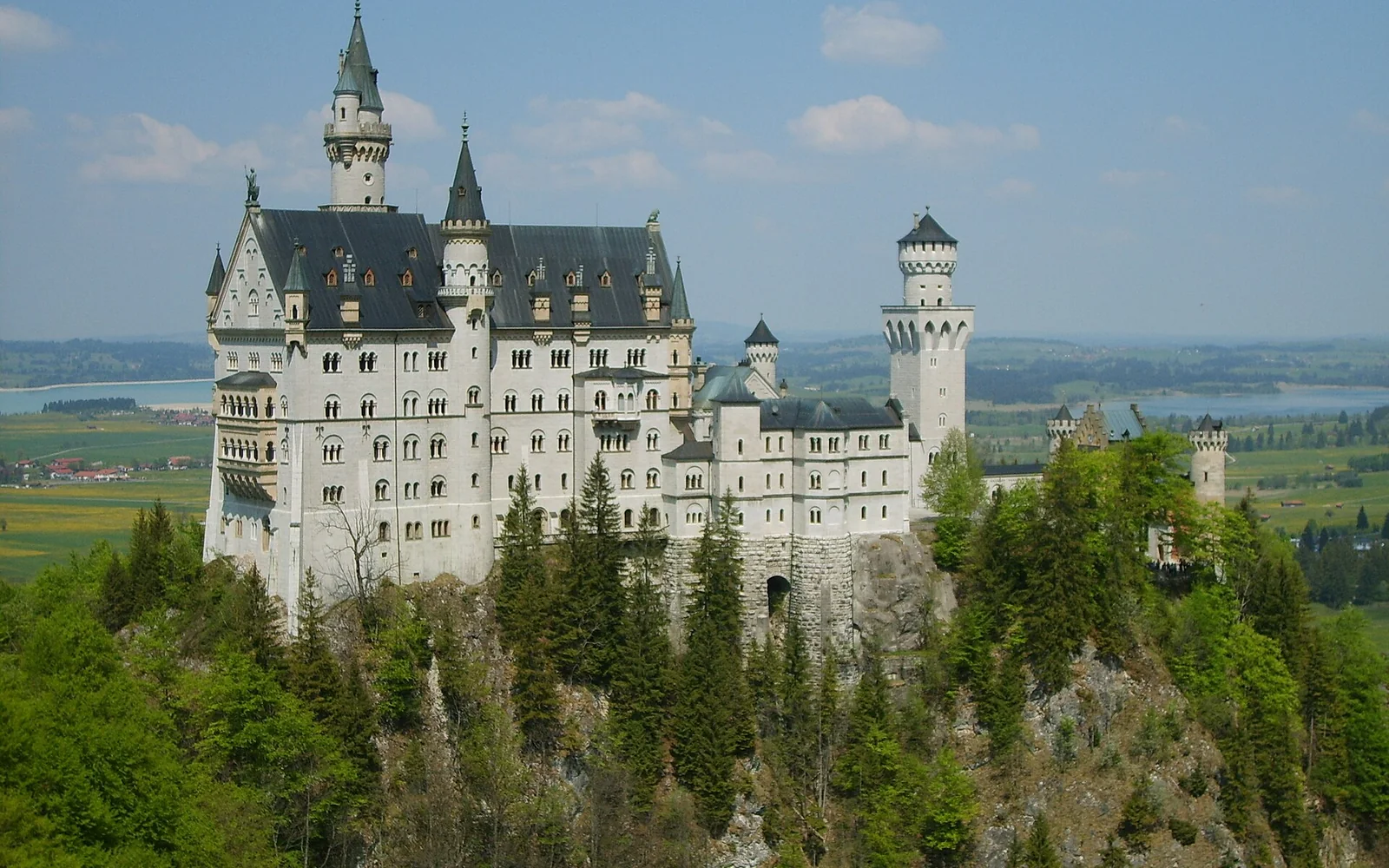
Neuschwanstein Castle and Füssen
Füssen is the rail base for Neuschwanstein and Hohenschwangau, with an old town, nearby lakes and Alpine scenery that reward an overnight stay.
Open guide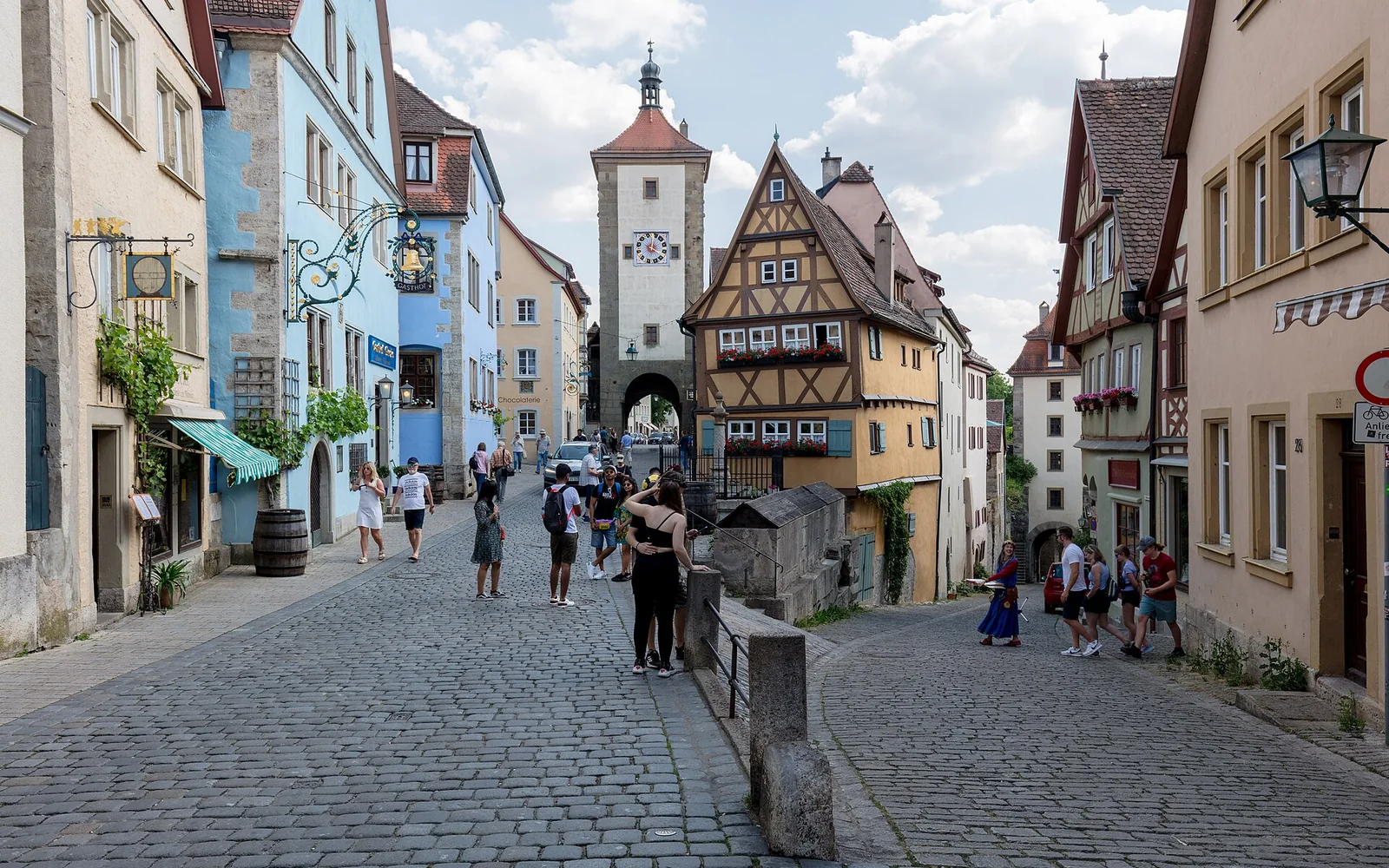
Romantic Road
The Romantic Road is a long touring route between Würzburg and Füssen, linking Franconian wine towns, walled centres, churches and Alpine foothills.
Open guide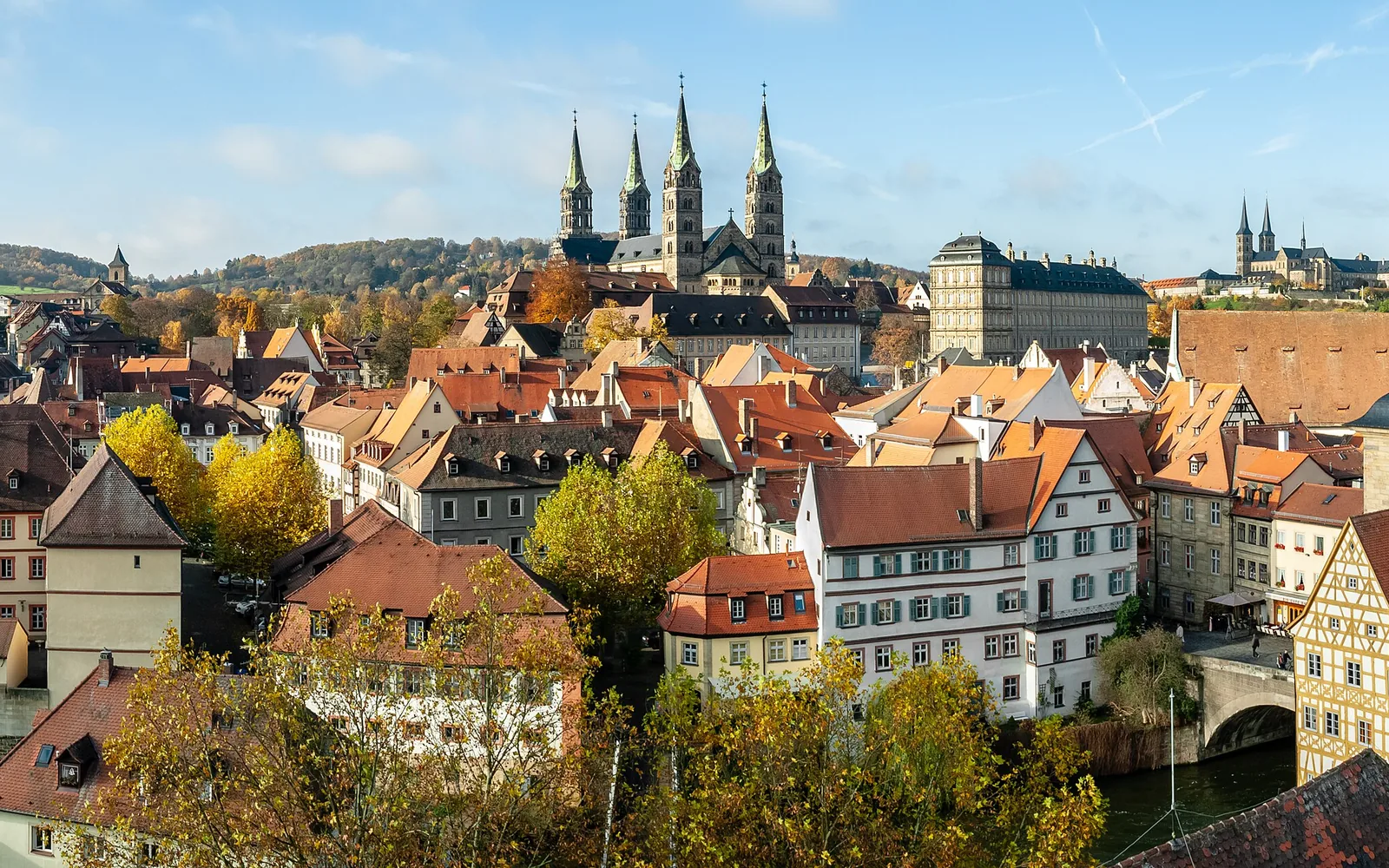
Bamberg
Bamberg spreads its World Heritage old town across hills, an island district and the Regnitz, with a living market-gardener and brewing culture.
Open guide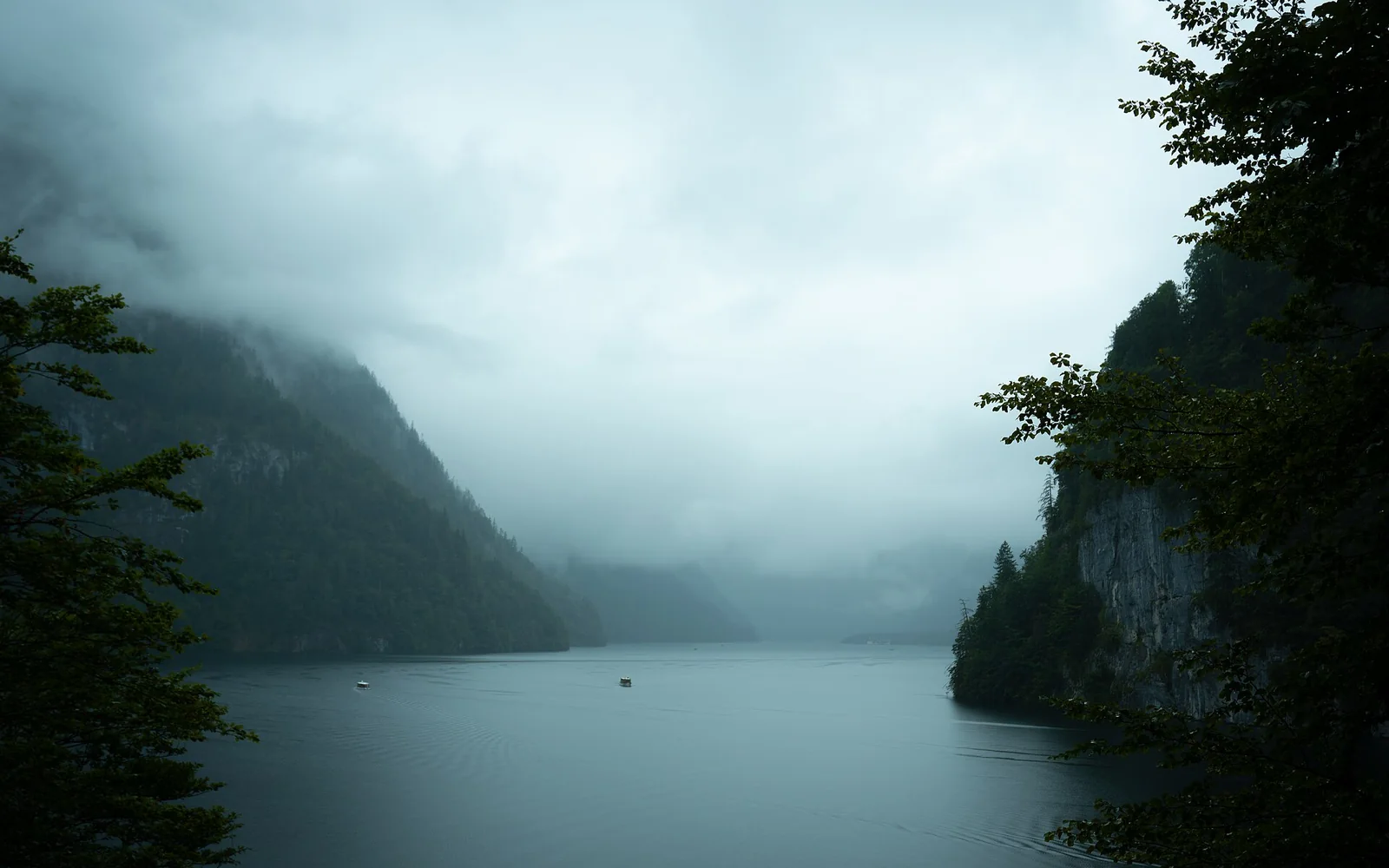
Berchtesgaden and the Bavarian Alps
Berchtesgaden is a south-eastern Bavarian base for Königssee, the Watzmann landscape, Ramsau and Germany’s Alpine national park.
Open guideRothenburg ob der Tauber
Rothenburg ob der Tauber is a walled Franconian town whose preserved streets, towers and Tauber Valley setting reward an overnight stay.
Open guide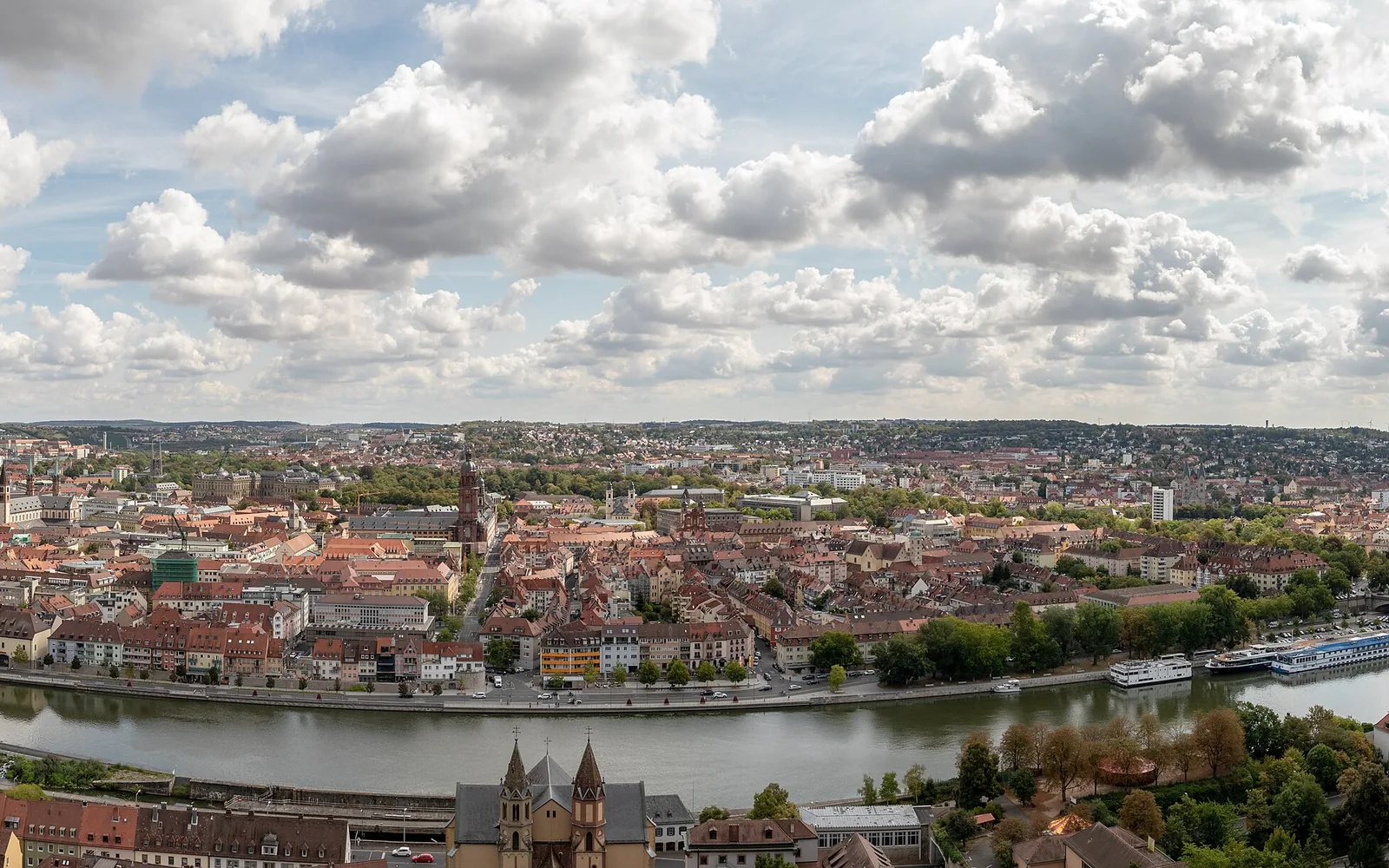
Würzburg
Würzburg combines the UNESCO-listed Residence, a compact old town, the Old Main Bridge, Franconian wine and a fortress above the river.
Open guideBuild a coherent route
Plan by area
Munich
Munich pairs a compact old centre with major museums, large parks, distinctive neighbourhoods and strong rail links across Bavaria.
Nuremberg
Nuremberg combines an enclosed historic centre and Imperial Castle with major museums and difficult twentieth-century history documented beyond the old walls.
Neuschwanstein Castle and Füssen
Füssen is the rail base for Neuschwanstein and Hohenschwangau, with an old town, nearby lakes and Alpine scenery that reward an overnight stay.
Romantic Road
The Romantic Road is a long touring route between Würzburg and Füssen, linking Franconian wine towns, walled centres, churches and Alpine foothills.
Berchtesgaden and the Bavarian Alps
Berchtesgaden is a south-eastern Bavarian base for Königssee, the Watzmann landscape, Ramsau and Germany’s Alpine national park.
Bamberg
Bamberg spreads its World Heritage old town across hills, an island district and the Regnitz, with a living market-gardener and brewing culture.
Würzburg
Würzburg combines the UNESCO-listed Residence, a compact old town, the Old Main Bridge, Franconian wine and a fortress above the river.
See the main travel bases
See the main places in Bavaria
Loading the map…
Use the map to compare the main bases before planning local transport.
Match the route to your time
What fits into your trip
A practical first visit
Bavaria is too large for one base. Munich suits the south, Nuremberg opens Franconia, and Füssen or Berchtesgaden works for a focused Alpine stage.
Link the stops sensibly
Routes and day trips
Nuremberg, Würzburg and Rothenburg make a northern route. Munich, Füssen and Berchtesgaden belong to different southern corridors.
Suggested regional routes
Munich
Marienplatz, the Residenz, Viktualienmarkt and the main churches fit one central route. Maxvorstadt’s museums, the English Garden and Nymphenburg deserve separate time.
Open destination guideNuremberg
The Imperial Castle, Hauptmarkt, churches, city walls and Germanisches Nationalmuseum form the central historic route. A separate half-day is needed for the former Nazi Party Rally Grounds and their documentation.
Open destination guideNeuschwanstein Castle and Füssen
Neuschwanstein can only be visited inside on an official guided tour. The ticket time, bus from Füssen, uphill route and security rules all need to fit together.
Open destination guideRomantic Road
The route is not one road that must be followed metre by metre. Its value lies in selected towns and landscapes between Würzburg and Füssen, with Rothenburg, Dinkelsbühl, Nördlingen and Augsburg among the useful stages.
Open destination guideRegional day trips
Neuschwanstein day trip from Munich
A long rail-and-bus day built around an official castle tour, the steep approach and a dependable return from Füssen.
Wider itineraries
These routes include Bavaria but continue to other parts of Germany.
Berlin, Dresden, Nuremberg and Munich in 10 daysChoose transport by destination
Getting around Bavaria
Branch lines and bus connections can turn a short map distance into most of a day.
Suggested time
7 to 12 days
Main connection
Munich and Nuremberg rail hubs
Choose dates that suit the route
When to visit
Check lifts, boats, paths and official weather information on the day of travel.
Read the seasonal guide for GermanyAvoid common route problems
Planning checks
How many days do I need in Bavaria?
A week allows Munich and one other area. Ten to twelve days work better for a city pair plus a castle, touring or Alpine stage.
Can I see Bavaria by train?
The main cities and many tourist towns are rail-linked. Some scenic routes, trailheads and castle approaches still need buses, walking or a car.
What should I check before travelling through Bavaria?
Confirm the dated transport, opening information and conditions for the exact places in the route.
Quick answers
Questions about Bavaria
How many days do I need in Bavaria?
A week allows Munich and one other area. Ten to twelve days work better for a city pair plus a castle, touring or Alpine stage.
Can I see Bavaria by train?
The main cities and many tourist towns are rail-linked. Some scenic routes, trailheads and castle approaches still need buses, walking or a car.
What should I check before travelling through Bavaria?
Confirm the dated transport, opening information and conditions for the exact places in the route.
How this guide is checked
Sources and review
Reviewed 3 September 2026, next review due 3 March 2027. Services, access rules and opening arrangements can change, so check the official source before travel.
- Germany travel planning, German National Tourist Board
- DB passenger information, Deutsche Bahn
- Official accessible travel guidance for Germany, German National Tourist Board
- Official Bavaria visitor information, Bavaria Tourism
Continue through Germany
Regions that connect naturally
Berchtesgaden and the Bavarian Alps
Berchtesgaden is a south-eastern Bavarian base for Königssee, the Watzmann landscape, Ramsau and Germany’s Alpine national park.
Continue planning
See more of Germany
Use the country guide to compare Bavaria with other regions and destinations in Germany.