
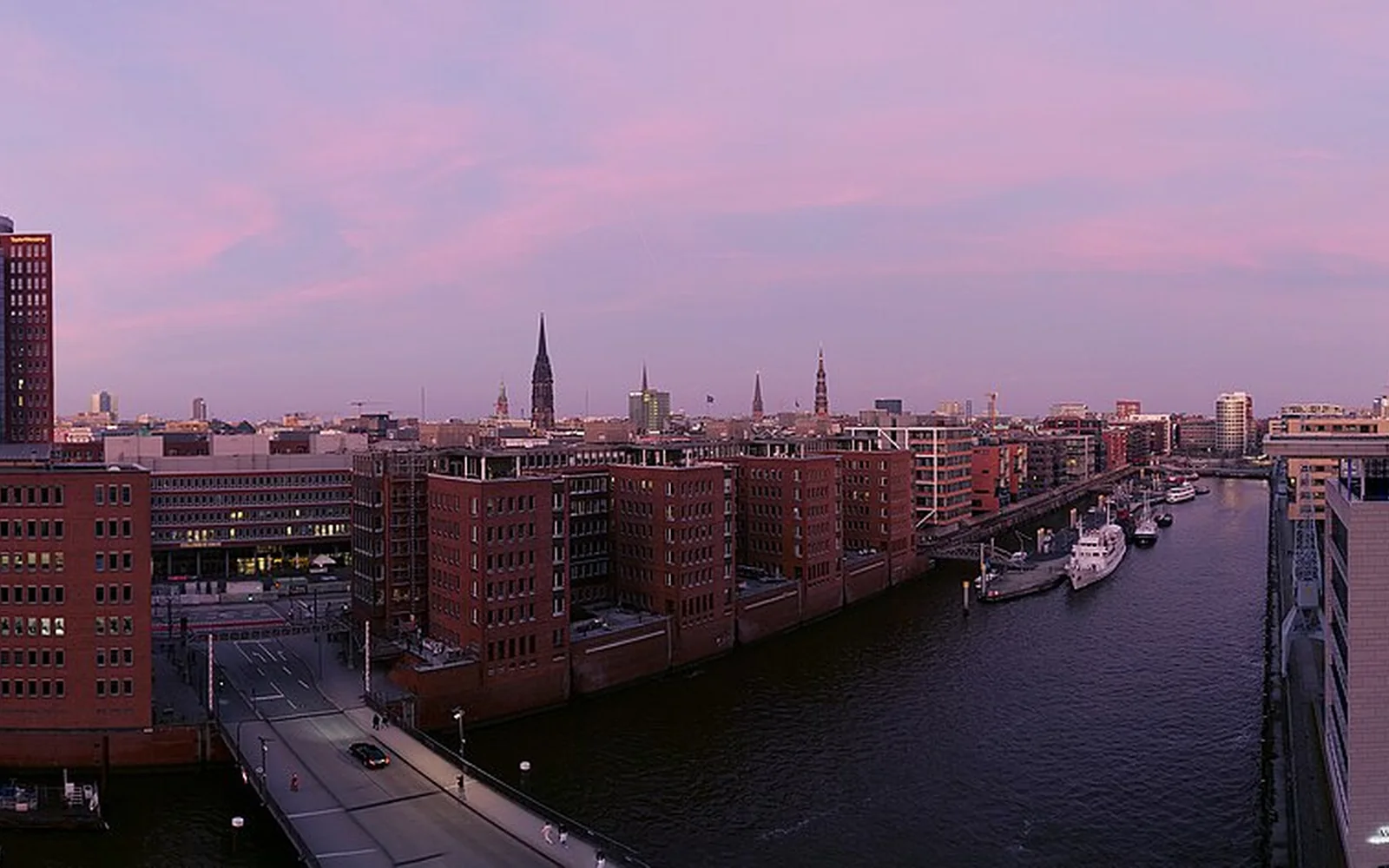
Speicherstadt, HafenCity and the Elbphilharmonie form the main waterfront route, but Hamburg extends far beyond them. St Pauli, Altona, the Alster and residential districts each need separate time.
Read Hamburg as a port city with several centres
Speicherstadt, HafenCity and the Elbphilharmonie form the main waterfront route, but Hamburg extends far beyond them. St Pauli, Altona, the Alster and residential districts each need separate time.
Three days allow one harbour day, one central and Alster day, and one neighbourhood route. Boat trips add perspective but depend on weather and the exact service.
Read the harbour in layers
Speicherstadt’s warehouses, HafenCity’s new streets and the working port represent different periods and uses.
Cross the river with a purpose
Ferries are part of local transport, but terminals and routes cover a wide area. Check where the boat actually stops.
Leave room for neighbourhood life
Sternschanze, St Pauli, Ottensen and the Alster districts show different sides of the city.
Give the harbour and neighbourhoods their own days
Day 1: walk Speicherstadt, HafenCity and the Elbe waterfront.
Day 2: explore the city centre and Alster.
Day 3: choose St Pauli, Altona, a museum or a harbour tour.
Move between the station, harbour and outer districts
Hamburg Hauptbahnhof is the main rail hub, with other useful long-distance stops at Altona and Harburg. Airport trains reach the centre directly.
U-Bahn, S-Bahn, buses and public ferries form one network. Walking works within districts, but harbour and lake routes involve longer distances.
Food and local stops in Hamburg
Fish sandwiches, bakeries, old port taverns and international neighbourhood restaurants all belong in Hamburg. The harbour setting does not guarantee local sourcing, so read menus rather than relying on location.
Keep wind, rain and major events in the plan
Late spring and summer suit ferries and long evenings. Autumn can be atmospheric and wet. Winter brings short daylight, wind and strong indoor cultural options.
City transport and major attractions publish access information. Ferry gangways, historic warehouses and harbour surfaces vary with vessel and tide, so check the specific trip.
Harbour cruises use different routes and languages. Concert access and event dates should be booked directly, and windy waterfront weather needs a backup.
Add Lübeck or Bremen as an onward stop
Lübeck is an easy regional rail trip. Bremen and the North Sea coast belong to separate routes, while Berlin is a straightforward onward rail city.
Continue through northern Germany
Hamburg planning questions
How many days do I need in Hamburg?
Three days cover the main waterfront, central lake and one neighbourhood or museum route. Add another day for a slower harbour or Altona plan.
Are Hamburg ferries useful for sightseeing?
Yes, selected public ferries give harbour views, but they are transport services rather than narrated tours. Check the stops and return route.
Is Hamburg walkable?
Individual districts are walkable, but the city is large. Use rail and ferries between the harbour, Alster, Altona and outer areas.
Sources and updates
This guide was last reviewed on 3 September 2026. Transport, access and opening arrangements can change, so check the official source before travel.
- Germany travel planning, German National Tourist Board
- DB passenger information, Deutsche Bahn
- Official accessible travel guidance for Germany, German National Tourist Board
- Official Hamburg visitor information, Free and Hanseatic City of Hamburg