
Start with the essentials
Plan Canary Islands at a glance
- Covered islands
- Four
- Useful time
- 7 days per island
- Between islands
- Flight or ferry
- Car use
- Often valuable
- Climate
- Varies by coast and altitude
About Canary Islands
Why explore Canary Islands
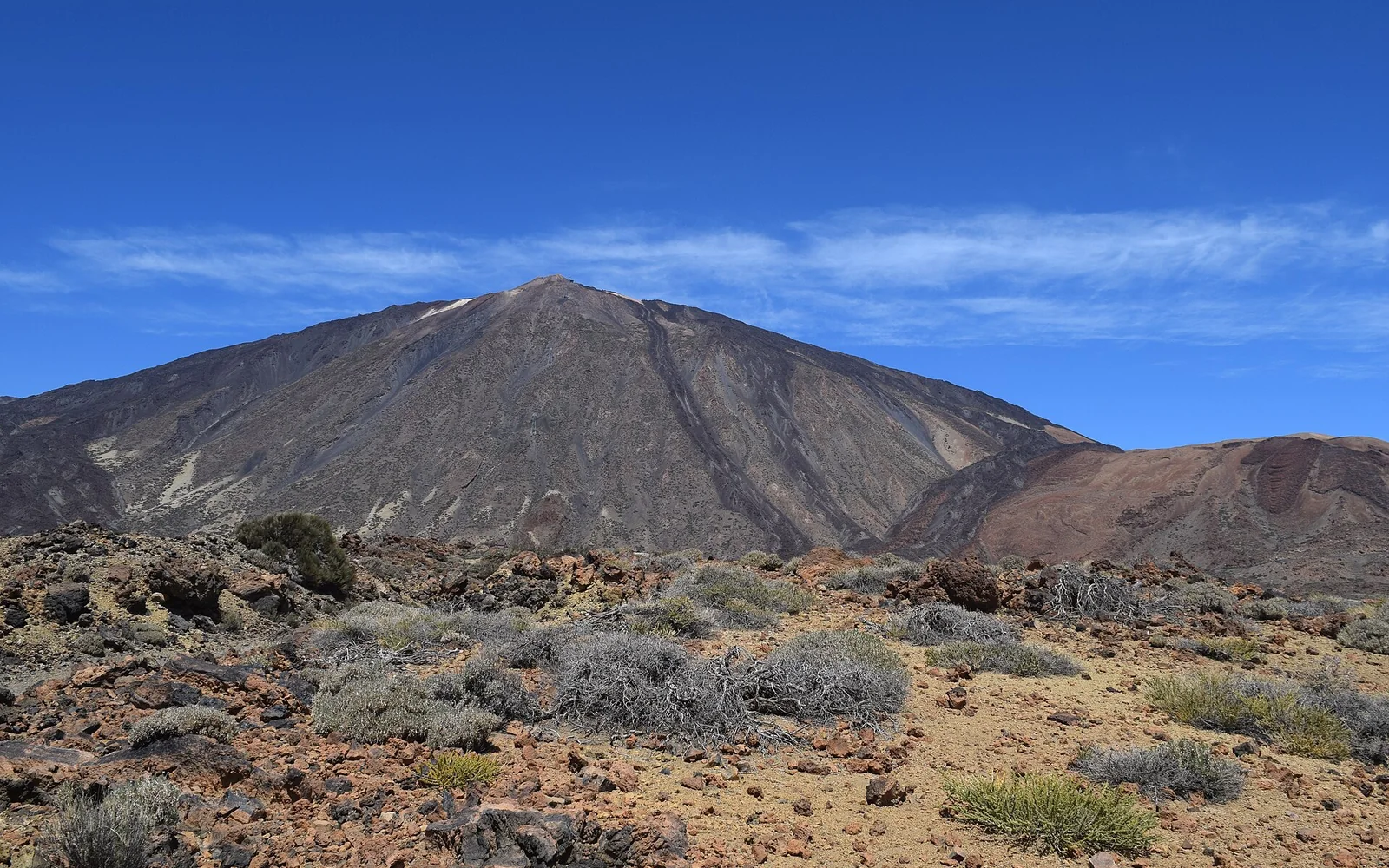
Tenerife combines the high volcanic landscape of Teide with old towns and varied coasts. Gran Canaria brings Las Palmas, mountain interiors and contrasting resort areas, while Lanzarote is defined by low volcanic terrain and tightly controlled visual character.
Fuerteventura has the most open, arid feel of the four covered islands, with long beaches, wind and substantial road distances. The archipelago rewards choosing by landscape and activity rather than booking the cheapest resort alone.
Plan the region
Give one island a full week where possible. Choose two only when a direct crossing or flight fits the route and each island still receives several complete days.
Buses serve cities and main resort corridors, but a car is often valuable for trailheads, viewpoints and less connected coasts. Mountain weather and Atlantic conditions can differ sharply from the hotel area.
Choose where to spend your time
Places to explore
6 guides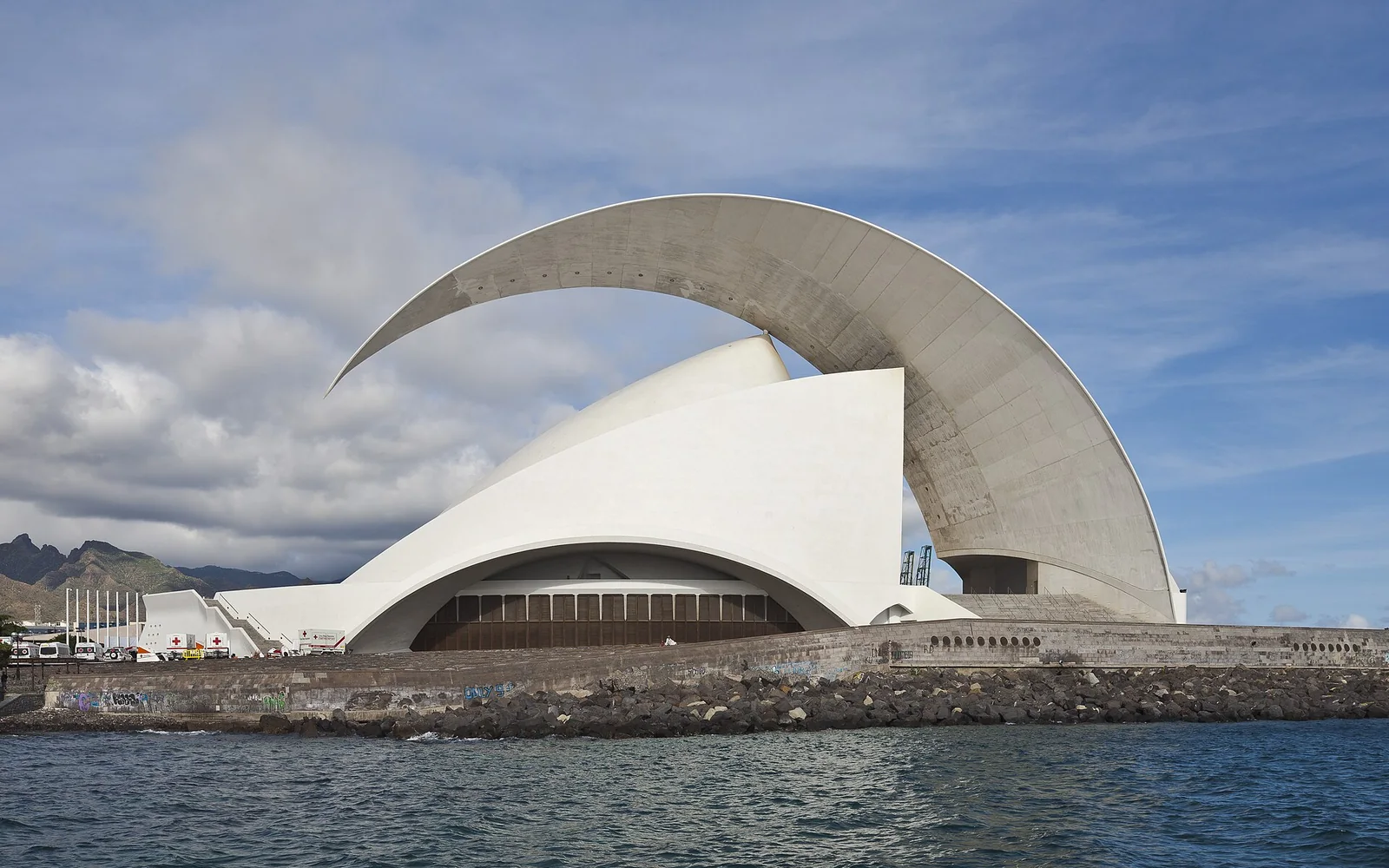
Tenerife
Tenerife combines volcanic highlands, green northern valleys, busy southern resorts and historic towns across an island with sharp climate differences.
Open guideSanta Cruz de Tenerife
Santa Cruz is Tenerife’s working capital, with a modern waterfront, market culture, tropical parks and strong transport links to La Laguna and the island.
Open guide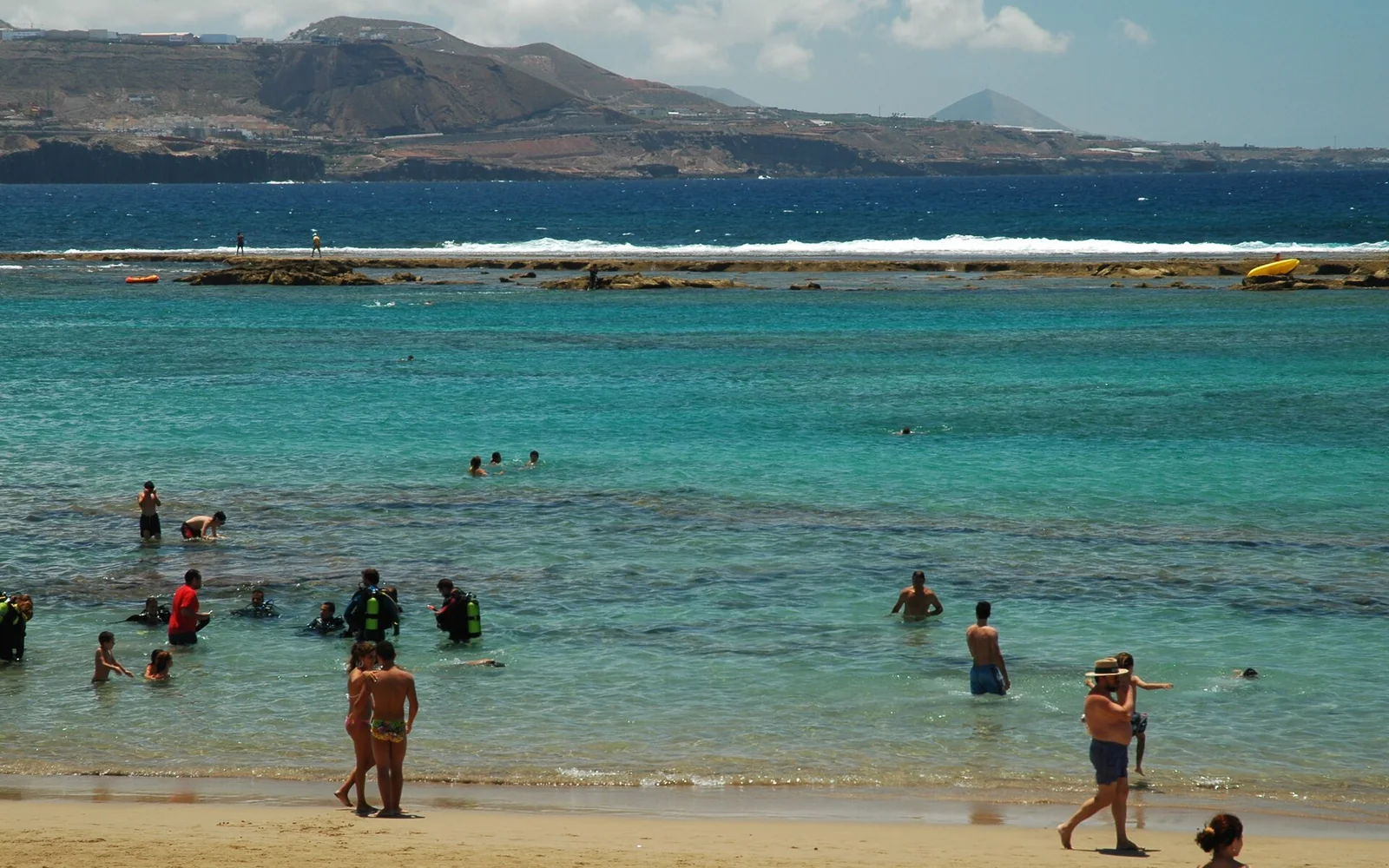
Gran Canaria
Gran Canaria ranges from Las Palmas city life and northern towns to high interior roads, southern resorts and the protected Maspalomas dune landscape.
Open guideLas Palmas de Gran Canaria
Las Palmas combines a long city beach with a historic southern quarter, working markets, Atlantic weather and the strongest urban services on Gran Canaria.
Open guide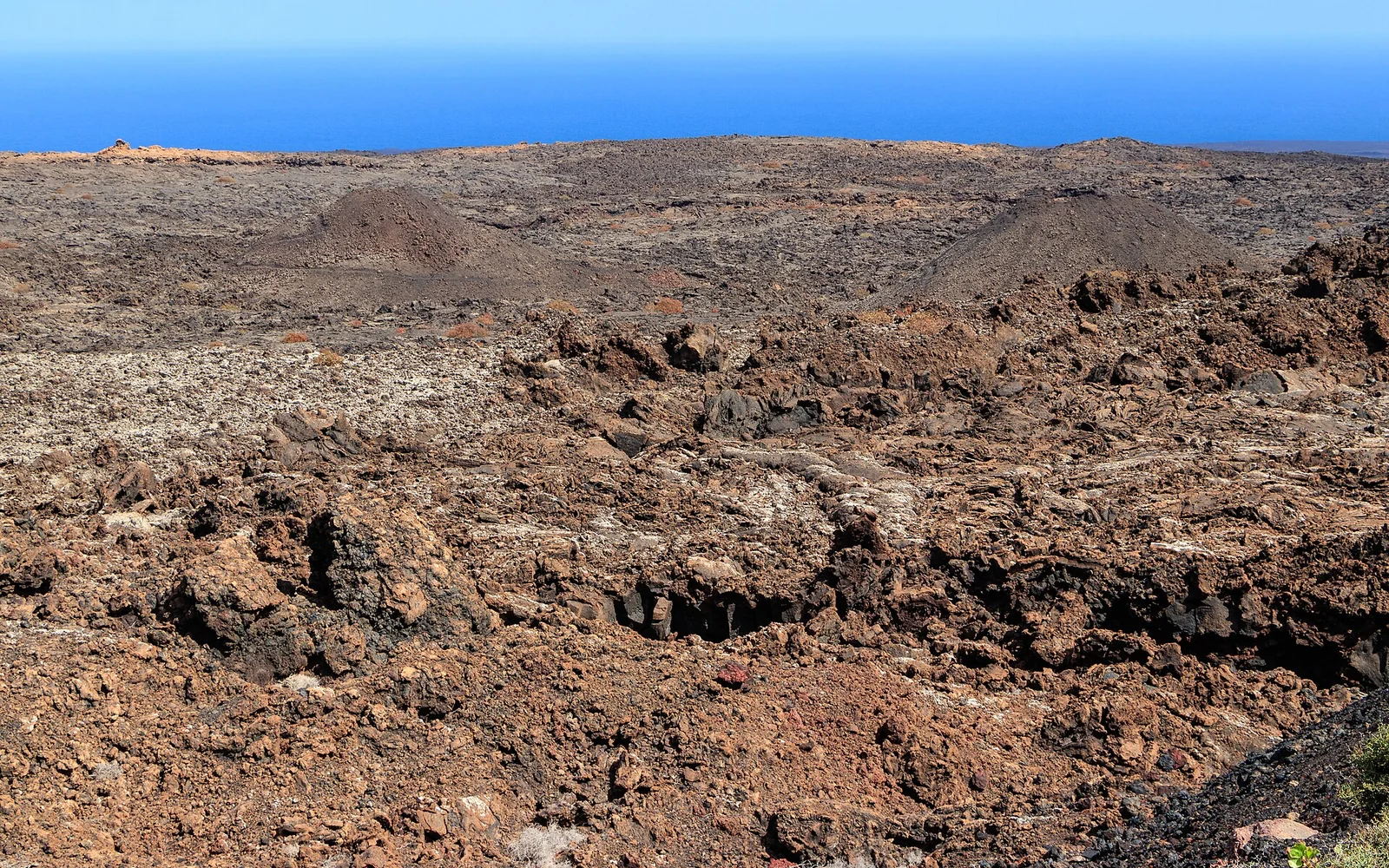
Lanzarote
Lanzarote’s lava fields, low white towns, designed cultural sites and sheltered beaches create a compact island with exposed weather and protected landscapes.
Open guide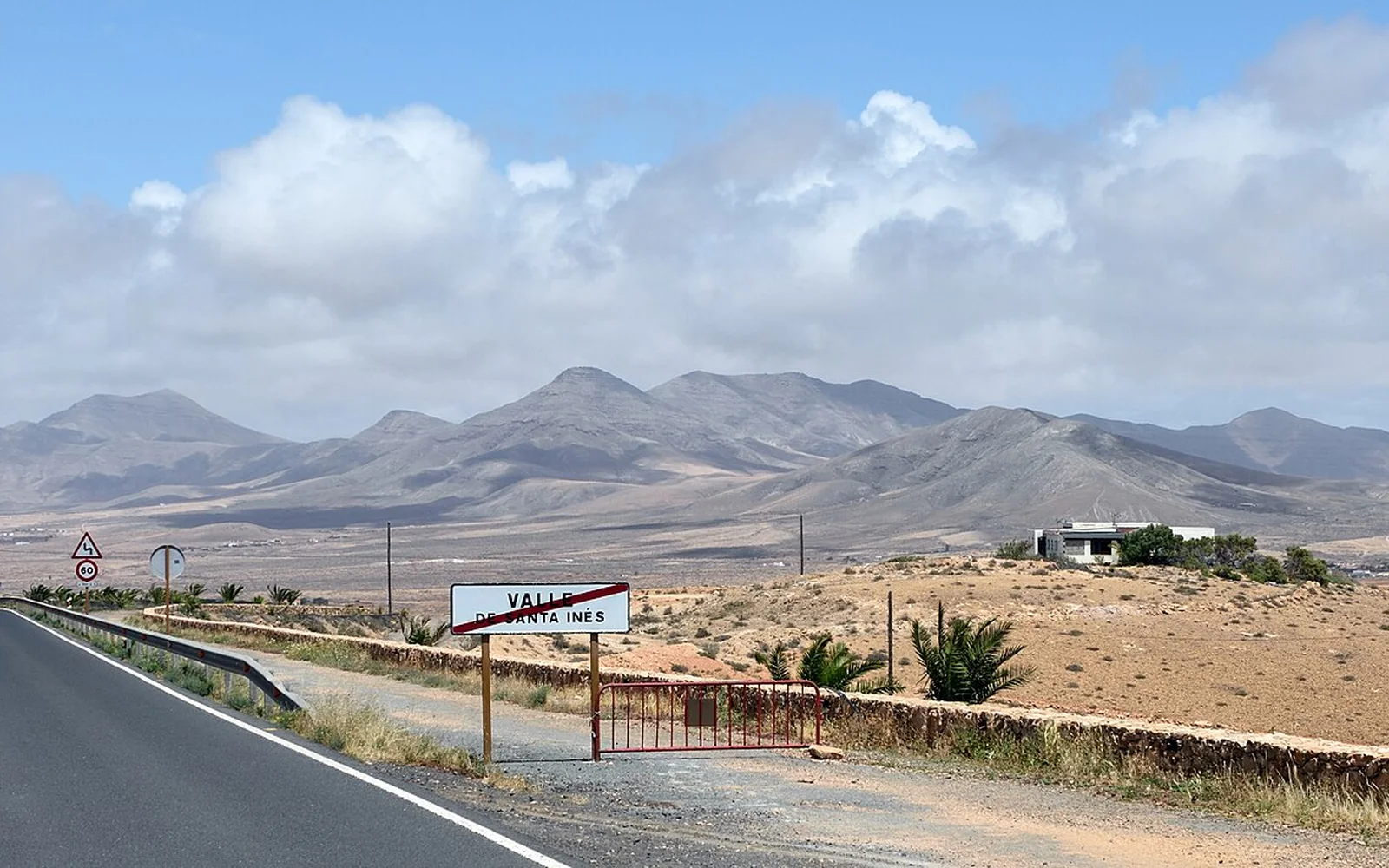
Fuerteventura
An arid Canary Island of long Atlantic beaches, volcanic hills, open roads and wind-shaped landscapes spread across large distances.
Open guideBuild a coherent route
Plan by area
Tenerife and Santa Cruz
Tenerife offers the widest altitude range, with Santa Cruz as an urban and transport base. Teide access and high-level walks require separate booking and weather checks.
Gran Canaria and Las Palmas
Las Palmas combines an old city with Las Canteras beach. The island interior and southern coast need a deliberate road or bus plan rather than daily cross-island travel.
Lanzarote and Fuerteventura
Lanzarote suits volcanic landscapes, art and shorter drives. Fuerteventura suits open beaches, arid terrain and wind-based activities, with longer road distances between areas.
See the main travel bases
Compare the covered Canary Island bases
Loading the map…
Six markers show the four covered islands and two principal cities. Inter-island travel requires a ferry or flight and should be counted as a real transfer.
Match the route to your time
What fits into your trip
One island, one area
Choose one island and no more than two bases. Focus on a coherent coast and interior route rather than trying to see every side. Five days does not leave useful room for an inter-island transfer and another complete destination.
One island in depth
A week plus arrival time suits Tenerife, Gran Canaria, Lanzarote or Fuerteventura. Mix coast, town and landscape days, and keep weather flexibility for high ground, boats or exposed beaches. Change base only when it reduces repeated driving.
Two islands
Pair two islands with a direct flight or ferry, then give each nearly a week. Tenerife and Gran Canaria provide broad variety, while Lanzarote and Fuerteventura form a practical eastern pairing. Avoid adding a third island.
Link the stops sensibly
Routes and day trips
Choose the island first, then choose a base that matches its landscape. Inter-island travel is worthwhile only when the second island adds a genuinely different experience.
Suggested regional routes
Tenerife coast and high ground
Divide time between a practical coastal or city base and planned Teide or northern days. Confirm permits, cable-car status and mountain weather independently.
Open destination guideGran Canaria across distinct zones
Use Las Palmas for city and north-coast time, then add the interior or south according to interest. Daily cross-island returns can be tiring.
Open destination guideFuerteventura’s open landscapes
Choose a northern or southern base, then build beach and interior drives around wind, road distance and the conditions needed for the chosen activity.
Open destination guideChoose transport by destination
Getting around Canary Islands
Island buses cover the principal cities and resort corridors. Driving is often the clearest way to reach dispersed landscapes, while flights and ferries connect islands with different total journey times.
Island buses
Use buses for city routes and established resort connections. Check frequency before relying on them for remote beaches or early trail starts.
Driving
A car gives flexibility, but mountain roads and long island crossings take time. Do not leave valuables visible at remote parking areas.
Flights and ferries
Compare port or airport location, check-in and onward transport. A short crossing can still consume most of the day.
Choose dates that suit the route
When to visit
The islands support year-round travel, but there is no single island-wide forecast. North and south coasts, high ground and exposed beaches may have different cloud, wind and temperature.
Winter is popular for warmth, while summer can be hot and windy. Calima, high surf and mountain conditions can disrupt plans, so check local forecasts and official notices.
Read the seasonal guide for SpainAvoid common route problems
Planning checks
Use a local forecast
Conditions vary by island, coast and altitude. The weather at a beach does not describe Teide or a mountain road.
Count the full island transfer
Add port or airport travel, waiting, luggage and car collection before deciding that island hopping saves time.
Respect sea and wind conditions
Atlantic beaches can have strong currents and surf. Follow local flags and choose sheltered alternatives when needed.
Quick answers
Questions about Canary Islands
Which Canary Island is best for a first visit?
Choose Tenerife or Gran Canaria for the broadest variety, Lanzarote for volcanic landscapes and art, or Fuerteventura for beaches and open terrain.
How many days should I spend on one island?
Seven days is a useful starting point. Larger islands benefit from more time or two carefully chosen bases.
Do I need a car?
A car is not essential for every resort or city stay, but it greatly expands access to landscapes and less connected coasts.
Can I combine Lanzarote and Fuerteventura?
Yes, they are a practical two-island pairing, but allow a proper transfer block and several full days on each.
How this guide is checked
Sources and review
Reviewed 2 September 2026, next review due 2 March 2027. Services, access rules and opening arrangements can change, so check the official source before travel.
- Spain tourism, Turespaña
- Official Tenerife tourism, Turismo de Tenerife
- Official Gran Canaria tourism, Gran Canaria Tourist Board
- Official Lanzarote tourism, Lanzarote Tourism Board
- Official Canary Islands tourism, Canary Islands Tourism
- Fuerteventura visitor information, Fuerteventura Tourist Board
Continue planning
See more of Spain
Use the country guide to compare Canary Islands with other regions and destinations in Spain.