
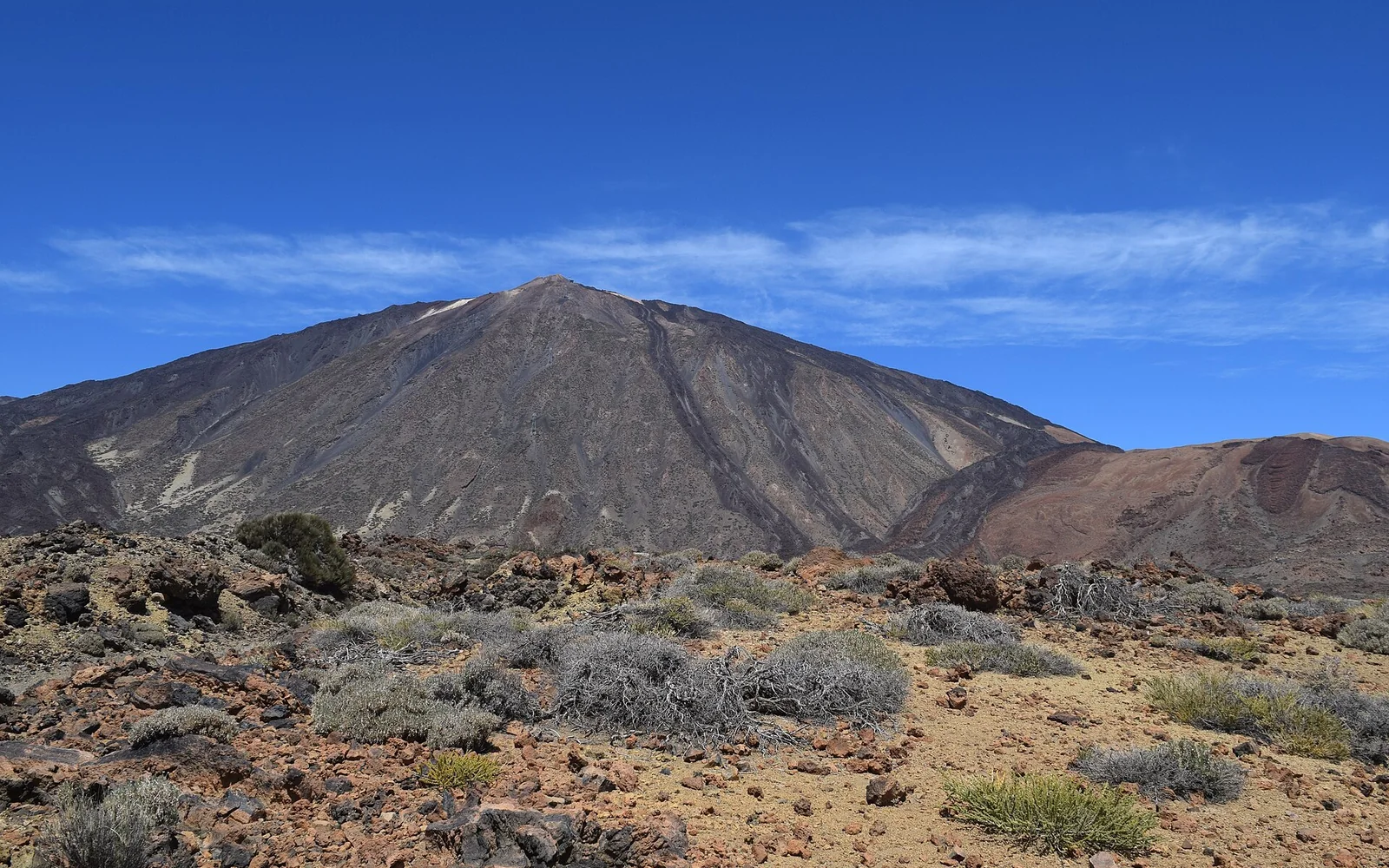
Tenerife changes quickly between the dry south, greener north and high volcanic centre. A resort choice determines far more than beach access, so pick a base according to the island experiences you actually want.
One week gives time for Teide, a northern town, Anaga or La Laguna, and a couple of coast days. Santa Cruz de Tenerife has a separate city guide focused on its waterfront, parks and urban transport.
What to prioritise
Teide National Park
Mountain weather can differ completely from the coast. Cable-car operation, summit access and trail rules change, so use official park and operator information before leaving the hotel.
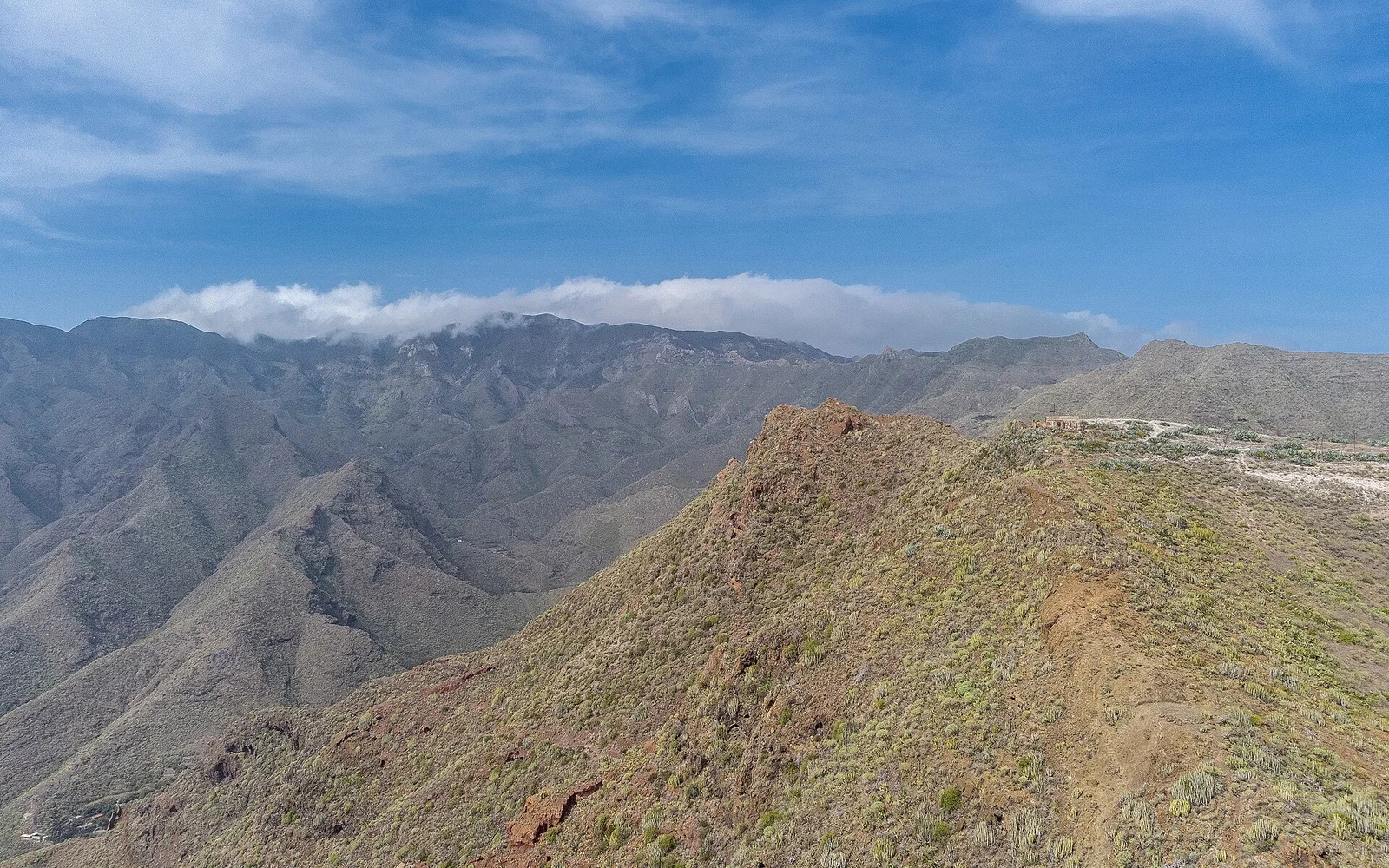
North and Anaga
La Laguna, Puerto de la Cruz and the Anaga ridges reveal the greener island. Roads are winding, and cloud can reduce visibility even when the south is sunny.
South and west coasts
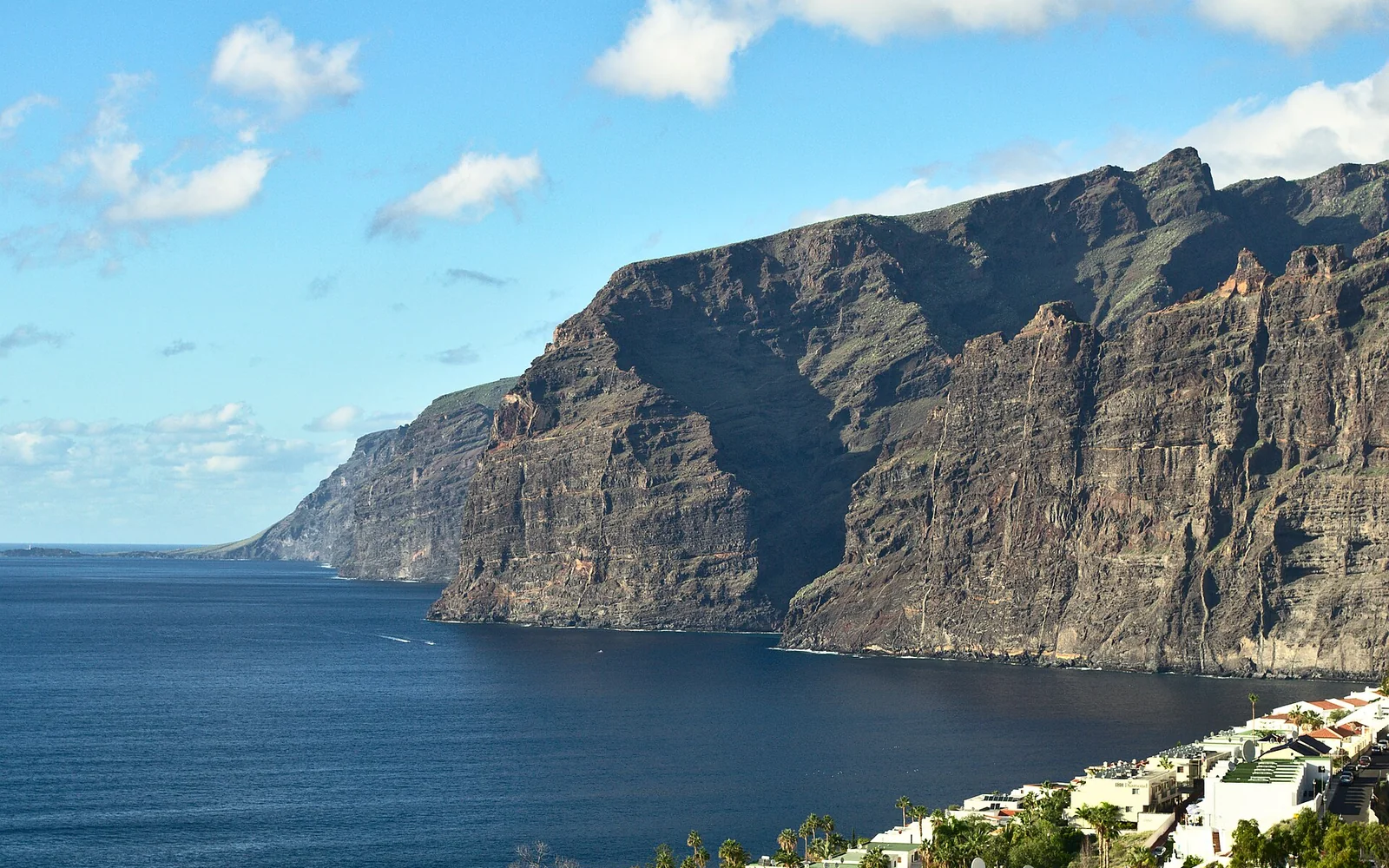
The south has the largest resort concentration and reliable visitor services. Los Gigantes adds dramatic cliffs, while western roads need more time than a straight-line map suggests.
Where to stay
Stay in the south for resort facilities and easier winter sun. Puerto de la Cruz suits gardens and northern exploration. La Laguna is useful for heritage and Anaga, while Santa Cruz is best for city life and transport rather than a resort beach holiday.
A practical itinerary
- Days 1 and 2: settle into the chosen coast or city base and keep travel close after arrival.
- Day 3: dedicate a weather-flexible day to Teide National Park.
- Days 4 and 5: explore La Laguna and one carefully planned Anaga route or northern town.
- Days 6 and 7: use the west or south coast for Los Gigantes, beaches and a lighter final day.
Getting there
Tenerife has North and South airports. They serve different parts of the island, and transferring between them takes time. Ferries use Santa Cruz and connect with other Canary Islands on selected routes.
Getting around
Island buses reach main towns and resorts, but a car simplifies mountain and west-coast routes. Roads can be steep and winding. Never leave the fuel, parking or descent plan until the end of a mountain day.
Food to look for
Look for papas arrugadas with mojo, grilled cheese, gofio dishes and local fish. Guachinches are associated with local wine and simple food, but opening and legal status vary, so use current local information.
When to visit
Tenerife is visited year-round, but coast, north and mountains have different conditions. Winter can still bring snow, wind or closures at altitude. Summer adds heat and wildfire risk in dry areas.
Accessibility
Resorts and urban areas offer the strongest accessible facilities. Lava landscapes, beaches and mountain viewpoints vary widely. Cable-car access does not mean every trail or summit route is accessible.
Practical limits
Do not use a south-coast forecast for Teide or Anaga. Trail permits, wind and road closures can change the day. Keep at least one flexible slot rather than tying every island crossing to fixed tickets.
Nearby places
Santa Cruz deserves its own urban day. Gran Canaria and other islands are possible by ferry or flight, but an island change should be treated as a transfer day rather than a quick excursion.
Places to add to your map
- Teide National Park: High-altitude volcanic centre requiring weather checks.
- La Laguna: Historic city and useful Anaga gateway.
- Los Gigantes: West-coast cliffs and harbour area.
Open the route planner to place these stops in a wider Spain trip.
Continue planning
Questions about Tenerife
Which part of Tenerife is best to stay in?
Choose the south for resorts and reliable sun, Puerto de la Cruz for the green north, or La Laguna and Santa Cruz for heritage, city life and Anaga access.
Can I explore Tenerife without a car?
Yes for main towns, resorts and selected attractions using buses and organised trips. A car gives more control for mountain and remote coastal routes.
How many days do I need in Tenerife?
A week is a useful first stay. Fewer than five days usually means choosing either the north, south or a focused outdoor plan.
Sources and updates
This guide was last reviewed on 28 August 2026. Transport, access and opening arrangements can change, so check the official source before travel.
- Spain tourism, Turespaña
- Spanish airports, Aena
- Official Tenerife tourism, Turismo de Tenerife
- Official Canary Islands tourism, Canary Islands Tourism