
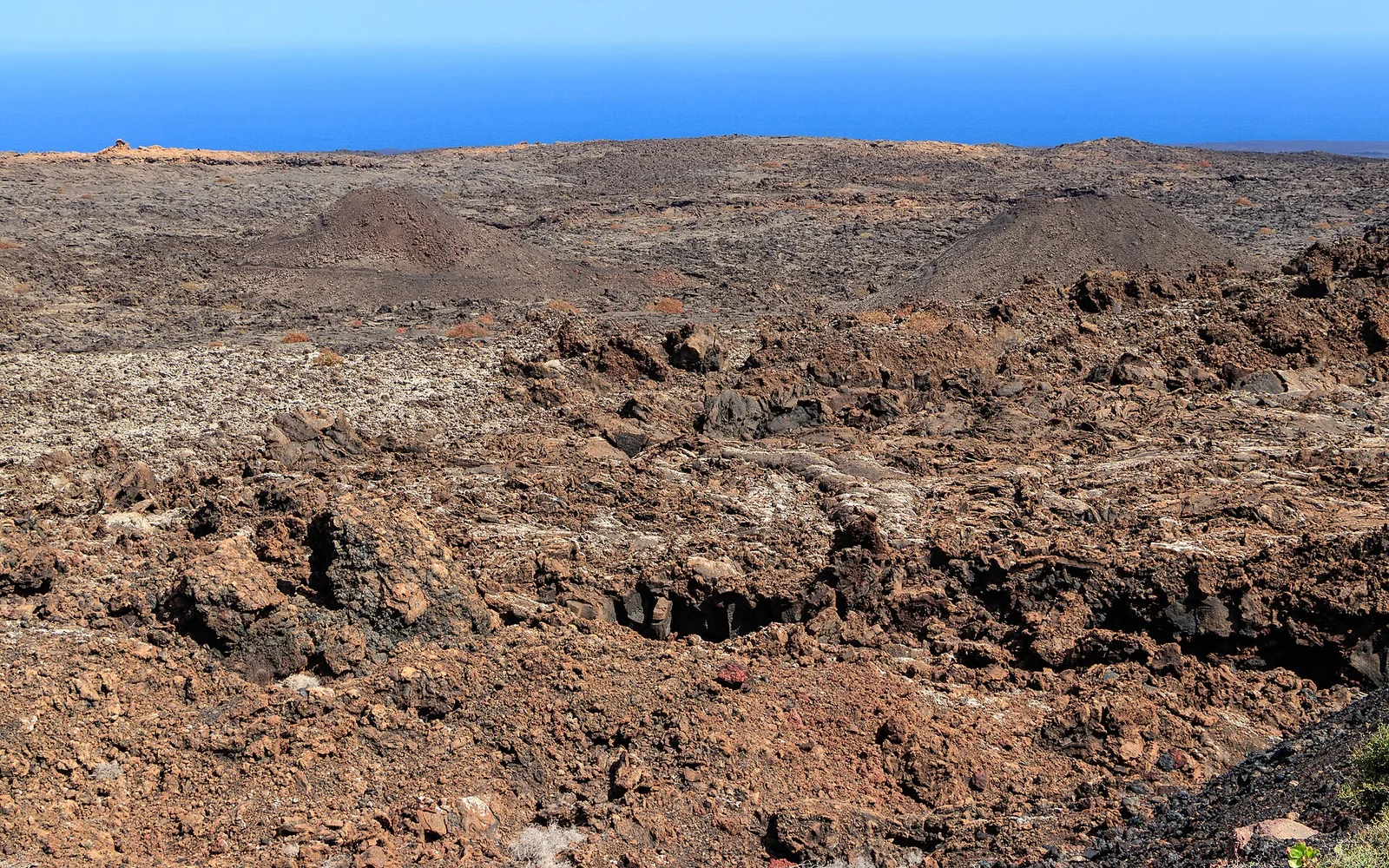
Lanzarote is visually coherent but not repetitive. Timanfaya, La Geria, northern lava tubes, César Manrique sites and Papagayo beaches each occupy a different part of the island.
Five days covers the main landscapes. A week allows weather flexibility and a calmer beach day. Choose one base for a short trip or split north and south when several remote sites matter.
What to prioritise
Timanfaya and La Geria
The national park uses controlled visitor routes and can develop queues. Combine it with the wine landscape only after checking current access and keeping the day modest.
Manrique and the north
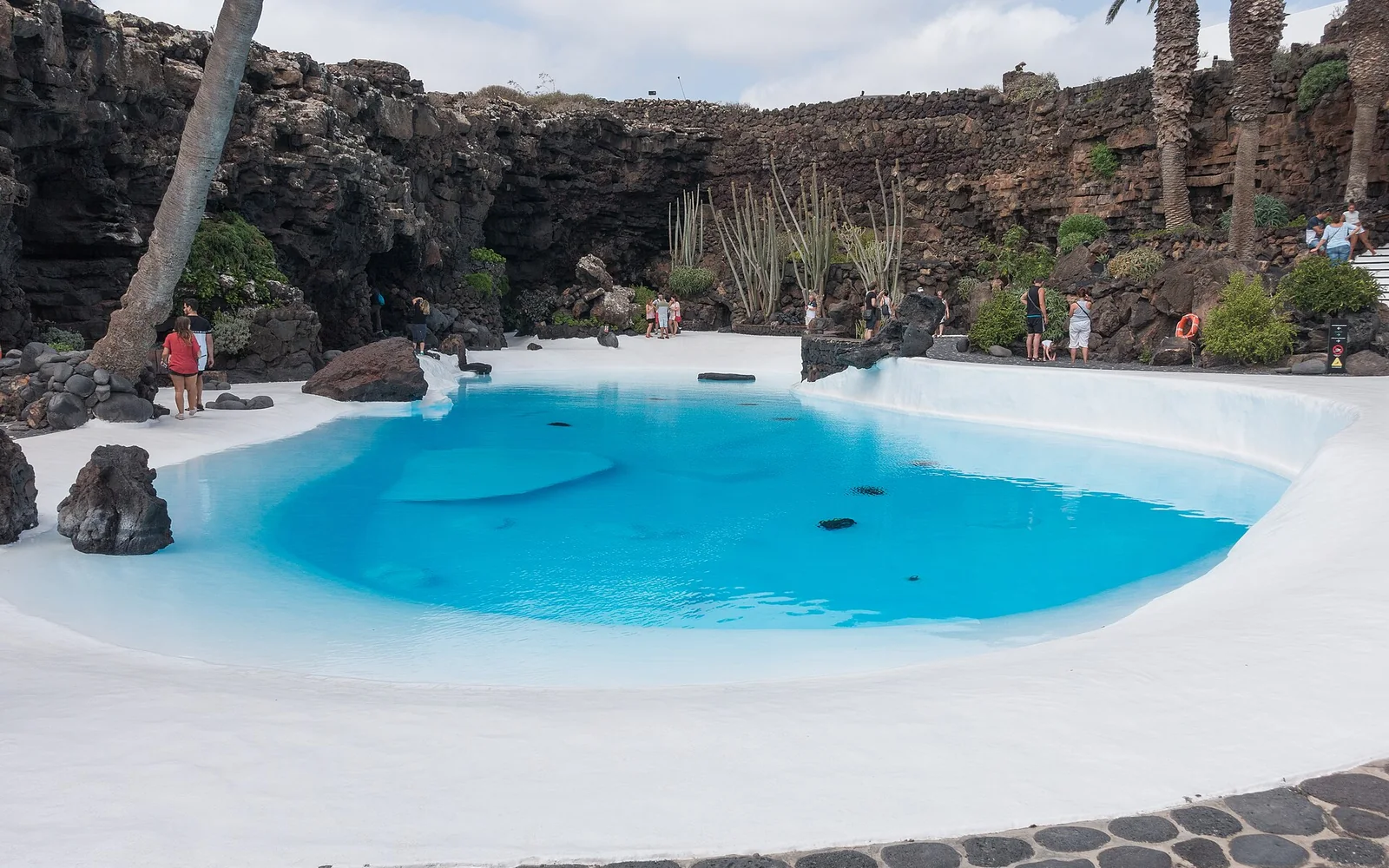
Jameos del Agua and other designed sites connect art with lava geology. Opening arrangements and combined tickets can change, so use the official cultural-centre source.
Beaches and coast
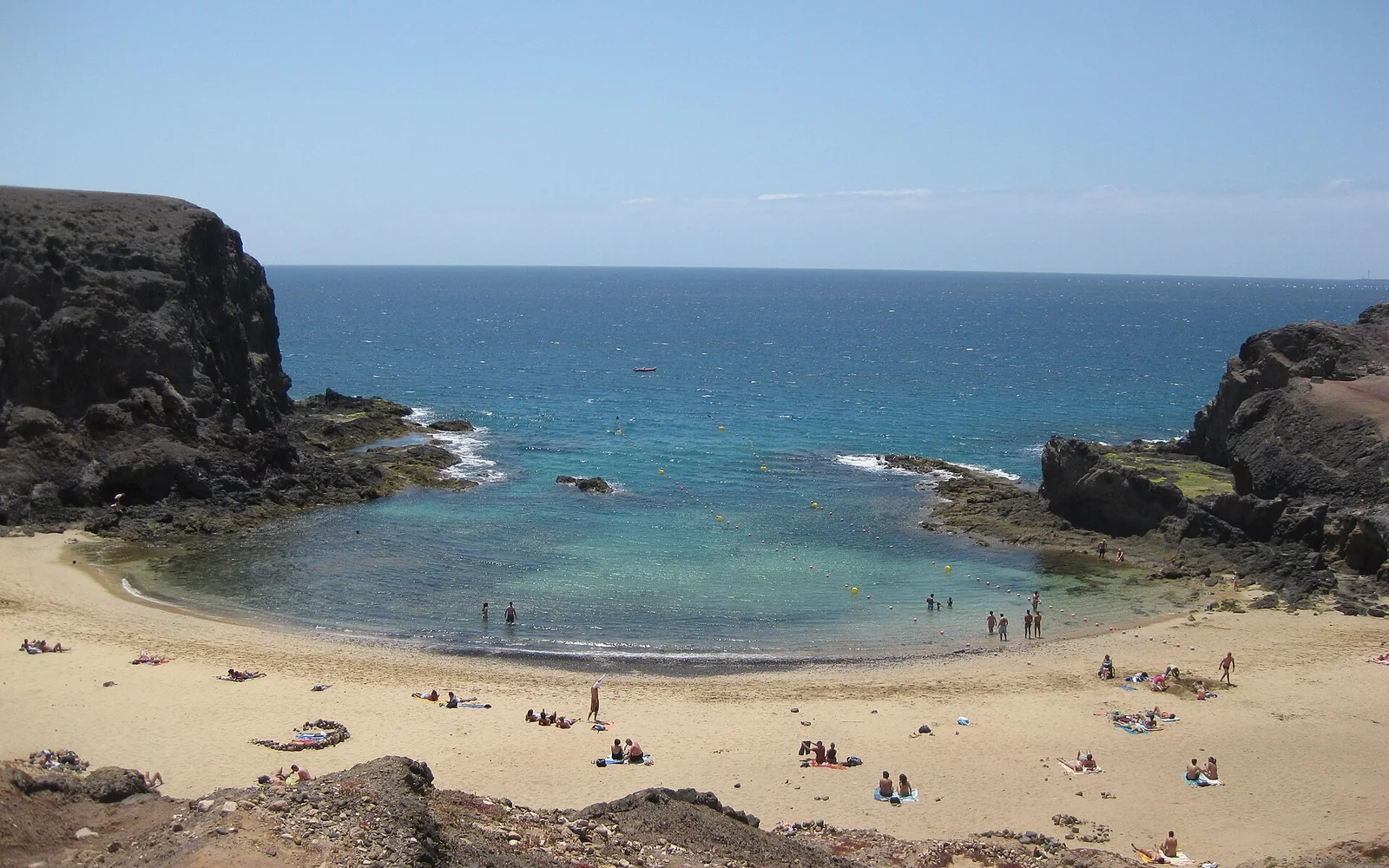
Papagayo, Famara and resort beaches have different wind, road and facility conditions. A beautiful cove may still require an unpaved approach and no shade.
Where to stay
Arrecife suits local life and buses. Costa Teguise is central for many northern routes. Puerto del Carmen has the largest resort infrastructure, while Playa Blanca is best for Papagayo and Fuerteventura ferries.
A practical itinerary
- Day 1: settle into the base and explore the nearest town and coast.
- Day 2: visit Timanfaya with La Geria only if timing remains comfortable.
- Day 3: travel north for Jameos del Agua and one additional cultural site.
- Day 4: choose a beach according to wind and road access.
- Days 5 and 6: add Teguise, Famara, Arrecife or a second landscape day without repeating the island end to end.
Getting there
Lanzarote Airport lies near Arrecife and the main eastern resorts. Ferries connect Playa Blanca with Fuerteventura and Arrecife with selected islands. Port and airport transfers should be checked separately.
Getting around
Buses connect main towns and resorts, but a car makes remote landscapes easier. Roads are generally manageable, though wind, cyclists and unpaved beach access require care.
Food to look for
Try papas arrugadas, mojo, grilled fish, goat cheese and wines from La Geria. Vineyard visits should use designated parking and never be combined with unsafe driving.
When to visit
Lanzarote works year-round, with frequent wind and strong sun. Winter can be cool in exposed places, while summer increases heat and visitor pressure. Sea conditions vary by coast.
Accessibility
Resorts and major cultural centres provide the strongest accessibility. Lava surfaces and beaches vary greatly. Check each site’s current route and assistance rather than assuming a paved entrance covers the full visit.
Practical limits
Leave lava, stones and protected land in place. Do not walk outside authorised routes in Timanfaya. Wind and lack of shade can make even a short stop demanding.
Nearby places
Fuerteventura is the clearest ferry addition from Playa Blanca, but bringing a vehicle or making a same-day return requires current operator rules and schedules.
Places to add to your map
- Timanfaya National Park: Controlled volcanic landscape visit.
- Jameos del Agua: Designed cultural site within a lava tube.
- Papagayo beaches: Southern coves with road and access conditions to check.
Open the route planner to place these stops in a wider Spain trip.
Continue planning
Questions about Lanzarote
Do I need a car in Lanzarote?
A car is useful for volcanic and coastal sites, though buses can support a resort-based trip and organised excursions cover major landmarks.
How many days are enough for Lanzarote?
Five days covers the main landscapes and one beach day. A week provides better weather flexibility.
Can I walk freely in Timanfaya?
No. Visitor movement is controlled to protect the national park. Follow current official routes and access rules.
Sources and updates
This guide was last reviewed on 28 August 2026. Transport, access and opening arrangements can change, so check the official source before travel.
- Spain tourism, Turespaña
- Spanish airports, Aena
- Official Lanzarote tourism, Lanzarote Tourism Board
- Official Canary Islands tourism, Canary Islands Tourism