
Gran Canaria is often reduced to its southern resorts, but the island has a major city, historic northern towns and a mountainous interior. Your base decides how much time will be lost to daily crossings.
A week works well with two bases, usually Las Palmas and the south. Las Palmas de Gran Canaria has a separate guide focused on Vegueta, Las Canteras and the city’s transport.
What to prioritise
Las Palmas and the north
The capital combines an urban beach with historic Vegueta. Arucas, Teror and other northern towns add very different architecture and climate.
Interior viewpoints
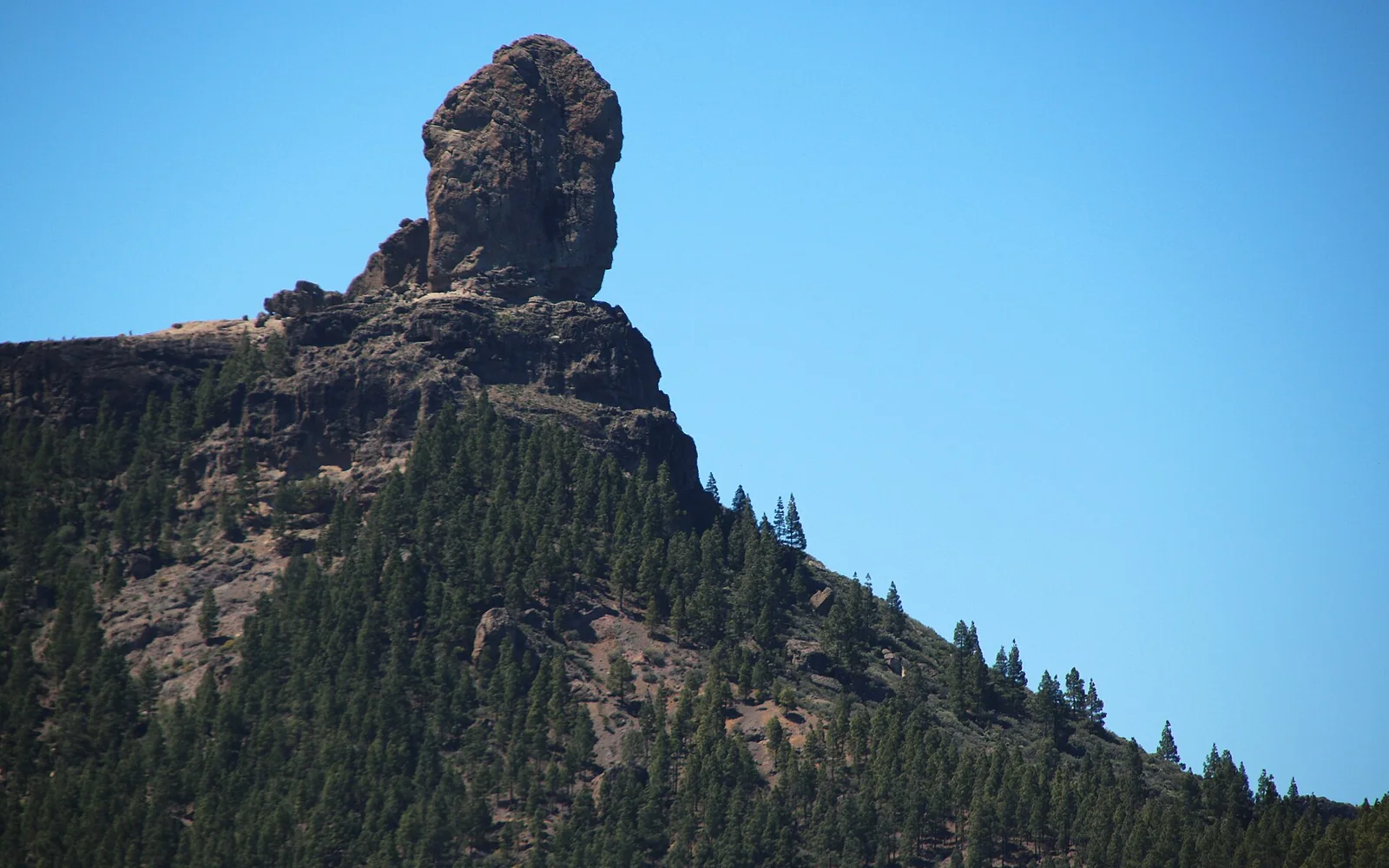
Roque Nublo and central mountain routes require weather, road and trail checks. Parking may be controlled or limited, so use current official guidance.
Maspalomas and the south
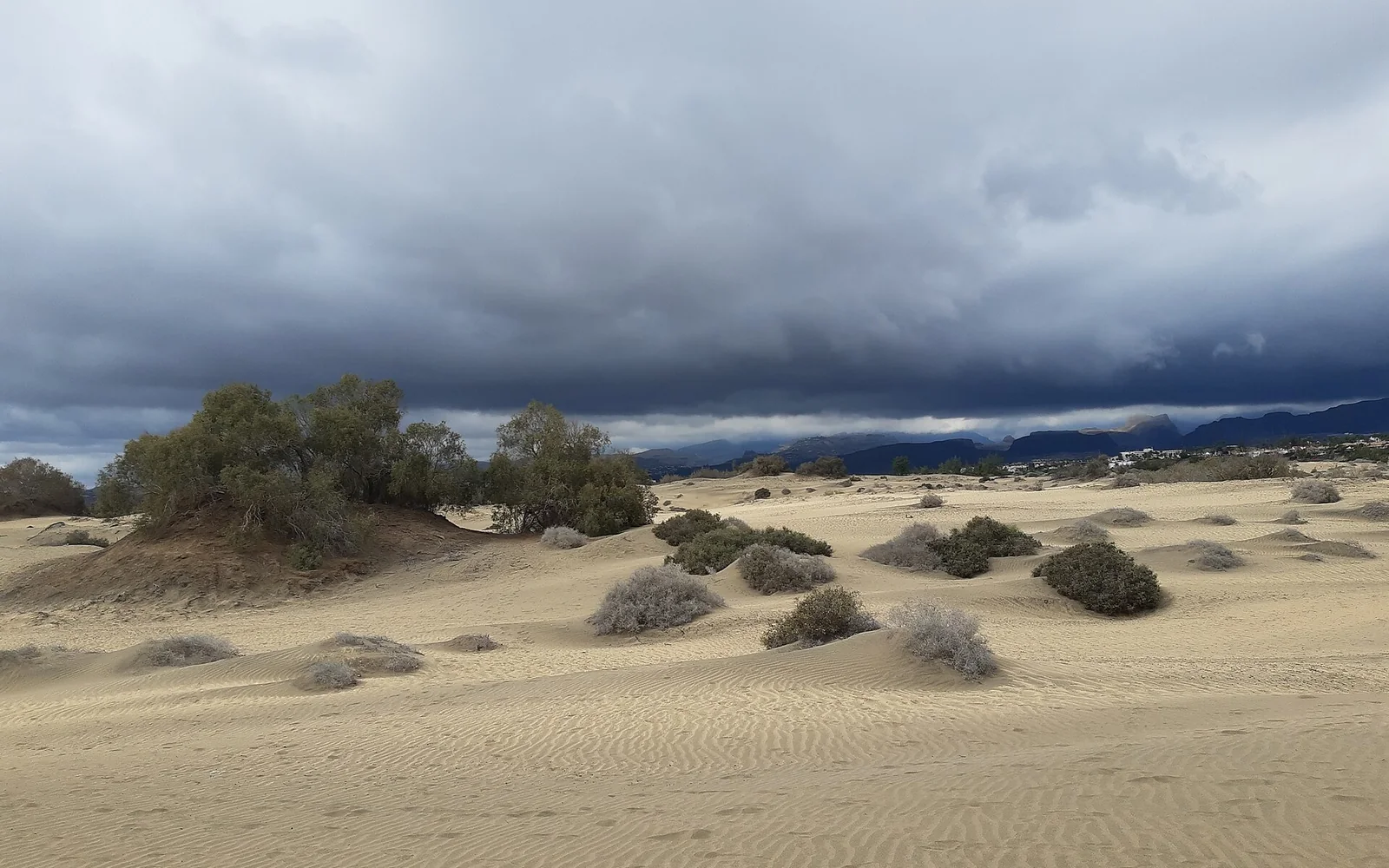
The dunes are a protected landscape beside major resorts. Stay on permitted routes and do not treat the reserve as an unrestricted recreation area.
Where to stay
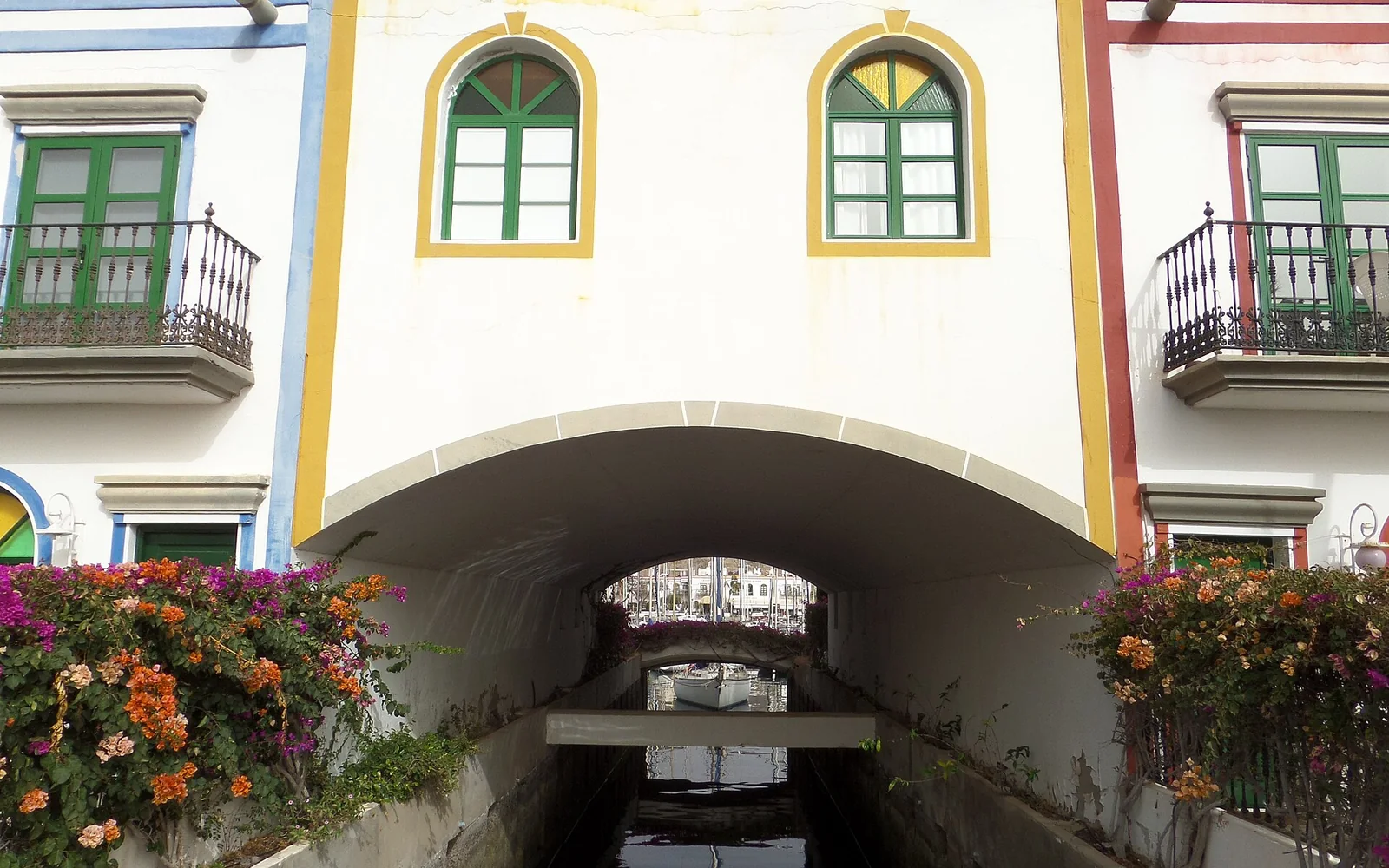
Las Palmas suits urban beaches, food and bus travel. Maspalomas and Meloneras provide resort services and southern weather. Puerto de Mogán is smaller and scenic but farther from many island routes. Rural stays work best with a car.
A practical itinerary
- Days 1 and 2: explore Las Palmas, including Vegueta and Las Canteras.
- Days 3 and 4: use a weather-aware day for the interior, with one mountain route rather than a long chain of stops.
- Days 5 and 6: move south for Maspalomas, a resort beach and Puerto de Mogán.
- Day 7: keep a flexible coast or market day near the departure route.
Getting there
Gran Canaria Airport lies on the east coast between Las Palmas and the southern resorts. Buses and road transfers serve both directions. Ferries use Las Palmas and Agaete, which are separate ports.
Getting around
Island buses connect the capital, main towns and resorts. A car is useful for the interior, but steep roads, cyclists, fog and limited parking demand patience. Avoid following an unverified shortcut into narrow village streets.
Food to look for
Try papas arrugadas, mojo, local cheeses, sancocho canario and seasonal tropical fruit. Inland towns and Las Palmas markets provide a broader view than resort dining alone.
When to visit
The island is visited throughout the year, with local microclimates. The north can be cloudy while the south is bright, and the mountains can be cold or windy in any season.
Accessibility
Las Palmas and major resorts provide the best accessible facilities. Dunes, rocky viewpoints and historic hill towns vary. Confirm beach services and transport assistance at the actual location.
Practical limits
Do not rely on one weather forecast for the whole island. Driving times grow in the mountains, and protected areas may restrict parking or walking routes. Build spare time into any airport-day plan.
Nearby places
Las Palmas merits a city stay. Tenerife is reachable by air and ferry, but port transfers and crossing times make it a separate part of the trip.
Places to add to your map
- Las Palmas de Gran Canaria: Capital and strongest public-transport base.
- Roque Nublo: Interior landmark with access controls to check.
- Maspalomas Dunes: Protected dune system beside southern resorts.
Open the route planner to place these stops in a wider Spain trip.
Continue planning
Questions about Gran Canaria
Which area of Gran Canaria is best to stay in?
Choose Las Palmas for city life and buses, Maspalomas for resorts and sun, or a rural base for mountain access with a car.
Can I see Gran Canaria without driving?
Yes for Las Palmas, main resorts and several towns using buses. Mountain trailheads and rural viewpoints are less flexible without a car or organised trip.
How many days should I spend in Gran Canaria?
A week allows the capital, interior and southern coast. Four or five days requires choosing two of those areas.
Sources and updates
This guide was last reviewed on 28 August 2026. Transport, access and opening arrangements can change, so check the official source before travel.
- Spain tourism, Turespaña
- Spanish airports, Aena
- Official Gran Canaria tourism, Gran Canaria Tourist Board
- Official Canary Islands tourism, Canary Islands Tourism