
Start with the essentials
Plan Castilla-La Mancha at a glance
- Main stops
- Toledo and Cuenca
- Useful time
- 3 to 6 days
- Main transport
- Fast rail from Madrid
- Car use
- Useful for rural routes
- Walking
- Steep historic centres
About Castilla-La Mancha
Why explore Castilla-La Mancha
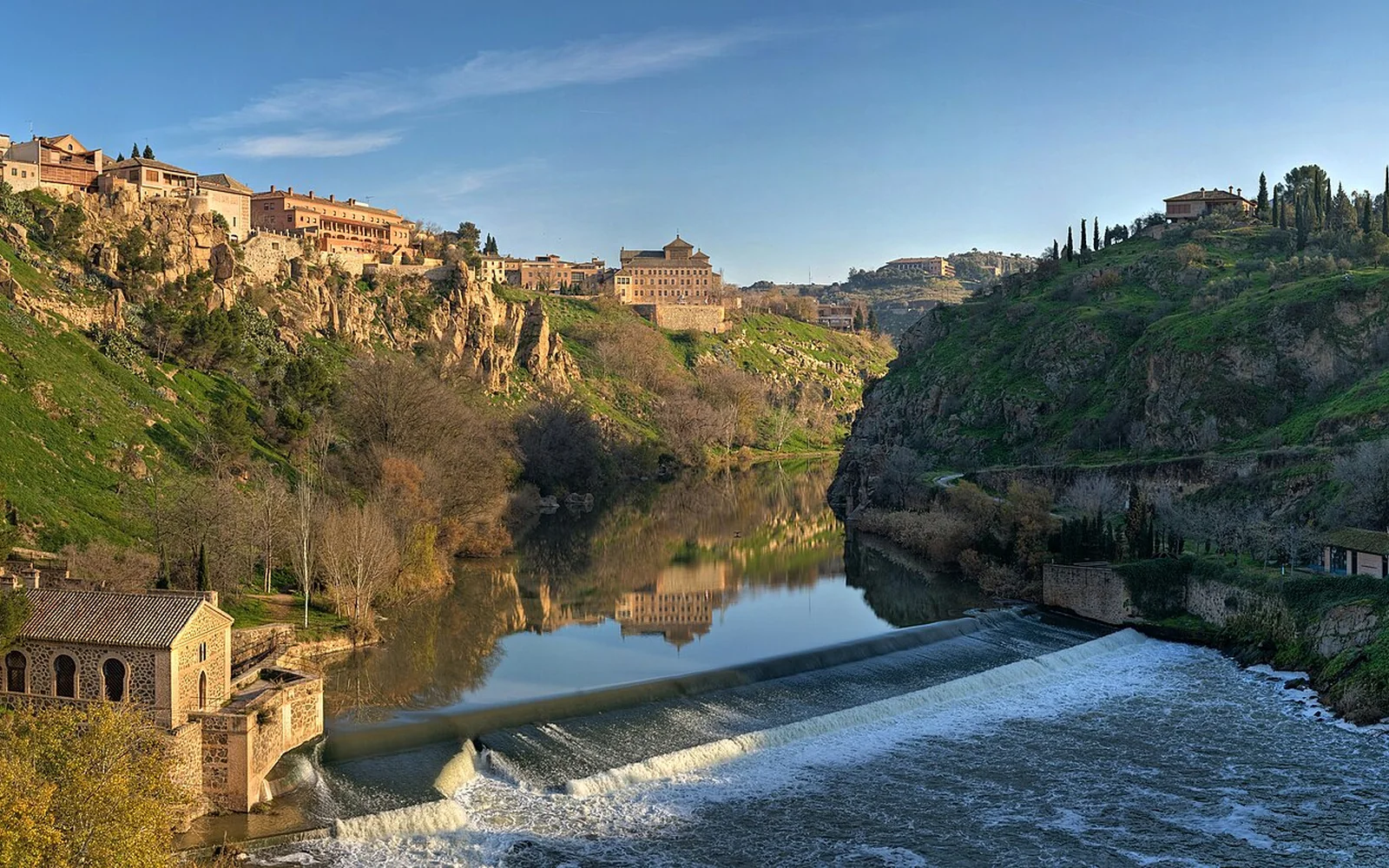
Toledo brings Christian, Jewish and Islamic heritage together within a dense hilltop centre. Cuenca has a very different form, with historic buildings balanced above two river gorges and modern art inside old structures.
Between and beyond them lie plains, windmills, wetlands, castles and smaller towns. Those landscapes require a road-based plan, while the two principal cities are straightforward as separate rail trips from Madrid.
Plan the region
Allow at least a full day for each covered city, with an overnight preferable in Toledo or Cuenca. Their rail lines leave Madrid in different directions and do not create a useful two-stop day.
Use a car only when the itinerary includes rural La Mancha, national parks or small towns. Both old centres have steep, constrained streets where walking and local transport are more practical.
Choose where to spend your time
Places to explore
2 guidesToledo
Toledo’s hilltop old city brings Christian, Jewish and Islamic heritage together above the Tagus, with steep lanes that reward a measured route.
Open guide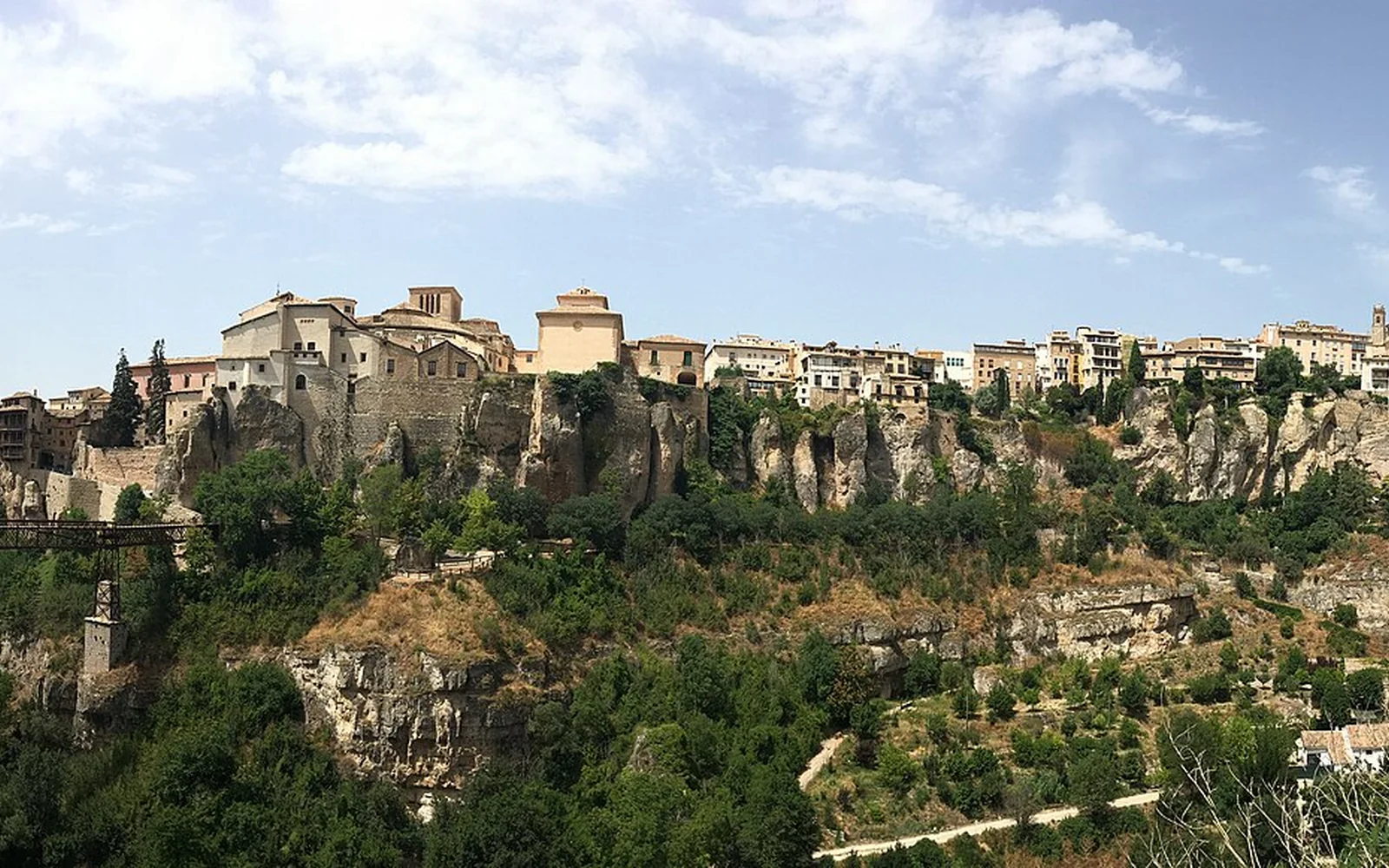
Cuenca
A small historic city balanced between river gorges, known for the Hanging Houses, cathedral, viewpoints and abstract art.
Open guideBuild a coherent route
Plan by area
Toledo and the western approach
Toledo is the clearest first visit, with major religious buildings, El Greco collections and a complex old-city plan. Stay overnight to see the centre beyond peak day-trip hours.
Cuenca and the eastern gorges
Cuenca combines the upper old town, Hanging Houses, cathedral area and gorge viewpoints. The high-speed station is outside the city and needs a connecting bus or taxi.
Rural La Mancha
Windmill towns, wetlands and open plateau routes need individual research and a car in most cases. Add them only when they fit one clear road journey.
See the main travel bases
See Castilla-La Mancha’s covered cities
Loading the map…
Toledo and Cuenca lie on different routes from Madrid. Each deserves its own day or overnight rather than an impractical same-day combination.
Match the route to your time
What fits into your trip
Choose one city
Spend both days in Toledo or Cuenca, including one overnight. This gives the steep historic centre time beyond its main monuments and avoids losing half the visit to a return transfer or an attempted cross-region connection.
Toledo and Cuenca
Give each city a full day and overnight, using Madrid as the transfer point only if current rail times make that necessary. Do not place both cities into one day, because their stations and walking routes require separate time.
Cities and rural La Mancha
Visit Toledo and Cuenca, then add one carefully focused road route through windmill country, wetlands or smaller historic towns. Collect the car after the urban stays and avoid crossing the whole region for isolated landmarks.
Link the stops sensibly
Routes and day trips
Toledo and Cuenca work as separate branches from Madrid. A broader regional trip needs a car and a specific rural theme rather than a collection of distant photo stops.
Suggested regional routes
Toledo after the day crowds
Plan the cathedral, synagogues and El Greco sites by opening times, then stay for an evening walk when the busiest group visits have ended.
Open destination guideCuenca between two gorges
Use the upper town for the cathedral, Hanging Houses and viewpoints, then descend only if time and mobility allow. Include the station transfer in the schedule.
Open destination guideRegional day trips
Toledo from Madrid by train
A full Toledo day with a planned climb from the station, one main historic interior and enough time to descend for the reserved Madrid train.
Choose transport by destination
Getting around Castilla-La Mancha
Fast trains connect Madrid separately with Toledo and Cuenca. Rural travel is much less convenient without a car, and the historic centres themselves are steep enough to reward careful walking routes.
Fast rail
Use separate Madrid corridors for Toledo and Cuenca. Buy the correct destination and include the station-to-centre connection.
Local buses and taxis
These are useful for steep approaches and Cuenca’s outlying high-speed station. Check frequency around the last return train.
Driving
A car opens rural plateau routes but is a poor tool inside old Toledo or upper Cuenca. Park outside restricted streets.
Choose dates that suit the route
When to visit
Spring and autumn suit exposed viewpoints and long walks. Rain can make stone surfaces slippery, while evenings on the plateau may be colder than expected.
Summer brings strong heat and limited shade in rural areas. Winter is quieter but cold, with shorter daylight for driving between smaller destinations.
Read the seasonal guide for SpainAvoid common route problems
Planning checks
Keep Toledo and Cuenca separate
They are not neighbouring stops and use different Madrid rail routes. Give each a full day.
Prepare for steep streets
Both historic centres involve slopes, steps and uneven surfaces. Use local transport to reduce the hardest climbs where needed.
Avoid an unfocused windmill route
Choose named towns and confirm access before driving. The landscape is broad and distances add up quickly.
Quick answers
Questions about Castilla-La Mancha
How many days should I spend in Castilla-La Mancha?
Four days is enough for Toledo and Cuenca with overnight stays. Add several days for a rural road route.
Can Toledo and Cuenca be visited in one day?
No sensible route gives both cities enough time. They lie on separate corridors and each has a demanding historic centre.
Do I need a car?
Not for Toledo or Cuenca. A car is useful for windmill towns, wetlands and smaller rural destinations.
Which city should I visit first?
Choose Toledo for dense religious and imperial history, or Cuenca for gorge scenery, a smaller centre and modern art.
How this guide is checked
Sources and review
Reviewed 2 September 2026, next review due 2 March 2027. Services, access rules and opening arrangements can change, so check the official source before travel.
- Spain tourism, Turespaña
- Renfe passenger information, Renfe
- Official Toledo visitor information, Toledo City Council
- Official Castilla-La Mancha tourism, Castilla-La Mancha Tourism
- Cuenca visitor information, Cuenca Tourism Foundation
Continue through Spain
Regions that connect naturally
Madrid Region
Madrid Region combines the capital with three UNESCO-listed heritage towns, smaller Castilian centres and mountain routes in the Sierra de Guadarrama.
Valencian Community
Mediterranean cities, urban beaches, rice dishes and a coast that changes character between Valencia and Alicante.
Andalusia
Moorish palaces, Atlantic ports, Mediterranean beaches and white towns spread across southern Spain.
Continue planning
See more of Spain
Use the country guide to compare Castilla-La Mancha with other regions and destinations in Spain.