
Start with the essentials
Plan Andalusia at a glance
- Best first base
- Seville or Málaga
- Useful time
- 7 to 14 days
- Main transport
- Rail and intercity bus
- Car use
- Helpful for hill towns
- Heat planning
- Essential in summer
About Andalusia
Why explore Andalusia
Andalusia contains several of Spain’s strongest historic cities. Seville, Córdoba and Granada each have a different architectural story, while Málaga and Cádiz add working coastal centres rather than simple beach stops.
Ronda and the white-town landscapes add a rural layer, but they do not fit every rail itinerary. The best journey chooses a western, central or eastern line and gives the major monuments enough time.
Plan the region
A week is enough for two or three bases. Ten days allows a clearer Seville, Córdoba, Granada and Málaga route, while two weeks makes room for Cádiz, Ronda or a slower coastal stay.
Fast trains are useful between major cities, but not every coastal or hill-town connection is direct. Reserve a car for the section that needs it instead of carrying it through pedestrian centres.
Choose where to spend your time
Places to explore
7 guidesSeville
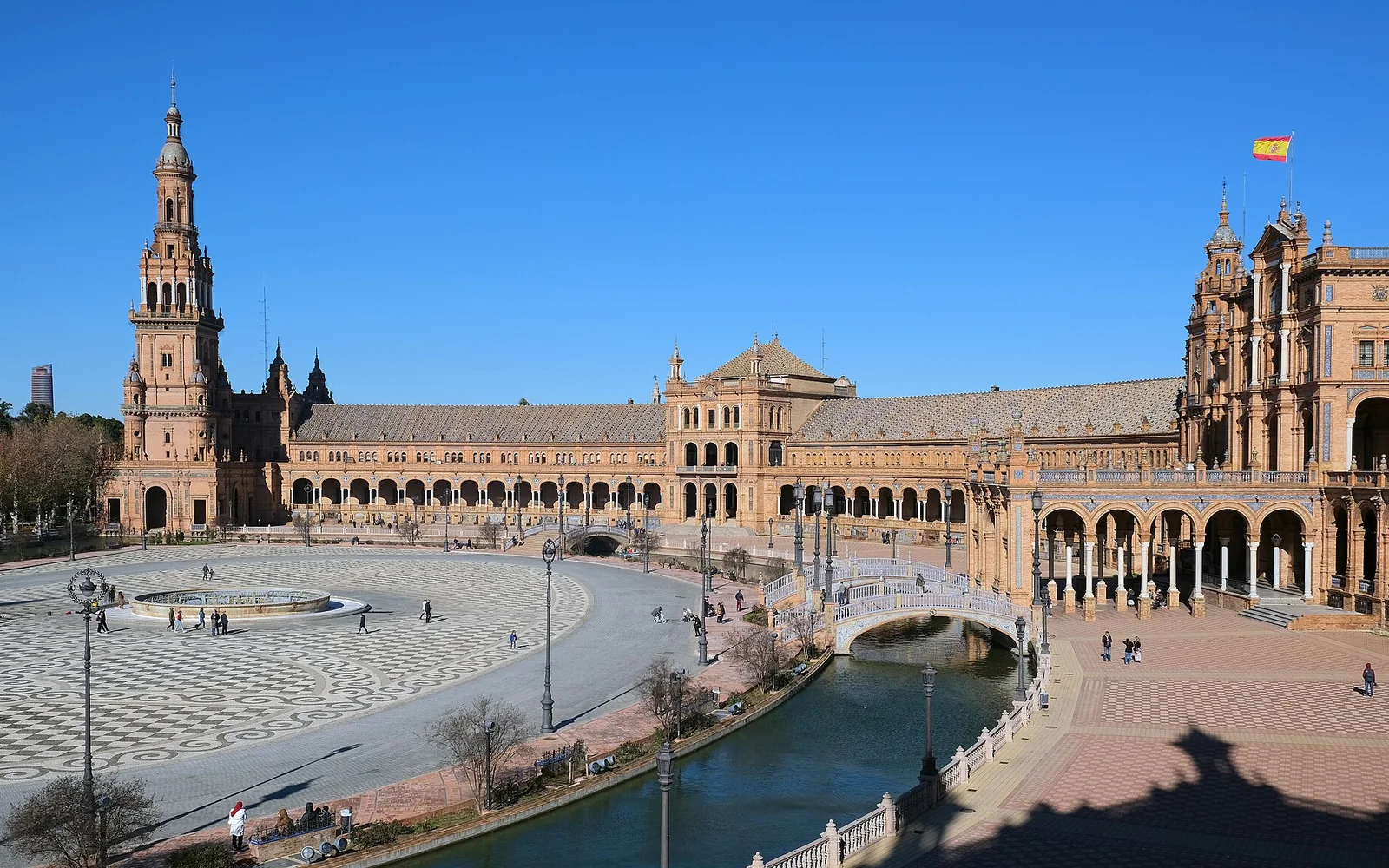
Seville brings palaces, tiled courtyards, flamenco traditions and riverside neighbourhoods together in a compact centre with demanding summer heat.
Open guide
Granada
Granada pairs the Alhambra with steep Albaicín lanes, mountain views, university life and a compact centre where advance planning matters.
Open guide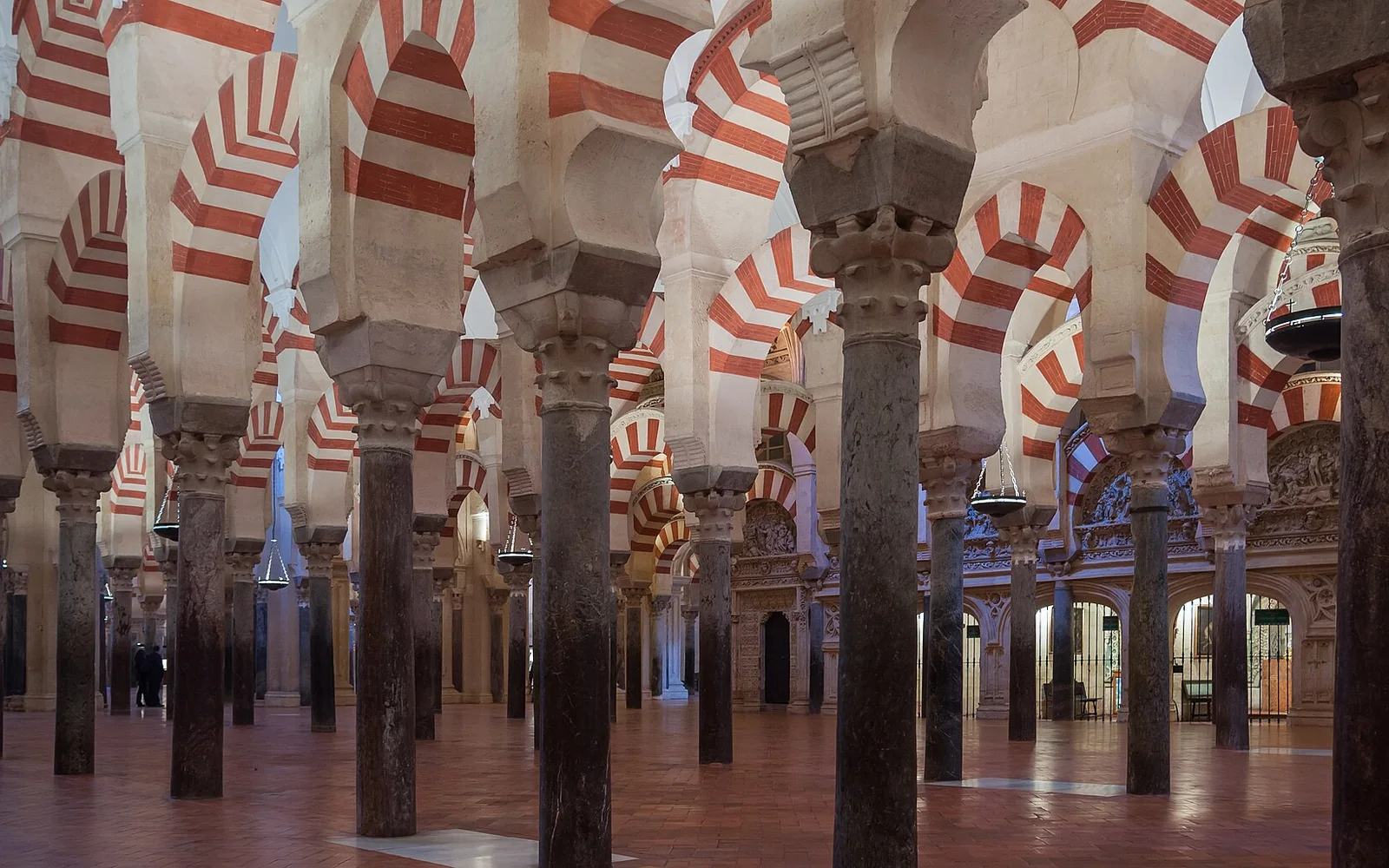
Córdoba
Córdoba concentrates layered religious history, flower-filled courtyards and riverside landmarks into a compact old city that becomes very hot in summer.
Open guide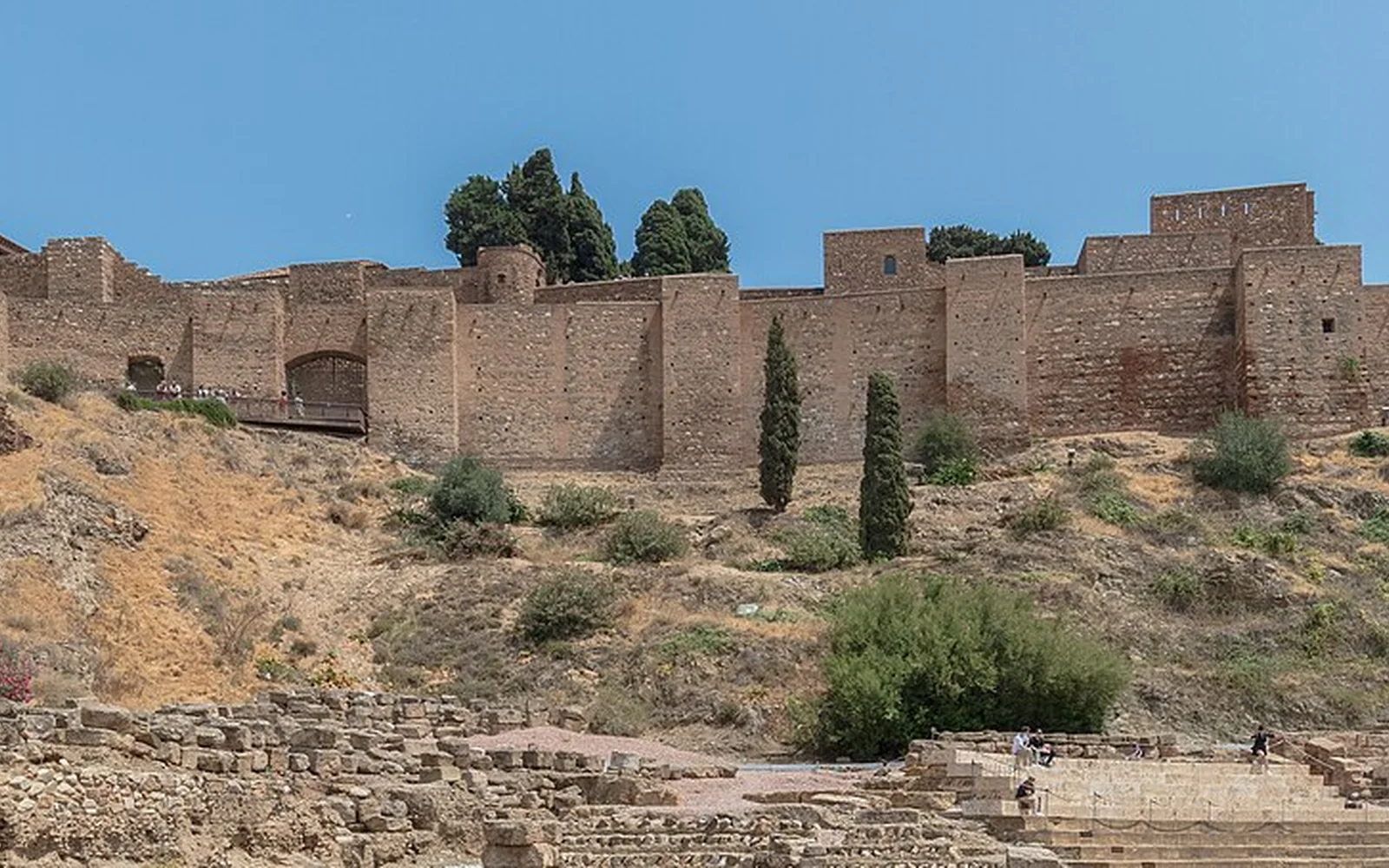
Málaga
Málaga is a working Mediterranean city with a compact old centre, hilltop fortifications, strong museums and beaches close to urban transport.
Open guide
Cádiz
Cádiz places a dense old city, seafood market, cathedral dome and Atlantic beaches on a narrow peninsula made for slow walking.
Open guide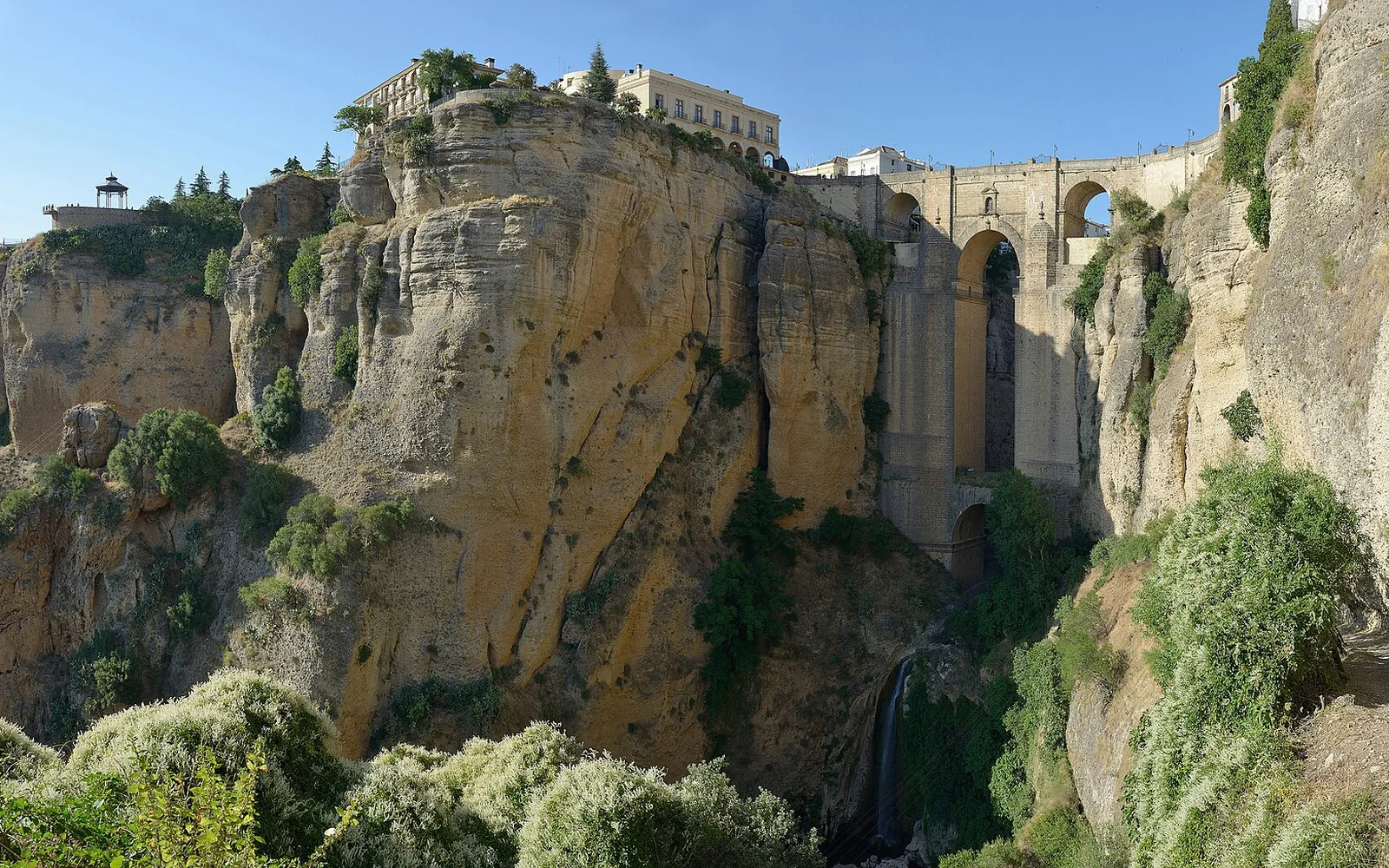
Ronda
Ronda sits dramatically across El Tajo gorge, with Puente Nuevo linking an older hilltop quarter to the modern town and transport services.
Open guide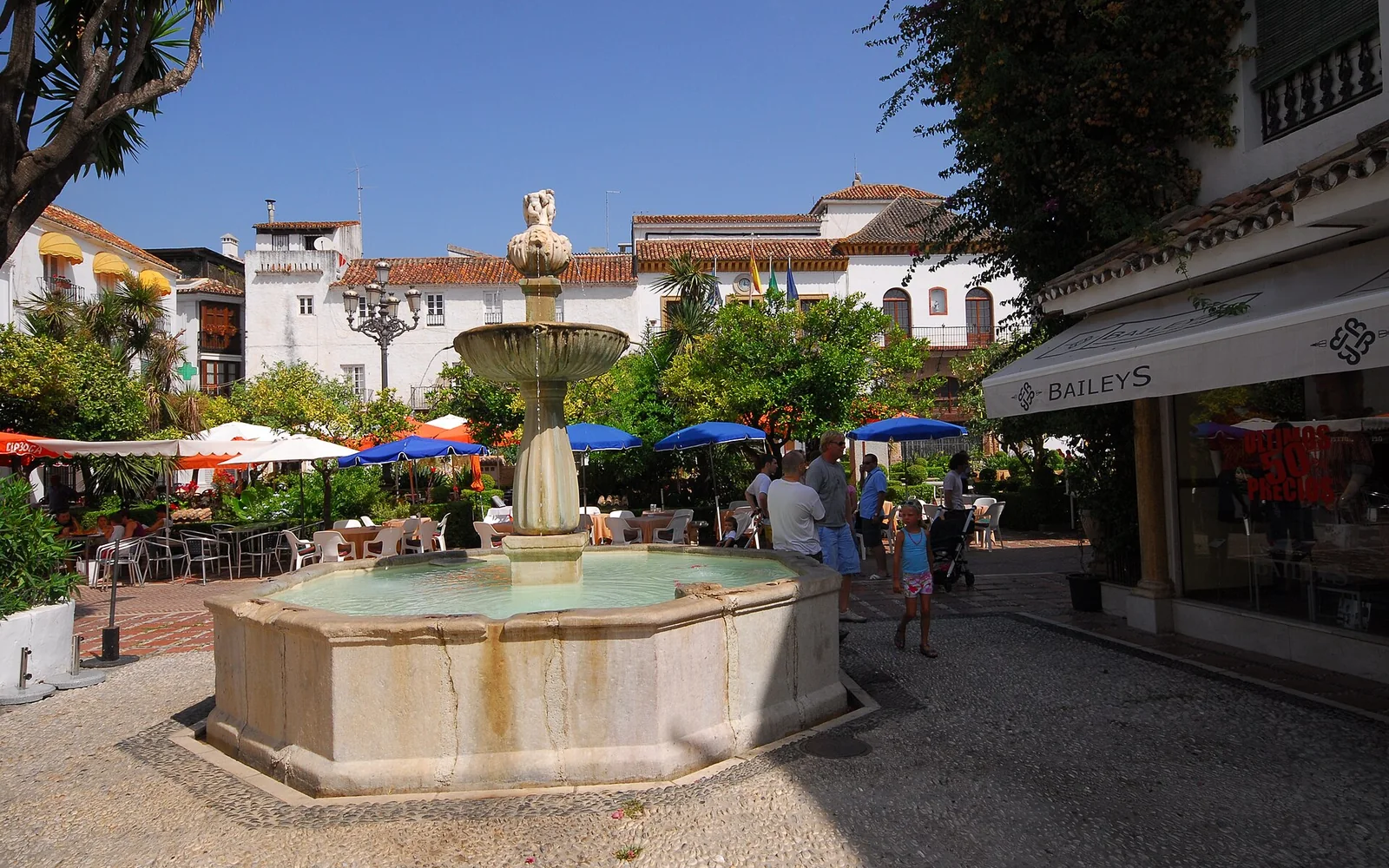
Marbella
Marbella combines a whitewashed old town and long urban promenade with resort beaches and the separate luxury marina area of Puerto Banús.
Open guideBuild a coherent route
Plan by area
Seville, Córdoba and Cádiz
Seville is the strongest western base. Córdoba sits on a fast rail corridor, while Cádiz offers an Atlantic contrast. Each city deserves its own day, and Seville needs at least two.
Granada and inland hills
Granada should be planned around an official Alhambra time. Ronda is a separate hill-town stop with slower connections and works better as an overnight than as a hurried detour.
Málaga and the Mediterranean
Málaga combines museums, fortifications and urban beaches. Marbella offers a different Costa del Sol base, but moving between resort towns can consume more time than the distance suggests.
See the main travel bases
See Andalusia’s main travel bases
Loading the map…
Six markers show the main inland and coastal bases. The region is large, so use the map to choose a corridor rather than attempting every destination in one short trip.
Match the route to your time
What fits into your trip
Two-city route
Choose Seville with Córdoba, or Málaga with Granada. Give the larger base at least three nights and avoid adding a distant coast or hill town. This keeps the trip focused and leaves enough time for one major timed monument each day.
Four connected stops
Link Seville, Córdoba, Granada and Málaga in one direction. Use fast rail where it fits and check the current Granada connection before booking. Two-night stays are a minimum, with three nights better for Seville or Granada.
Cities with coast or hills
Build the main city route first, then add Cádiz, Ronda or a slower Costa del Sol section. Choose one extension rather than all three. Extra nights absorb heat, long meals and the transport limits of smaller places.
Link the stops sensibly
Routes and day trips
The clearest first route runs between Seville, Córdoba, Granada and Málaga. Cádiz fits naturally with Seville, while Ronda and Marbella need more careful bus or car planning.
Suggested regional routes
Seville to Málaga by historic cities
Travel from Seville to Córdoba, continue to Granada and finish in Málaga. Build the dates around the Alhambra ticket and avoid a same-day monument visit after a long transfer.
Open destination guideSeville and the Atlantic
Base in Seville, then add Cádiz by rail for sea views and a compact old centre. Stay overnight if you want the city after day visitors leave.
Open destination guideRonda at a slower pace
Treat Ronda as an overnight between larger bases only when the current bus, rail or car route makes sense. Its gorge, old town and viewpoints deserve more than a brief stop.
Open destination guideRegional day trips
Córdoba from Seville by train
A Córdoba day centred on the Mosque-Cathedral, with a direct train, one coherent old-quarter route and a plan that respects summer heat.
Wider itineraries
These routes include Andalusia but continue to other parts of Spain.
Barcelona, Madrid, Seville and Granada in 11 daysChoose transport by destination
Getting around Andalusia
Mainline rail works well on selected city corridors, while buses cover many cross-region and hill-town journeys. Driving adds flexibility in rural areas but is inconvenient inside old centres and does not shorten every mountain road.
High-speed and regional rail
Rail is particularly useful for Seville, Córdoba and Málaga. Granada services should be checked for the exact date, and not every coastal pairing is direct.
Intercity buses
Buses fill gaps to Ronda, Marbella and many smaller towns. Check the station location and last departure before planning an evening return.
Driving
Use a car for white-town routes and rural stops. Park outside historic centres where possible and allow more time for mountain roads than a distance estimate suggests.
Choose dates that suit the route
When to visit
Spring and autumn are the easiest periods for city walking. Festival dates can transform Seville, Málaga and Cádiz, bringing high demand and altered access as well as a strong local atmosphere.
Summer heat is a planning constraint inland, especially in Seville and Córdoba. Start early, reserve the afternoon for rest or interiors, carry water and avoid building the day around exposed midday walks.
Read the seasonal guide for SpainAvoid common route problems
Planning checks
Secure timed monuments early
The Alhambra and Royal Alcázar can define the route. Book through official channels before committing to non-refundable transport.
Do not underestimate summer heat
Inland temperatures can make a normal walking plan unsafe or unpleasant. Keep shade, water and a long midday break in the schedule.
Avoid collecting one-night stops
Repeated hotel changes consume the time that makes Andalusian cities rewarding. Use fewer bases and take selective day trips.
Quick answers
Questions about Andalusia
How long should I spend in Andalusia?
Nine or ten days supports the main Seville, Córdoba, Granada and Málaga route. A full two weeks leaves room for the Atlantic coast or hill towns.
Do I need a car in Andalusia?
Not for the main city route. A car is useful for white towns, rural stays and some coastal combinations.
Which city should I use as a first base?
Choose Seville for western Andalusia and major monuments, or Málaga for flights, museums, Granada connections and the Mediterranean coast.
Can I visit Andalusia comfortably in summer?
Yes with a heat-aware schedule, but inland cities can be extremely hot. Early starts, long afternoon breaks and flexible outdoor plans are essential.
How this guide is checked
Sources and review
Reviewed 2 September 2026, next review due 2 March 2027. Services, access rules and opening arrangements can change, so check the official source before travel.
- Spain tourism, Turespaña
- Renfe passenger information, Renfe
- Official Andalusia tourism, Andalusia Tourism
Continue through Spain
Regions that connect naturally
Castilla-La Mancha
Historic plateau cities and open landscapes south of Madrid, with Toledo as the strongest first stop.
Continue planning
See more of Spain
Use the country guide to compare Andalusia with other regions and destinations in Spain.